
Hear from Our Customers
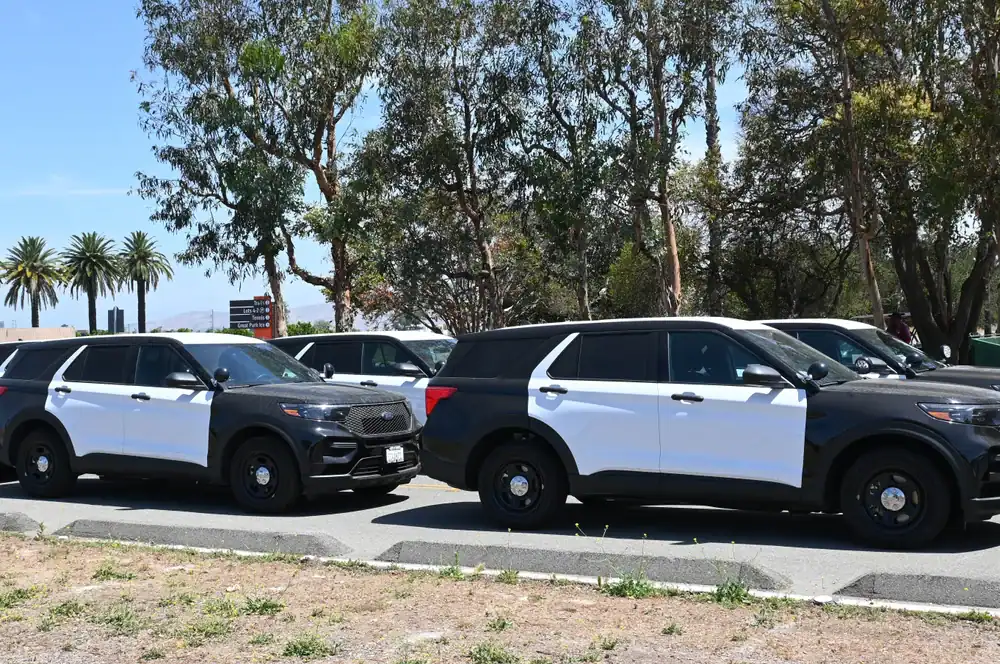
You’re not buying a regular used car. You’re getting a Ford Police Interceptor Utility or Explorer that was engineered for pursuit-grade performance. These vehicles came with enhanced brakes, upgraded suspension, reinforced frames, and powertrains built to handle conditions most civilian vehicles never see.
The Ford Interceptor for sale at our lot means you’re looking at all-wheel drive as standard, not an option. You get engines designed to deliver serious horsepower when you need it. The 3.0L EcoBoost V6 in some models puts out 400 horsepower and 415 lb-ft of torque. That’s not marketing speak—that’s what Ford built for agencies that needed reliable power.
And here’s what matters most: you’re paying significantly less than comparable SUVs on the retail market. Buyers regularly report saving 50% or more compared to similar civilian models. You’re getting a vehicle that commands respect on the road, performs when it counts, and doesn’t drain your wallet to own.
We’re not trying to be everything to everyone. We focus exclusively on used cop cars for sale—specifically Ford Interceptors and other retired police vehicles. That focus means we know these vehicles inside and out.
Altoona drivers appreciate straightforward value, and that’s exactly what we offer. With a median household income around $51,250 and an average of two cars per household, people here understand the difference between paying for a name and paying for actual capability. Our inventory reflects that reality.
We’re transparent about what you’re buying. These are vehicles that served law enforcement agencies, which means they’ve been used hard but maintained regularly. You’re getting performance-grade components at prices that make sense for real budgets.
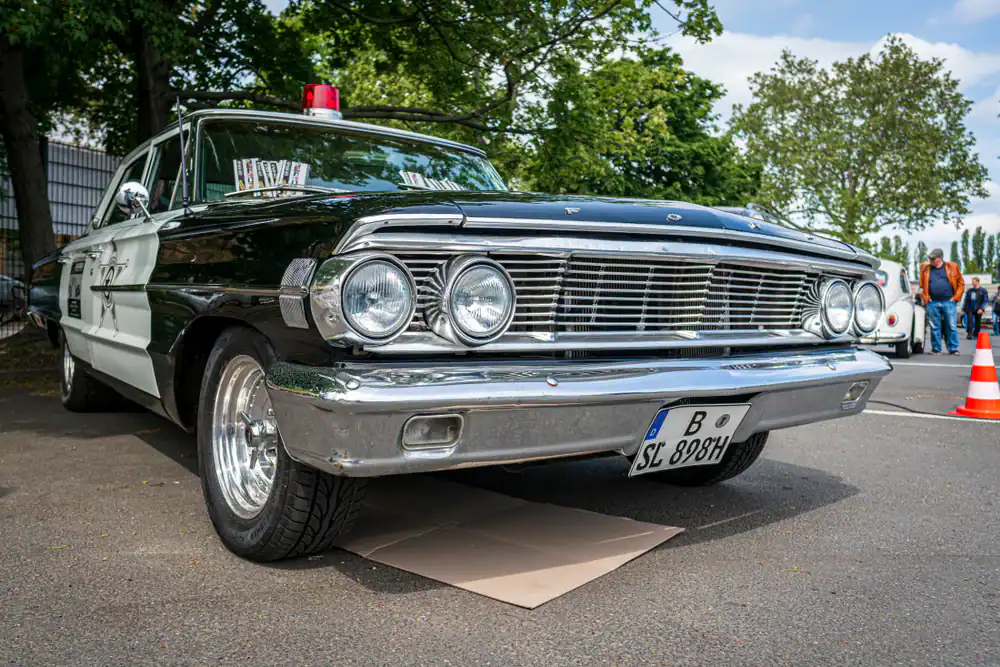
Start by looking at what’s currently available. Our inventory changes as we acquire retired units from various agencies. You’ll see Ford Explorer Police Interceptors, Ford Police Interceptor Utilities, and occasionally other models—all former law enforcement vehicles.
When you find something that fits your needs, come see it in person. You’ll want to check the condition yourself. These vehicles typically have higher mileage—often between 120,000 and 160,000 miles—but remember that police vehicles accumulate significant idle hours that don’t show on the odometer. The actual wear can vary considerably depending on how the agency used and maintained the vehicle.
We sell these as-is, which is standard for police surplus. That means you’re responsible for doing your homework. Ask questions. Look under the hood. Check the interior. We’re here to answer what we know about each vehicle’s history, but you’re making the final call on condition.
Once you’ve decided, the buying process is straightforward. We handle the paperwork, you arrange financing if needed, and you drive away in a vehicle that costs thousands less than you’d pay for a comparable civilian SUV. No games, no pressure—just a clear transaction on a unique type of vehicle.
Ready to get started?
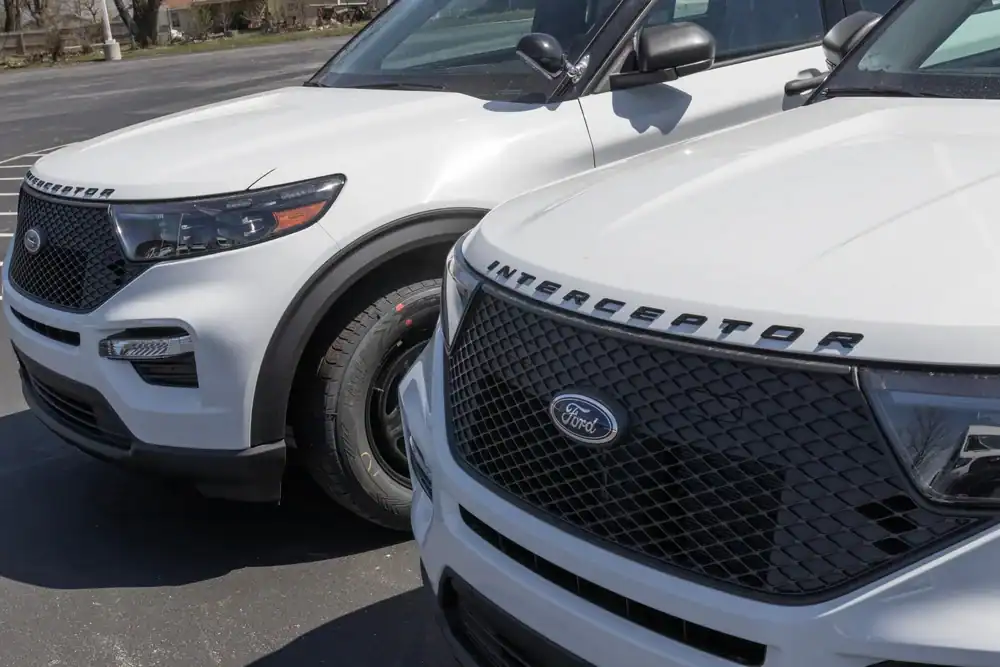
The Ford Police Interceptor Utility became America’s best-selling police vehicle for good reason. Ford captured 61% of the law enforcement market because these vehicles deliver on performance, durability, and capability. You’re looking at the same engineering that agencies trusted for high-stakes work.
Every police interceptor for sale in our inventory comes with features you won’t find on standard consumer models. The suspension is modified for better handling under stress. The cooling systems are upgraded to handle extended idle times and pursuit conditions. The electrical systems were built to power additional equipment. Even the seats and interior layout differ from what you’d find in a civilian Explorer.
In Altoona, where the average commute is under 19 minutes but winter weather demands capable vehicles, the standard all-wheel drive system on these Interceptors makes practical sense. You’re not paying extra for AWD—it’s already there. The intelligent all-wheel drive system adjusts power distribution based on conditions, which matters when you’re navigating Pennsylvania winters.
The engines available in these vehicles range from efficient EcoBoost options to high-output V6 configurations. Some models feature hybrid powertrains that deliver 318 hp and 322 lb-ft of torque while improving fuel economy. You’re getting performance engineering that was designed for agencies with serious operational demands, now available at prices well below retail equivalents.
One thing to understand: these vehicles were built differently. You might notice modified suspension geometry, alternate wheel configurations, or reinforced components in areas that civilian models don’t have. That’s intentional engineering for a specific purpose, and it’s part of what you’re buying.
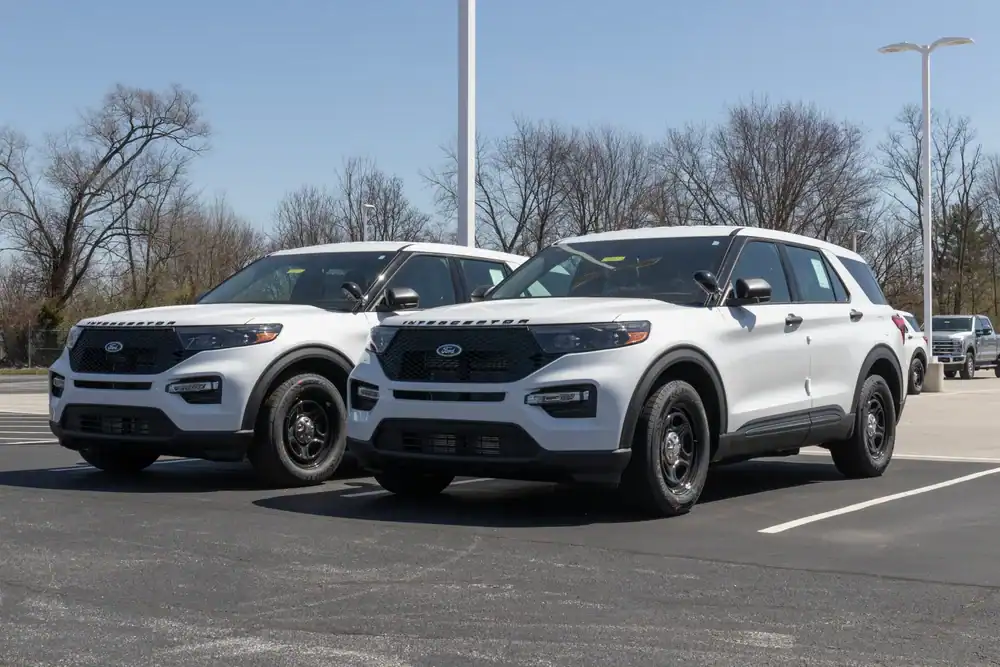
You’re seeing lower prices because these vehicles come with higher mileage and are sold as-is through surplus channels rather than retail dealerships. When agencies retire their fleets, they’re moving inventory quickly, not maximizing profit per vehicle.
The mileage is real—most Ford Interceptors for sale will show between 120,000 and 160,000 miles. But here’s what that number doesn’t tell you: police vehicles accumulate massive idle hours that don’t register on the odometer. An engine idling for eight hours during a shift adds wear without adding miles. That’s why condition varies significantly even among vehicles with similar odometer readings.
You’re also buying without the retail markup. Regular dealerships recondition vehicles, offer warranties, and build those costs into the price. Surplus sales skip that entire process. You get the vehicle in whatever condition it’s in, which means you’re taking on more risk but paying substantially less. For buyers who know what to look for or who have mechanical knowledge, that tradeoff makes financial sense.
Start with the basics: check all fluids, look for leaks, and listen to how the engine runs both cold and warm. Police vehicles idle extensively, so pay attention to how smoothly the engine operates at idle. Rough idling or unusual noises can indicate wear that needs addressing.
Inspect the interior carefully. Police work exposes vehicles to conditions civilian cars never see. Look for signs of excessive wear, check that all electrical components function properly, and be realistic about what you’re willing to accept. Some buyers don’t mind a worn interior if the mechanical components are solid. Others want something closer to civilian condition.
Test drive the vehicle in conditions similar to how you’ll actually use it. Take it on the highway to check transmission shifting and engine performance at speed. Drive it through neighborhoods to see how it handles at lower speeds. If you’re buying in winter, see how the all-wheel drive system engages. The Ford Explorer Police Interceptor for sale at our lot can be test-driven so you can make an informed decision.
Get a pre-purchase inspection if you’re not mechanically inclined. Spending $100-150 on an independent mechanic’s assessment can save you thousands in unexpected issues. These vehicles are sold as-is, so whatever problems exist become your responsibility once you buy.
The reliability depends entirely on how the specific vehicle was used and maintained during its service life. Ford built these vehicles to withstand demanding conditions, but not all agencies maintain their fleets equally. Some departments follow strict maintenance schedules and retire vehicles proactively. Others run them harder and longer.
What you’re getting is a vehicle with quality components. The brakes, suspension, cooling systems, and powertrains in police interceptors are upgraded beyond civilian specifications. That engineering matters. A Ford Police Interceptor Utility was designed to handle pursuit conditions, which means the fundamental build quality is higher than standard consumer models.
However, the mileage and usage patterns mean you’re buying a vehicle that’s been worked hard. Expect to address maintenance items sooner than you would with a lower-mileage civilian vehicle. Budget for things like brake replacements, suspension work, and general wear items. The good news is that these vehicles are relatively straightforward to work on, and parts availability is generally good since they share many components with civilian Ford Explorers.
Many buyers report years of reliable use after purchase, especially if they address any deferred maintenance early. You’re not buying a pristine vehicle, but you’re getting proven engineering at a price point that leaves room in your budget for necessary work.
Most insurance companies will cover former police vehicles, but some have specific policies about them. You’ll want to contact your insurance provider before you buy to confirm they’ll write a policy and understand what coverage looks like.
Some insurers treat these vehicles like any other used car. Others may have restrictions or require additional information about modifications. The key is being upfront about what you’re buying. Tell them it’s a retired police vehicle, mention any equipment that’s still installed, and ask specifically about coverage terms.
If your current insurer has concerns, shop around. Not all companies have the same policies regarding cop cars for sale. Some specialize in unusual or modified vehicles and are more comfortable with former law enforcement units. Getting quotes from multiple providers gives you options and helps you understand the real cost of ownership.
One thing to handle before you drive off: make sure any emergency lighting equipment is either removed or permanently disabled. Using emergency lights as a civilian is illegal, and having them installed can complicate insurance coverage. Most surplus vehicles have this equipment removed before sale, but verify that’s the case with whatever you’re buying.
The Ford Police Interceptor Utility shares the Explorer platform but includes significant modifications for law enforcement use. You’re looking at upgraded cooling systems designed to handle extended idling, reinforced suspension components for higher load capacity, and modified electrical systems to power additional equipment.
The engines available in Interceptor models often differ from civilian options. While some powertrains overlap, police-spec vehicles prioritize different performance characteristics. You might find calibrations tuned for better low-end torque or cooling systems designed for sustained high-speed operation. All-wheel drive is standard on Interceptors, not optional like it is on many civilian Explorers.
The interior layout is completely different. Police vehicles have reinforced seats, vinyl or easy-clean upholstery instead of cloth, and mounting points for equipment throughout the cabin. The rear seats often have limited adjustability and hard-surface materials designed for easier cleaning. You won’t find the comfort features or luxury touches that civilian models offer.
Safety engineering is also different. The Police Interceptor Utility is rated for a 75-mph rear-impact crash test—a standard that civilian vehicles don’t meet. That’s not just marketing; it’s actual structural reinforcement that makes these vehicles more robust in certain collision scenarios. You’re getting engineering that was built for worst-case scenarios, which translates to a more durable vehicle overall.
Expect odometer readings between 120,000 and 160,000 miles on most vehicles, though you’ll occasionally see units with lower or higher mileage depending on the agency’s rotation schedule. That mileage tells only part of the story because police vehicles accumulate extensive idle time that doesn’t show up on the odometer.
Condition varies widely. Some agencies maintain their fleets meticulously and retire vehicles before major issues develop. Others run their units until problems emerge, then surplus them. You might find a Ford Interceptor for sale that’s been well cared for and needs minimal work, or you might find one that requires immediate attention to deferred maintenance items.
Interior condition is usually the most variable aspect. Police work is hard on interiors. You’ll likely see wear on the driver’s seat, scuffs and marks throughout the cabin, and signs of heavy use. Some buyers view this as character; others see it as a deal-breaker. Be realistic about what you’re willing to accept before you start shopping.
Mechanically, focus on the major systems: engine, transmission, brakes, and suspension. These are the components that matter most for reliability and safety. Surface issues like interior wear or minor cosmetic damage are less critical if the vehicle is mechanically sound. In Altoona’s market, where practical value matters more than appearance, a vehicle with a worn interior but solid mechanics often represents the best deal.
Other Services we provide in Altoona