
Hear from Our Customers
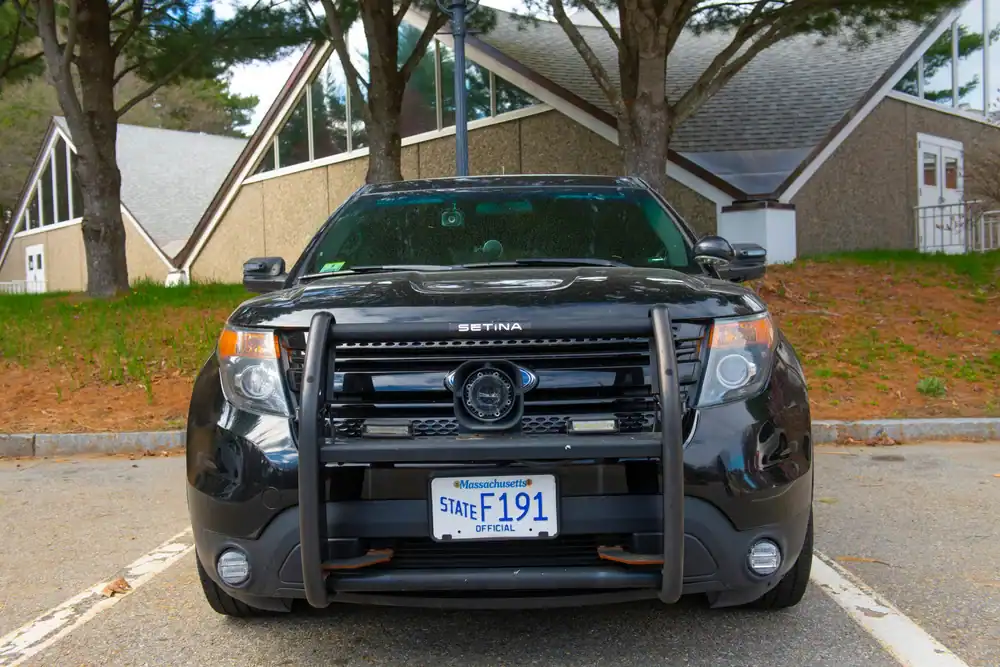
You’re looking at vehicles that were built different from day one. Ford Police Interceptor Utilities come with 3.0-liter EcoBoost V6 engines that hit 60mph in 5.8 seconds. That’s faster than most sports sedans you’d pay $40,000 for new.
The nationwide average price for a used police interceptor sits around $15,400. Compare that to a comparable civilian Ford Explorer starting above $36,000, and you’re saving real money without sacrificing what matters.
These aren’t stripped-down fleet vehicles. Standard all-wheel drive gives you traction year-round. Larger brake rotors and advanced ABS mean you stop when you need to. Reinforced frames and additional safety systems were designed to pass Ford’s 75mph rear-impact crash test, a standard most civilian vehicles never face.
You get space. Five passengers, generous cargo room, and a trunk that actually holds things. If you’re driving for rideshare, running a small business, or just need a vehicle that works as hard as you do, this checks the boxes without the new-car payment.
We don’t dabble. We sell used police cars, police interceptors, and retired cop cars. That’s it. No civilian vehicles. No repair shop. No side services.
Over 33 years, we’ve moved more than 35,000 vehicles. That kind of volume happens when you know your product and your buyers trust what you’re selling.
Bloomsburg’s median household income is around $49,000, with nearly 40% of households earning under $25,000. That means budget matters here. When you’re on a fixed income or trying to get a reliable second car without doubling your debt, a used police interceptor makes sense. You’re not settling. You’re buying smarter.
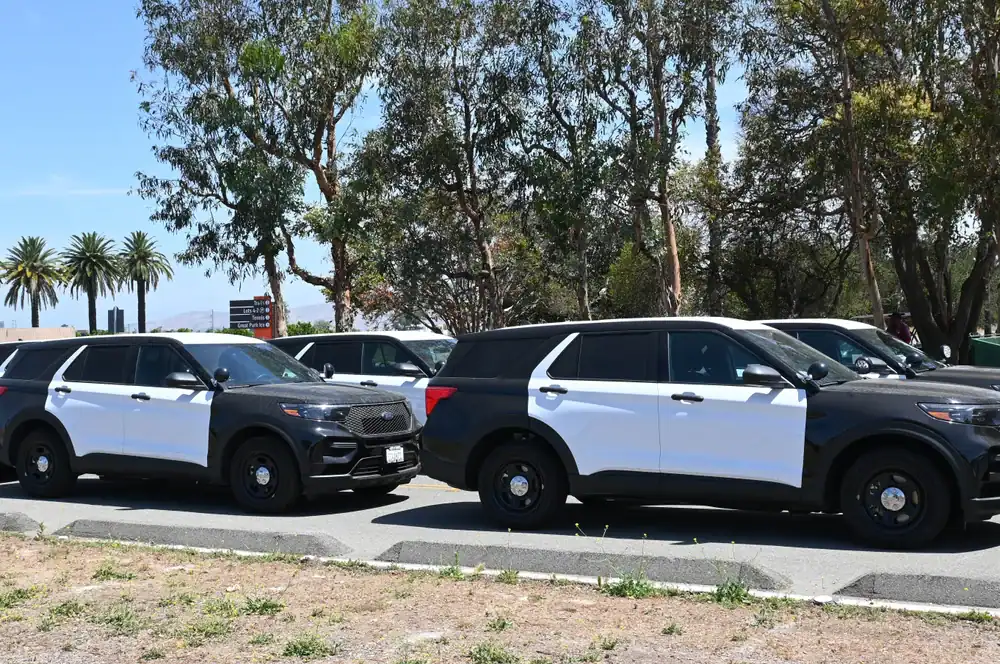
Most of our inventory comes from government agencies retiring their fleet vehicles. These departments maintain strict schedules—oil changes, brake inspections, tire rotations—all logged and documented. When a vehicle hits a certain mileage or age threshold, it gets decommissioned even if it’s still running strong.
You browse what’s available. Each listing shows the year, mileage, condition notes, and any known history. If something’s been in an accident or has specific wear, we note it. You’re not walking into surprises.
Once you find what you want, you buy it. Pricing is straightforward. No haggling over made-up fees or mystery charges. The price you see reflects the vehicle’s condition and market value for retired police units.
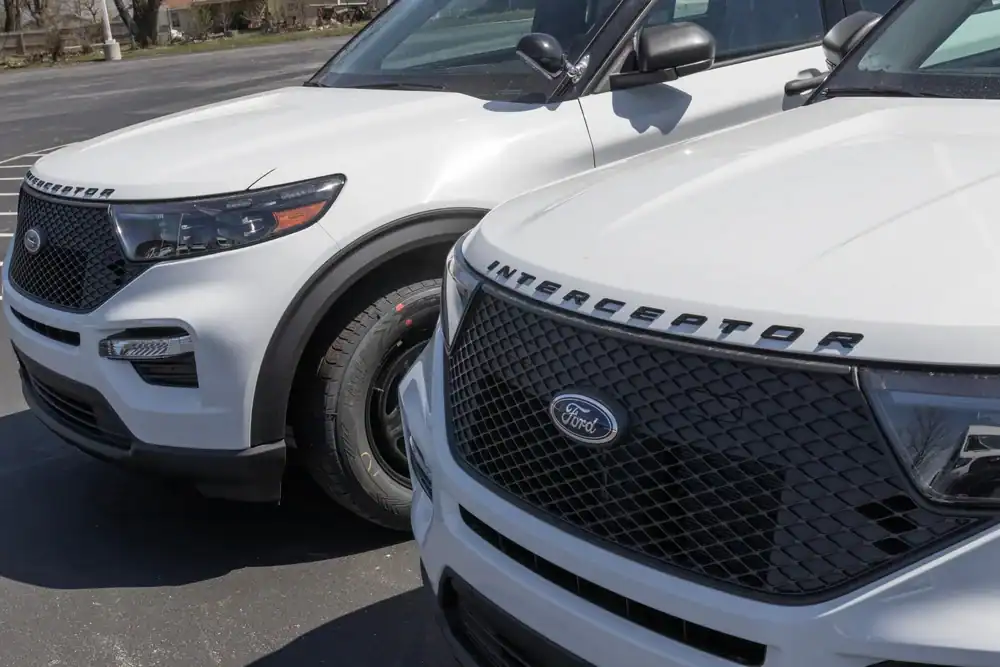
After purchase, the vehicle is yours. Title transfers like any used car sale. If you’re financing, that works too. You drive off in a Ford Explorer Police Interceptor that cost you half what the civilian version would have, with the same bones and better components under the hood.
Ready to get started?
Every Ford Police Interceptor Utility we sell comes with the factory upgrades law enforcement demanded. Heavy-duty alternators. Reinforced suspension. Stronger steel wheels rated for pursuit driving. Upgraded cooling systems designed for idling during long shifts.
You’re also getting vehicles that were spec’d for durability, not comfort gimmicks. Fuel lines, shocks, and brake systems are built for severe duty cycles. That means they last longer under normal driving conditions than their civilian counterparts.
In Bloomsburg, where winter weather hits hard and roads take a beating, all-wheel drive isn’t a luxury—it’s practical. These Interceptors come standard with AWD, giving you confidence when conditions get rough.
Parts availability is another advantage. Because Ford Police Interceptors share platforms with civilian Explorers and Tauruses, replacement parts are easy to find at most auto shops or salvage yards. You’re not hunting down specialty components or paying dealer-only prices.
The market for police vehicles is growing. Industry projections show the sector expanding from $100 million in 2023 to nearly $150 million by 2031. That growth reflects what buyers already know: decommissioned police cars offer value that’s hard to beat in today’s inflated vehicle market.
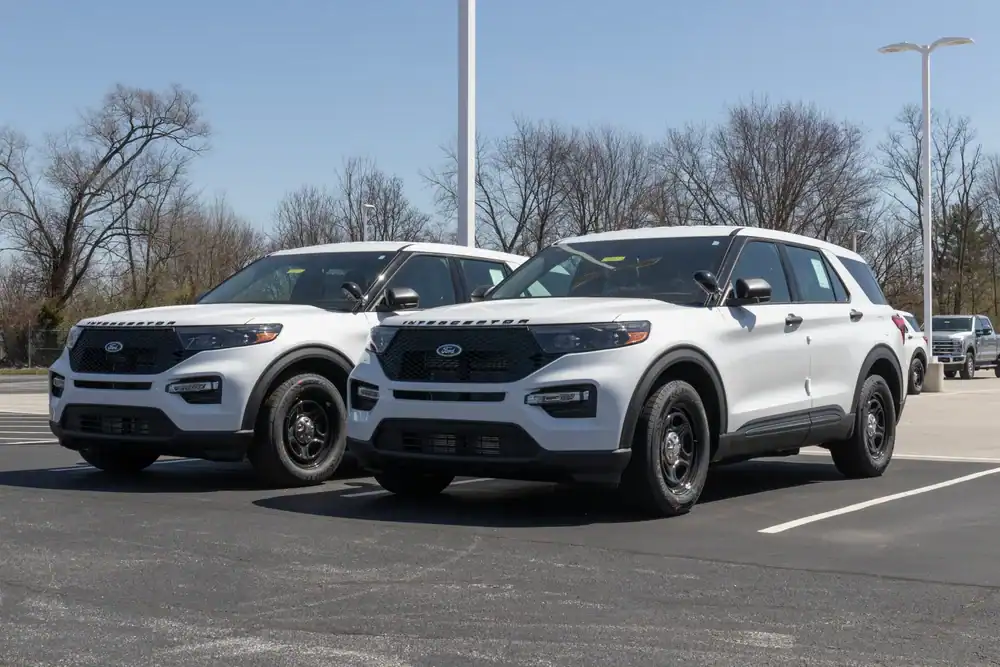
Pricing for used police cars generally falls between $5,000 and $15,000 depending on mileage, year, and condition. The nationwide average sits around $15,400 for a Police Interceptor Utility.
Compare that to new civilian models. A new Ford Explorer starts above $36,000. Even used civilian Explorers with similar mileage often run $20,000 or more. You’re looking at real savings—sometimes half the cost—for a vehicle with better components.
The reason for the price gap isn’t hidden damage or problems. It’s simple supply and demand. Government agencies retire vehicles on schedules, flooding the market with inventory. Buyers who understand what they’re getting can capitalize on that.
Yes, if you buy from a source that’s transparent about condition and history. Police departments run strict maintenance schedules because breakdowns aren’t an option during shifts. Regular oil changes, brake checks, and system inspections are standard.
The wear patterns are different than civilian use. Police vehicles idle more, which is easier on engines than constant highway driving. They also see more stop-and-go, which can stress brakes and suspension. That’s why departments install heavy-duty components from the factory.
When you buy a used cop car, you’re getting a vehicle that was built tougher and maintained consistently. Parts like alternators, cooling systems, and suspension are rated for severe duty. Under normal daily driving, those components outlast what you’d find in a standard consumer vehicle. Just check the service records and know what you’re buying.
The Police Interceptor Utility is based on the Ford Explorer platform, but it’s not the same vehicle. Ford adds performance and durability upgrades specifically for law enforcement use.
Engine options include a 3.0-liter EcoBoost V6 that Michigan State Police tested at 0-60mph in 5.8 seconds—faster than most civilian SUVs. You also get upgraded brakes with larger rotors, heavy-duty alternators to handle equipment loads, and reinforced frames designed to pass a 75mph rear-impact crash test.
Suspension is stiffer and built for pursuit driving. Cooling systems are enhanced for extended idling. Steel wheels are stronger. All-wheel drive comes standard, not as an option. These aren’t cosmetic changes. They’re functional upgrades that affect how the vehicle performs and how long it lasts. When you buy a used police interceptor, those upgrades come with it at a fraction of the original cost.
No. Parts availability is actually one of the biggest advantages of buying a Ford Police Interceptor.
These vehicles share platforms with civilian models. A Police Interceptor Utility uses the same base as a regular Ford Explorer. That means most parts—brake pads, filters, belts, sensors—are identical to what you’d find on the civilian version.
You can walk into any auto parts store or search online retailers and find what you need. Salvage yards carry compatible parts because Explorers are common. You’re not stuck ordering specialty law enforcement components or paying dealer-only prices.
The heavy-duty upgrades like alternators or suspension parts might be slightly different, but they’re still widely available. Ford produced tens of thousands of Police Interceptors, and aftermarket suppliers stock what’s needed. You won’t be waiting weeks for a part or paying a premium because it’s “rare.”
Start with mileage and service records. Police vehicles rack up miles, but how those miles were driven matters. Highway patrol units see more steady highway driving. City units idle more and do more stop-and-go. Both are fine—you just want to know what you’re getting.
Check for service documentation. Departments that maintain records will show regular oil changes, brake work, and inspections. If records aren’t available, that’s not an automatic red flag, but it means you should inspect more carefully.
Look at the condition of wear items. Brakes, tires, and suspension components take the most abuse. If those have been recently replaced, that’s a plus. If they’re worn, factor replacement costs into your budget.
Ask about accident history. Some police vehicles have been in minor incidents. That’s not necessarily a dealbreaker, but you want to know if frame damage or major repairs were done. A clean history is ideal, but transparency matters more than perfection.
Finally, consider what you need the vehicle for. If you’re driving for Uber, hauling equipment, or just need a reliable daily driver, a used police interceptor checks those boxes. If you want luxury features and a quiet ride, look elsewhere. Know what you’re buying and why it fits your situation.
Departments retire vehicles based on age, mileage thresholds, or budget cycles—not because the vehicles are worn out. A common retirement point is around 100,000 miles or after a set number of years in service, even if the vehicle runs fine.
Government fleet management prioritizes predictability. Keeping vehicles past a certain point increases the risk of breakdowns during critical situations. It’s easier to replace on a schedule than to deal with an unexpected failure.
Budget cycles also play a role. When new funding comes in, departments upgrade their fleets. The old vehicles get auctioned or sold to surplus dealers, creating inventory for the used market.
These aren’t vehicles that failed inspections or couldn’t pass safety standards. They’re vehicles that hit an administrative threshold. Many still have plenty of life left, especially under normal civilian driving conditions. That’s why buyers who know what they’re looking at can find serious value in the used police car market.
Other Services we provide in Bloomsburg