
Hear from Our Customers
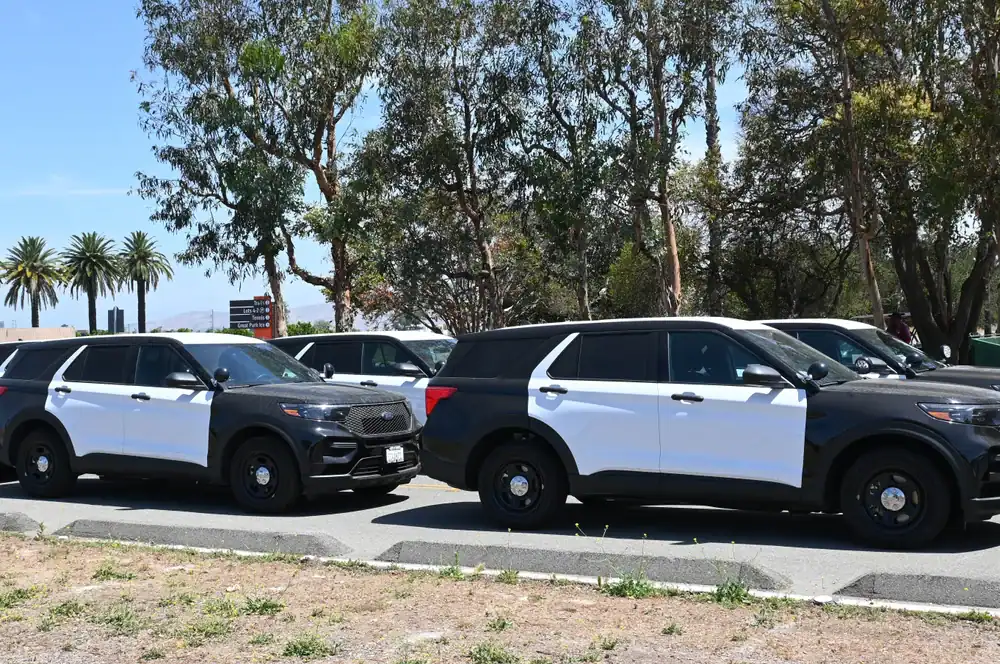
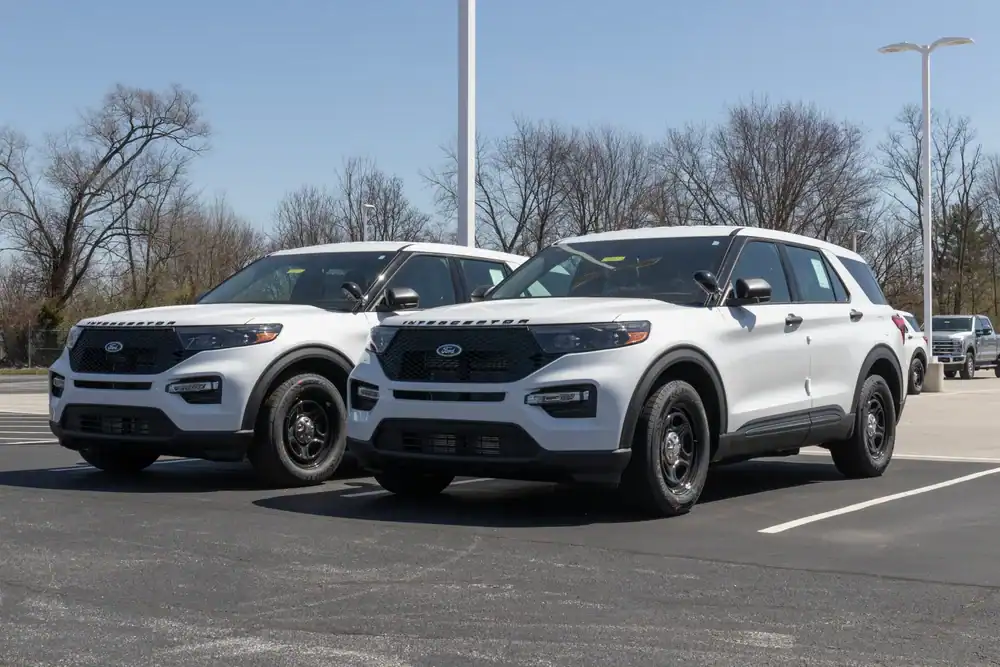
You’re not buying someone’s weekend project or a sedan that’s been through three owners and zero maintenance records. You’re looking at a Ford police interceptor utility that was built to handle pursuit driving, prolonged idling, and high-stress situations most civilian vehicles never see.
These aren’t stripped-down fleet cars. The Ford Explorer police interceptor comes standard with all-wheel drive, reinforced frames, upgraded brakes, and cooling systems designed to perform under pressure. That’s not marketing language—that’s what happens when a vehicle has to pass a 75 mph rear-impact crash test before it ever sees a badge.
You get a cop car for sale that’s been maintained on a schedule, not whenever the check engine light finally stays on. Law enforcement agencies don’t skip oil changes or ignore brake wear. They document everything, and you can request those records before you buy.
We don’t dabble in used police cars for sale as a side inventory. This is what we do. Every vehicle on our lot is a police interceptor for sale, and every conversation you have here is with someone who knows the difference between a 3.3L hybrid and a 3.0L EcoBoost—and why that matters to you.
We’re based in Chambersburg, PA, serving buyers who want performance, durability, and transparency. You’re not walking into a lot where half the sales team doesn’t know what all-wheel drive actually does. You’re talking to people who’ve seen these vehicles come off duty and know exactly what to look for.
If you’ve been burned by buy-here-pay-here schemes or dealers who never hand over legitimate paperwork, you already know what we’re not. We’re the place you go when you’re done guessing.
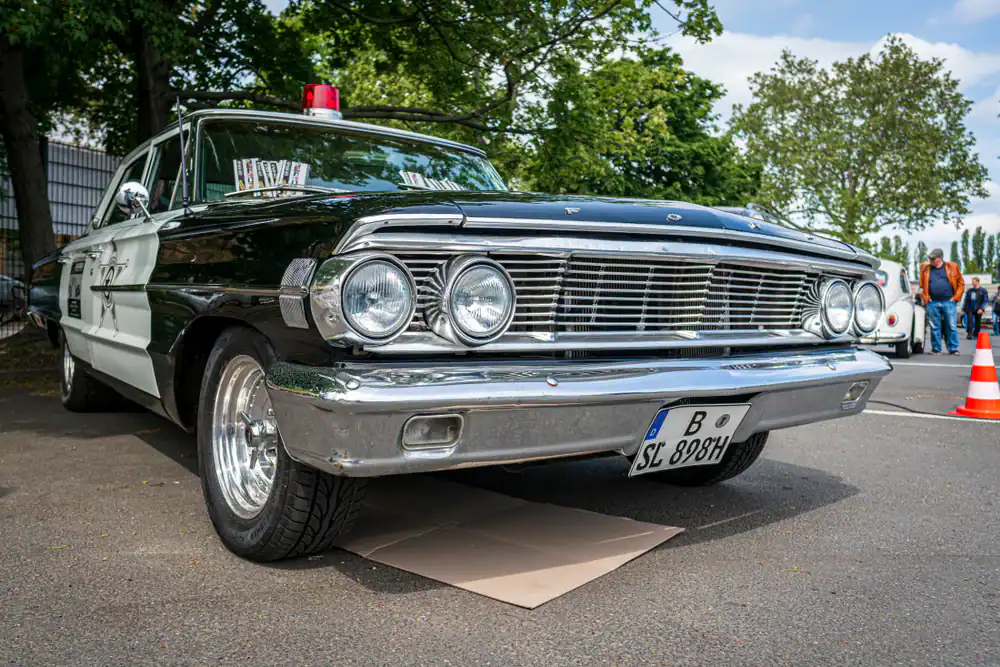
You start by looking at what’s available. We keep our inventory updated with used cop cars for sale that meet our standards—mileage, condition, service history. If you see a Ford Crown interceptor or Ford Explorer police interceptor listed, it’s here and it’s ready to show.
You come in, you look at the vehicle, and you ask questions. We’ll walk you through the service records, explain what kind of duty it saw, and show you what’s been replaced or upgraded. You’re not getting a sales pitch—you’re getting the information you need to make a decision.
Once you’ve picked your vehicle, we handle the paperwork. You’re not waiting weeks for a title that may never show up. You leave with documentation that’s legitimate, complete, and ready to register. That’s the part most people don’t think about until it becomes a problem—and by then, it’s too late.
Ready to get started?
The Ford police interceptor utility isn’t a rebadged Explorer with a spotlight. It’s a purpose-built vehicle with a hybrid powertrain standard on most models—318 horsepower, 322 lb-ft of torque, and a system designed for the kind of idling and stop-and-go work that kills civilian engines.
All-wheel drive isn’t an option you pay extra for. It’s standard, and it’s calibrated specifically for pursuit driving. That means better handling stability, improved traction, and a drivetrain that’s been tested under conditions your daily commute will never come close to matching.
You’re also getting safety features that don’t exist on the civilian side. Reinforced door frames, advanced braking systems, additional airbags, and a frame designed to survive impacts that would total a standard SUV. Chambersburg winters aren’t gentle, and neither are the roads once you get outside town. You want a vehicle that’s built for worse than what you’ll put it through.
The nationwide average price for a Ford Utility Police Interceptor sits around fifteen thousand dollars. You’re looking at vehicles that start as low as thirty-five hundred, depending on mileage and condition. Compare that to a civilian SUV with similar specs, and you’ll see why police impound cars for sale and used interceptors have become the go-to for buyers who know what they’re looking at.
Yes, and here’s why that’s not just a sales answer. Police vehicles are maintained on strict schedules because agencies can’t afford downtime. Oil changes, brake inspections, fluid checks—they happen on time, every time, and they’re documented.
What you’re buying is a vehicle that’s been used hard but maintained harder. That’s different from a civilian car that might have been driven gently but serviced whenever the owner felt like it. Police interceptors are built with heavy-duty alternators, reinforced suspension components, and cooling systems designed to handle prolonged idling and high-speed driving.
The mileage might look high compared to a typical used car, but highway miles and idle hours don’t wear an engine the same way city stop-and-go does. You’re getting a Ford Explorer police interceptor that’s been tested under real-world stress and kept running by people who depend on it. That’s a different kind of reliability than what you’ll find on most used lots.
The Ford police interceptor utility is engineered specifically for law enforcement, and that means changes you can’t get on a civilian model. All-wheel drive is standard, not optional. The suspension is reinforced. The brakes are upgraded. The cooling system is built to handle extended idling without overheating.
You’re also getting a vehicle that’s passed Ford’s 75 mph rear-impact crash test—a standard that no other manufacturer tests to. The frame is reinforced, the doors have supplemental tethers, and the safety systems are designed for worst-case scenarios that most drivers will never experience.
The powertrain is different too. Most models come with a 3.3L hybrid system that delivers 318 horsepower and better fuel efficiency than the standard V6. If you’re looking at an older model or a specific configuration, you might see a 3.0L EcoBoost with 400 horsepower. Either way, you’re getting performance that’s been validated through Michigan State Police testing and real-world use across thousands of agencies.
Yes, but it depends on the lender and the vehicle’s condition. Some banks treat police interceptors the same as any used vehicle. Others have restrictions based on mileage, age, or previous use. We’ve worked with buyers who financed through their credit union, local banks, and online lenders.
The key is finding a lender who understands what they’re financing. A Ford Interceptor for sale isn’t a salvage title or a rebuilt wreck—it’s a professionally maintained vehicle with documented service history. That makes a difference when you’re applying for a loan.
If you’ve been dealing with subprime auto financing or buy-here-pay-here lots, you already know how that ends. We don’t do in-house financing, but we’ll work with whatever lender you bring. You handle your financing, we handle the vehicle and the paperwork. Clean title, legitimate documentation, no surprises six months later when you try to register it.
It’s not just about the odometer—it’s about how those miles were put on and how the vehicle was maintained. A police interceptor with 100,000 highway miles and documented service is a better buy than a civilian SUV with 60,000 city miles and no records.
Police vehicles rack up idle hours, which don’t show on the odometer but do affect engine wear. That’s why agencies use hybrid models—the 3.3L hybrid system reduces idle wear and improves longevity. When you’re looking at a used cop car for sale, ask about service records, not just mileage.
Most of the vehicles we sell fall between 60,000 and 120,000 miles. That’s the sweet spot where you’re getting a proven vehicle at a price that makes sense. These aren’t 200,000-mile fleet cars on their last legs. They’re interceptors that have been retired from active duty but still have plenty of life left—especially if you’re not running Code 3 to every grocery store.
Start with the service records. If a dealer won’t show you maintenance history, walk away. You want to see oil changes, brake work, fluid services—proof that the vehicle was maintained, not just driven.
Check the interior for wear. Police vehicles get used hard, and the seats, door panels, and center console will show it. That’s cosmetic, and it’s fixable. What you can’t fix easily is a transmission that’s been abused or a cooling system that’s been ignored. Look for signs of fluid leaks, listen for unusual noises, and take it for a test drive that includes highway speeds and hard braking.
Ask about the vehicle’s duty. Was it a highway patrol car that saw mostly interstate miles? Or was it a city unit that spent half its life idling in parking lots? That context matters. Also ask if any equipment has been removed—light bars, sirens, radio mounts. Most of that comes out before sale, but you want to know what’s been done and whether it was done right.
Because most buyers don’t know what they’re looking at. They see “former police vehicle” and assume it’s been beaten to death. They see higher mileage and walk away without asking about service history or how those miles were accumulated.
That perception gap is why you can buy a Ford Explorer police interceptor with all-wheel drive, a reinforced frame, upgraded brakes, and a hybrid powertrain for thousands less than a civilian model with fewer features. The vehicle is objectively better—it’s just been used in a way that scares off buyers who don’t understand the difference between hard use and poor maintenance.
Depreciation also works in your favor. Police vehicles are sold at auction or through surplus sales, which means we aren’t paying retail and don’t need to charge it. You’re getting a vehicle that was spec’d for performance and durability, maintained by professionals, and priced based on market perception instead of actual value. If you know what you’re buying, that’s an advantage.
Other Services we provide in Chambersburg