
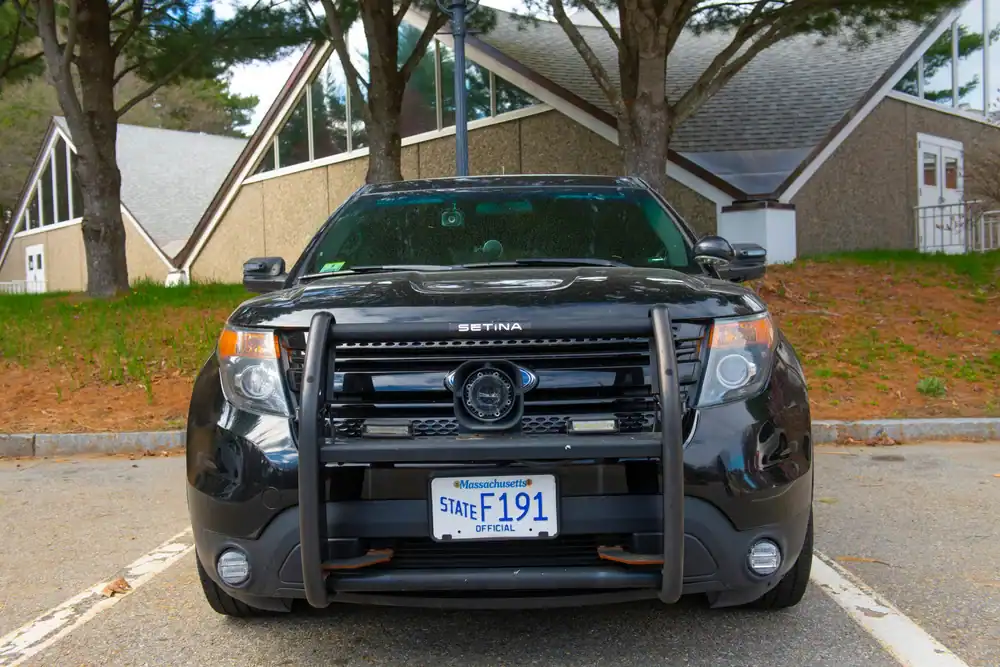
Hear from Our Customers
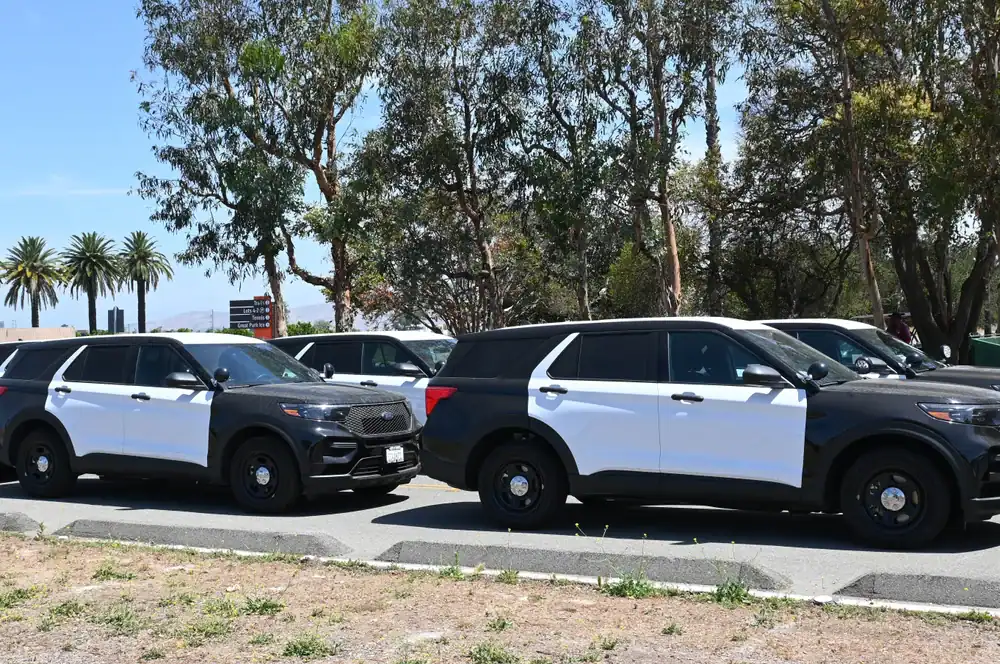
You’re not looking to overpay for a badge and a warranty book. You want a vehicle that delivers actual capability—something built for high-speed response, extended idling, and severe duty cycles. The Ford Police Interceptor Utility gives you that, typically for $5,000 to $15,000, while comparable civilian SUVs start above $20,000.
These aren’t civilian Explorers with a light bar bolted on. The police interceptor utility comes with a 3.0L EcoBoost V6 pushing 400 horsepower and 415 lb-ft of torque. Standard intelligent AWD. Heavy-duty suspension and cooling systems. A top speed of 148 mph that outperforms most V8 competitors. You’re getting engineering designed for pursuit driving, not grocery runs.
What you’re really buying is durability. Reinforced frames. High-output electrical systems. Stronger steel wheels. These vehicles were maintained by municipal fleets with regular inspections and documented service intervals. Most are decommissioned between 75,000 and 100,000 miles—not because they’re worn out, but because departments cycle inventory. You’re getting a vehicle in its prime at a fraction of retail cost.
We don’t dabble in used police cars as a side inventory. It’s all we do. Every Ford Interceptor, every Explorer police interceptor, every retired cop car on our lot comes from municipal and government fleets. We know these vehicles because we’ve specialized in them exclusively.
East Meadow buyers appreciate straight answers. With a median household income of $128,770 and 44% of households earning over $150,000, you have options. You’re here because you recognize value when you see it. The average household in this area owns two cars—you understand what vehicles cost and what they should deliver.
We’re not here to upsell you into something you don’t need. You’ll find our inventory clearly listed, our pricing transparent, and our knowledge specific to the Ford police interceptor utility platform. No financing gimmicks. No pressure tactics. Just retired law enforcement vehicles ready for civilian use.
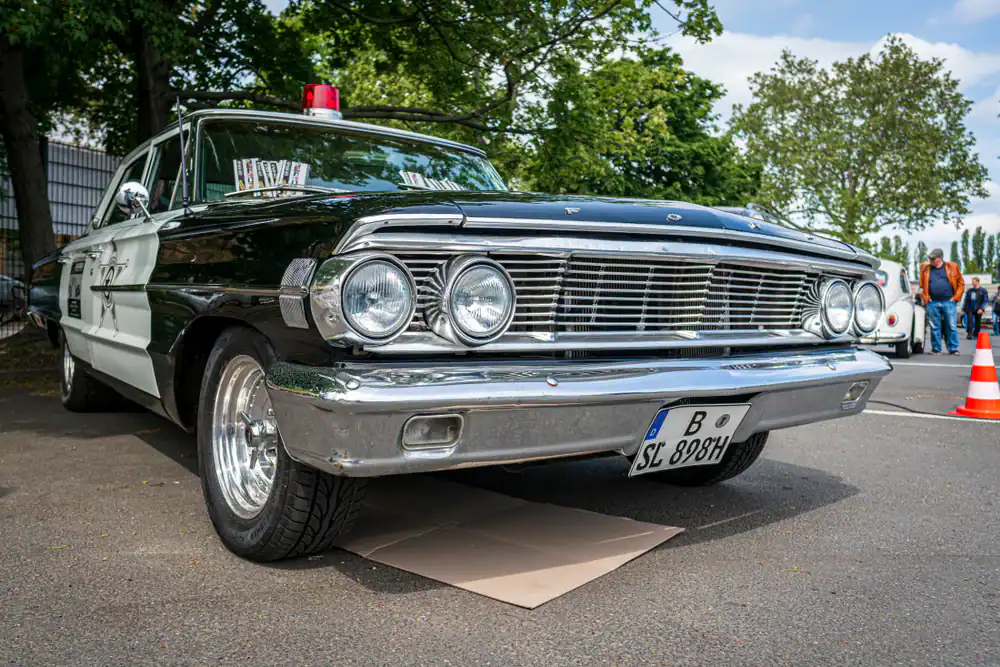
Start by browsing our current inventory of Ford Interceptors and police interceptor utilities. Each listing includes mileage, year, and available service records. Most of our vehicles come from New York state and regional municipal departments, so you’re seeing local fleet vehicles, not auction unknowns from across the country.
Once you identify a vehicle you’re interested in, come see it in person. These are used cop cars—they’ll have wear consistent with law enforcement use. We don’t hide that. What you won’t find is mystery damage or undisclosed issues. The vehicle you see is the vehicle you’re buying.
Financing is available if you need it, though many East Meadow buyers pay outright given the lower price point. We handle title transfer and registration. Most buyers drive off the same day or within 48 hours. If you’re coming from Nassau County or elsewhere on Long Island, the process is straightforward—no multi-day dealer negotiations or back-office surprises.
You’re buying a decommissioned police vehicle. It’s been used hard in some ways—idling, quick acceleration—but maintained better than most civilian vehicles ever are. That’s the trade. You get a pursuit-rated SUV with performance engineering at a price point that makes sense.
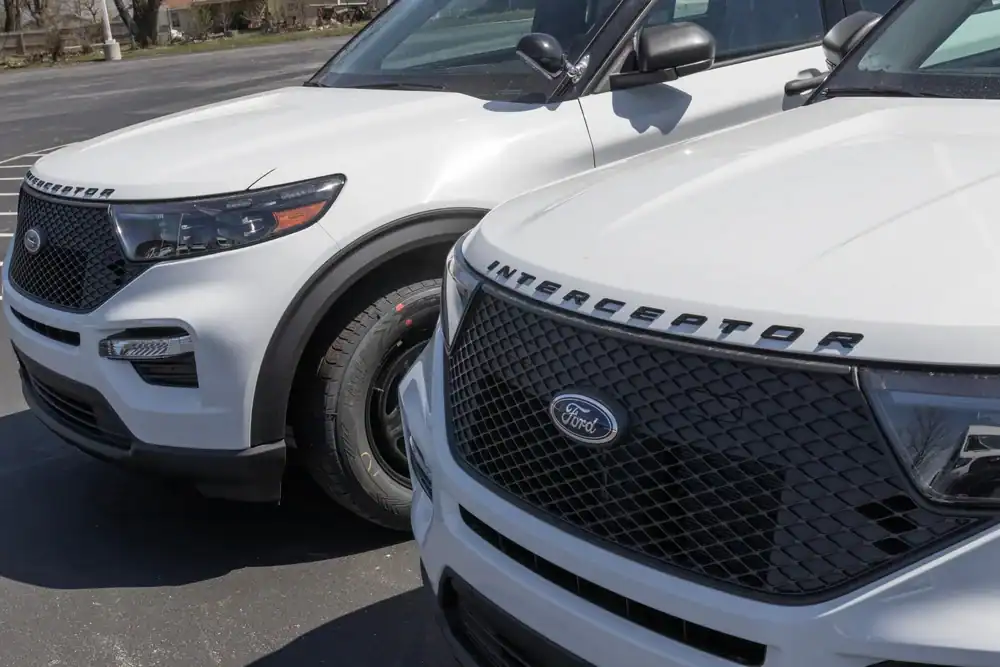
Ready to get started?
Every Ford Explorer police interceptor comes standard with intelligent AWD—not the part-time system in civilian models, but a full-time setup engineered for pursuit driving. You’re getting improved handling and traction in conditions where civilian SUVs would struggle. That’s not marketing language. It’s a functional difference in how the vehicle responds.
The 3.0L EcoBoost engine delivers 400 horsepower. For context, that’s more power than most V8 SUVs from the same model years, in a lighter, more efficient package. The police interceptor utility was built to outrun threats, not merge onto the LIE. You’re benefiting from that engineering every time you drive it.
Durability upgrades include heavy-duty alternators, enhanced cooling systems for extended idling, reinforced suspension components, and upgraded braking systems. These aren’t cosmetic. They’re functional improvements that extend vehicle life under stress. Used car prices have been dropping throughout 2024, and the Ford Explorer police interceptor has decreased 6.4% year-over-year. You’re buying at a better time than you would have 12 months ago.
Long Island’s used car market remains strong, but inventory is shifting. With 40% of used car buyers now purchasing online and that number expected to exceed 50% by 2025, having a specialized dealer matters. You’re not scrolling through generic listings. You’re looking at a curated inventory of police interceptor utilities from someone who knows the platform.
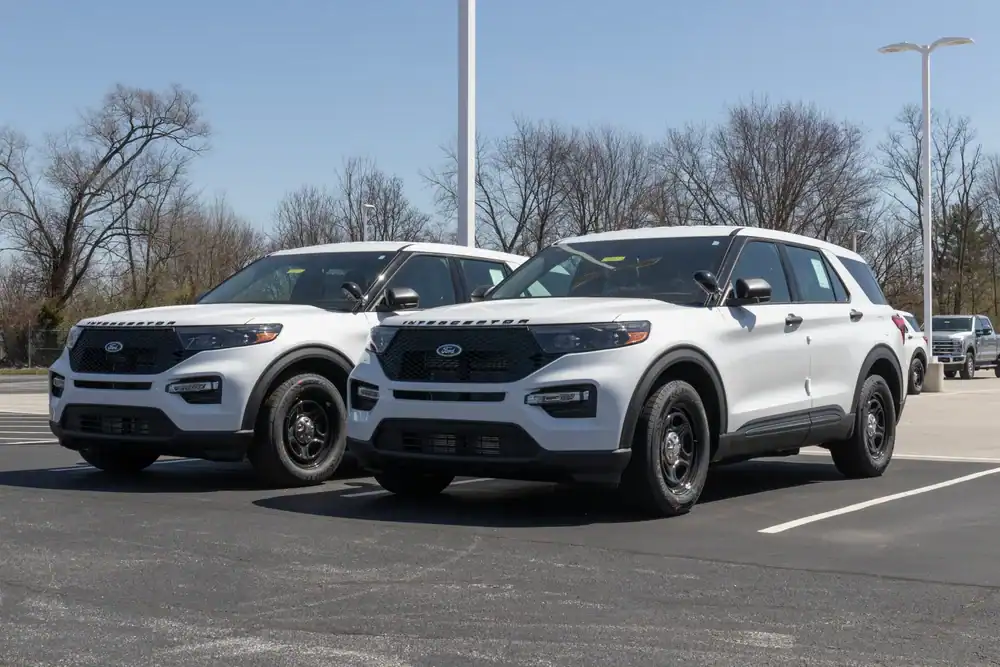
Yes, if you understand what you’re buying. A used Ford police interceptor utility typically costs between $5,000 and $15,000. A comparable civilian Ford Explorer from the same year starts above $20,000, often closer to $25,000 depending on mileage and condition. You’re saving $10,000 or more for a vehicle with better performance specs.
The catch is wear patterns. Police vehicles idle for extended periods, experience hard acceleration, and accumulate mileage faster than civilian use. But they’re also maintained on strict schedules with documented service intervals. Most are decommissioned between 75,000 and 100,000 miles—not because they’re failing, but because departments rotate inventory. You’re getting a well-maintained vehicle at the point where civilian owners are just getting started.
The performance advantage is real. The 3.0L EcoBoost in the police interceptor utility produces 400 horsepower and 415 lb-ft of torque. It reaches a top speed of 148 mph and outperforms many V8 competitors. Standard AWD, heavy-duty suspension, reinforced frames—these aren’t add-ons. They’re built into every police interceptor. You’re not paying for them twice.
The Ford Police Interceptor Utility isn’t a civilian Explorer with lights added. It’s a purpose-built variant engineered specifically for law enforcement. The differences start with the powertrain—standard 3.0L EcoBoost V6 with 400 horsepower versus civilian options that often produce significantly less. The AWD system is pursuit-rated, meaning it’s designed for high-speed driving and aggressive maneuvering, not occasional bad weather.
Structural differences include a reinforced frame, upgraded cooling systems for extended idling, heavy-duty suspension components, and enhanced braking systems. The electrical system is built to handle high-output accessories—light bars, radios, computers—without taxing the alternator. Steel wheels are stronger than civilian alloy options. The vehicle is crash-tested to police-specific standards, including a 75-MPH rear-impact test that no civilian vehicle undergoes.
You’ll also notice interior differences. Police interceptors often have vinyl or heavy-duty cloth seats instead of leather. Rear door handles may be removed or disabled. There’s usually evidence of equipment mounting—holes, brackets, wiring. These are cosmetic issues, not functional ones. The vehicle’s capability remains unchanged. What you’re buying is the engineering underneath, not the trim package on top.
Most Ford Interceptors are decommissioned between 75,000 and 100,000 miles, though some departments run vehicles longer depending on budget cycles. You’ll occasionally see units with 120,000 to 160,000 miles, particularly from larger municipal fleets. The mileage itself isn’t the full story—how those miles were accumulated matters more.
Police vehicles idle extensively. A unit might show 80,000 miles but have significantly more engine hours than a civilian vehicle with the same odometer reading. That’s harder on some components—cooling systems, alternators—but easier on others. Police interceptors aren’t typically used for long highway commutes. They’re driven in shorter bursts with frequent stops. The wear pattern is different, not necessarily worse.
What offsets the mileage concern is maintenance. Municipal fleets operate on strict service schedules with documented intervals. Oil changes, brake inspections, fluid replacements—these happen on time, every time. A police interceptor with 90,000 miles has likely been maintained better than a civilian SUV with 60,000 miles owned by someone who stretched oil changes and skipped inspections. You’re buying a vehicle that’s been used hard but cared for properly. That’s a better starting point than most used vehicles offer.
Financing is available for used police interceptors, though terms vary based on the vehicle’s age and mileage. Most lenders treat these the same as any used vehicle purchase. If the Ford Explorer police interceptor you’re looking at is within their acceptable year and mileage range, financing works the same way it would for a civilian model.
The challenge comes with older or higher-mileage units. Some lenders cap financing at vehicles under 10 years old or under 100,000 miles. If you’re looking at a 2014 model with 120,000 miles, you may need to pay cash or seek alternative financing. Interest rates remain higher than they were a few years ago, which keeps some buyers out of the market even as prices drop. That’s industry-wide, not specific to police vehicles.
Many East Meadow buyers pay cash given the lower price point. When you’re spending $8,000 to $12,000 instead of $25,000, financing becomes less necessary. If you do need financing, we work with lenders familiar with retired law enforcement vehicles. They understand the platform and don’t treat these as high-risk purchases. Bring your pre-approval if you have it, or we can discuss options when you visit.
Start with the basics—check for fluid leaks, listen for unusual engine noise, test the transmission through all gears. Police interceptors idle extensively, so pay attention to how the engine runs at idle. Rough idling or excessive vibration can indicate worn motor mounts or ignition issues. These aren’t deal-breakers, but they’re negotiating points.
Inspect the suspension and steering components. Police vehicles experience hard use—potholes at speed, aggressive cornering, frequent braking. Look for worn bushings, leaking shocks, or uneven tire wear. The brakes should feel firm and responsive. If the pedal feels soft or the vehicle pulls to one side, the brake system needs attention. Again, not uncommon, but something to address.
Check the interior for equipment damage. Holes drilled for mounting brackets, cut wiring, removed panels—these are cosmetic issues but indicate how thoroughly the vehicle was de-equipped. Some departments remove everything cleanly. Others leave a mess. Look at the electrical system. If lights flicker or accessories don’t work, there may be wiring issues from equipment removal. Most police interceptors have service records available. Ask for them. You want to see documented maintenance, not just a clean title. A vehicle with records is worth more than one without, even at the same mileage.
Auctions sound appealing until you attend one. You’re bidding against dealers, exporters, and other buyers who know these vehicles better than you do. Inspections are limited—often just a walk-around with no test drive, no service records, and no guarantee the vehicle runs properly. You’re buying as-is with no recourse if you discover issues after purchase.
Pricing at auctions isn’t always better. Popular models like the Ford Police Interceptor Utility drive competitive bidding. Add buyer’s fees, transportation costs, and title processing, and you’re often close to dealer pricing anyway. The difference is risk. At auction, you’re gambling. At a dealer, you’re buying a vehicle you’ve inspected, test-driven, and verified.
We handle title transfer, registration, and any immediate issues that surface. If something’s wrong with the vehicle, we address it before you drive off. That’s not altruism—it’s basic business sense. We want repeat customers and referrals, not disputes. You’re paying slightly more than auction pricing for significantly less risk. For most buyers, especially those without mechanical expertise, that’s a worthwhile trade. You’re getting the same vehicles that go through auctions, but with transparency and recourse if something goes wrong.
Other Services we provide in East Meadow