
Hear from Our Customers
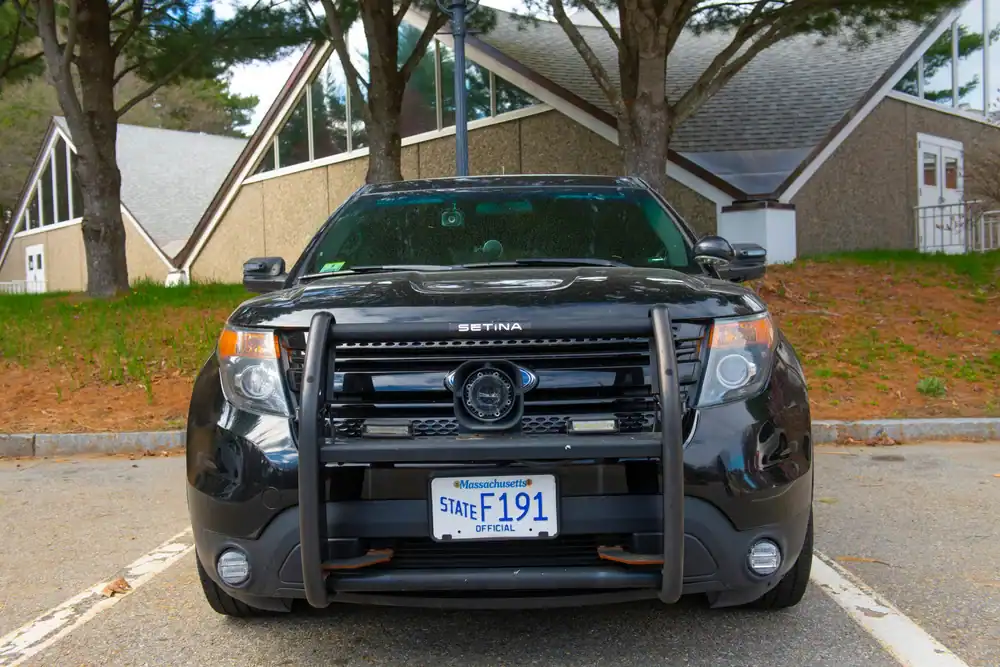
You’re looking at vehicles that were built for high-speed pursuits, rough roads, and 24/7 operation. That means reinforced frames, upgraded brakes, heavy-duty suspensions, and engines designed to handle serious stress. These aren’t luxury cars, but they’re engineered to outlast most civilian vehicles on the road.
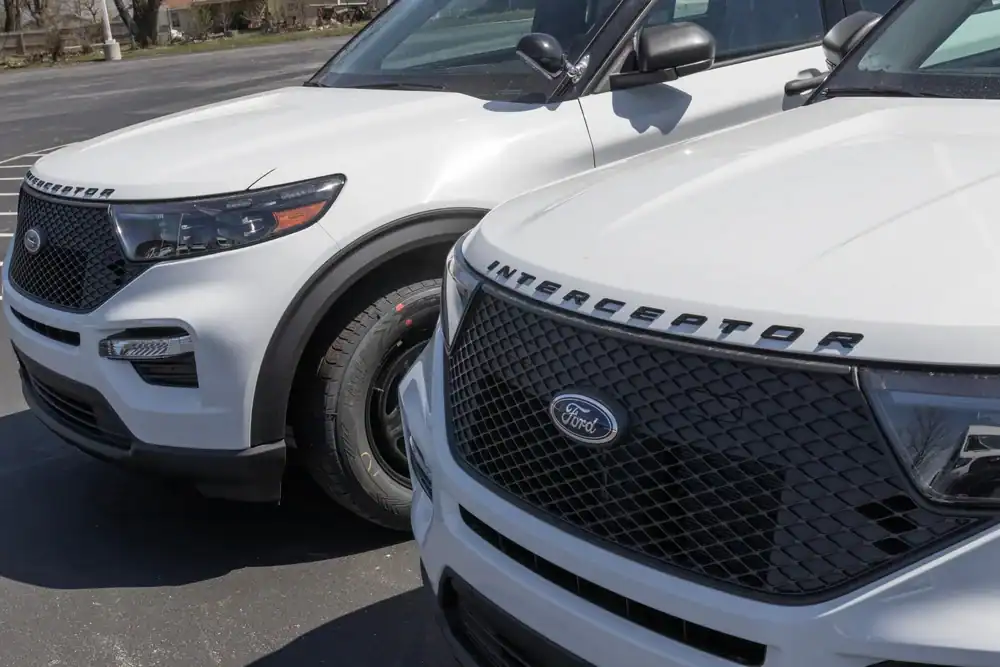
The Ford Police Interceptor Utility and Ford Explorer Police Interceptor dominate law enforcement fleets for a reason. Ford holds over 60% of the police vehicle market because departments trust these vehicles to perform when it matters. You’re buying the same durability they rely on, just without the light bar.
Expect to pay between $5,000 and $15,000 for a solid, running Ford Interceptor. Compare that to $20,000+ for a comparable civilian SUV or sedan, and you’re looking at real savings. Yes, these vehicles come with higher mileage—usually 100,000 to 150,000 miles—but they’re maintained by municipal fleets with strict service schedules. You’re not buying someone’s neglected trade-in.
We started State Surplus Auto Sales in 2003. Our founder, Carmen Yannuzzi, is a law enforcement officer with over 25 years on the job. He saw well-maintained government vehicles going to auction and realized they’d make excellent, affordable transportation for people who needed reliable wheels without the new-car price tag.
We’re not a typical used car lot. We specialize exclusively in retired police vehicles—Ford Interceptors, Dodge Chargers, and other former fleet cars. No repairs, no reconditioning services, just straight sales of vehicles that were built tough and maintained regularly during their service life.
Rochester drivers come to us because we offer 0% interest financing to everyone. Your credit score doesn’t matter. You’re not getting hit with 8-12% interest rates that make a $10,000 car cost $15,000 by the time you’re done paying. We keep it simple and affordable, which is the whole point of buying a used police car in the first place.
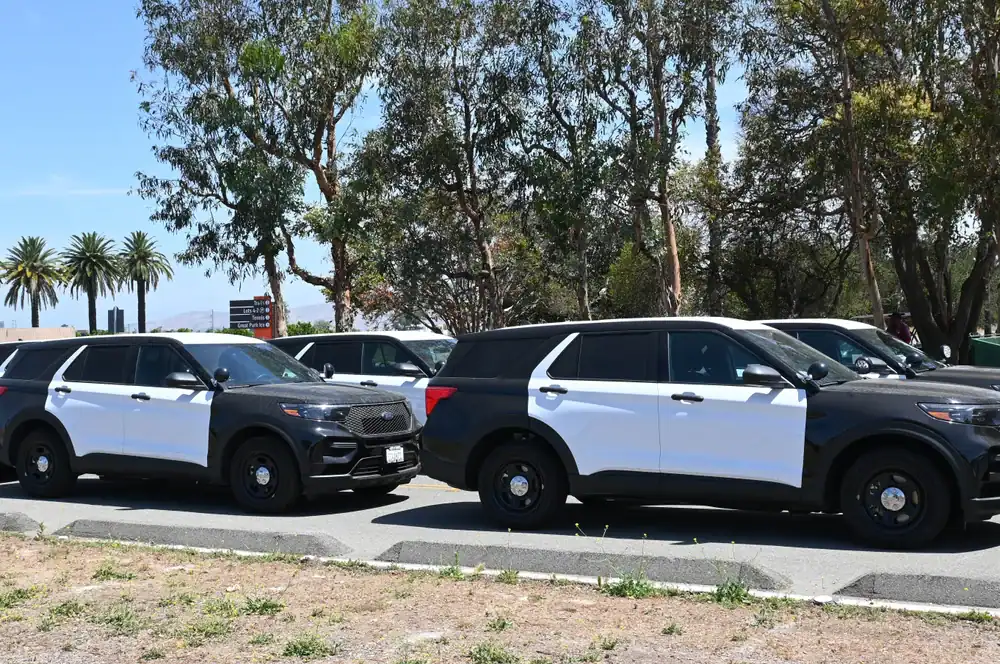
You browse our current inventory of Ford Police Interceptor Utility vehicles, Ford Explorer Police Interceptors, and other available models. We list the mileage, year, and condition upfront. What you see is what you get.
When you find something that fits your budget and needs, you can come see it in person or ask specific questions over the phone. These vehicles are sold as-is. They’ve been stripped of police equipment—radios, computers, light bars—but you might see mounting holes or minor cosmetic wear from years of hard use. That’s normal and reflected in the price.
If you’re ready to move forward, we handle financing on-site with 0% interest. No bank run-around, no credit checks that tank your score, no surprise fees at signing. You get a payment plan that actually makes sense, and you drive off in a vehicle that’s ready for daily use. Most buyers are rideshare drivers, small business owners, or families who need a second vehicle that won’t break down or break the bank.
Ready to get started?
Rochester winters are brutal, and you need a vehicle that can handle snow, salt, and potholes without falling apart. Police Interceptors are built for exactly that kind of abuse. These vehicles idle for hours, take curbs hard, and get driven in conditions that would ruin a typical sedan or SUV. The components are upgraded to handle it.
You’re getting a vehicle with a powerful engine—many Ford Interceptors come with the 3.5L EcoBoost or 3.7L V6. Braking systems are enhanced for pursuit-rated performance. Cooling systems are built to handle extended idle times. Suspensions are reinforced to carry extra weight and absorb rough roads. It’s not about speed or performance for fun—it’s about reliability under stress.
The trade-off is mileage and cosmetics. You’re not getting a showroom-fresh interior or a vehicle with 30,000 miles. But you are getting something that was maintained by a fleet with scheduled oil changes, brake inspections, and documented service records. Most police departments don’t let their vehicles fall apart—they can’t afford the liability. That maintenance history is worth more than low mileage on a car that was driven hard and serviced poorly.
One thing to know: insurance can be tricky. Some carriers hesitate to fully cover former police vehicles, so call your provider before you buy. Financing is easy with us, but you’ll want to confirm coverage. Also, these cars don’t come with warranties. It’s a gamble, but it’s a calculated one if you know what you’re getting.
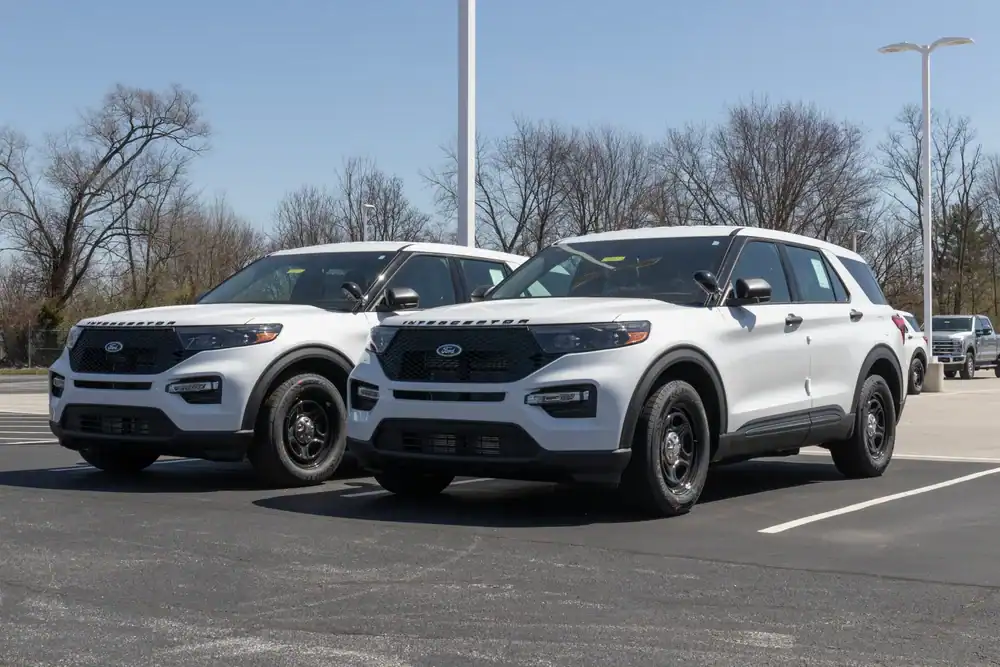
Most Ford Police Interceptor Utility vehicles and sedans we sell have between 100,000 and 150,000 miles. That sounds like a lot, but context matters. These aren’t highway miles from a retiree’s weekend drives—they’re fleet miles with regular maintenance schedules.
Police departments can’t afford breakdowns during shifts, so they follow strict service intervals. Oil changes, brake inspections, fluid checks—it’s all documented. You’re buying a vehicle that was maintained out of necessity, not convenience. Compare that to a civilian car with 80,000 miles that might’ve gone years between oil changes, and the police car often comes out ahead.
High mileage does mean certain components may need replacement sooner. Brakes, tires, and suspension parts take a beating in police use. But those are wear items you’d replace on any used vehicle. The engine and transmission—the expensive stuff—are built to handle the workload. If you’re handy or have a trusted mechanic, a high-mileage Interceptor can run for years with basic upkeep.
All police-specific equipment is removed before these vehicles go to auction or get sold to the public. That includes light bars, sirens, radios, computers, push bumpers, and partition cages. What’s left is the base vehicle—usually with some cosmetic evidence that equipment was installed.
You might see mounting holes in the roof, dashboard, or center console where radios and computers were bolted in. Some vehicles have aftermarket panels or trim pieces that were added to accommodate police gear. It’s not pretty, but it’s not structural damage either. If cosmetic perfection matters to you, a retired police car probably isn’t the right fit.
The good news is that all the performance upgrades stay with the vehicle. The reinforced suspension, upgraded brakes, heavy-duty alternator, and enhanced cooling system—that’s all still there. You’re getting the mechanical benefits without the flashing lights. Some buyers actually prefer the stripped-down interior because there’s less electronics to break or repair down the line.
Yes. We offer 0% interest financing to every customer, regardless of credit score. That’s not a promotional rate or a limited-time offer—it’s how we do business. Your credit doesn’t matter here.
Most used car loans right now are running between 8% and 12% interest, which means a $10,000 vehicle ends up costing you $13,000 or more by the time you’re done paying. That defeats the whole purpose of buying an affordable used car. We don’t play that game. You finance the purchase price at 0%, and that’s what you pay. No hidden fees, no surprise charges at signing.
This makes a huge difference for rideshare drivers, small business owners, or families on a tight budget. You’re already saving thousands by buying a used police car instead of a civilian vehicle. Zero-percent financing means you actually keep those savings instead of handing them over to a bank. If you’ve been turned down elsewhere or you’re tired of predatory interest rates, this is a straightforward option that works.
Absolutely. These vehicles were built to operate in all conditions, including the kind of winters Rochester sees every year. Police departments in cold climates rely on Ford Interceptors specifically because they can handle snow, ice, salt, and freezing temperatures without constant breakdowns.
The Ford Police Interceptor Utility comes standard with all-wheel drive in most configurations, which is a massive advantage when you’re dealing with lake-effect snow and icy roads. The cooling and heating systems are upgraded to handle extended idle times in extreme temperatures—something civilian vehicles aren’t always designed for. You’re not going to overheat sitting in traffic or freeze waiting for the engine to warm up.
Salt is the bigger enemy in Rochester, and older vehicles will show rust. But the mechanical components—engine, transmission, drivetrain—are built to withstand harsh conditions. If you’re buying a Ford Explorer Police Interceptor or Utility model, you’re getting a vehicle that was designed for year-round patrol duty. Just keep up with undercarriage washes during winter, and you’ll extend the life of the body and frame. These aren’t fragile cars. They’re workhorses.
The Ford Police Interceptor Utility is based on the Ford Explorer platform—it’s an SUV with more cargo space, higher ground clearance, and available all-wheel drive. The Interceptor Sedan is based on the Taurus platform—it’s a full-size sedan with a lower profile and typically front-wheel or all-wheel drive depending on the configuration.
If you need space for equipment, kids, or cargo, the Utility makes more sense. It’s roomier, sits higher, and handles snow better thanks to ground clearance and AWD. Most police departments have shifted toward the Utility in recent years, which is why you’ll see more of them available on the used market. They’re also more versatile for daily use—easier to load, better visibility, more practical for families or small businesses.
The Sedan is lighter, more fuel-efficient, and easier to park in tight spaces. If you’re doing rideshare or delivery work in the city, the Sedan might be the better fit. It’s also cheaper—Interceptor Sedans typically run between $3,300 and $10,000, while the Utility averages closer to $14,000. Both are built on the same philosophy: durable, powerful, and ready for hard use. It just depends on what you need the vehicle to do.
Three reasons: mileage, cosmetics, and perception. Police vehicles rack up miles fast—100,000+ is common—which automatically drops the resale value. They also show wear and tear from daily use, and most buyers don’t want a car with mounting holes and scuffed interiors. Add in the stigma that “police cars are beat to hell,” and you’ve got a vehicle that sells for well below market value.
But here’s the reality: these cars are built better than most civilian vehicles. A Ford Police Interceptor Utility has a reinforced frame, upgraded brakes, heavy-duty suspension, and an engine designed for pursuit-rated performance. Departments maintain them religiously because they can’t afford breakdowns during shifts. You’re buying a vehicle that was over-engineered and properly maintained, just with higher mileage and some cosmetic flaws.
The average used car in 2024 is listing for around 6% less than the previous year, but even with that drop, you’re still paying $15,000 to $25,000 for a decent SUV or sedan. A comparable Ford Explorer Police Interceptor might cost you $8,000 to $12,000. That’s real money saved, and if you’re okay with the trade-offs—higher miles, no warranty, some interior wear—you’re getting a vehicle that can outlast a lot of civilian cars on the road. It’s not for everyone, but for the right buyer, it’s one of the best values out there.
Other Services we provide in Rochester