
Hear from Our Customers
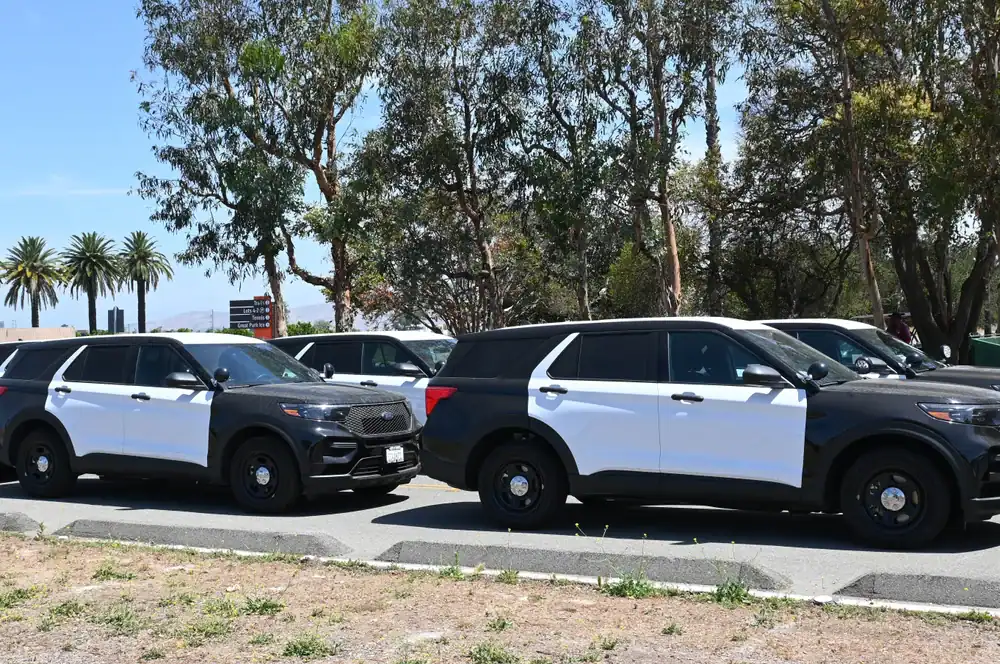
You’re not buying someone’s neglected trade-in. These Ford police interceptors were maintained on strict schedules by departments that couldn’t afford breakdowns during shifts.
The Ford Explorer Police Interceptor and Utility models come with all-wheel drive, reinforced frames, and upgraded cooling systems. They were built to run hard for years. Most civilian SUVs aren’t engineered for that kind of punishment.
Here’s what matters: you’re looking at vehicles that typically sell between $5,000 and $15,000. Compare that to a new civilian Ford starting above $20,000, and the math is simple. You get more capability for less money, and these vehicles hold their value better than standard used cars because the demand stays consistent.
East Brunswick drivers average 36-minute commutes. You need something dependable. A cop car for sale isn’t just affordable—it’s built to show up every single day without drama.
We specialize in one thing: used police cars. We’re not a general used car lot trying to move whatever comes through the gate. Every Ford Interceptor for sale here was a working law enforcement vehicle.
We’re based in East Brunswick, serving a community where 89.6% of residents rely on personal vehicles to get where they need to go. You understand what it means to need a car that works. We understand what it takes to find vehicles that deliver on that need without the inflated pricing you’ll find at traditional dealerships.
You won’t get high-pressure tactics here. You’ll get transparent information about each vehicle’s history, mileage, and condition so you can make the call that’s right for your situation.
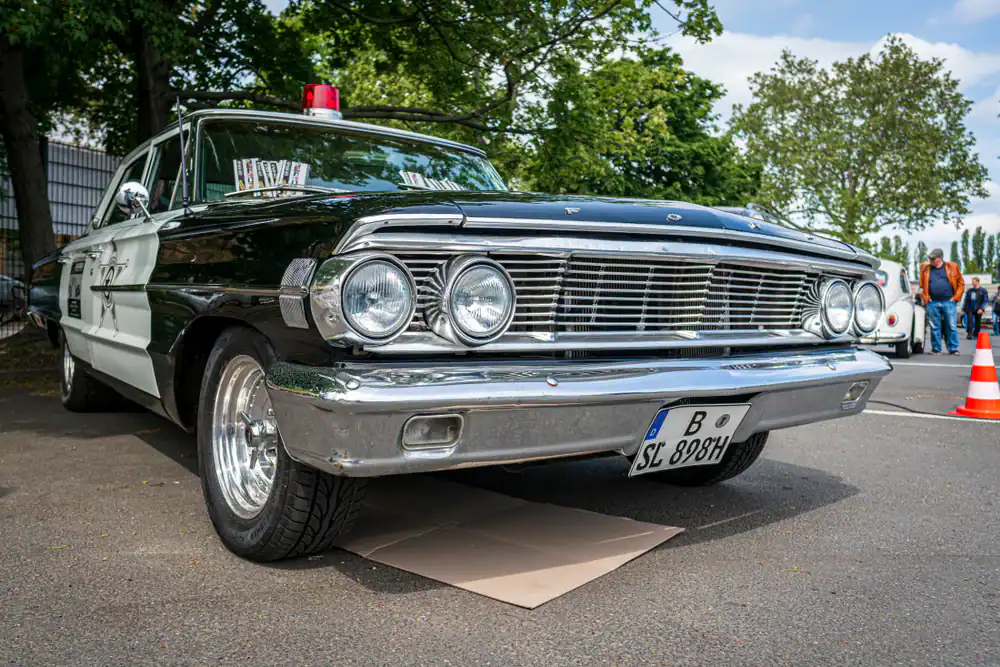
First, you look at what’s available. Our inventory includes Ford Crown Interceptors, Ford Explorer Police Interceptors, and Utility models. Each listing shows the year, mileage, and any relevant details about the vehicle’s previous use.
When something catches your eye, come see it in person. You’ll want to check the interior condition, test the features, and get a feel for how it drives. Police equipment gets removed before sale, but you might see mounting holes or minor wear—that’s normal and reflected in the pricing.
Ask questions. We’ll walk you through the maintenance records if available, explain what kind of duty the vehicle saw, and give you honest answers about mileage and condition. High mileage is common with these vehicles—many sit between 120,000 and 160,000 miles—but remember that’s mostly highway miles from patrol routes, not stop-and-go city abuse.
Once you decide, the paperwork is standard. Title transfer, registration, the usual process. You’re not buying from an auction where you get zero inspection time. You’re buying from a lot where you can take your time and make an informed decision.
Ready to get started?
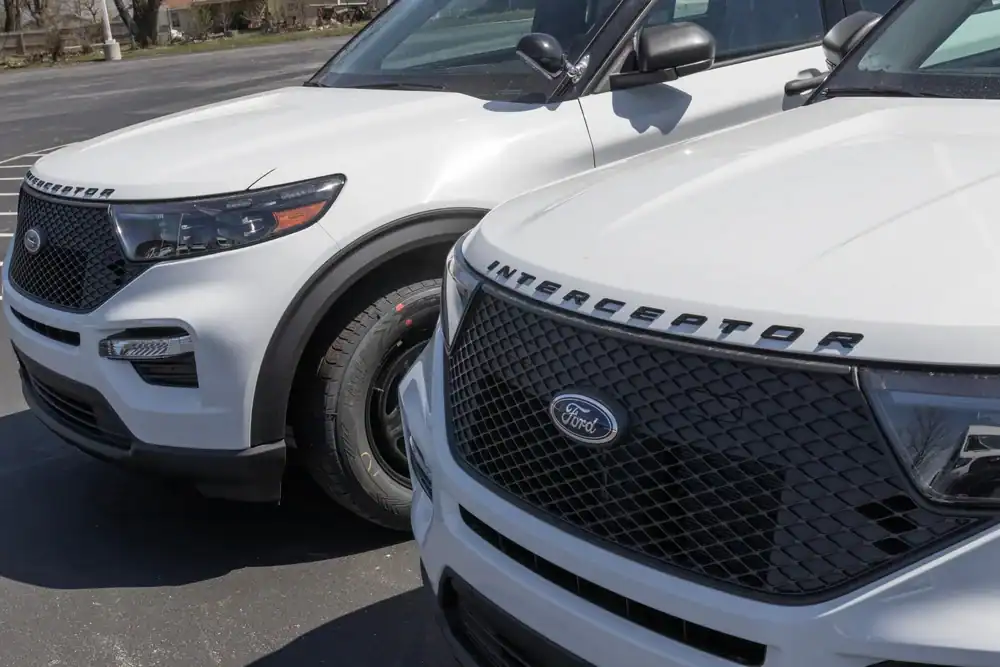
You’ll find Ford Police Interceptor Utility models with all-wheel drive, averaging 16 MPG city and 21 highway. These are the Explorer-based interceptors that became the go-to vehicle for departments across the country. They’re spacious, capable in bad weather, and built on a platform that’s proven reliable.
The Ford Crown Interceptor—the classic sedan—still shows up in our inventory when available. These are getting harder to find since Ford stopped production, but they remain popular with buyers who want rear-wheel drive and a V8 engine.
In East Brunswick, where winter weather can make roads tricky and commutes are long, the all-wheel drive Utility models make practical sense. You’re not just getting a vehicle that performed well for law enforcement. You’re getting something designed for the kind of driving conditions you actually face here in New Jersey.
Pricing varies based on year, mileage, and condition, but the value proposition stays consistent. These vehicles were maintained by professionals, built with heavy-duty components, and sold at prices that reflect real market value—not inflated dealer markups. When you compare police impound cars for sale or retired fleet vehicles to standard used car lots, the difference becomes obvious fast.
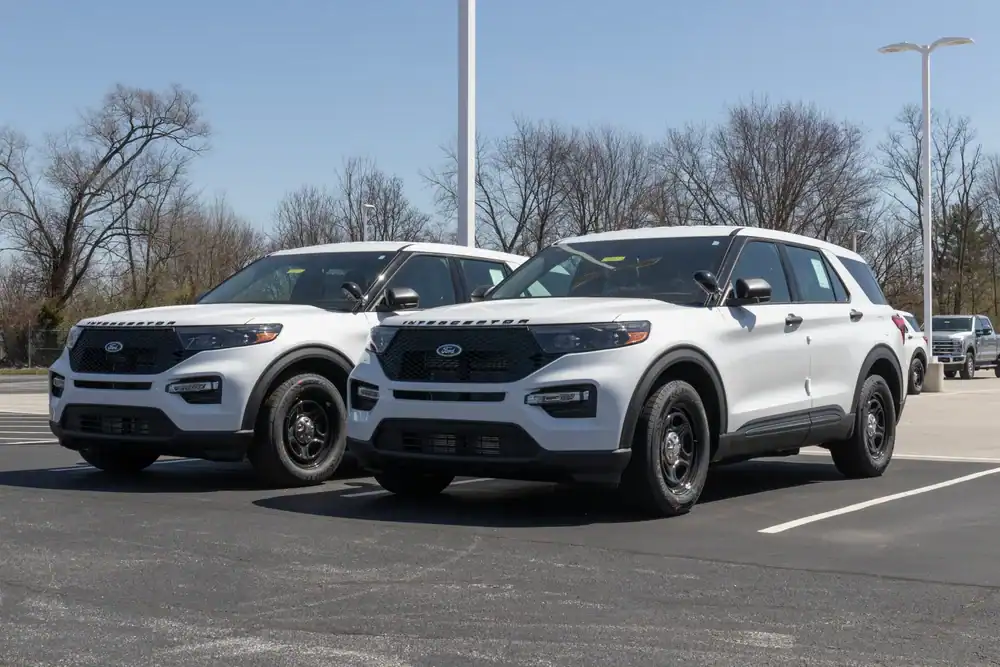
Most Ford Interceptors for sale will show between 120,000 and 160,000 miles. That sounds like a lot until you understand what those miles actually represent.
Police vehicles rack up mileage during patrol shifts—mostly highway and suburban road driving at steady speeds. They’re not sitting in traffic jams or doing constant short trips that never let the engine reach operating temperature. That kind of mileage is easier on a vehicle than the same number accumulated through stop-and-go commuting.
The other factor is idle time. Interceptors idle during traffic stops, surveillance, and report writing. Those hours don’t show on the odometer, but they do add engine wear. That’s exactly why departments maintain these vehicles so carefully—they know the engines work harder than the mileage suggests, so they stay on top of oil changes, fluid checks, and component replacements.
You’re not buying a neglected high-mileage car. You’re buying a high-mileage vehicle that was maintained like equipment that had to work every single shift.
The Ford Crown Interceptor is the sedan—rear-wheel drive, V8 engine, body-on-frame construction. It’s what most people picture when they think “cop car.” Ford stopped making them in 2011, so availability is limited now, but they’re still popular with buyers who want that classic interceptor feel.
The Ford Police Interceptor Utility is based on the Explorer platform. It’s all-wheel drive, offers way more cargo space, and handles weather better than the rear-wheel drive Crown. Most departments switched to the Utility model because it’s more versatile—better in snow, more room for equipment, and still plenty of power for pursuit situations.
For East Brunswick drivers dealing with winter weather and long commutes, the Utility model usually makes more sense. You get better traction, more interior space, and fuel economy that’s reasonable considering the performance. The Crown is great if you want that traditional sedan layout and don’t need all-wheel drive, but the Utility models dominate our inventory because that’s what departments have been using for the past decade.
You’re buying a vehicle that was maintained on a schedule most civilian owners never follow. Law enforcement agencies can’t afford breakdowns during shifts, so they stick to strict service intervals—oil changes, brake inspections, fluid replacements, tire rotations, all of it documented.
That doesn’t mean these vehicles are perfect. They’ve been driven hard. They’ve seen pursuit situations, rough roads, and long idle periods. The interiors show wear from equipment mounts and daily use. But the mechanical components were kept in working order because departments had no choice.
The reliability question comes down to what happens after you buy it. If you continue maintaining the vehicle properly, change fluids on schedule, and address issues when they come up, a Ford Explorer Police Interceptor will keep running. These aren’t luxury vehicles with complicated electronics that cost a fortune to fix. They’re work trucks built with durability as the priority.
Most buyers who have problems are the ones who skip maintenance or ignore warning signs. Treat it like the working vehicle it is, and it’ll hold up better than a lot of civilian SUVs that were babied but built with cheaper components.
Most departments keep detailed records of every service performed on their fleet vehicles. We request those records when available and provide them to buyers who want to see exactly what work was done during the vehicle’s service life.
You’ll typically see documentation of oil changes, brake work, tire replacements, and any repairs that were needed. Some departments are more thorough with record-keeping than others, but the majority maintain logs that show the vehicle was serviced regularly.
What you won’t always get is information about specific incidents—how many pursuits the vehicle was involved in, whether it was ever in a collision, that kind of detail. Departments don’t always release that information, and honestly, it’s less relevant than the maintenance history. A vehicle that was in a pursuit but properly maintained afterward is usually in better shape than a civilian vehicle that was neglected for years.
We’re transparent about what records we have. If documentation is limited for a specific vehicle, we’ll tell you that upfront so you can factor it into your decision.
Pricing depends on the model year, mileage, and overall condition. You’re typically looking at a range between $5,000 and $15,000 for most Ford Interceptors for sale in our inventory.
A newer Ford Explorer Police Interceptor with lower mileage—say, under 100,000 miles—will be toward the higher end of that range. An older Crown Interceptor or a Utility model with 150,000+ miles will be priced lower. The national average for a used Police Interceptor Utility sits around $15,400, but you’ll find vehicles priced well below that depending on age and condition.
Compare that to what you’d pay at a traditional dealership for a civilian Ford Explorer with similar mileage. You’re easily saving several thousand dollars, and you’re getting a vehicle that was built with better components from the factory. The suspension is heavier duty. The cooling system is upgraded. The brakes are larger. You’re not paying for luxury features, but you’re getting a more capable vehicle for the money.
In East Brunswick, where the median household income is around $135,000 but people still value smart financial decisions, a police interceptor makes sense. You’re not overpaying for a badge and markup. You’re getting a working vehicle at a fair price.
No. Once the vehicle is sold as surplus, it’s titled and registered like any other used car. There’s no special process, no extra fees, and no restrictions on ownership.
Insurance companies treat former police vehicles the same way they treat any used Ford Explorer or sedan. Your rates are based on the vehicle’s year, model, your driving record, and your coverage choices—not on the fact that it used to be a patrol car. Some buyers worry that insurance will be higher because it’s an interceptor, but that’s not how it works. You’re insuring a Ford Utility or a Crown Victoria, and the premiums reflect that.
Registration is equally straightforward. You’ll need the title, proof of insurance, and payment for registration fees—the same documents required for any vehicle purchase. The VIN identifies it as an interceptor model, but that doesn’t create any barriers to getting plates.
The only thing that might come up is if you’re financing the purchase. Some lenders have restrictions on high-mileage vehicles, so if you’re planning to finance rather than pay cash, check with your lender first. But for registration and insurance, you’re dealing with a standard used vehicle transaction.
Other Services we provide in East Brunswick