
Hear from Our Customers
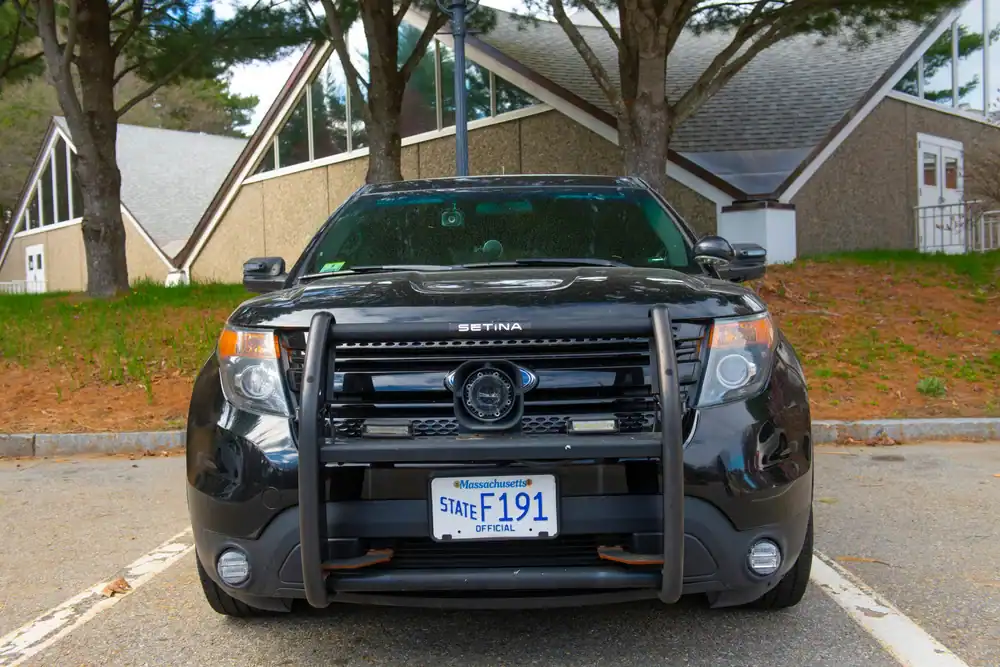
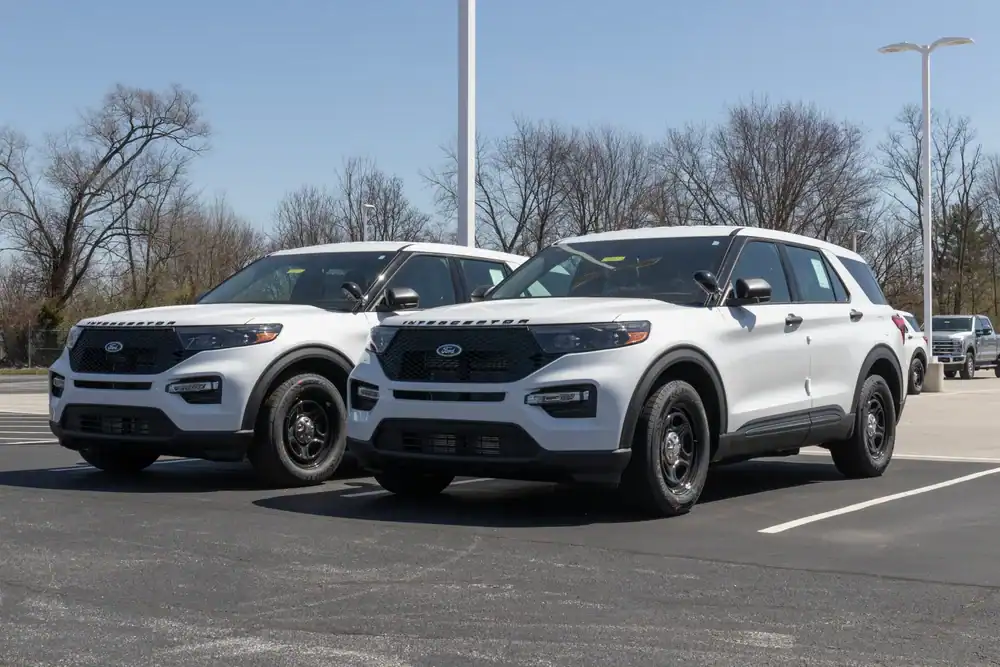
A Ford Police Interceptor isn’t just a used car with a badge removed. It’s a vehicle built to handle high-speed pursuits, long shifts, and constant use. Reinforced frames. Heavy-duty brakes. Suspension systems you won’t find on a standard Explorer. These aren’t cosmetic upgrades—they’re functional differences that matter when you’re putting miles on a vehicle.
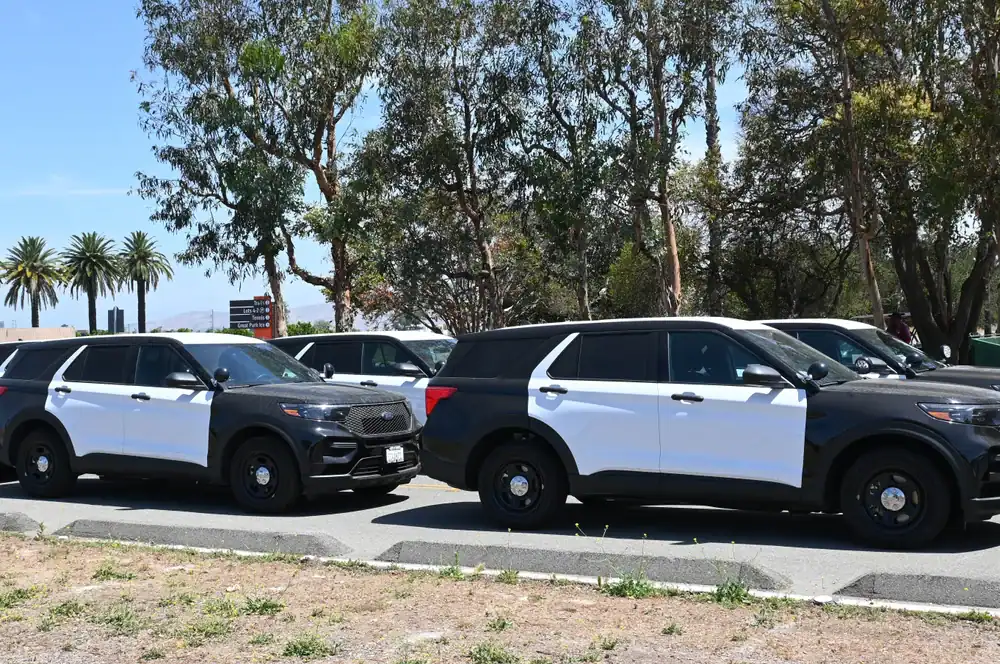
You’re looking at Ford Explorer Police Interceptors with all-wheel drive, twin-turbocharged engines pushing 400 horsepower, and maintenance records that actually exist. Most of these vehicles came from municipal fleets where regular service wasn’t optional. They were inspected, maintained, and tracked throughout their service life.
Pricing reflects reality. A comparable civilian Explorer costs more because you’re paying for features you might not need. With a used police interceptor, you’re getting the performance and durability without the markup. That’s why buyers looking for cop cars for sale end up here—the value makes sense, and the vehicles hold up.
State Surplus Auto Sales was started by Carmen Yannuzzi, who spent over 25 years in law enforcement. He didn’t just sell these vehicles—he drove them, maintained them, and understood what made them reliable. That background matters when you’re buying a used police car because you’re not getting a sales pitch. You’re getting someone who knows which vehicles were maintained right and which ones to avoid.
We’re located in the Newark metro area, serving Perth Amboy and surrounding Middlesex County communities. This is an independently-owned business built around one thing: connecting people with quality government vehicles at prices that won’t break the bank. No financing games. No pressure tactics. Just straight talk about what you’re buying and why it’s worth your time.
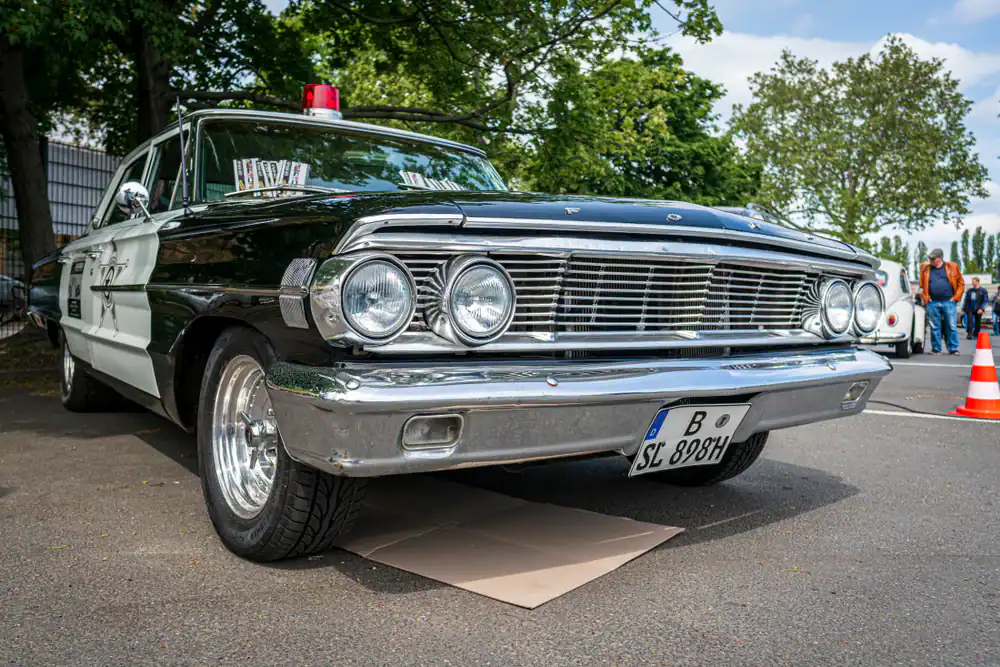
You start by looking at what’s available. We carry Ford Interceptors—mostly Ford Explorer Police Interceptor models—that have been retired from municipal fleets. You’ll see the mileage, the year, and the condition upfront. No surprises.
When you find something that fits, you come see it. You can inspect the vehicle, ask questions about its service history, and get a clear picture of what you’re buying. Most of these vehicles show wear from police use—that’s expected. What matters is whether the important stuff was maintained, and we can walk you through that.
Once you’re ready, the process is straightforward. We handle the paperwork, answer any remaining questions, and get you on the road. You’re not dealing with a dealership trying to upsell you on warranties or add-ons. You’re buying a used police interceptor for sale at a fair price, and that’s it.
Ready to get started?
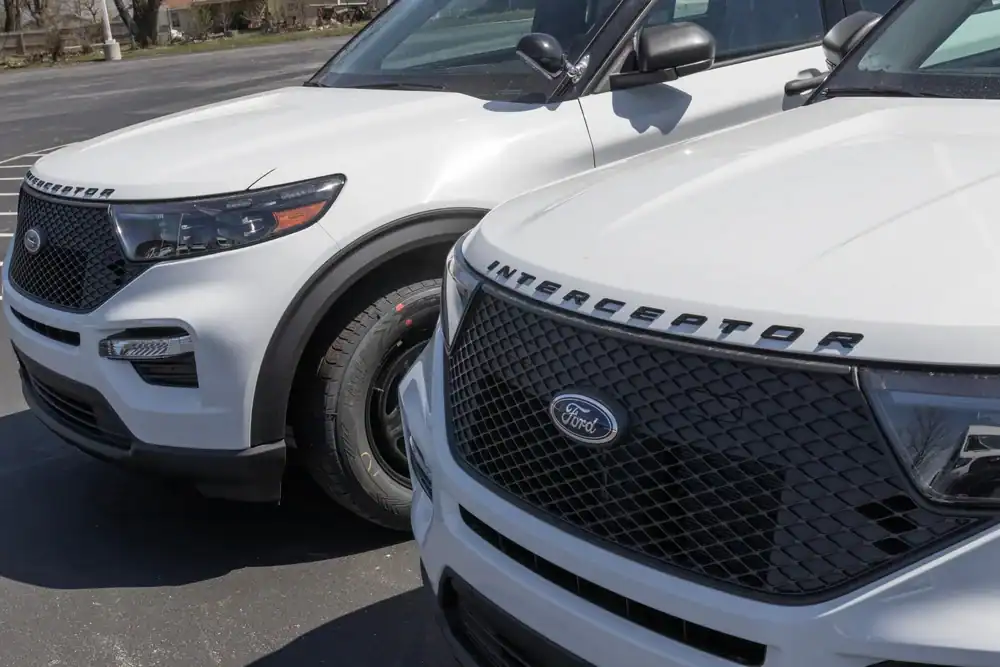
When you buy a Ford Police Interceptor Utility from us, you’re getting a vehicle that was built for a specific job. These aren’t civilian models with a light bar bolted on. Ford has been building purpose-built police packages since 1950, and they’ve spent over 70 years refining what law enforcement actually needs.
In Perth Amboy and across New Jersey, budget matters. You’re not looking to overpay for a vehicle just because it has “police” in the name. The reason police impound cars for sale and retired fleet vehicles cost less is simple: supply. Departments retire these vehicles regularly, and the market reflects that. You’re getting a well-maintained vehicle at a price point that makes sense for your budget.
The Ford Interceptor lineup includes models with EcoBoost engines, hybrid options, and all-wheel drive systems. Fuel economy sits around 18 MPG combined—not great, but reasonable given the performance. You’re looking at vehicles rated to hit 148 mph, with 415 pound-feet of torque and safety features like reinforced passenger compartments. These specs aren’t marketing fluff. They’re the reason these vehicles dominate police fleet sales across the U.S. and Canada.
Yes, but it depends on the specific vehicle and how it was maintained. Police departments run strict maintenance schedules because downtime isn’t an option. These vehicles get regular oil changes, brake inspections, and mechanical checkups throughout their service life. That’s different from a civilian vehicle where maintenance might get skipped or delayed.
The trade-off is usage. Police vehicles rack up hours idling, experience hard acceleration, and get driven in ways civilian vehicles don’t. That’s why you need to look at the maintenance records and understand what you’re buying. A well-maintained interceptor with 80,000 miles can be more reliable than a neglected civilian car with 50,000 miles.
We only carry vehicles that meet our standards. If a vehicle was “rode hard and put away wet” without proper care, it doesn’t make it to our lot. You’re getting vehicles that were maintained correctly during their service life, which is why they’re still worth buying.
The Police Interceptor Utility is built on the Explorer platform, but it’s not the same vehicle. Ford adds reinforced frames, upgraded cooling systems, heavy-duty brakes, and modified suspension to handle pursuit driving. The electrical system is beefed up to support emergency equipment. The seats, interior, and trim are stripped down to basics—durable, not comfortable.
Performance is where you really see the difference. The twin-turbocharged 3.0L EcoBoost V6 in many interceptors pushes 400 horsepower. That’s significantly more than a standard Explorer. All-wheel drive is standard, and the vehicle is tested to 75-mph rear impact standards with crumple zones designed for high-speed collisions.
You’re also getting a vehicle that’s been validated through extensive testing. Ford doesn’t just build these and hope they work—they’re tested for durability, stability, and performance before they’re approved for law enforcement use. That validation process doesn’t happen with civilian models.
Nationwide, used Ford Police Interceptor Utility models average around $13,978, with some 2021 models averaging $17,819. That’s significantly less than a comparable civilian Explorer in similar condition. The reason is supply—departments retire these vehicles regularly, and the market has more inventory than demand in some areas.
You’re looking at vehicles that start around $10,995 depending on year, mileage, and condition. That pricing reflects the reality that these are used vehicles with police service history. They’re not pristine. They have wear. But they’re also built to a higher standard than most civilian vehicles, and they’ve been maintained on a schedule that most private owners don’t follow.
The value proposition is simple: you’re getting more vehicle for less money. The trade-off is cosmetic condition and higher mileage in some cases. If you’re okay with a vehicle that looks used but performs well, the pricing makes sense.
Start with maintenance records. You want to see proof that the vehicle was serviced regularly during its police service. Oil changes, brake work, transmission service—all of it matters. If the records are incomplete or missing, that’s a red flag.
Check for cosmetic damage and understand what’s normal. Holes in the interior from equipment mounts, wear on the seats, scratches on the exterior—that’s all expected. What you’re really looking for is mechanical soundness. Does the engine run clean? Do the brakes feel solid? Is the transmission shifting smoothly? Those are the questions that matter.
Ask about the vehicle’s service history. Was it used for highway patrol or city driving? Highway miles are generally easier on a vehicle than constant stop-and-go city use. Understanding how the vehicle was used helps you assess whether it’s the right fit for what you need.
Financing options exist, but they’re more limited than with new vehicles. Many traditional lenders are hesitant to finance ex-police vehicles because of their service history and higher mileage. That doesn’t mean it’s impossible—it just means you need to work with lenders who understand this market.
Some buyers prefer to pay cash because it simplifies the process and eliminates financing costs. If you’re looking at vehicles in the $10,995 to $17,819 range, cash becomes more feasible than it would be with a $40,000 new vehicle. That’s part of the appeal for budget-conscious buyers.
We can discuss your options when you’re ready to buy. The key is understanding what you qualify for before you start shopping. That way, you’re not wasting time looking at vehicles you can’t finance, and you can focus on finding the right interceptor for your needs.
Yes. These vehicles have been used hard. They’ve idled for hours, been driven aggressively, and experienced wear that civilian vehicles don’t see. The interiors are basic—don’t expect luxury. The exteriors often need paint work after equipment removal. Fuel economy is lower than a standard Explorer because of the performance focus.
Warranties are hard to come by with used vehicles, especially ex-police cars. You’re buying as-is in most cases, which means you need to be comfortable with the vehicle’s condition before you commit. That’s why inspection and transparency matter—you need to know what you’re getting.
The upside is value. You’re getting a vehicle built to higher standards, maintained on a strict schedule, and priced below comparable civilian models. If you’re okay with the cosmetic issues and understand the trade-offs, a used police interceptor offers performance and durability that’s hard to match at this price point. It’s not for everyone, but for the right buyer, it’s a smart choice.
Other Services we provide in Perth Amboy