
Hear from Our Customers
You’re not just buying a used car. You’re getting a Ford Police Interceptor Utility that was maintained on a schedule most civilian vehicles never see.
These aren’t neglected trade-ins with mystery histories. Every vehicle we sell comes from government fleets where maintenance wasn’t optional. Oil changes happened on time. Inspections were documented. The work got done because these departments needed reliable transportation, not because someone felt like it.
The Ford Police Interceptor Utility you’ll find here was built differently from the start. Heavy-duty alternators. Reinforced suspension. Upgraded cooling systems. Better brakes. These components weren’t added for show—they were engineered for vehicles that needed to perform under conditions your daily commute will never match.
You’ll pay between $5,000 and $15,000 for a vehicle that would cost you over $20,000 new. That’s not a sale price or a limited-time offer. That’s just what happens when you buy directly from a dealer who specializes in one thing: used patrol cars for sale.
State Surplus Auto Sales was started by Carmen Yannuzzi, who spent over 25 years in law enforcement. He watched well-maintained government vehicles go to auction and realized these cars could serve people who needed reliable transportation without the inflated price tag.
We’ve been connecting Baldwin, NY residents with quality government fleet vehicles for over 20 years. We don’t sell regular used cars. We don’t dabble in different inventory types. We focus exclusively on used cop cars for sale because we know these vehicles inside and out.
Our location serves Nassau County and the broader Long Island area, where the median household income is $139,840 and the average commute time is 38.3 minutes. You need a vehicle that can handle daily driving without constant trips to a mechanic. That’s exactly what these Ford Crown Interceptors and Police Interceptor Utilities were designed to do.
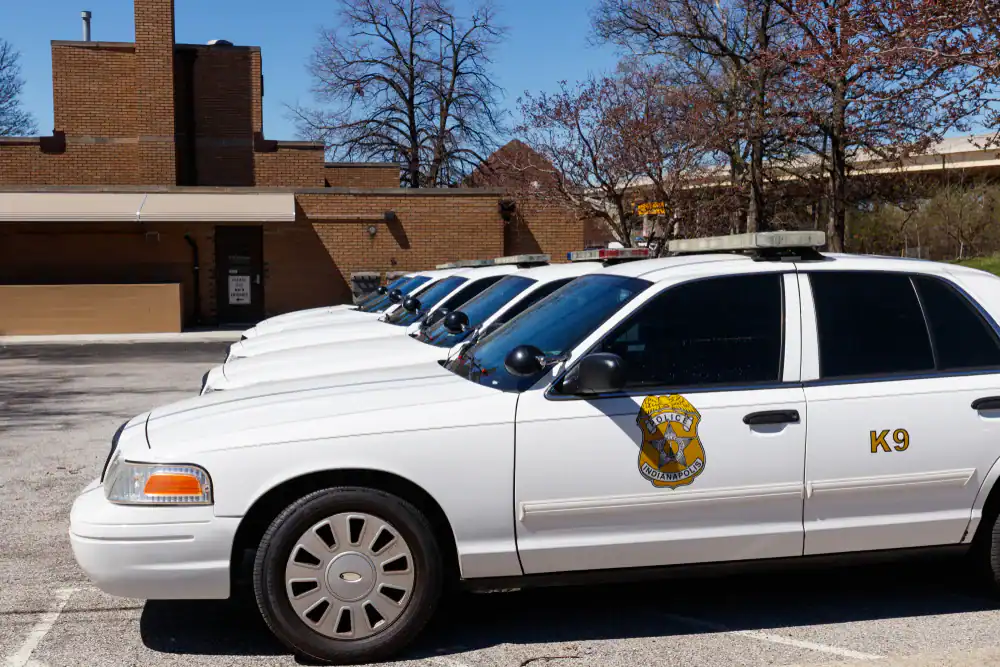
You start by looking at our current inventory. We maintain direct relationships with multiple jurisdictions, which means we acquire vehicles in bulk straight from the departments they served. That’s how we keep prices low—we’re not paying auction premiums or dealer markups.
When you find a vehicle you’re interested in, you can come see it in person. We don’t use high-pressure sales tactics because the vehicles speak for themselves. You’ll see the maintenance records. You’ll know what department it came from. You’ll understand exactly what you’re buying.
Financing is straightforward. We offer zero interest financing regardless of your credit score. No credit, bad credit—it doesn’t matter. Everyone gets approved at 0% interest. That’s not a promotional rate that expires. It’s how we do business.
Once you’re ready to move forward, we handle the paperwork. If you have a trade-in, we’ll give you a fair value for it. Then you drive home in a vehicle that costs thousands less than comparable civilian models but was built to higher standards.
Ready to get started?
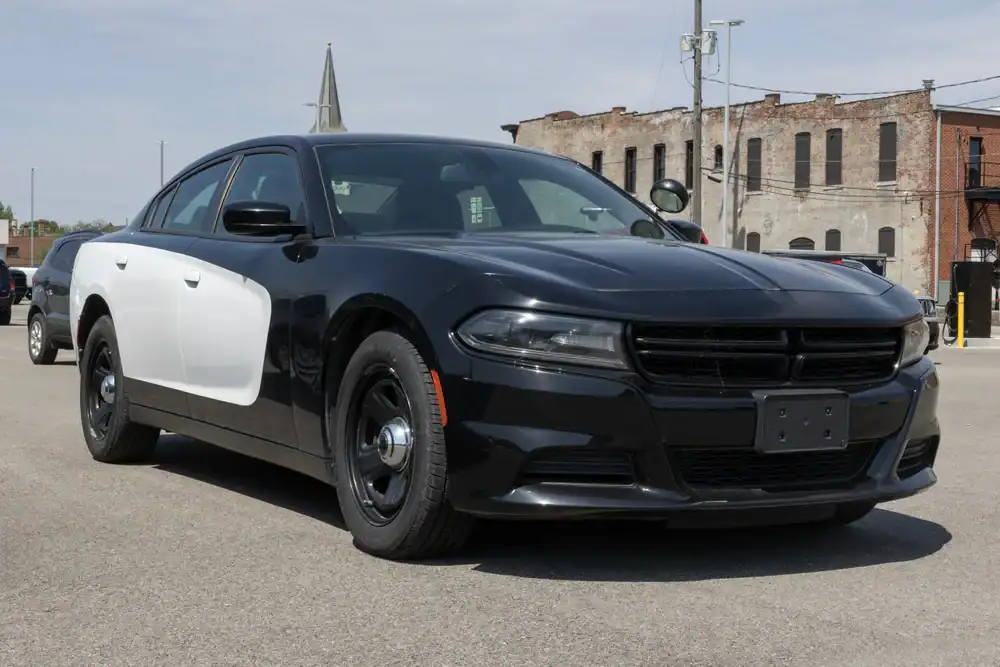
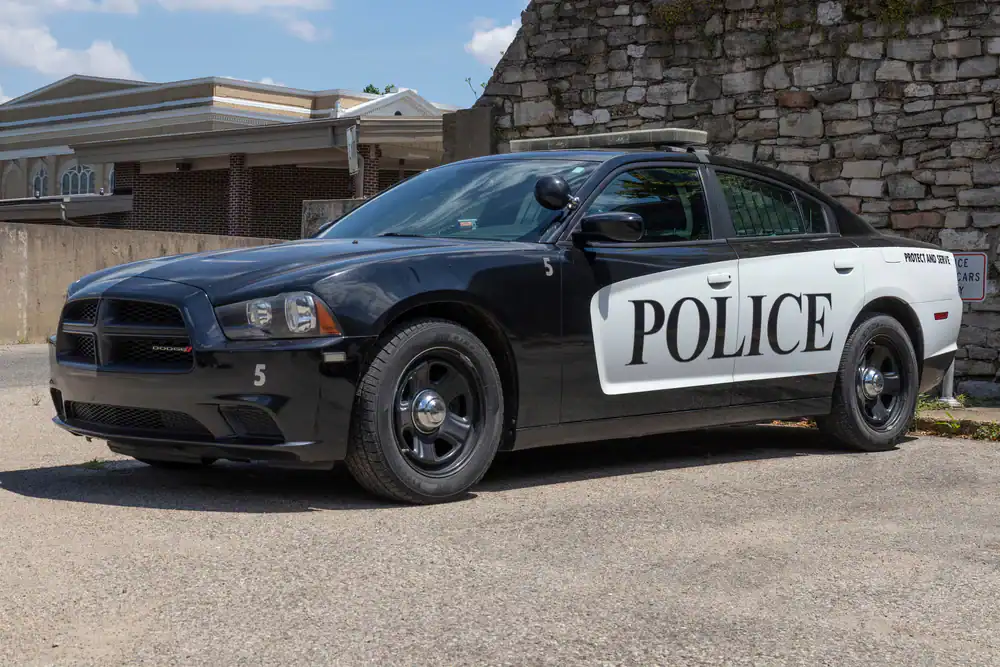
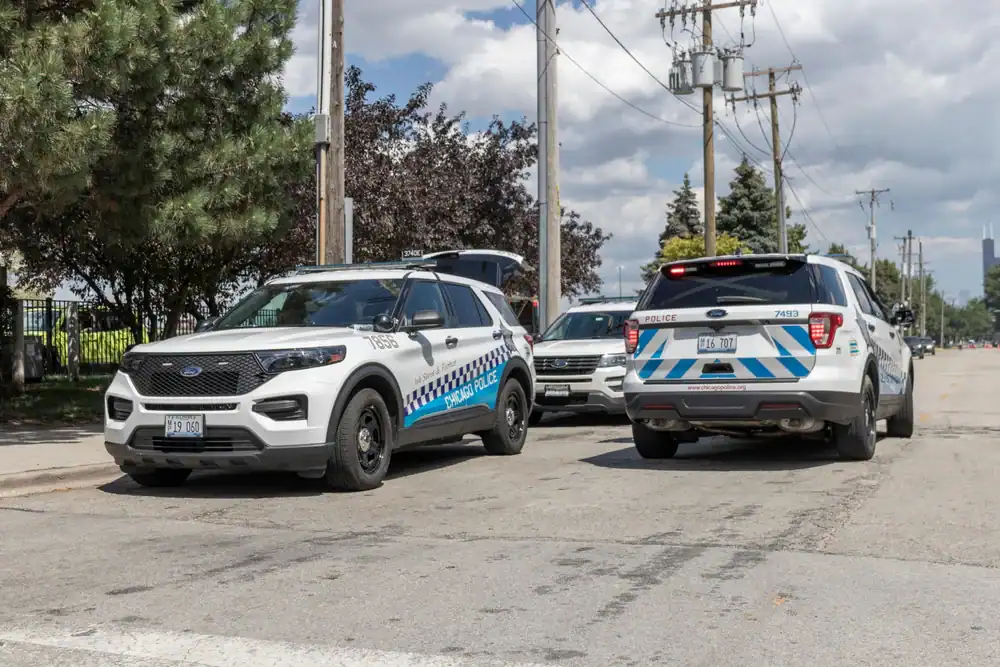
Our inventory changes as we acquire new vehicles from government fleets, but you’ll typically find Ford Police Interceptor Utility models and Ford Crown Interceptors. These are the workhorses of law enforcement fleets across New York and neighboring states.
The Ford Police Interceptor Utility with the 3.0L EcoBoost V6 delivers 400 horsepower and 415 lb-ft of torque. Top speed hits 148 mph, though you’ll probably never need that on your commute through Nassau County. What you will appreciate is the all-wheel drive system, which handles Long Island winters better than most civilian vehicles.
You’re also getting extra space. The trunk is massive because it was designed to hold equipment. Once that equipment is removed, you have more storage than most SUVs in the same price range. The front cabin has extra legroom for the same reason—officers needed space for gear, and now you get the benefit of that extra room.
These vehicles were built for severe duty cycles. That means components like the transmission, brakes, and electrical system are more robust than what you’d find in a standard Explorer or Taurus. The cooling system is more efficient. The steel wheels are heavier duty. The suspension can handle more weight and rougher conditions.
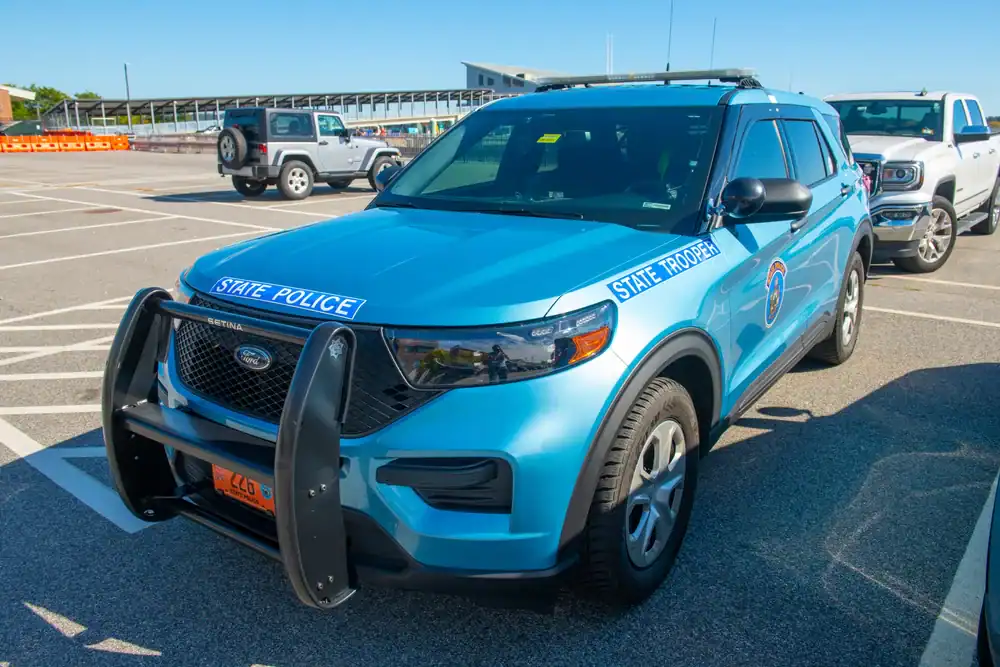
Most of the used cop cars for sale in our inventory have between 60,000 and 120,000 miles on them. That might sound high if you’re used to shopping for low-mileage civilian vehicles, but police cars are different.
These vehicles were maintained on strict schedules. Every oil change happened on time. Every inspection was documented. The maintenance wasn’t optional—it was required. That means a police interceptor for sale with 100,000 miles has likely been better maintained than a civilian car with 50,000 miles.
The engines in these vehicles are also built differently. The Ford 4.6L engines found in many Crown Interceptors can easily exceed 300,000 miles when properly maintained. The 3.0L EcoBoost in newer Interceptor Utilities is designed for the same durability. You’re not buying a vehicle at the end of its life—you’re buying one that’s just getting broken in.
Idle hours are a legitimate consideration when you’re looking at used patrol cars for sale. Police vehicles spend a lot of time idling—during traffic stops, while officers write reports, or when they’re parked but need to keep systems running.
The odometer doesn’t record idle time, which means a vehicle with 80,000 miles might have the engine wear equivalent of 100,000 miles or more. That’s not necessarily a problem, but you should know about it.
Here’s what matters more: these engines were designed for extended idling. The cooling systems are upgraded to handle it. The alternators are heavy-duty to support the electrical load. The components that wear during idling—like the AC compressor or alternator—are built to last longer than civilian versions. So while idle hours do add wear, the vehicles were engineered to handle that wear better than a standard car would.
Sometimes, yes. When departments remove equipment like light bars, radios, or push bumpers, they can leave behind holes or mounting points. This is one of the trade-offs of buying a used cop car.
Most of the time, these cosmetic issues are minor. A hole in the dash where a radio was mounted. Small holes in the roof from a light bar. Spots where vinyl decals were removed. None of these affect how the vehicle drives, but they’re visible reminders that this was a working police vehicle.
If cosmetic perfection is your priority, a used police interceptor might not be the right choice. But if you’re more concerned with mechanical reliability, performance, and value, these minor cosmetic issues are easy to overlook. Some buyers even prefer to keep certain features—like the spotlight or push bumper—because they’re functional and unique.
Yes, and it’s not even close. Government fleets follow maintenance schedules because they have to, not because they want to. These vehicles are critical tools, and departments can’t afford to have them break down.
That means every service interval was met. Oil changes happened on time. Brake inspections were regular. Fluid changes were documented. If something needed attention, it got fixed. Compare that to a typical used car where you’re hoping the previous owner kept up with maintenance but have no real way to verify it.
You’re also buying a vehicle that was driven by trained professionals. Police officers go through defensive driving courses. They understand vehicle dynamics. Yes, these cars were driven hard at times, but they were also driven by people who knew how to handle high-performance vehicles. That’s different from buying a used car that might have been abused by someone who never learned proper driving technique.
Some parts cost more, but not all of them. The heavy-duty components—like the alternator, suspension parts, or brake rotors—are more expensive than standard civilian versions because they’re built to higher specifications.
But here’s the flip side: those parts last longer. A heavy-duty alternator might cost more to replace, but you won’t be replacing it as often as you would a standard one. The same goes for suspension components and brake parts. You’re paying more per part, but you’re replacing them less frequently.
Regular maintenance items like oil, filters, and fluids cost the same as any other Ford vehicle. And because these are Ford vehicles, parts are widely available. You’re not dealing with some obscure model where you have to special-order everything. Any mechanic who works on Fords can work on a Police Interceptor. That keeps your long-term costs manageable even if individual heavy-duty parts cost a bit more.
Yes. We offer zero interest financing to everyone, regardless of credit score. No credit, bad credit, bankruptcy—none of it matters. You get approved at 0% interest.
This isn’t a promotional rate that jumps up later. It’s not a teaser that only applies to certain vehicles. Every customer gets the same 0% interest rate on every vehicle we sell. That’s how we’ve structured our business.
For Baldwin residents with a median household income of $139,840, financing usually isn’t a barrier. But we also serve customers throughout Nassau County and Long Island who might have credit challenges. Our financing approach removes that obstacle entirely. You focus on finding the right vehicle, and we’ll make sure the financing works for your situation.
Other Services we provide in Baldwin