
Hear from Our Customers
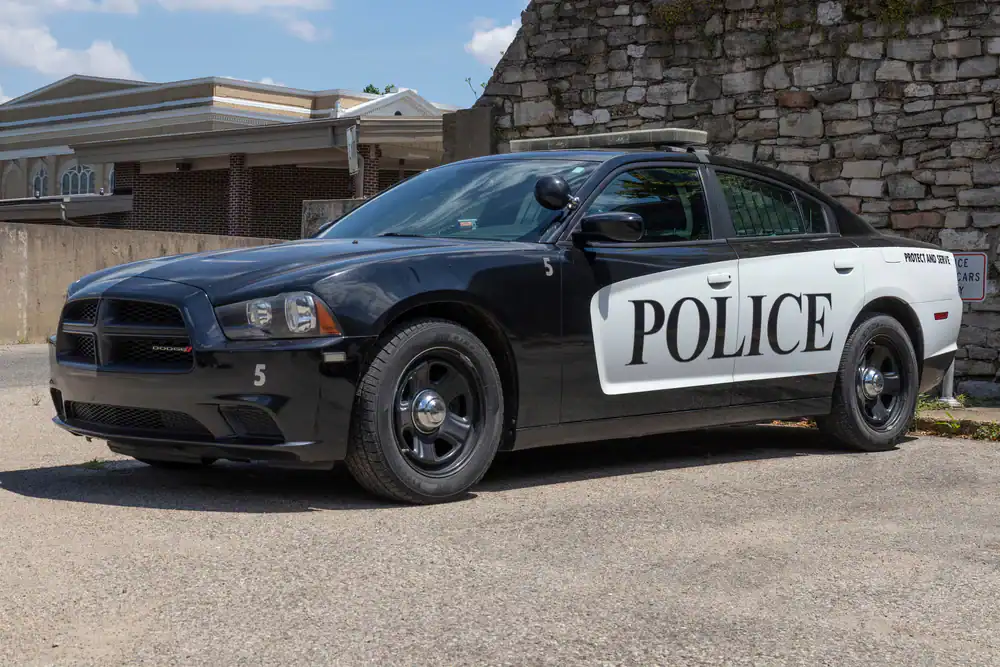
These aren’t your typical used cars. Every Ford police interceptor utility and patrol sedan we sell was engineered to handle what most civilian vehicles never see. High-speed capability, reinforced suspension, upgraded brakes, and powertrains designed for abuse and longevity.
You’re looking at vehicles that spent their service life being maintained on strict schedules. Most of the mileage is highway patrol, not stop-and-go city driving that wears engines down. That matters when you’re comparing a 130,000-mile interceptor to a 130,000-mile family SUV.
The price difference is where this gets interesting. Used cop cars for sale typically run thousands below comparable civilian models. You’re getting Ford Explorer-based SUVs or Dodge Charger sedans with performance packages at a fraction of retail cost. Same bones, better build, lower price.
Parts are easy to find and affordable because these platforms are everywhere. You’re not hunting down specialty components or paying dealer-only prices. Any competent shop can work on these, and most parts are sitting on shelves at standard auto stores.
State Surplus Auto Sales was started by Carmen Yannuzzi, who spent over 25 years in law enforcement. He watched perfectly good government vehicles head to auction for no reason other than fleet rotation. These were solid, well-maintained cars that could serve families on tight budgets for years.
For over 15 years, we’ve specialized exclusively in government surplus vehicles. We’re not a typical used car lot trying to move whatever comes through the door. We focus on cop cars for sale because we understand how they’re built, how they’re used, and what makes them worth buying.
Ramapo buyers appreciate straight talk and transparent pricing. You won’t find financing games here. We offer zero percent interest to everyone, regardless of credit score. No credit, bad credit, doesn’t matter. You see the price, that’s what you pay, and we work out terms that fit your budget without the markup.
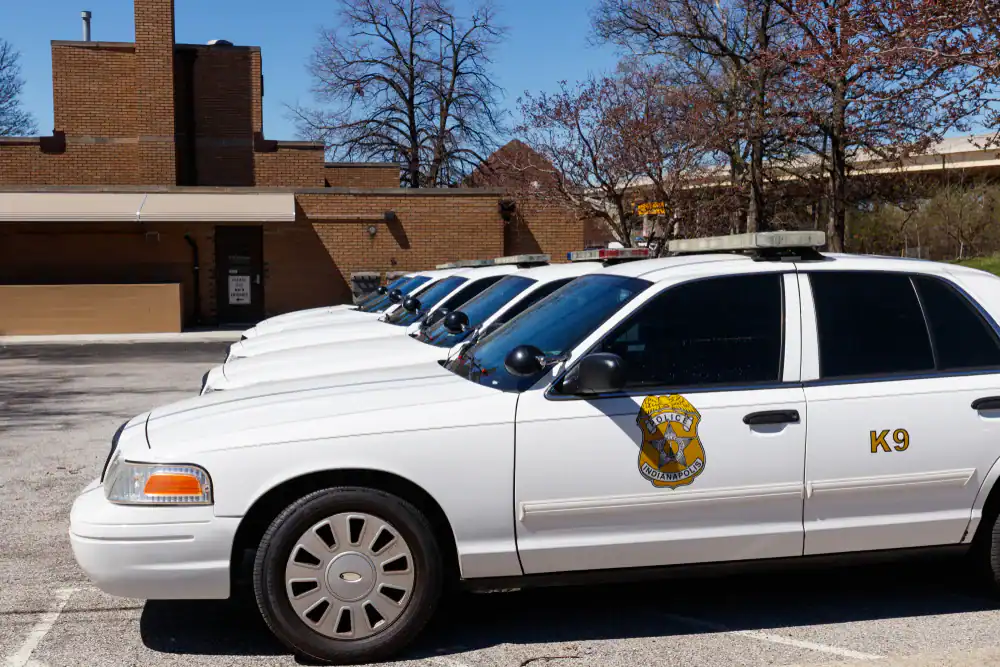
Start by browsing our current inventory online or stopping by our location near Ramapo. We keep a rotating selection of Ford police interceptor utility vehicles, Dodge Charger patrol sedans, and other government surplus models. Each listing includes mileage, model year, and available photos.
When you find something that fits your needs, come see it in person. We’ll walk you through the vehicle’s history, show you what’s been done to it, and answer questions about its service life. You’re not getting a sales pitch. You’re getting the real story about what you’re looking at.
Financing happens on the spot if you want to move forward. We handle everything in-house with zero interest rates for all customers. No bank approvals, no credit checks that tank your score, no waiting days for an answer. We figure out monthly payments that work for your situation and get you driving.
You leave with a vehicle that’s priced well below market, built tougher than civilian alternatives, and financed without the typical dealer markup. That’s the entire process.
Ready to get started?
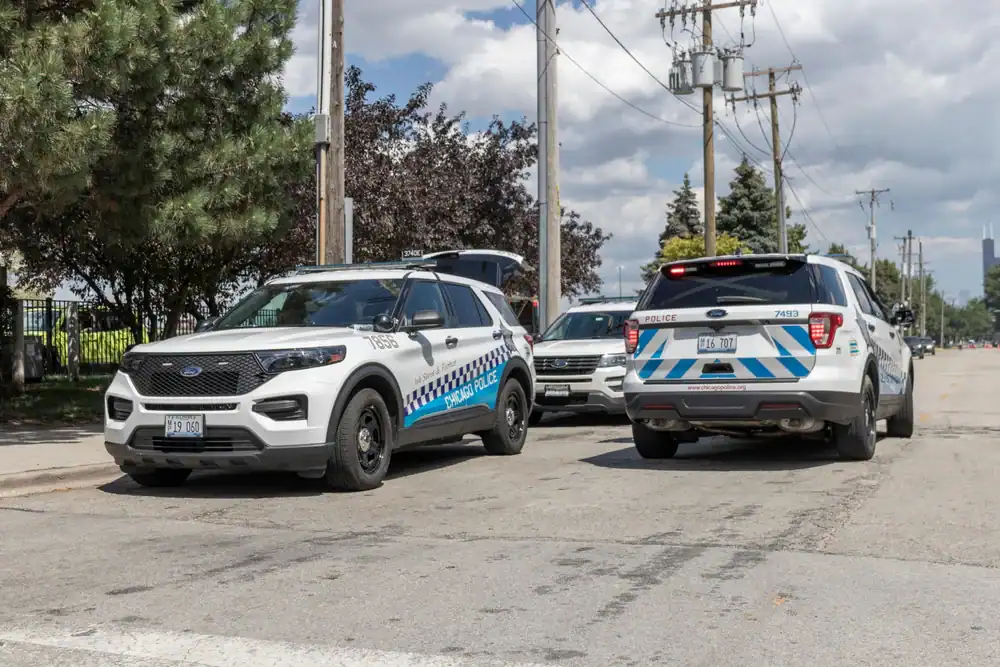
Our inventory focuses heavily on Ford police interceptor utility models from 2013 to 2023. These are the Explorer-based SUVs that became the standard for departments across the country. You’re looking at AWD capability, V6 power, and the space families actually need. Mileage typically ranges from 120,000 to 160,000 miles, with pricing starting around $5,900 and averaging near $14,000 depending on year and condition.
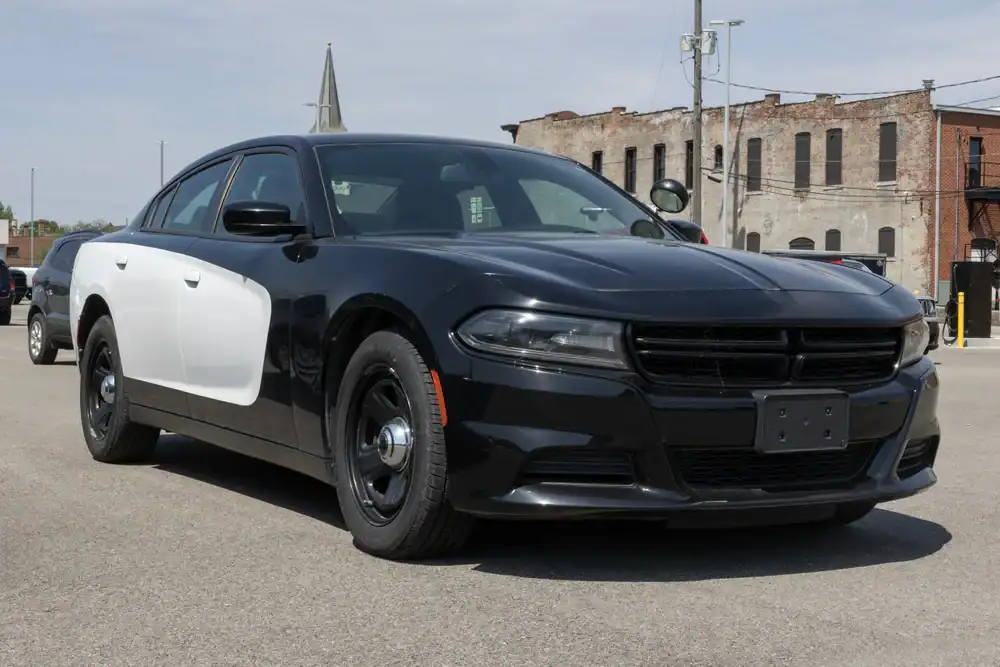
We also carry Dodge Charger police sedans when available. These come with either the 3.6-liter V6 or the 5.7-liter Hemi V8 pushing 370 horsepower. If you want something with serious power that doesn’t look like every other sedan on the road, these are worth your attention.
Ramapo’s mix of highway access and suburban driving makes these vehicles practical choices. You’re not dealing with the constant stop-and-go of dense city traffic that’s hardest on drivetrains. The Palisades Interstate Parkway, Route 59, and surrounding areas are exactly the kind of roads these interceptors were designed to patrol.
Every vehicle we sell comes as-is, which is standard for this market. You’re buying a used police interceptor that’s been decommissioned from service. Some have cosmetic wear, dashboard holes from removed equipment, or interior signs of heavy use. We don’t hide that. But the mechanical components are what matter, and that’s where these vehicles shine.
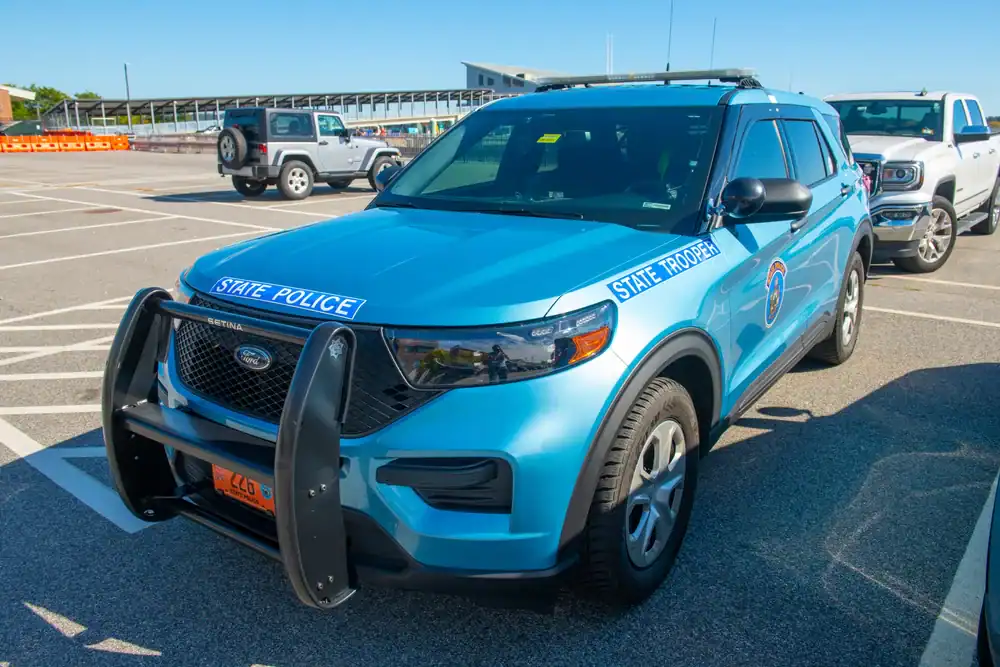
The pricing comes down to three factors: mileage, cosmetic condition, and market perception. Most police interceptors leave service with 120,000 to 160,000 miles showing. That scares off buyers who don’t understand that highway patrol mileage is far less damaging than city driving. The odometer number looks high, but the actual wear on the engine and transmission is often less than a civilian vehicle with half the miles.
Cosmetically, these vehicles show their service life. Faded paint, worn interiors, holes in the dash where equipment was mounted. Buyers focused on appearance walk away, which keeps prices down for people who care more about what’s under the hood.
There’s also a stigma. Some people don’t want to drive a former cop car, and some insurance companies charge slightly more to cover them. That reduces demand, which reduces price. If you’re not bothered by any of that, you benefit from everyone else’s hesitation.
The police interceptor utility starts as a Ford Explorer, then gets a serious upgrade package before it ever sees patrol duty. The engine, cooling system, electrical system, brakes, and suspension are all reinforced or enhanced for performance and durability. You’re getting components designed to handle high-speed pursuits, long idle times, and constant use that would break down civilian models.
The electrical system is beefed up to handle the load from lights, radios, computers, and other equipment. Even after that gear is removed, you’re left with a more robust electrical foundation. The transmission and cooling systems are built to manage extended idling and sudden acceleration without overheating or failing.
Suspension components are heavier duty to handle rough roads and aggressive driving. Brakes are upgraded for stopping power at high speeds. The fuel system and exhaust are modified for better performance. These aren’t appearance packages or luxury add-ons. These are functional improvements that extend the vehicle’s working life well beyond what a standard Explorer offers.
We finance in-house, which means we’re the bank. You’re not applying to an outside lender who’s going to run your credit, check your debt-to-income ratio, and either approve or deny you based on an algorithm. We look at your situation, figure out what monthly payment fits your budget, and structure terms that work.
Zero percent interest means exactly that. If the vehicle costs $12,000 and we agree on 24 monthly payments, you’re paying $500 per month with nothing added on top. No interest charges, no financing fees, no hidden costs that inflate the total. The price you see is the price you pay, just spread out over time.
This works because we own the vehicles outright and we’re not borrowing money to finance your purchase. We can offer terms that traditional dealers can’t because we’re not paying interest to a bank ourselves. Bad credit, no credit, previous repos, doesn’t matter. If you can make the monthly payment, we can make the deal work.
Most major insurance companies will cover former police vehicles without issue, but some charge slightly higher premiums. The reasoning varies by company. Some view any modified vehicle as higher risk. Others flag the performance capability of interceptors. A few just have blanket policies about ex-government vehicles.
Before you buy, call your insurance agent and ask specifically about covering a decommissioned police interceptor. Give them the VIN if possible so they can quote you accurately. In most cases, the difference is minimal, maybe $10 to $30 more per month. Sometimes there’s no difference at all.
If your current insurer won’t cover it or quotes something unreasonable, shop around. Plenty of companies insure these vehicles at standard rates, especially if you’re insuring them as regular transportation and not for commercial use. The key is asking upfront so you’re not surprised after you’ve already bought the vehicle. Factor that cost into your budget before you commit.
Parts availability is actually one of the biggest advantages of buying a used patrol car. These vehicles are based on common platforms like the Ford Explorer and Dodge Charger, which means parts are everywhere. Any auto parts store carries what you need, and salvage yards are full of donor vehicles because these models sold in huge numbers.
The police-specific components like reinforced suspension pieces or heavy-duty brake parts are often available through the same channels. Many performance shops stock them because civilian owners upgrade to police-spec parts for better durability. You’re not hunting down rare components or waiting weeks for special orders.
Labor costs stay reasonable because any competent mechanic can work on these vehicles. You’re not locked into dealer service or specialty shops. The engines, transmissions, and drivetrains are standard Ford or Dodge units that mechanics see constantly. That keeps hourly rates normal and prevents shops from charging premium prices for unfamiliar work. Between affordable parts and accessible service, these vehicles cost less to maintain than most people expect.
It depends entirely on the department that used it and how they maintained their fleet. Some agencies run strict maintenance schedules and rotate vehicles out while they’re still in good shape. Others push their cars hard and defer maintenance until problems develop. That’s why buying from a dealer who knows the source matters more than buying at auction where history is unclear.
Mechanically, most interceptors leaving service are solid. They’ve been maintained regularly because departments can’t afford breakdowns during shifts. Oil changes, brake work, and other routine service happened on schedule. The high mileage is real, but it’s mostly highway miles at steady speeds, which is the easiest driving on an engine.
Cosmetically, expect wear. The paint might be faded or scratched. The interior will show heavy use with worn seats and scuff marks. There will likely be holes in the dashboard where equipment was bolted in. Some buyers see that as character, others see it as damage. Either way, it’s priced accordingly. You’re not paying for a pristine vehicle. You’re paying for a mechanically sound one that’s built tougher than civilian alternatives and costs thousands less.
Other Services we provide in Ramapo