
Hear from Our Customers
These aren’t your typical used vehicles. Every Ford police interceptor utility in our West Seneca inventory was built to handle what most civilian cars never see—extended high-speed operation, constant idling, and the kind of daily demands that would break a standard vehicle in half the time.
That means larger radiators. External cooling systems for the power steering, transmission, and engine oil. The ability to run at high RPM for hours without overheating. Ford dominates 58% of police fleets in the largest U.S. cities for a reason—these vehicles are engineered differently from the ground up.
You’re getting that same durability, just without the department budget. Most used patrol cars for sale in our lot come from agencies that maintained them on strict schedules. Many have newer engines, transmissions, or tires installed before retirement. You’re not buying someone’s neglected trade-in. You’re buying a vehicle that was built tough and kept running by professionals who needed it to work every single shift.
We’ve been selling used cop cars in West Seneca and throughout Western New York since 1991. We’ve put thousands of drivers behind the wheel of reliable, performance-built vehicles that cost less than you’d expect.
We don’t do repairs, we don’t run a service shop, and we’re not trying to upsell you on anything beyond what’s sitting in our lot. We sell police interceptors—period. Ford Crown Victoria police interceptors, Ford Explorer police interceptor utility models, and other law enforcement vehicles that are ready to drive.
West Seneca families know the value of a dependable car, especially with a median household income around $70,000 and an average of two vehicles per home. You need something that works without breaking the bank. That’s exactly what we stock.
Most people buying a police interceptor for sale end up at a government auction with no chance to inspect the vehicle, no service records, and no idea what they’re actually getting. That’s not how we operate.
You come to our West Seneca lot. You look at what we have in stock. You ask questions. We’re transparent about mileage—most of our vehicles run between 120,000 and 160,000 miles, which sounds high until you understand these engines are built to hit 200,000 before they’re even considered broken in. We’re upfront about the interior too. Police departments strip equipment before auction, so you’ll see holes in the dash, removed center consoles, and some leftover wiring. That’s standard across every used patrol car for sale, not a defect.
If you want it, you buy it. No bidding wars. No hidden fees. No wondering if the vehicle you’re looking at online will still be there when you show up. We keep it simple because that’s what works.
Ready to get started?
Every Ford police interceptor utility we sell comes with the performance features that made it a law enforcement vehicle in the first place. That includes standard all-wheel drive on newer models, reinforced frames designed to pass Ford’s 75-mph rear-impact crash test, and cooling systems that let the engine run hard without risk.
You’re also getting a vehicle with documented history. For some used cop cars for sale in our inventory, service records are available. You’ll know what was replaced, when it was done, and by whom. That’s rare in the used car market, especially at these price points.
West Seneca drivers deal with cold winters and stop-and-go traffic on Transit Road and Seneca Street. These vehicles were built for worse. They’ve handled Michigan winters, high-speed pursuits, and 12-hour shifts where the engine never shut off. Your daily commute isn’t going to faze them.
The paint might show UV wear—that’s a known issue with older Crown Vics where the clear coat separates after a few years. The interior will have modifications from its police life. But the engine, transmission, and drivetrain? Those are the same components that kept officers safe and mobile for years. That’s what you’re paying for.
Yes, but you need to understand what that mileage actually represents. A Ford police interceptor with 150,000 miles isn’t the same as a civilian car with 150,000 miles. These vehicles are built to withstand over 150,000 miles before serious mechanical problems show up, and many departments consider 200,000 miles “just broken in.”
The difference comes down to engineering. Police interceptors have heavy-duty components—larger radiators, external cooling systems, reinforced suspensions—that handle extreme use. They’re designed to idle for hours, accelerate hard repeatedly, and operate at high RPM without overheating. That’s not something a standard Explorer or sedan can do.
Most agencies also maintain these vehicles on strict schedules. Oil changes happen on time. Brake pads get replaced before they fail. Transmissions and engines are often rebuilt or replaced entirely before the vehicle is retired. You’re not buying a neglected high-mileage car. You’re buying a high-mileage car that was maintained by professionals who needed it to work every single day.
The interior will be modified, and that’s something you need to accept before you buy. Police departments remove all equipment before auctioning vehicles—radios, computers, light controls, sirens. That leaves holes in the dashboard, missing center consoles, and loose wiring that used to connect to now-removed systems.
Some buyers see this as a deal-breaker. Others see it as proof the vehicle is authentic. If you’re handy or know someone who is, the holes can be patched and the wiring can be cleaned up. If you’re not, you’ll be driving a car that looks like it used to be a police car—because it was.
The seats are usually intact, though they may show wear from officers getting in and out multiple times per shift. The carpet might be stained or worn through in high-traffic areas. But the bones of the interior—the structure, the safety features, the functionality—are all still there. You’re not buying this vehicle for luxury. You’re buying it for what’s under the hood and how it drives.
Two reasons: mileage and perception. Most used cop cars for sale have higher mileage than the average buyer wants to see, even though that mileage matters less on a vehicle built for this kind of use. The second reason is that people assume police cars were “driven hard,” which they were—but they were also maintained harder than any civilian vehicle ever will be.
Civilian buyers shopping for a used Ford Explorer see a police interceptor utility with 140,000 miles and move on to a lower-mileage option. That creates downward price pressure even though the police version has better cooling, stronger brakes, and more durable components than the civilian model. You’re essentially getting a better-built vehicle for less money because other buyers don’t understand what they’re looking at.
The stripped interior and visible modifications also lower the price. Most people want a car that looks normal. If you’re okay with a vehicle that shows its history, you’re going to pay less than someone buying the same platform in civilian trim. That’s the trade-off, and it’s why these vehicles represent such strong value for buyers who know what they’re getting.
For some vehicles, yes. For others, no. It depends on the agency that retired the vehicle and whether they release maintenance records as part of the auction process. When records are available, we provide them. When they’re not, we’re upfront about that.
What you can count on is that the vehicle was maintained. Police departments don’t have the luxury of skipping oil changes or ignoring warning lights. These cars had to work, which means they were serviced regularly whether or not the paperwork followed them to auction. That’s a very different situation than buying a used car from someone who “meant to get that looked at” but never did.
If you’re the type of buyer who needs complete documentation, ask us what’s available for the specific vehicle you’re interested in before you commit. We’ll tell you what we have. But understand that even without a full service history, you’re still looking at a vehicle that was professionally maintained throughout its working life. That’s more than you can say for most used cars on the market.
Our inventory changes based on what’s available through government auctions, but we consistently stock Ford police interceptors—both the Crown Victoria Police Interceptor and the newer Ford Explorer Police Interceptor Utility models. Ford has been building purpose-built police vehicles for over 70 years, and they dominate law enforcement fleets for good reason.
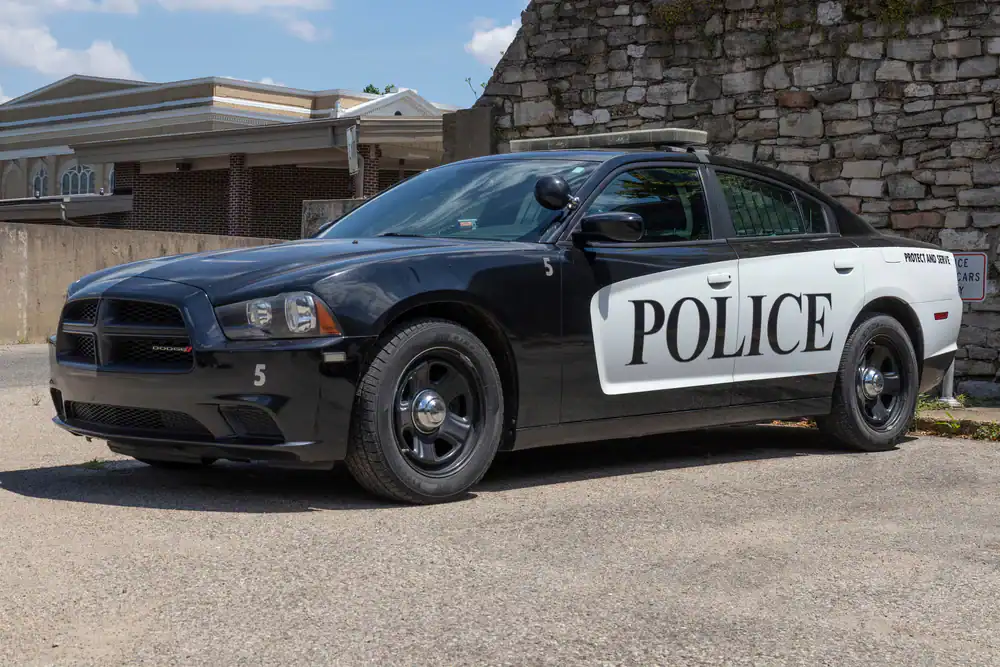
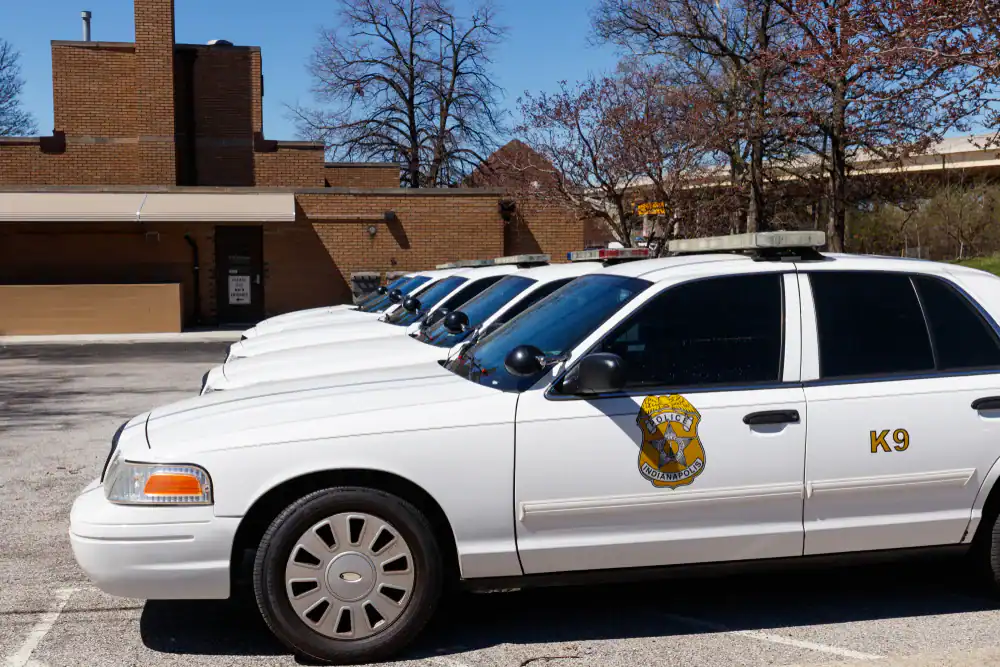
The Crown Vic is the classic. Rear-wheel drive, V8 engine, body-on-frame construction. It’s what most people picture when they think “cop car,” and it’s still one of the most reliable platforms ever built for police work. Production ended in 2011, so the ones we get now have age and mileage, but they’re still running strong.
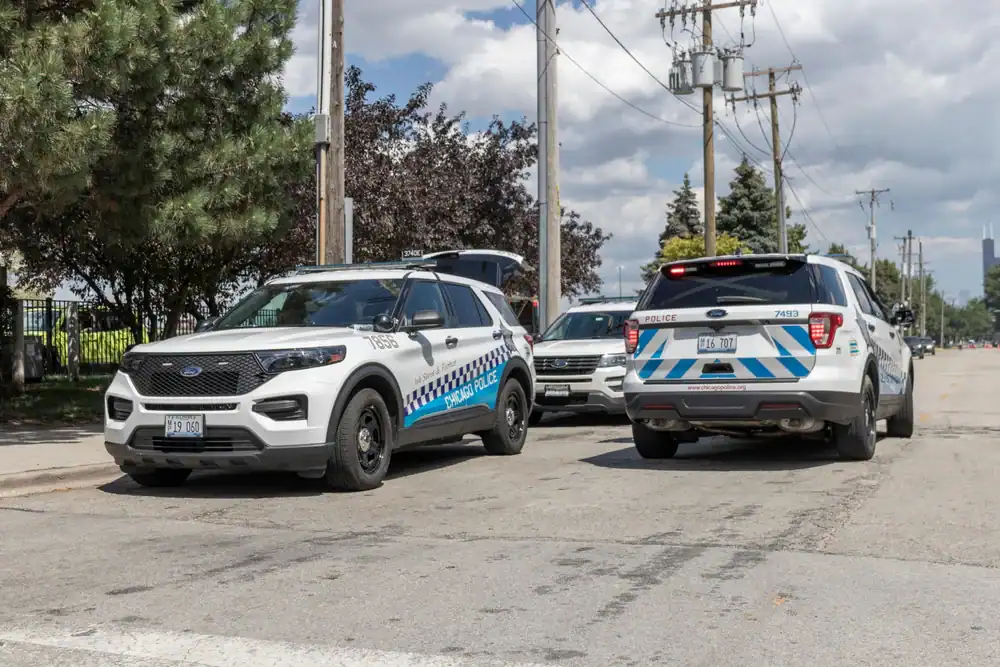
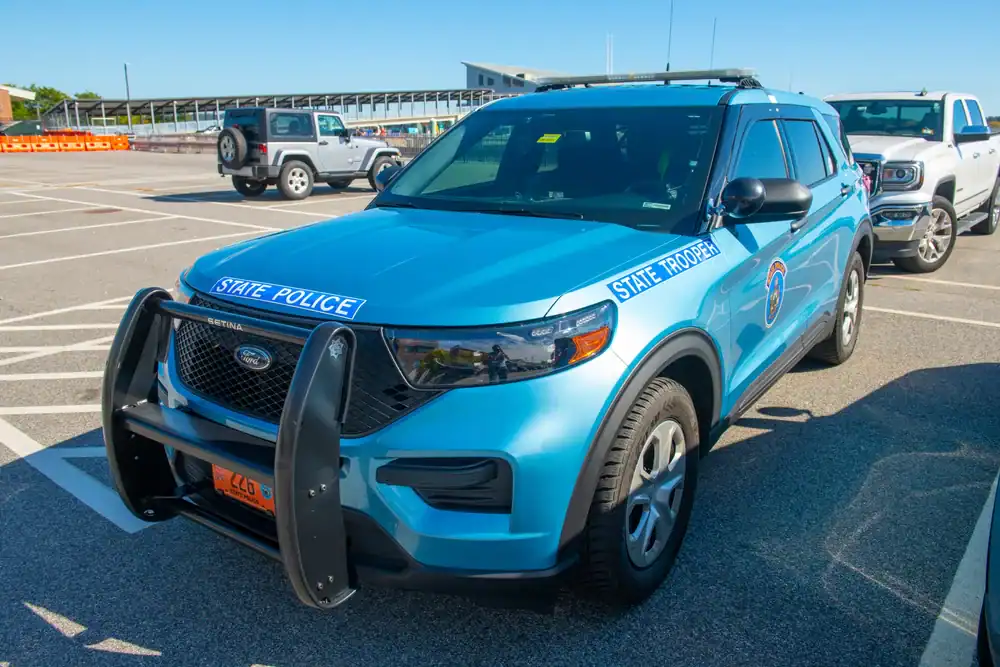
The Explorer-based Police Interceptor Utility is the modern replacement. All-wheel drive, better fuel economy, more interior space. These are what most departments use now, and they’re showing up at auction more frequently as agencies cycle through their fleets. If you want something newer with lower mileage, this is usually your best bet. Check with us directly to see what’s on the lot right now in West Seneca.
Yes, and it’s one of the most overlooked reasons to buy one. Ford’s Police Interceptor models are designed and tested to meet a 75-mph rear-impact crash test standard—a test that no civilian vehicle is required to pass. The Crown Victoria Police Interceptor was the first vehicle in the world tested to that standard, and it remains one of the few vehicles built to handle that kind of impact.
That means reinforced frames, stronger door structures, and crumple zones engineered to protect occupants in high-speed collisions. Police officers needed to survive the kinds of crashes that most drivers will never experience, and the vehicles were built accordingly. You’re getting that same structural protection when you buy a used patrol car.
The braking systems are also upgraded. Police interceptors have larger rotors, better calipers, and cooling designed to handle repeated hard stops from high speeds. The suspension is reinforced to handle pursuit driving and rough roads. These aren’t just cosmetic differences—they’re functional safety improvements that come standard on every police package vehicle. You’re not paying extra for them, but you’re absolutely benefiting from them every time you drive.
Other Services we provide in West Seneca