
Hear from Our Customers
You’re not buying someone’s neglected trade-in. These used patrol cars for sale were maintained on strict schedules by municipal fleets who couldn’t afford downtime. That means documented service intervals, heavy-duty components, and engines built to handle far more than your daily commute.
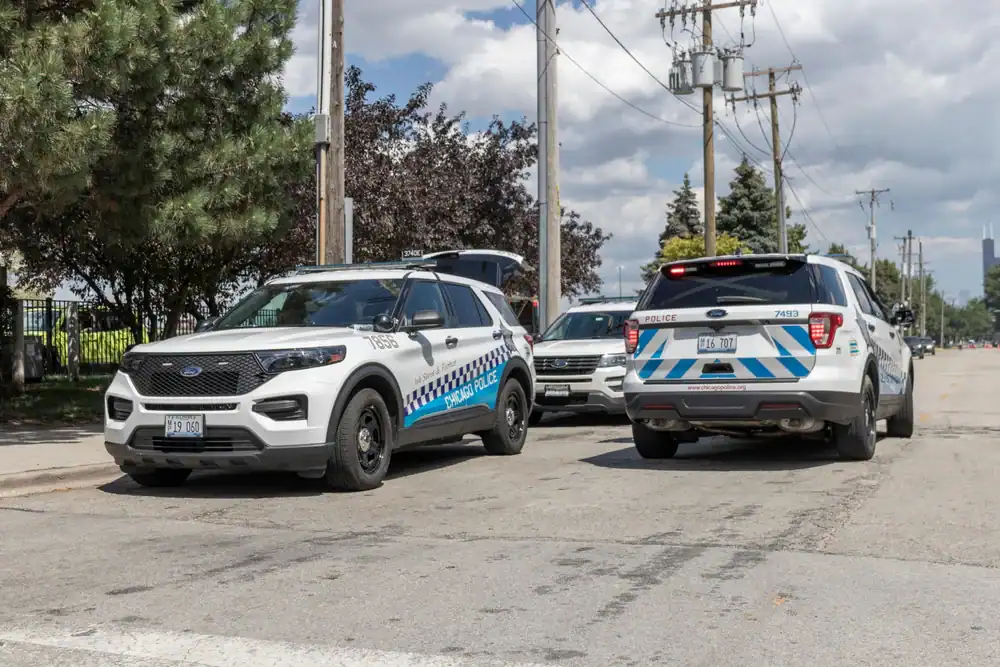
The Ford police interceptor utility in our New Brunswick, NJ inventory comes with pursuit-rated engineering. We’re talking 400-horsepower EcoBoost V6 engines, reinforced subframes, upgraded cooling systems, and braking components designed for high-speed work. These aren’t cosmetic upgrades—they’re structural differences you’d pay thousands more for in a civilian SUV.
You’ll see mileage between 100,000 and 150,000 miles on most units. That’s expected. What matters more is how those miles were accumulated—under professional fleet maintenance, not deferred oil changes and ignored warning lights. The difference shows up in how these vehicles drive and how long they last after you take ownership.
We’ve been operating out of Newark since 2003. We’re not a general used car lot that happens to have a cop car for sale in the back row. This is what we do—government surplus vehicles, police interceptors, and fleet units that most dealers won’t touch because they don’t understand the market.
New Brunswick buyers come to us because we’re transparent about what these vehicles are and aren’t. Yes, you’ll find equipment holes in the dash. Yes, the idle hours are high. We don’t hide that. We also don’t pretend a $12,000 former patrol car is the same as a $45,000 civilian Explorer—but we’ll show you exactly why it might be the smarter buy for your situation.
We offer zero-interest financing regardless of credit score. No games, no markups disguised as fees. You’re dealing with an independently-owned operation that’s been serving the New Brunswick area and surrounding communities for over two decades.
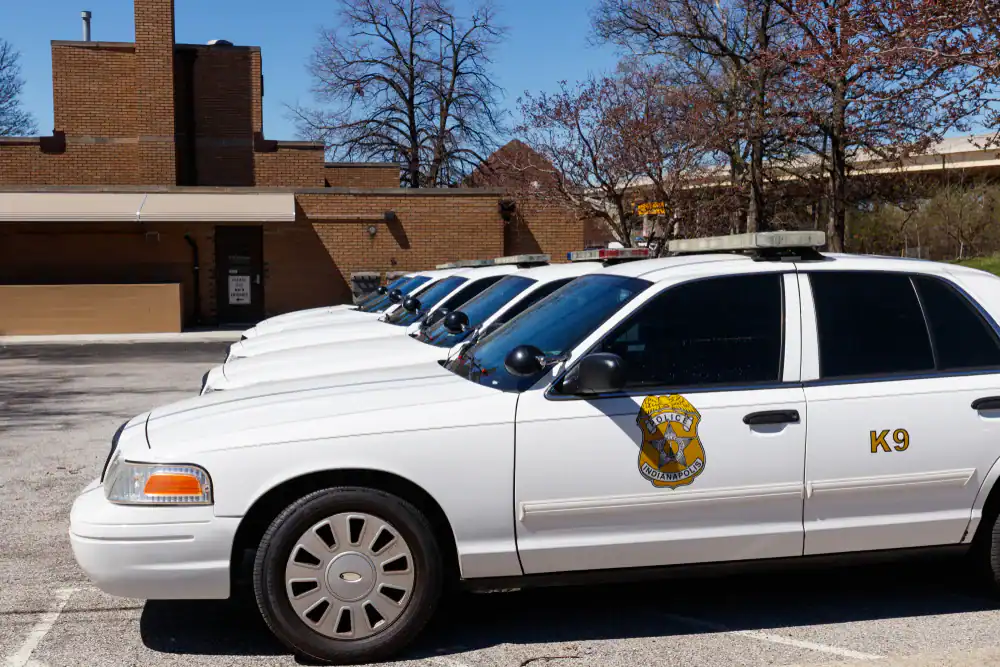
You start by browsing our current inventory online or visiting our Newark location at 833 Broadway. Our used cop cars for sale are listed with actual photos, mileage, and model year—no stock images or vague descriptions. You see what’s available right now.
When you find a unit you’re interested in, you can schedule a time to inspect it in person. We’ll walk you through the vehicle’s history, show you the equipment removal points, and answer direct questions about idle hours, prior use, and any known issues. You’re not getting a sales pitch—you’re getting the information you need to make an actual decision.
If you decide to move forward, we handle financing on-site with our zero-interest program. No credit check runaround, no waiting for bank approvals. You provide basic information, we structure a payment plan that works, and you drive off the lot. Most buyers complete the entire process in a single visit.
The vehicle comes as-is, which is standard for police car sales. There’s no warranty, but you’re also not paying warranty prices. You’re getting a professionally maintained, heavy-duty vehicle at a fraction of retail cost. For New Brunswick drivers who understand that trade-off, it’s a straightforward value.
Ready to get started?
Our current police interceptor for sale inventory includes Ford Utility models from 2015 to 2021. These are the Explorer-based AWD units with either the 3.7L V6 or the 3.0L EcoBoost twin-turbo. You’re looking at pursuit-rated platforms with reinforced frames, upgraded suspension components, and transmission coolers that civilian models don’t get.
Every unit comes decommissioned—lights, sirens, radios, and partition cages removed. You’ll see the mounting holes and some interior wear from equipment brackets. Some buyers fill and repaint these areas; others leave them as-is. Either way, the vehicle is fully drivable and street-legal the day you take delivery.
New Brunswick’s mix of highway commuting and urban driving makes these vehicles particularly practical. The intelligent AWD system handles winter weather without the fuel penalty of full-time four-wheel drive. The EcoBoost models deliver surprising efficiency for a 400-horsepower SUV—mid-20s highway isn’t unusual, even with six-figure mileage.
You won’t find extended warranties or certified pre-owned programs here. What you will find is honest pricing on vehicles with documented maintenance histories and engineering that’s proven itself in the hardest daily use most vehicles will ever see. For buyers in New Brunswick who prioritize durability and performance over showroom aesthetics, that’s often exactly what they’re looking for.
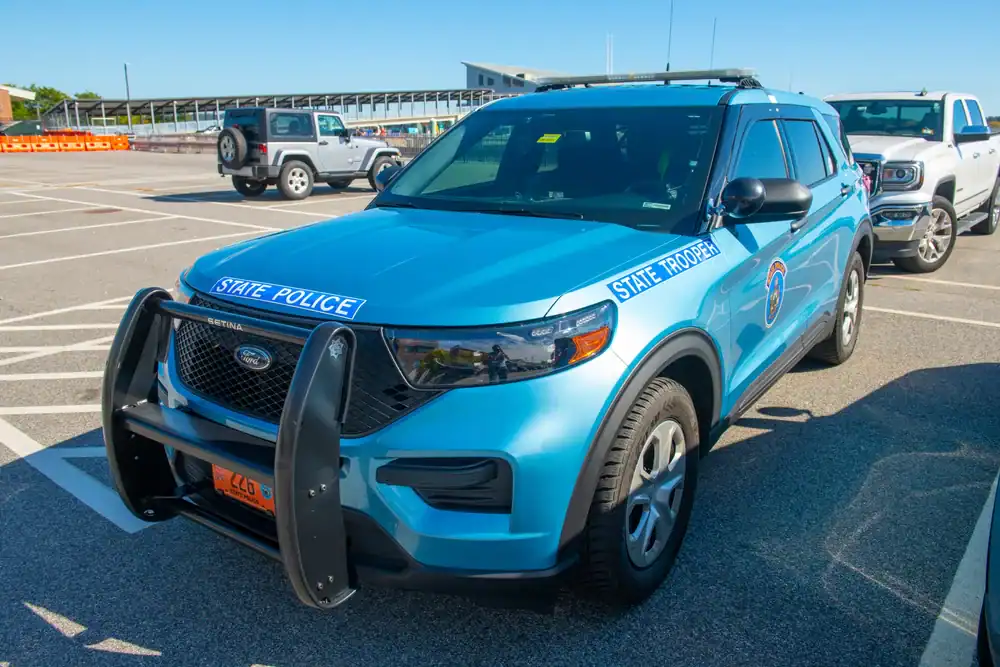
The differences are structural, not cosmetic. A Ford police interceptor utility gets a reinforced subframe, heavy-duty powertrain mounts, upgraded alternator, enhanced cooling systems, and a calibrated AWD system designed for pursuit driving. The braking system uses larger rotors with higher thermal capacity and unique calipers that retract farther for better cooling.
The suspension components are heavier-duty, the hubs and bearings are larger, and the transmission includes additional cooling that civilian models don’t have. These aren’t appearance packages—they’re engineering changes that affect how the vehicle performs under stress and how long components last.
You’re also getting a vehicle that was maintained on a strict schedule because fleet downtime costs municipalities money. Oil changes, brake inspections, fluid services—these happened on time, not when someone finally got around to it. That maintenance history matters more than the mileage number on most used vehicles.
Because these vehicles were working 24/7 in municipal fleets, often across multiple shifts. A patrol car might accumulate 30,000 to 40,000 miles per year, which is two to three times what a typical personal vehicle sees. That’s expected and factored into the pricing.
What the odometer doesn’t show is idle hours. Police vehicles idle extensively—during traffic stops, report writing, surveillance, and equipment charging. A unit with 120,000 miles might have another 3,000 to 5,000 hours of idle time. That’s real engine wear, but it’s also why these vehicles are built with heavy-duty cooling systems and components designed for that exact use case.
The question isn’t whether the mileage is high—it is. The question is whether the vehicle was maintained properly during those miles. Municipal fleets keep detailed service records and follow manufacturer intervals because they can’t afford breakdowns. That’s the trade-off you’re evaluating when you buy a used patrol car.
They can be, but it depends on what you’re comparing them to and how you define reliability. These vehicles were built for durability and maintained professionally, which is a strong foundation. But they’ve also been used hard—high idle hours, frequent stop-and-go driving, and equipment loads that civilian vehicles never see.
Certain components will need attention sooner than on a lower-mileage civilian vehicle. Suspension parts, brakes, and cooling system components take the most abuse in police service. If those have been recently serviced or replaced, you’re in good shape. If they haven’t, budget for them.
The powertrain itself—engine and transmission—is typically the most reliable part of a former patrol car because those components are overbuilt for police use and maintained religiously. It’s not unusual to see these vehicles run well past 200,000 miles if you stay on top of basic maintenance. You’re not buying a trouble-free vehicle, but you’re buying one that was engineered for exactly the kind of hard use it experienced.
Start with the interior equipment removal points. Check the dash, center console, and headliner for holes or damaged trim from radio mounts, computer brackets, and light controls. Some buyers care about this; others don’t. Either way, you should know what you’re looking at.
Check the suspension by pushing down on each corner of the vehicle. Worn shocks or struts will be obvious—the vehicle will bounce more than once or feel loose. Look at the brake rotors for scoring or excessive wear. These are high-use components on patrol cars and good indicators of how hard the vehicle was worked.
Under the hood, look for fluid leaks, particularly around the transmission cooler lines and power steering system. Check the coolant for rust or contamination. Ask about idle hours if that information is available—it won’t be on the odometer, but fleet records sometimes include it. Finally, test drive the vehicle at highway speed. The transmission should shift smoothly, the engine should pull strong without hesitation, and you shouldn’t hear any unusual noises from the drivetrain or suspension.
Yes. We offer zero-interest financing regardless of your credit score. That’s not a promotional rate or a limited-time offer—it’s how we structure our sales. You’re not dealing with third-party lenders or waiting for bank approvals.
We handle the financing in-house, which means we can work with buyers who might not qualify for traditional auto loans. The process is straightforward: you provide basic information, we structure a payment plan based on the vehicle price and your budget, and you leave with the vehicle.
There’s no prepayment penalty, no hidden fees, and no markup disguised as a finance charge. You’re paying the listed price of the vehicle spread across whatever term makes sense for your situation. For New Brunswick buyers who need reliable transportation but don’t have perfect credit or a large down payment, it’s often the most practical way to get into a dependable vehicle.
Sometimes, but not always. It depends on your insurance company and how they classify the vehicle. Some insurers treat a decommissioned police interceptor the same as any other used Ford Explorer. Others flag it as a former emergency vehicle and either increase the premium or limit coverage options.
The best approach is to call your insurance provider before you buy and ask specifically how they handle former police vehicles. Give them the VIN if possible so they can quote you accurately. Some companies won’t insure these vehicles at all; others don’t care as long as all emergency equipment has been removed.
If your current insurer won’t cover it or quotes you a ridiculous rate, shop around. There are companies that specialize in non-standard vehicles and former fleet units. You might pay slightly more than you would for a comparable civilian SUV, but the difference is usually manageable—and often offset by the lower purchase price of the vehicle itself.
Other Services we provide in New Brunswick