
Hear from Our Customers
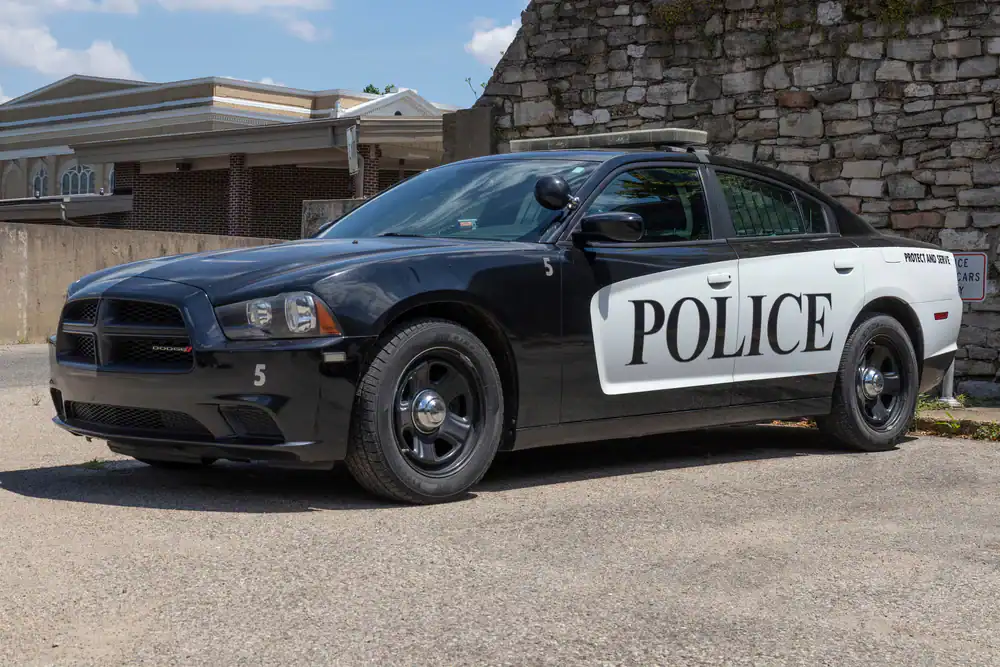
You get a vehicle that was maintained on a schedule most car owners never follow. Police departments don’t skip oil changes or ignore brake wear. These interceptors were inspected regularly, serviced consistently, and built with heavy-duty components that civilian models don’t get.
Yes, they’ve been driven hard. But they were also built for it. Reinforced frames, upgraded suspension, powerful engines designed for pursuit work—these aren’t features you find on a standard sedan or SUV.
The Ford Police Interceptor Utility is one of the most common models you’ll find in our Newark inventory. It’s roomy, all-wheel drive in most cases, and parts are everywhere. You’re not buying some rare vehicle that’ll cost you a fortune every time something needs replacing. You’re buying a proven workhorse that mechanics know inside and out.
Most used patrol cars for sale sit in the $5,000 to $15,000 range depending on mileage and condition. Compare that to a used civilian SUV with similar years and features—you’re easily looking at $20,000 or more. The difference isn’t just in the price tag. It’s in what you’re actually getting for your money.
We don’t dabble in police interceptors. It’s all we do. That focus means we know these vehicles better than a general used car lot ever will.
We’re based in Newark, NJ, serving buyers across the tri-state area who want a straight answer about what they’re buying. No inflated promises. No hiding behind vague descriptions. You’ll see the mileage, the condition, and the history before you make a decision.
Our inventory turns over regularly because demand is real. Families looking for affordable second vehicles, rideshare drivers who need something durable, small business owners who want a fleet vehicle that won’t break the bank—they all come here because the value is hard to ignore.
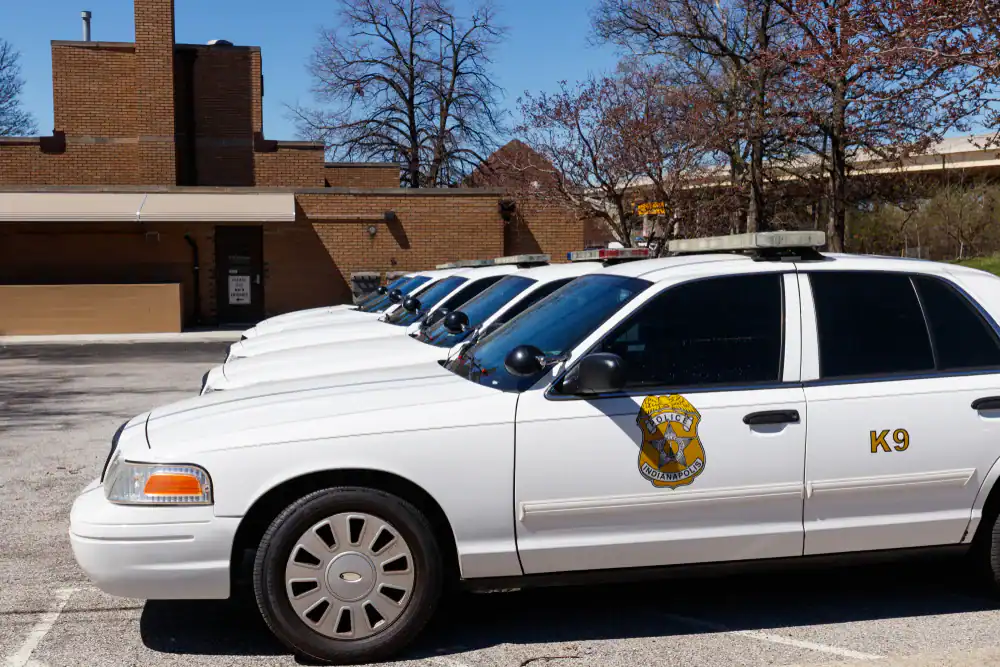
You start by browsing our current inventory of used cop cars for sale. Each listing includes the year, model, mileage, and condition details. Most of what we carry are Ford Police Interceptor Utility models and some Ford Crown Interceptor sedans—both known for reliability and parts availability.
Once you find something that fits your budget and needs, you can come see it in person at our Newark location. You’ll get a chance to inspect the vehicle, ask questions, and take it for a test drive if you want. We’re not hiding anything under the hood.
If you decide to move forward, the paperwork is straightforward. These are titled vehicles, not salvage or auction-only units. You buy it, register it, insure it like any other used car. Some buyers are local and drive off the same day. Others are coming from out of state and arrange transport.
We’ve sold thousands of police interceptors over the years. The process doesn’t need to be complicated, and we don’t make it that way.
Ready to get started?
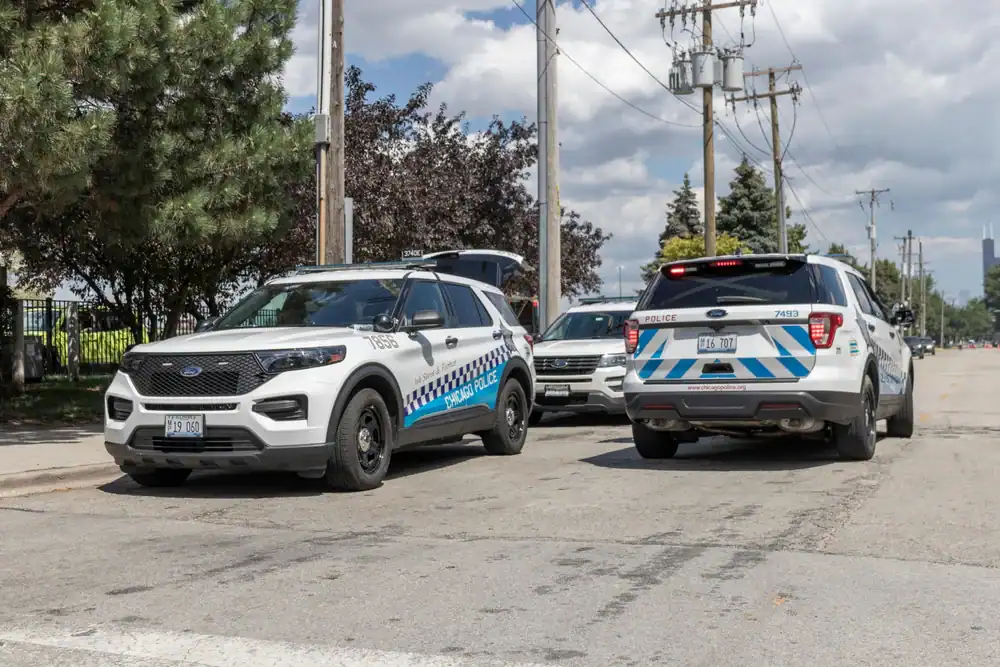
Our inventory focuses heavily on the Ford Police Interceptor Utility—the most widely used police vehicle in the country over the past decade. You’ll also find Ford Crown Interceptor sedans, which have a loyal following for their simplicity and rear-wheel-drive layout.
These aren’t luxury vehicles. The interiors are basic. You won’t find heated leather seats or premium sound systems. What you will find is a vehicle designed to run all day, handle rough roads, and keep going when a civilian car would’ve quit.
Most of the interceptors we sell in Newark have between 100,000 and 150,000 miles. That sounds like a lot until you consider how they were maintained. Police fleets follow strict schedules. They don’t wait until something breaks to fix it. Oil changes, brake inspections, tire rotations—it all happened on time, every time.
Parts availability is another big reason people buy these. Walk into any auto parts store in Newark or anywhere else, and they’ll have what you need for a Ford Interceptor. Mechanics know these vehicles. You’re not dealing with some obscure model that requires special orders and inflated labor rates.
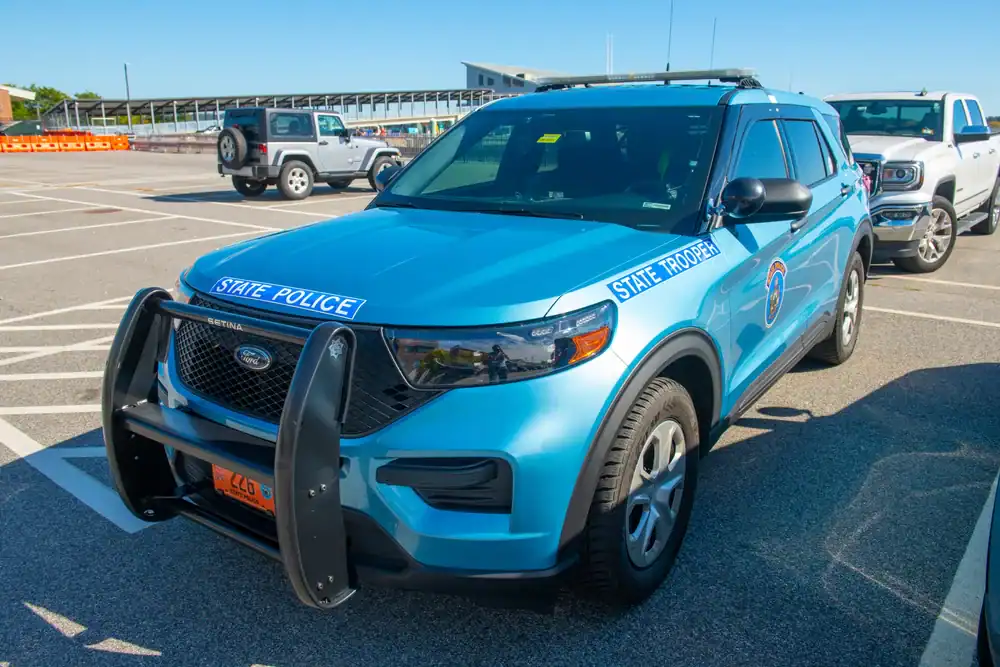
The price difference comes down to mileage and perception. Most police interceptors have over 100,000 miles, and a lot of buyers won’t even look at a vehicle with that kind of odometer reading. That drives the price down, even though the vehicle itself is often in better mechanical shape than a lower-mileage civilian car that wasn’t maintained as well.
There’s also a stigma. Some people don’t want to drive a former police car. They think it’ll attract attention or come with problems. That stigma works in your favor if you’re focused on value over image.
The reality is you’re buying a vehicle that was built with commercial-grade components and maintained by a fleet that couldn’t afford breakdowns. You’re just buying it after it’s already depreciated heavily, which is exactly when the value equation tips in your favor.
Most insurance companies will cover a former police vehicle without any issue, but it’s worth calling your agent before you buy. Some insurers treat them like any other used car. Others might ask a few extra questions or want to see photos.
The key is being upfront. Let them know it’s a decommissioned police interceptor, not an active duty vehicle. There’s no emergency equipment still installed, no lights or sirens. It’s titled and registered as a regular passenger vehicle.
In most cases, your rate won’t be dramatically different from insuring a civilian version of the same model. The Ford Police Interceptor Utility, for example, is based on the Ford Explorer platform. Insurance companies know how to rate it. Just don’t assume anything—make the call first and get it in writing.
Yes. The Ford Police Interceptor Utility shares most of its parts with the civilian Ford Explorer, which is one of the best-selling SUVs in the country. That means parts are stocked everywhere, from big-box auto stores to local shops in Newark.
Even the heavy-duty components that are specific to the police version—things like upgraded brakes or reinforced suspension parts—are widely available because so many of these vehicles were produced. Mechanics are familiar with them. You’re not explaining what you drive every time you need work done.
This is a huge advantage over buying some off-brand or rare vehicle where every repair turns into a special order and a week-long wait. With a police interceptor, you’re dealing with a platform that’s been mass-produced and widely serviced for years.
The Police Interceptor Utility is built on the same platform as the Ford Explorer, but it’s not the same vehicle. The interceptor gets a heavy-duty suspension, a more powerful engine in most configurations, upgraded brakes, and a reinforced frame. It’s designed to handle pursuit driving, long idle times, and rough treatment.
The interior is stripped down. No fancy trim, no extra electronics. That’s actually a benefit if you want something simple and reliable. Fewer things to break means fewer expensive repairs down the line.
The all-wheel-drive system on most interceptors is also tuned differently. It’s built for performance and stability, not just all-weather commuting. If you’ve ever driven in a Newark winter, you know how valuable that can be. The interceptor handles snow and ice better than most civilian SUVs because it was designed for officers who couldn’t afford to get stuck.
That depends on how you drive it and how well you maintain it, but these vehicles are built to go well beyond 200,000 miles if you take care of them. Police departments retire them based on budget cycles and fleet rotation schedules, not because the vehicle is done.
You’re buying a car that’s already proven it can handle high-stress use. Now it’s going to live a much easier life as a family vehicle, work truck, or rideshare car. That’s a lot less demanding than 12-hour patrol shifts and pursuit driving.
The key is keeping up with basic maintenance. Change the oil, rotate the tires, replace the brakes when they’re worn. Do that, and you’ll get years of reliable use. Ignore it, and you’ll have problems—same as any vehicle. The difference is that a police interceptor starts from a stronger foundation than most used cars you’ll find at this price point.
In most cases, yes. Many of the police interceptors we sell come with some form of service documentation from the department that used them. It’s not always a complete history, but it’s more than you’d get from a random used car with no records at all.
You’ll know where the vehicle came from, roughly how it was used, and what major services were completed before it was decommissioned. Some departments are better about documentation than others, but the fact that these were fleet vehicles means there’s usually something on file.
If you want to run a vehicle history report, you can do that too. The VIN is available on every listing. You won’t find accidents or damage that wasn’t disclosed because these vehicles go through a process before they’re sold. They’re not being dumped on the market to hide problems—they’re being sold because the department is upgrading its fleet.
Other Services we provide in Newark