
Hear from Our Customers
Most people shopping for used cop cars aren’t collectors. You’re looking for something that runs strong, costs less than a typical used sedan or SUV, and won’t fall apart when you need it most. That’s exactly what these vehicles deliver.
These aren’t luxury rides. They’re work vehicles that spent years on patrol, often with 100,000+ miles on the odometer. But here’s what matters: they were maintained on strict schedules by municipal fleets, built with heavy-duty components from the factory, and designed to handle conditions that would destroy a regular car. You’re getting a Dodge Charger Pursuit with a 5.7L Hemi V8 or a Ford Police Interceptor Utility with all-wheel drive for a fraction of what you’d pay for the civilian version.
The appeal is simple. You want reliable transportation without the new car payment or the used car lottery. These vehicles were built for durability first, which means reinforced frames, upgraded cooling systems, and performance drivetrains that can take a beating. When you’re driving for Uber, running a small business, or just need a second vehicle that won’t quit, that matters more than leather seats.
State Surplus Auto Sales isn’t a traditional used car lot. We specialize exclusively in decommissioned police vehicles, which means we know these cars inside and out. You’re not getting a sales pitch from someone who learned about cop cars last week.
Abington sits in Montgomery County, where drivers know the value of a vehicle that can handle stop-and-go traffic, rough winters, and daily wear without constant trips to the mechanic. That’s why used police cruisers for sale make sense here. They’re built for exactly that kind of punishment.
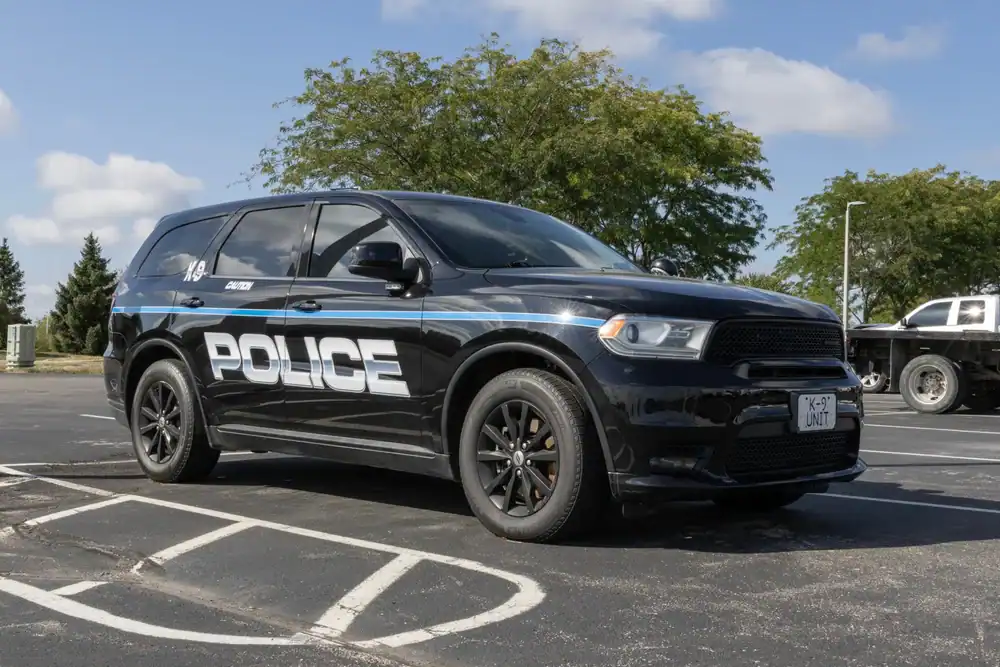
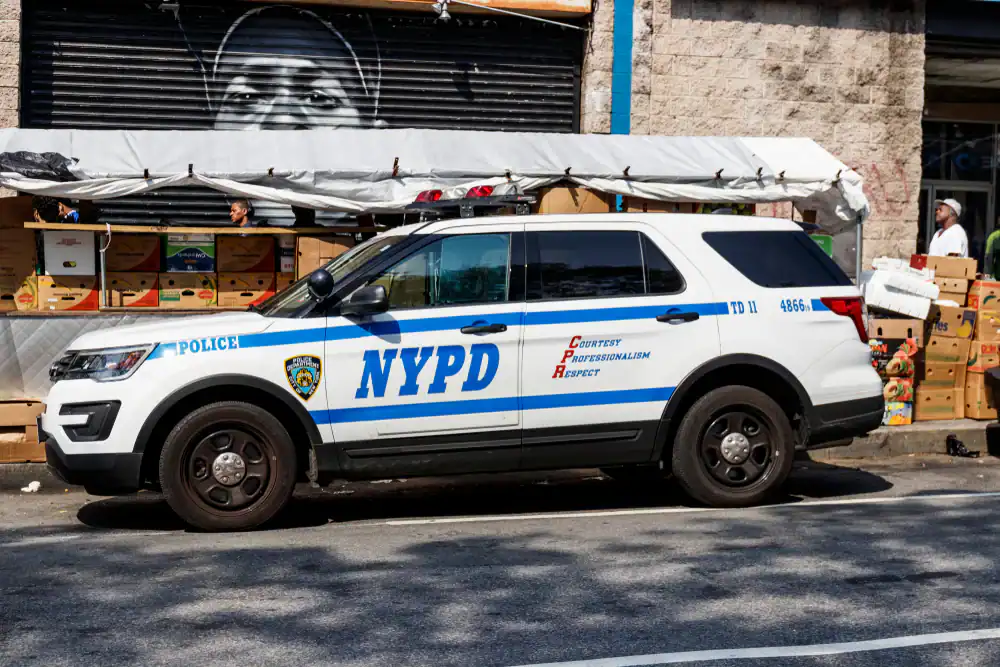
When you’re shopping with us, you’re looking at real inventory from actual law enforcement agencies. These are the same Ford Interceptors and Dodge Chargers you see on patrol every day, now available to civilian buyers who want proven performance without the premium price.
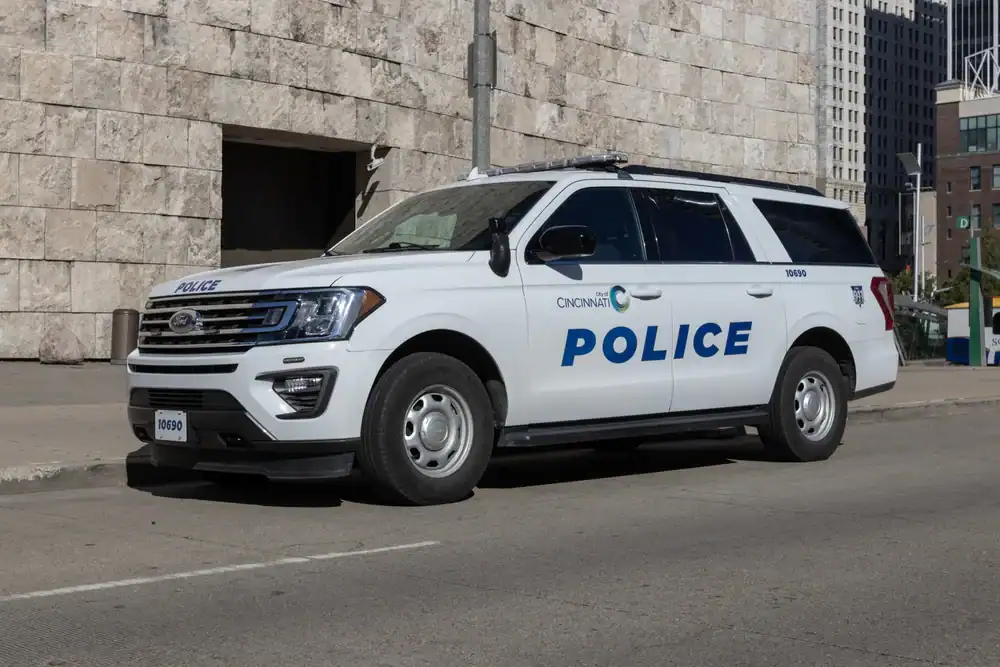
You start by looking at what’s actually in stock. Our inventory rotates as we acquire vehicles from different agencies, so what you see is what’s available right now. Most of our selection includes Ford Police Interceptor Utilities, Dodge Charger Pursuits, and Chevrolet Tahoe Police Packages.
Once you find something that fits your needs and budget, you can inspect it in person. We’re upfront about condition. These vehicles have been used hard, and you’ll see evidence of that in the interior wear, high mileage, and sometimes cosmetic damage. What you won’t see is us hiding problems or pretending these are showroom vehicles.
After you’ve looked it over and decided it’s the right fit, the buying process is straightforward. You’re purchasing a used vehicle as-is, which is standard for police surplus sales. You handle your own financing if needed, complete the paperwork, and drive it home. No extended warranties, no upsells, no pressure. Just a solid vehicle at a fair price.
Ready to get started?
When you buy a used cop car from us, you’re getting a vehicle that was purpose-built for law enforcement. That means factory upgrades most civilian buyers never see: heavy-duty alternators to run lights and electronics, reinforced suspension to handle curb strikes and rough roads, upgraded brakes for high-speed stops, and cooling systems designed for extended idle times.
The Abington area has a strong used car market, with buyers who do their research and know what they’re looking at. You’re not walking in blind. You understand that a Ford Interceptor for sale with 120,000 miles isn’t the same as a regular Explorer with the same mileage. The Interceptor was maintained by a fleet department, not an individual owner who may or may not have kept up with oil changes.
Common models in our inventory include the Dodge Charger Pursuit with the 5.7L Hemi V8 that puts out 370 horsepower, the Ford Police Interceptor Utility with EcoBoost engines and all-wheel drive, and occasionally Chevrolet Tahoes or Impalas depending on what agencies are retiring. These aren’t stripped-down base models. They’re performance vehicles with upgraded drivetrains, stability control, and safety features that were installed for officer protection.
You’re also getting a vehicle that’s simple to maintain. Parts are readily available because these are based on popular civilian platforms. Any mechanic in Montgomery County can work on a Charger or an Explorer. You’re not dealing with exotic components or hard-to-find parts. That keeps your long-term costs down, which is part of why these vehicles make sense for budget-conscious buyers.
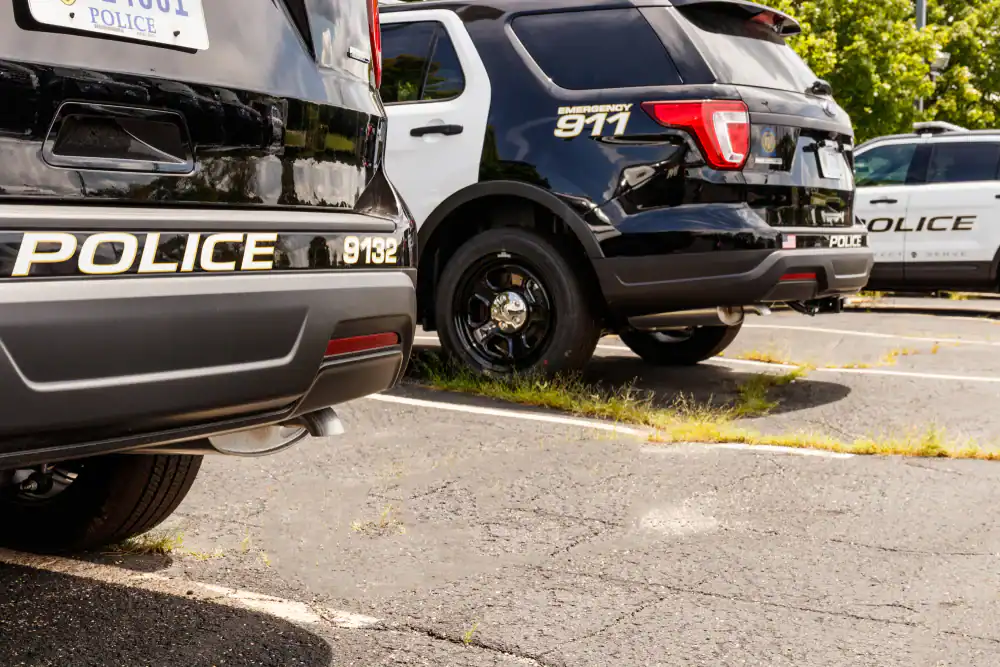
The price difference comes down to three things: mileage, condition, and perception. Most retired cop cars for sale have been driven hard, often racking up 100,000 to 150,000 miles during their service life. They’ve spent thousands of hours idling, which adds engine wear that doesn’t show on the odometer. The interiors usually show damage from equipment installations, and the exteriors often have scratches, dents, or faded paint from years of outdoor parking.
There’s also a stigma. Some buyers don’t want to drive a former police vehicle, whether it’s because of the look, the association, or concerns about reliability. That stigma drives prices down, which works in your favor if you’re focused on value over appearance.
But here’s what balances that out: these vehicles were maintained on strict schedules by fleet departments. They received regular oil changes, brake inspections, and mechanical work that many privately owned vehicles never see. When something broke, it got fixed. That maintenance history, combined with heavy-duty components installed at the factory, means you’re getting a vehicle that’s been used hard but also cared for in ways that matter for longevity.
Start with the mileage and idle hours if that information is available. High idle time means more engine wear than the odometer suggests, so factor that into your decision. Look at the interior condition closely. You’ll see holes from equipment mounts, worn seats, and sometimes damaged door panels. Decide whether that bothers you or if you’re willing to live with it for the price savings.
Check the exterior for damage. Small dents and scratches are normal, but look for signs of serious impacts or frame damage. Pop the hood and look for fluid leaks, worn belts, or obvious mechanical issues. If you’re not comfortable doing this yourself, bring a mechanic. We won’t object to a pre-purchase inspection.
Ask about the vehicle’s history if possible. Which department used it? What kind of duty did it see? Highway patrol vehicles often have higher mileage but less stop-and-go wear than city patrol cars. Find out what maintenance was done before it was retired. Some agencies install new tires, brakes, or batteries before selling vehicles, while others sell them as-is the moment they’re decommissioned.
Yes, but with context. The Ford Police Interceptor Utility, based on the Explorer platform, is one of the most common police vehicles in the United States. It’s popular because it’s reliable, spacious, and capable. The 3.0L EcoBoost engine performs well in independent testing, and the all-wheel-drive system handles weather and rough roads without issue.
That said, you’re buying a used vehicle with high mileage and a hard service life. Things will need attention. You might need to replace worn suspension components, brake pads, or tires sooner than you would on a low-mileage civilian vehicle. The key is that parts are affordable and widely available, and any competent mechanic can work on these vehicles.
For everyday driving, they’re more than capable. They’re roomy enough for families, powerful enough for highway merging and passing, and tough enough to handle potholes and rough roads that would damage lighter vehicles. If you’re using it for rideshare, delivery work, or just commuting, it’ll do the job without complaint. Just keep up with basic maintenance and address issues as they come up.
Yes. Once a police vehicle is decommissioned and sold to a civilian buyer, it’s titled and registered like any other used car. You’ll receive a standard title, not a fleet or government title, and you can register it with PennDOT without any special requirements.
Insurance works the same way. You’ll get quotes based on the vehicle’s make, model, year, and your driving history, just like any other car. Some insurance companies might ask questions about modifications or previous use, but in most cases, you’re insuring a Dodge Charger or Ford Explorer, and that’s how they’ll treat it.
One thing to keep in mind: some agencies remove police equipment before selling vehicles, while others leave certain items installed. If there’s any remaining emergency equipment like light bars or sirens, you’ll need to remove it before registering the vehicle. Pennsylvania law prohibits civilians from operating vehicles with active emergency equipment. Most agencies strip that equipment before sale, but double-check to avoid issues down the road.
Police interceptors are built on the same platforms as civilian vehicles, but they include factory upgrades designed for law enforcement use. The Dodge Charger Pursuit, for example, uses the same body as a regular Charger, but it comes with a more powerful engine, upgraded cooling systems, reinforced suspension, heavy-duty brakes, and a calibrated transmission for pursuit driving.
The Ford Police Interceptor Utility is based on the Explorer, but it includes all-wheel drive as standard, a higher-output alternator to power lights and electronics, steel wheels instead of alloys, and additional structural reinforcement. The interiors are stripped down, with vinyl seats instead of cloth or leather, minimal luxury features, and mounting points for equipment like computers and radios.
These differences make interceptors more durable and capable than their civilian counterparts, but they also make them less comfortable and less refined. You’re not getting heated seats, premium sound systems, or advanced infotainment. You’re getting a vehicle built to work, not to impress. For buyers who prioritize function over form, that’s exactly what makes them appealing.
That depends on how they were used, how they were maintained, and how you treat them after purchase. A well-maintained interceptor with 120,000 miles can easily run another 50,000 to 100,000 miles if you stay on top of maintenance. The heavy-duty components installed at the factory are designed for longevity, and the regular fleet maintenance these vehicles received helps extend their lifespan.
The biggest factor is how you use it. If you’re driving it gently for commuting or errands, it’ll last longer than if you’re putting it through heavy delivery use or constant stop-and-go driving. Pay attention to wear items like brakes, tires, and suspension components, and replace them as needed. Keep up with oil changes, fluid checks, and other routine maintenance.
Some buyers get years of reliable service from used cop cars, while others run into issues sooner. The difference usually comes down to the specific vehicle’s history and how well it’s maintained after purchase. These aren’t bulletproof, but they’re built tougher than most used cars in the same price range, and that gives you a better shot at long-term reliability.
Other Services we provide in Abington