
Hear from Our Customers
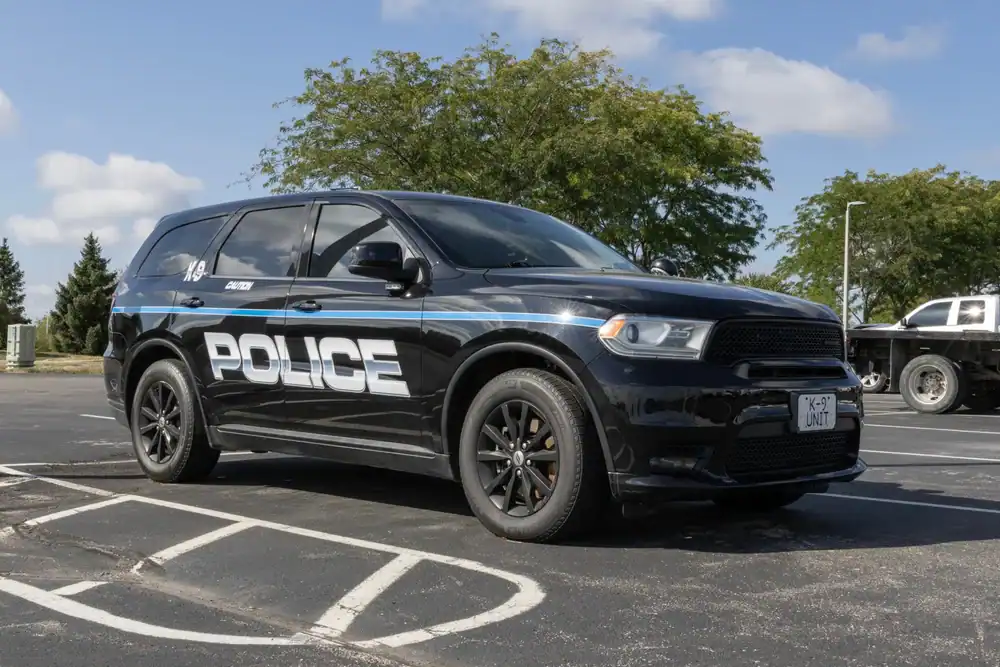
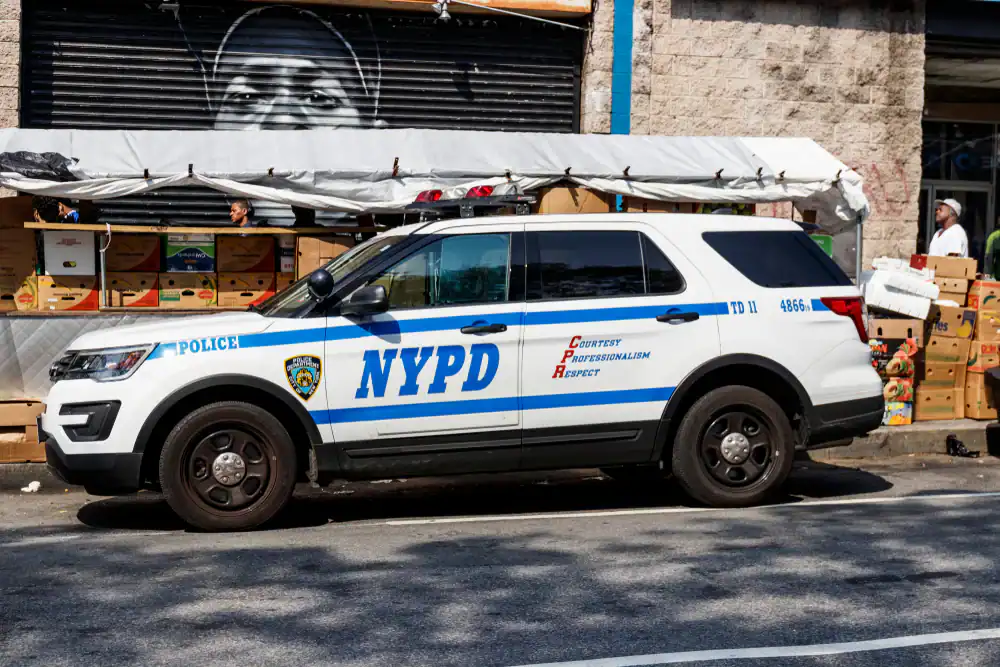
Most used cop cars for sale are priced thousands below what you’d pay for the same model without the police package. You’re looking at Ford Interceptors, Dodge Chargers, and Crown Victorias that were built to handle rough conditions and kept running by departments with strict maintenance schedules.
The appeal is simple. You need a vehicle that won’t quit on you, and you don’t want to drain your savings to get it. These retired cop cars were designed for durability first, not luxury, which means fewer electronic systems to fail and more straightforward mechanics when something does need attention.
Chambersburg drivers know what matters in a vehicle. With an average commute under 20 minutes and most households owning two cars, you’re probably looking for something reliable that can handle daily use without constant trips to the shop. Former police cruisers fit that need better than most vehicles in this price range.
We don’t dabble in police car sales as a side offering. It’s all we do. That focus means we understand these vehicles in ways general used car dealers don’t, from their service histories to what makes certain models better buys than others.
Our inventory comes directly from law enforcement agencies that have retired their fleet vehicles. You’re buying from us because we know the difference between a patrol car that sat idling for hours versus one that logged highway miles. That knowledge matters when you’re making a decision.
Chambersburg sits in Franklin County, where practical transportation matters more than flash. The median household income here is around $56,000, and most people aren’t looking to overspend on a vehicle. We stock pre owned police cars for sale that match what local buyers actually need: affordable, dependable transportation.
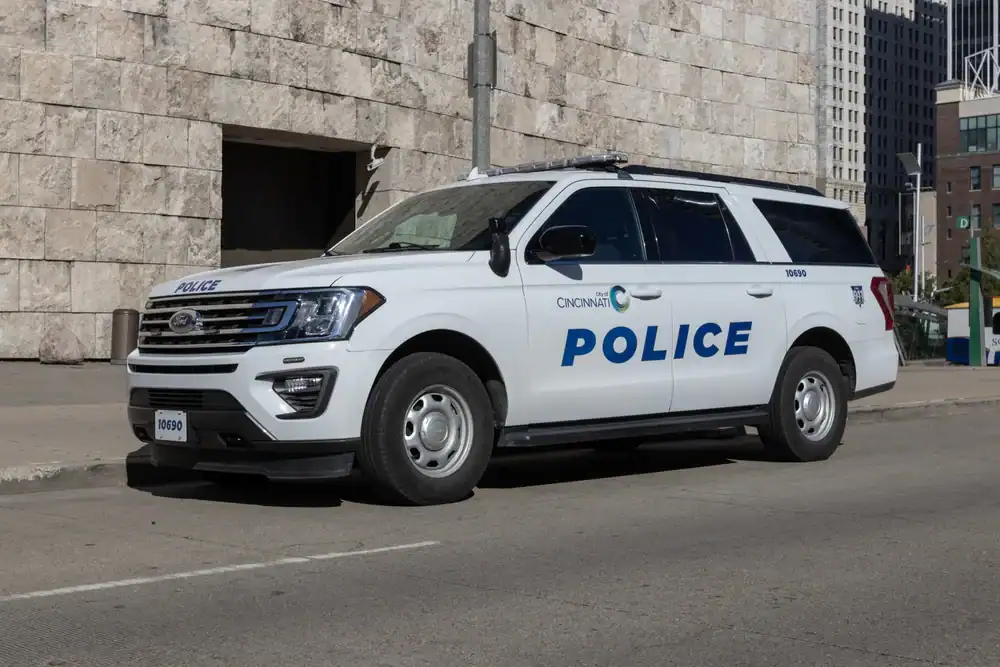
Start by looking through what’s currently available. Our inventory typically includes Ford Police Interceptor sedans and utilities, along with Dodge Chargers and the occasional Crown Victoria. Mileage usually runs between 120,000 and 160,000 miles, which sounds high until you understand that these engines were built for it.
When something catches your eye, reach out. We’ll walk you through the vehicle’s history, what department it came from, and any reconditioning that’s been done. You’ll know what you’re getting before you commit to anything.
Once you’ve decided, the process moves quickly. We handle the paperwork, you arrange financing if needed, and the vehicle is yours. No drawn-out negotiations or pressure tactics. Most buyers are in and out faster than they expect, especially compared to traditional dealerships where the process drags on for hours.
Ready to get started?
The Ford Police Interceptor remains the best-selling law enforcement vehicle in America for good reason. The sedan and utility versions both come with upgraded cooling systems, reinforced frames, and performance packages you won’t find on civilian models. These aren’t stripped-down base models with a badge slapped on them.
Most vehicles in our inventory have had recent work done before retirement. Departments often install new tires, replace worn brake components, or refresh the transmission before selling off their fleet. You’re not buying a vehicle that was run into the ground and abandoned. You’re buying one that was maintained because it had to be.
Pennsylvania roads aren’t easy on vehicles. Between winter salt, potholes, and temperature swings, cars take a beating here. Former police vehicles were built to handle exactly that kind of abuse. The suspension is heavier duty, the electrical systems are simpler and more robust, and parts availability is excellent because these are based on common Ford and Dodge platforms.
The trade-off is comfort. Don’t expect heated leather seats or advanced infotainment systems. These vehicles were built for function, which also means there’s less to break. For Chambersburg drivers who prioritize reliability over luxury, that’s usually an advantage, not a drawback.
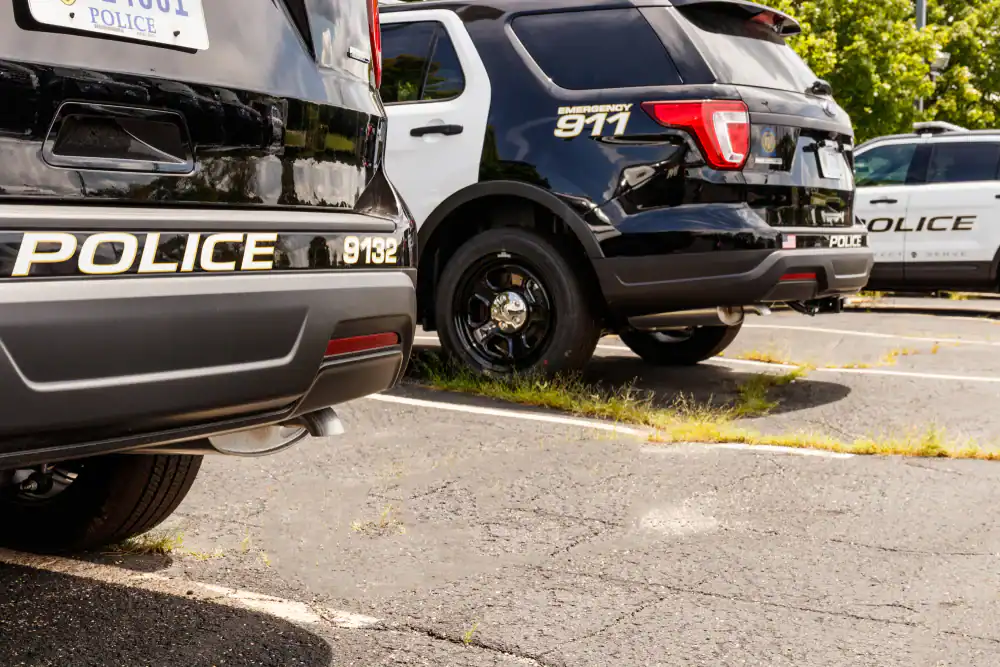
The price difference comes down to perception and mileage. Most buyers see six-figure odometer readings and assume the vehicle is used up, but that’s not how fleet vehicles work. Police departments retire cars based on age and budget cycles, not because they’re about to fail.
High idle hours do add wear that doesn’t show on the odometer, but these engines were built for that kind of use. The cooling systems, oil capacity, and internal components are all upgraded compared to civilian versions. A Ford Interceptor with 140,000 miles has more life left than most people realize.
The other factor is cosmetic condition. These vehicles have scratches, worn interiors, and equipment holes from removed radios and computers. That doesn’t affect how they drive, but it does affect resale value, which works in your favor as a buyer. You’re getting a mechanically sound vehicle at a steep discount because it doesn’t look showroom fresh.
Call your insurance company before you buy. Some insurers treat former police vehicles differently, either charging higher premiums or limiting coverage options. It’s not universal, but it happens often enough that you should confirm coverage ahead of time.
The concern from insurers usually centers on how the vehicle was used previously and whether modifications were made. Most companies will cover these vehicles without issue once they verify the police equipment has been removed and the title is clean. Getting that confirmation upfront saves headaches later.
If your current insurer won’t cover it or quotes an unreasonable rate, shop around. Other companies specialize in former fleet vehicles and don’t penalize you for buying one. The key is doing this research before you’re standing in our lot ready to buy, not after.
Parts are actually easier and cheaper to find than most vehicles. Police Interceptors are based on standard Ford platforms like the Taurus and Explorer. Walk into any auto parts store in Chambersburg, and they’ll have what you need in stock or available next day.
The police-specific components like upgraded brakes or heavy-duty suspension are widely available because these vehicles were produced in high volume for departments nationwide. Salvage yards are full of them, and aftermarket suppliers stock everything from body panels to engine components.
Labor costs stay reasonable too. Any mechanic who works on Fords can handle these vehicles. You’re not dealing with proprietary systems or specialized tools. That’s one of the biggest advantages of buying a former police car over a luxury vehicle in the same price range.
That depends entirely on how you drive it and how well you maintain it. These vehicles were built to exceed 200,000 miles, and many do. If you’re using it for a normal commute around Chambersburg, you’re putting far less stress on it than it handled during active service.
The engine and transmission are the most durable parts. Ford’s police engines are specifically designed for extended idle time and frequent stop-and-go driving. If the vehicle has been maintained properly up to this point, there’s no reason it won’t keep running for years.
Expect to replace wear items like brakes, tires, and suspension components sooner than you would on a lower-mileage vehicle. But those are predictable maintenance costs, not surprise failures. Budget for regular upkeep, and you’ll get more life out of a retired police car than most people expect.
The sedan is based on the Ford Taurus platform and offers better fuel economy and handling. It’s lower to the ground, easier to park, and generally more comfortable for highway driving. Most departments used sedans for patrol work and traffic enforcement.
The utility model is built on the Explorer platform and gives you more cargo space, higher ground clearance, and all-wheel drive in most configurations. It’s bulkier and drinks more gas, but it handles snow better and offers more versatility if you need to haul equipment or passengers regularly.
For Chambersburg winters, the utility model has an edge. The extra weight and AWD make a difference when roads get slick. But if you’re mostly commuting and want better mileage, the sedan is the smarter choice. Both are equally reliable, so it comes down to what you’ll actually use the vehicle for.
Most departments keep detailed service records, and we provide whatever documentation came with the vehicle. You’ll typically see oil changes, brake work, tire replacements, and any major repairs performed during service. It’s more complete than what you’d get buying a used car from a private seller.
Some agencies are more thorough with record-keeping than others. Larger departments usually have better documentation because they’re required to track fleet expenses. Smaller agencies might have less detailed records, but the vehicles themselves still went through regular maintenance.
If records are incomplete, we’re upfront about it. You’re not buying blind. We inspect each vehicle before it goes up for sale and can tell you about its condition based on that evaluation. The goal is to give you enough information to make a confident decision, not to hide problems until after you’ve signed.
Other Services we provide in Chambersburg