
Hear from Our Customers
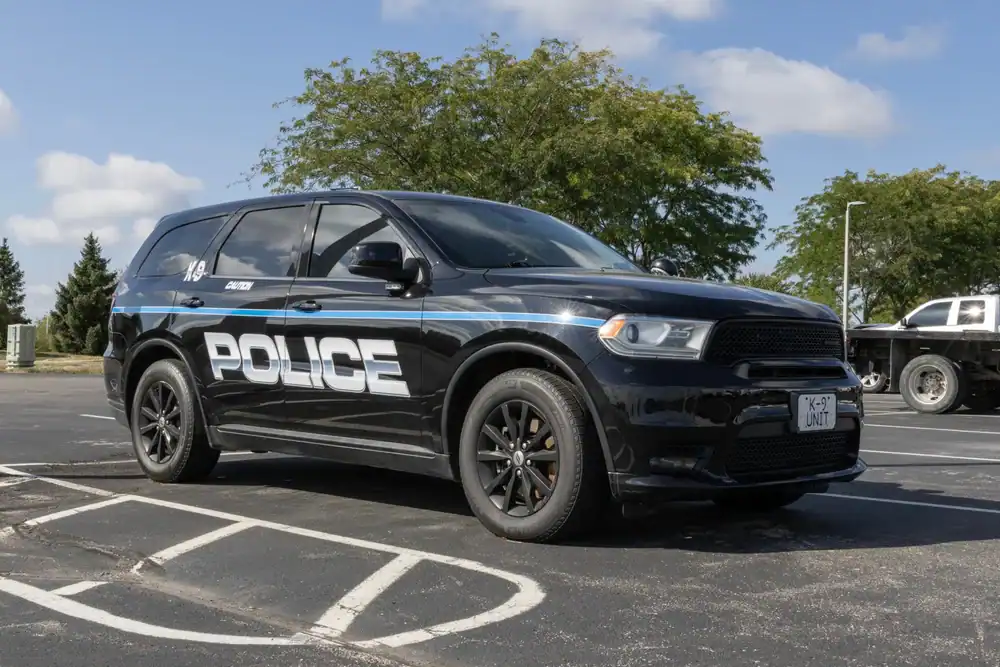
You’re not looking at typical used cars. These are Ford Police Interceptors and Dodge Chargers that were built to handle high-speed pursuits, long shifts, and conditions that would destroy a standard sedan. Reinforced frames, upgraded brakes, heavy-duty alternators, and suspension systems designed for severe duty cycles come standard.
The average household in Easton owns two cars. If you need a second vehicle that can take a beating—whether you’re driving for Uber, running a small business, or just need something reliable that won’t fall apart—a retired cop car makes sense. You’re getting a vehicle that was maintained on strict schedules by professionals who needed it to perform every single day.
Most used police cars for sale run between $5,000 and $15,000 depending on year and mileage. Compare that to $20,000+ for a new civilian model with half the durability. The math isn’t complicated.
We don’t dabble in regular used cars or try to be everything to everyone. We focus exclusively on used cop cars for sale in Easton, PA and the surrounding Lehigh Valley area. That’s it.
Our inventory includes Ford Police Interceptor Utilities, Ford Interceptor sedans, and other pursuit-rated vehicles that have been decommissioned from law enforcement fleets. We’re not here to upsell you on services you don’t need. We sell the vehicles, you drive them home.
Easton’s median household income sits around $63,775, and we know that stretching your dollar matters. That’s why we stock pre-owned police cars that give you more capability per dollar than almost anything else on the market.
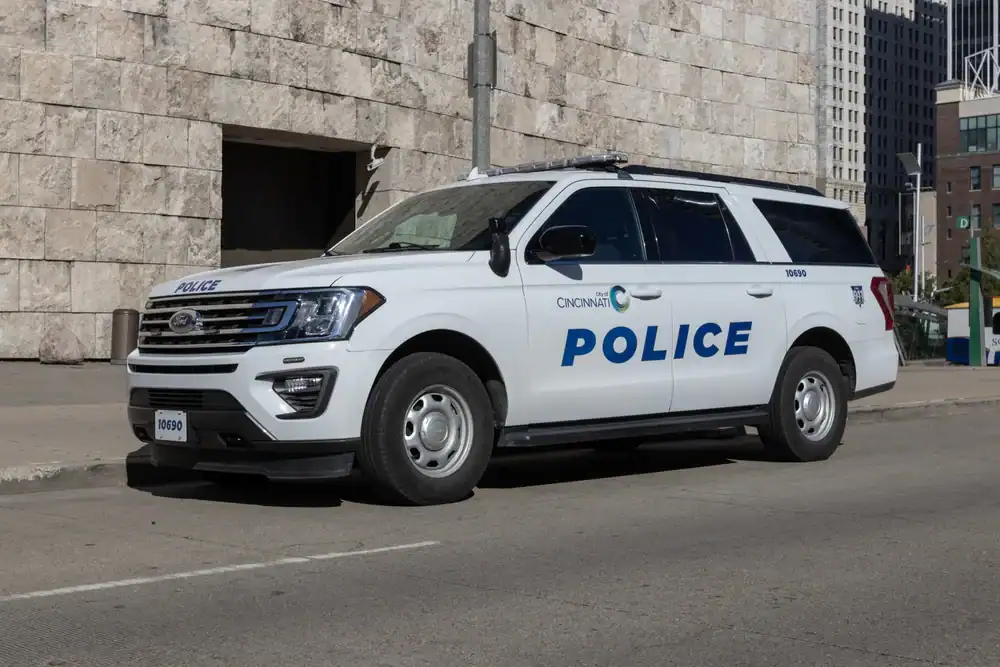
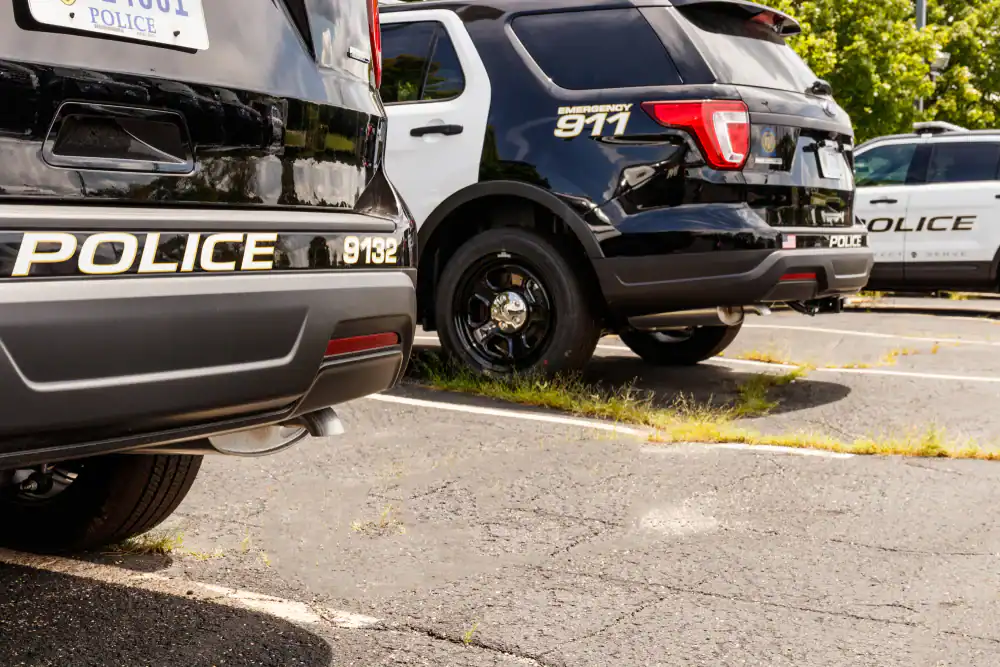
First, you browse our current inventory of used police cruisers for sale. These are real vehicles we have on-site, not theoretical listings. You’ll see Ford Explorers, Dodge Chargers, and other interceptors that have been retired from active duty.
When you find something that fits your needs and budget, you come see it in person. You can inspect it, ask questions about its history, and get a clear picture of what you’re buying. Most of these vehicles have between 80,000 and 160,000 miles, but remember—those are highway patrol miles with regular professional maintenance, not stop-and-go city abuse.
Once you decide, the purchase process is straightforward. You’re buying a used vehicle that’s been decommissioned. Police equipment like lights and sirens are removed before sale. What you’re left with is a civilian-legal vehicle with heavy-duty components and a powerful engine.
Before you drive off, make sure your insurance company knows you’re buying a former police vehicle. Most insurers cover them without issue, but it’s worth a quick call to confirm.
Ready to get started?
Every used police car in our inventory was built to a higher standard than consumer vehicles. Ford’s Police Interceptor line has dominated law enforcement fleets for over 70 years because they work. These aren’t luxury cars, but they’re engineered for reliability under stress.
You’re getting vehicles with high-output alternators (up to 250 amps), which means your electrical system can handle more than a standard car. You’re getting all-wheel drive on most Police Interceptor Utilities, which matters during Pennsylvania winters. You’re getting engines that produce 400+ horsepower and can hit top speeds of 148 mph—not that you will, but it tells you something about what’s under the hood.
In Easton, where the average car ownership is two vehicles per household, a retired police cruiser makes sense as a work vehicle, a teenager’s first car, or a backup that won’t let you down. The median age here is 33.5 years, and if you’re in that range, you probably remember when Crown Victorias were everywhere. That reputation for durability hasn’t changed.
You’ll see cosmetic imperfections. There might be holes from removed equipment that need filling. The paint might not be showroom perfect. But the mechanical components—the parts that actually matter—are built like tanks.
Yes, but you need to understand what that mileage represents. A police interceptor with 120,000 miles isn’t the same as a civilian car with 120,000 miles. Most of those miles are highway patrol—long stretches at steady speeds, which is actually easier on an engine than short trips and constant stopping.
Law enforcement agencies maintain their fleets on strict schedules because breakdowns aren’t an option. These vehicles get regular oil changes, brake inspections, and mechanical service throughout their active duty. Many have newer engines, transmissions, or tires installed before retirement.
That said, high mileage is still high mileage. You’re not buying a brand new car. But you’re buying a vehicle that was built to handle 24/7 operation and maintained by professionals who needed it to start every single time. For the price point—typically $5,000 to $15,000—you’re getting exceptional value if you need a reliable workhorse.
A Police Interceptor Utility is not just a Ford Explorer with a badge. It’s pursuit-rated, which means it’s been tested and certified for high-speed chases and severe duty cycles. The suspension is heavy-duty, the brakes are upgraded, the cooling systems are more robust, and the electrical system is built to power extensive equipment.
Ford Police Interceptors come standard with all-wheel drive, while many civilian Explorers don’t. The engines are tuned for performance—you’re looking at 400 horsepower and 415 lb-ft of torque in many models. The frame is reinforced, the wheels are steel and built stronger, and the seats are designed for long shifts, not comfort.
You’re also getting features like reinforced door panels, additional airbags, and crash testing that exceeds civilian standards. The Crown Victoria Police Interceptor was the first vehicle worldwide tested to meet a 75-mph rear-impact crash test. That level of safety engineering carries through to modern interceptors. It’s a fundamentally different vehicle than what you’d buy off a regular lot.
Most insurance companies will cover a retired police vehicle without any issues, but you should call your provider before you buy to confirm. Some insurers hesitate because these vehicles have a history of high-speed operation, but once they’re decommissioned and all police equipment is removed, they’re legally civilian vehicles.
The key is transparency. Tell your insurance agent exactly what you’re buying—a used Ford Police Interceptor or Dodge Charger that’s been retired from law enforcement. Get a quote in writing before you complete the purchase. In most cases, you’ll find that rates are comparable to insuring any other used vehicle of the same make and model.
If your current insurer won’t cover it or quotes you something unreasonable, shop around. There are plenty of companies that understand the market for used police cars and will give you a fair rate. Don’t let insurance concerns stop you from exploring this option—just do your homework first.
Not great, and you should know that upfront. These are powerful vehicles with big engines designed for performance, not efficiency. Most Police Interceptor Utilities get somewhere between 14-18 mpg in mixed driving. If you’re doing mostly highway miles, you might see closer to 20 mpg. City driving will be worse.
Compare that to a standard sedan that might get 25-30 mpg, and yes, you’ll spend more on gas. But you’re also getting a vehicle that can tow more, handle better, and outlast most civilian cars. It’s a trade-off.
If fuel economy is your top priority, a retired cop car probably isn’t your best choice. But if you need a vehicle that can handle heavy use, bad weather, and long hours without breaking down, the extra fuel cost is part of the deal. For rideshare drivers, delivery drivers, or anyone putting serious miles on a vehicle, the durability often outweighs the gas bill.
Absolutely. Once the police equipment is removed and the vehicle is decommissioned, it’s a regular car. You can drive it to work, take your kids to school, use it for errands—whatever you need. There’s no legal restriction on using a former police vehicle for personal transportation.
That said, people will notice. Even without the markings, a Police Interceptor has a certain look. Other drivers might slow down when they see you, thinking you’re an unmarked unit. Some people like that. Others find it annoying. It’s something to consider.
The interior won’t be plush. These vehicles were built for function, not luxury. The seats are durable but not particularly comfortable for long road trips. There might be wear and tear from years of hard use. But mechanically, they’re more than capable of serving as your daily driver. Many families in Easton use retired police cars as their second vehicle, and they hold up well.
Start with the basics—check the engine, transmission, brakes, and tires just like you would with any used vehicle. Look for leaks, listen for unusual noises, and take it for a test drive if possible. Pay attention to how it handles and whether anything feels off.
Check the body for damage beyond normal cosmetic wear. Some dents and scratches are expected, but frame damage or serious rust are red flags. Look inside for holes where equipment was mounted—lights, radios, computers. Those holes should be patched or at least accounted for in the price.
Ask about maintenance records. Law enforcement agencies typically keep detailed service logs, and reputable sellers should be able to provide at least some documentation. You want to know when the oil was last changed, whether the transmission has been serviced, and if any major components have been replaced recently. If a seller can’t or won’t provide any maintenance history, walk away. The whole point of buying a used police car is that it’s been professionally maintained—without proof of that, you’re just buying a high-mileage vehicle with no clear upside.
Other Services we provide in Easton