
Hear from Our Customers
You’re not buying someone’s neglected daily driver. These are pursuit-rated vehicles that were maintained on strict schedules by law enforcement agencies. That means documented service records, heavy-duty brakes, reinforced frames, and engines built for performance.
Most used police cars for sale run between $5,000 and $15,000 depending on model, mileage, and condition. Compare that to $20,000+ for comparable civilian vehicles, and you’re looking at real savings without sacrificing reliability.
The mileage might look high, but here’s what matters more: these vehicles were serviced regularly, not run into the ground and ignored. You’re getting a Ford Police Interceptor or Dodge Charger that was built tougher than the standard version and maintained better than most private owners ever would.
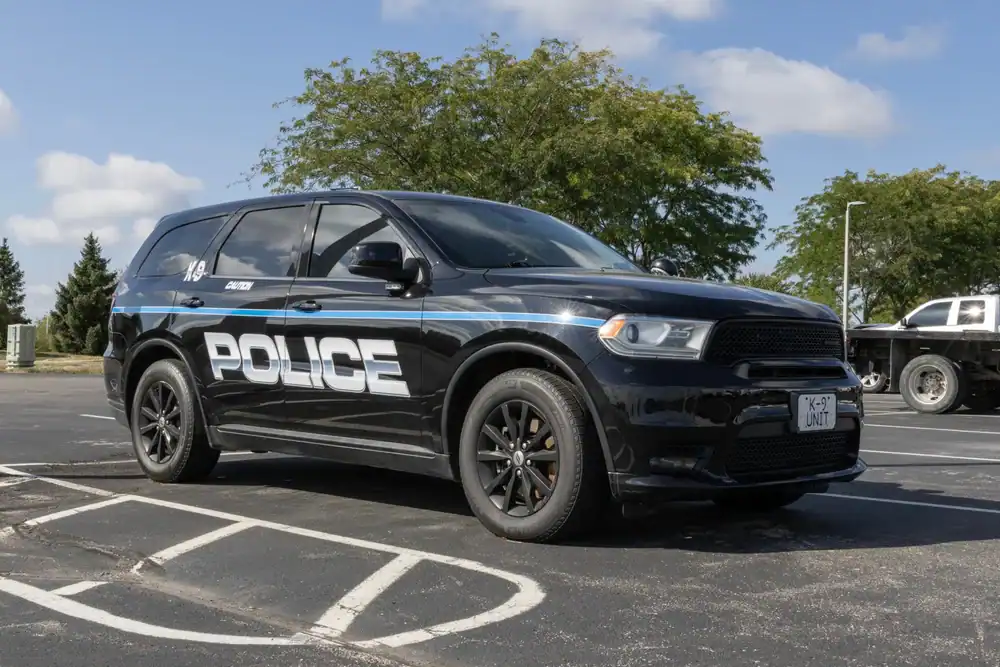
You’ll find everything from Ford Crown Victorias to newer Police Interceptor Utilities in our Warminster inventory. Each one comes stripped of emergency equipment but still carries the performance upgrades that made it a law enforcement vehicle in the first place.
We don’t dabble in used police cars for sale—it’s all we do. That focus matters when you’re trying to figure out if a retired cop car is the right move for you.
We’re located in Warminster, PA, where buyers come from across the region looking for pre-owned police cars for sale that offer more value than the typical used car lot. Our inventory turns over regularly because demand is real. Security companies, taxi services, first-time buyers, and car enthusiasts all shop here for different reasons, but they all want the same thing: a vehicle that won’t quit.
Warminster sits in Bucks County, where practical transportation matters and people don’t want to overpay. We get that. You’ll find our lot stocked with the models that actually hold up—mostly Fords, some Dodges—and nothing we wouldn’t drive ourselves.
You start by browsing our current inventory of used police cruisers for sale. We keep our lot updated with what’s available, so you’re seeing real vehicles, not placeholder listings.
When something catches your eye, come see it in person. You’ll notice the interior shows wear—that’s expected. Equipment has been removed, which sometimes leaves mounting holes or marks. We don’t hide that. What you’re buying is the mechanical integrity and performance capability, not showroom aesthetics.
Ask questions. Check the service records. Take it for a test drive if you want to feel how a police-spec vehicle handles compared to a civilian model. These cars were built for pursuit situations, so the acceleration, braking, and suspension are noticeably different.
Once you’ve decided, we handle the paperwork like any vehicle sale. Title transfers, registration, the usual process. No emergency lights, no police decals, no equipment that would get you in legal trouble. Just a solid vehicle ready for whatever you need it to do.
Most buyers in Warminster are looking for dependable transportation or work vehicles. Some want the performance aspect. Either way, you’re getting a Ford Interceptor for sale or similar model that was built to a higher standard than what rolled off the regular assembly line.
Ready to get started?
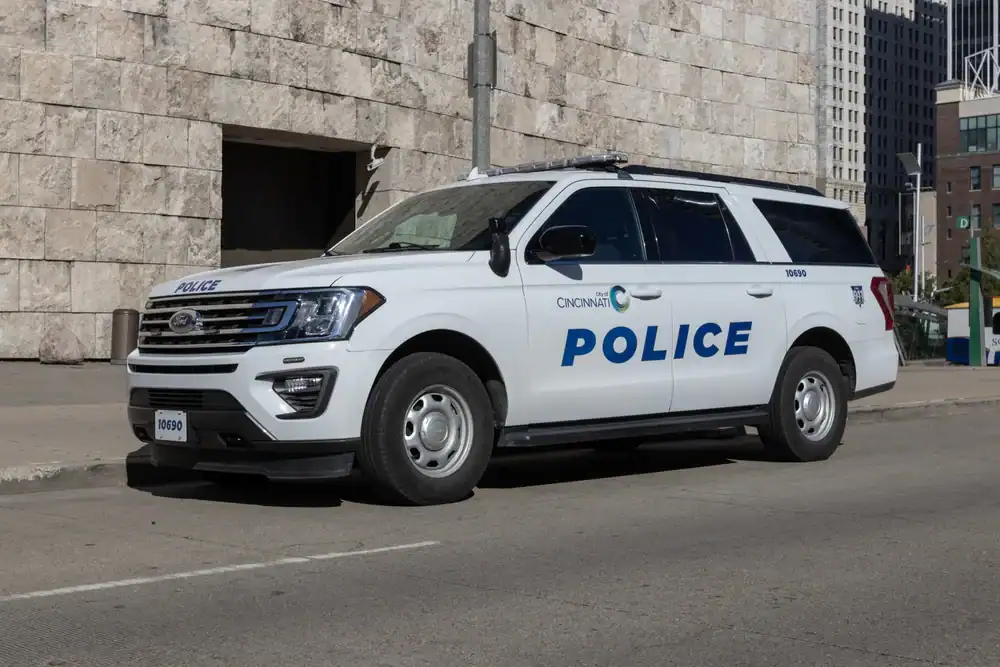
Our inventory focuses heavily on Ford Police Interceptors—both the sedan and utility models. Ford dominates the law enforcement vehicle market with over 60% market share, which means parts are easy to find and mechanics know these vehicles inside and out.
You’ll see Crown Victorias if you want that classic body-on-frame durability. You’ll find Police Interceptor Utilities if you need more cargo space and all-wheel-drive capability. Occasionally we get Dodge Chargers with the pursuit-rated V8 that offers serious performance.
Every vehicle comes with its maintenance history from the department that ran it. You’ll know what was replaced, when it was serviced, and what kind of duty it saw. That transparency matters when you’re making a decision based on value and reliability, not just sticker price.
In Warminster and the surrounding Bucks County area, buyers appreciate that these vehicles hold their value better than typical used cars. Depreciation slows down because demand stays consistent. Security companies buy them. Taxi services buy them. People who need a tough vehicle for work buy them.
The police package means upgraded alternators, transmission coolers, better cooling systems overall, and calibrated suspensions. Those aren’t marketing terms—they’re actual components that make these vehicles different from what a civilian buyer would get from a standard dealership.
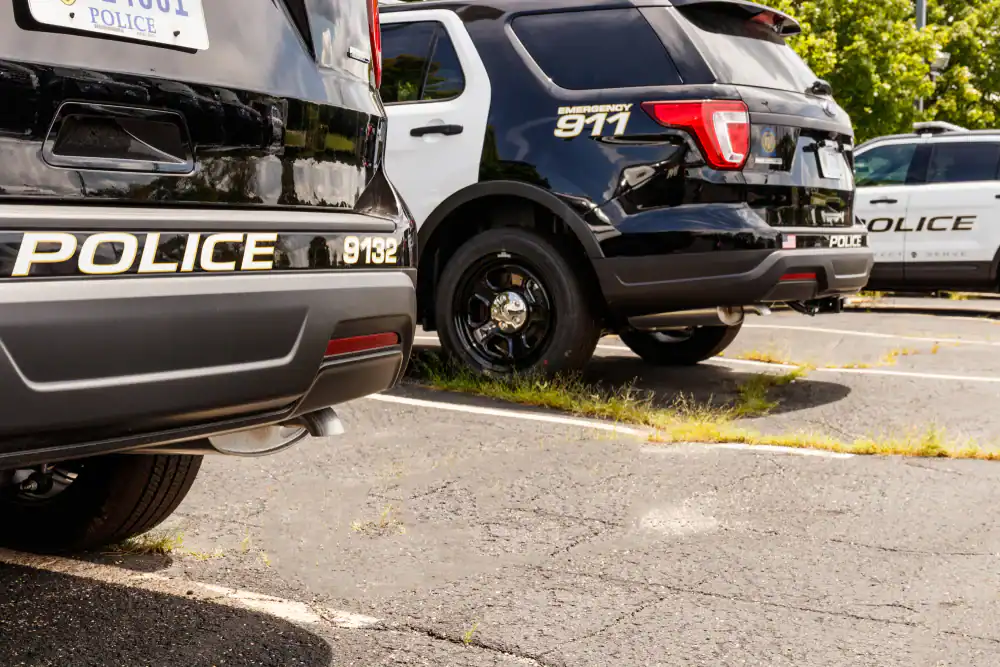
Yes, but you need to understand what you’re getting. A retired police vehicle typically costs $5,000 to $15,000, while a comparable civilian model with similar age and mileage runs $20,000 or more. That price difference exists because these vehicles show higher mileage and interior wear from heavy use.
What balances that out is the build quality and maintenance history. Police departments maintain their fleets on strict schedules—oil changes, brake inspections, fluid checks, all documented. You’re not buying a car that someone ignored for years and dumped when problems started. You’re buying a vehicle that was serviced regularly because it had to be operational every single day.
The components are also heavy-duty. Upgraded brakes, reinforced frames, better cooling systems, stronger alternators—these aren’t luxury features, they’re necessities for vehicles that idle for hours and then accelerate hard when needed. That durability translates to reliability for whatever you plan to use it for, whether that’s daily driving, work use, or just having a vehicle that won’t leave you stranded.
The odometer number looks scary until you understand what it actually represents. Police vehicles rack up miles differently than civilian cars. A lot of that mileage comes from idling—sitting in parking lots, at traffic stops, running radar. Idling doesn’t stress an engine the same way highway driving does, but it does add hours to the engine’s total runtime.
What matters more than the raw mileage number is how the vehicle was maintained during those miles. Departments follow manufacturer-recommended service intervals religiously. Many of these vehicles have had major components replaced—transmissions, engines, tires—shortly before retirement. Check the maintenance records to see what’s been done recently.
High mileage on a well-maintained police vehicle is often less concerning than moderate mileage on a civilian car with spotty service history. The police-spec components are built tougher to begin with, and the documented maintenance gives you actual data instead of hoping the previous owner took care of things. You’ll know exactly what you’re getting, which is more than you can say for most used car purchases.
Yes, and it’s not just marketing. The Police Interceptor package includes legitimate performance upgrades that aren’t available on civilian models. You get pursuit-rated engines with better cooling systems, upgraded transmissions with auxiliary coolers, recalibrated suspensions for high-speed stability, and heavy-duty brakes designed for aggressive driving.
Ford’s Police Interceptor Utility, for example, comes with all-wheel drive as standard, not an option. The electrical system is beefed up to handle the load from emergency equipment, which means you’re getting a more robust alternator and wiring even after that equipment is removed. The frame and body are reinforced to handle the stress of daily law enforcement use.
When you drive one, you’ll notice the difference immediately. Acceleration is more responsive. Braking is firmer and more controlled. The handling feels tighter because the suspension components are stiffer. These aren’t subtle changes—they’re noticeable improvements over the standard consumer version. That’s why taxi companies, security firms, and driving enthusiasts specifically seek out these vehicles even after they’ve left police service.
The interior will show wear. That’s the trade-off for getting a mechanically sound vehicle at a lower price. Seats have been sat in for thousands of hours. The center console area will have holes or marks where equipment was mounted and then removed. Carpets might be worn or stained. Door panels take a beating from constant in-and-out use.
Some buyers don’t care because they’re using the vehicle for work where appearance doesn’t matter. Others plan to replace seats or add seat covers, which is straightforward and inexpensive compared to the money saved on the purchase price. The important thing is knowing what to expect so you’re not surprised when you see it.
The mechanical components and exterior structure are what you’re really paying for. The interior is functional but used. If you need a pristine cabin, a retired police vehicle probably isn’t the right choice. If you need a reliable engine, solid transmission, and performance capability at a price that makes sense, then interior wear is just part of the deal. Most buyers in Warminster who shop our lot understand that trade-off and are fine with it.
Yes, as long as all police-specific equipment has been removed, which it will be before you take ownership. Emergency lights, sirens, police radios, and any official decals or markings must be stripped before the vehicle is sold to civilians. That’s standard procedure and it’s done to prevent any possibility of impersonating law enforcement, which is illegal nationwide.
What remains is a regular vehicle with performance upgrades. You can drive it anywhere you’d drive any other car. Some states have restrictions on installing emergency lighting even on civilian vehicles, but that’s not an issue here because that equipment is already gone. You’re buying a Ford or Dodge with a police package, not an active police vehicle.
The only thing you might notice is that other drivers sometimes react differently when they see a Crown Victoria or Interceptor in their rearview mirror. That’s just the shape and presence these vehicles have. But legally, you’re operating a standard civilian vehicle with no restrictions. Insurance treats it like any other used car, and registration is the same process you’d go through for any vehicle purchase.
Departments retire vehicles based on mileage thresholds, age, or budget cycles—not necessarily because the vehicle is worn out. Many agencies have policies that require rotating out vehicles after a certain number of years or miles to maintain fleet reliability and avoid breakdowns during critical situations. That means vehicles often get retired while they still have plenty of usable life left.
Budget considerations also play a role. When new funding comes in for fleet updates, older vehicles get surplused even if they’re still running fine. Departments would rather sell a vehicle that’s still operational than wait until it becomes a maintenance liability. That works in your favor as a buyer because you’re getting something that was retired on a schedule, not because it failed.
Some of these vehicles have had major components replaced right before retirement—new engines, rebuilt transmissions, fresh tires. Departments don’t want vehicles breaking down during the last months of service, so they maintain them fully until the retirement date. That’s why you’ll sometimes find a used police car with relatively recent major work done, which adds significant value for the price you’re paying.
Other Services we provide in Warminster