
Hear from Our Customers
You get a vehicle that was built different from the start. Heavier suspension. Bigger alternator. Better cooling system. These aren’t civilian cars with a light bar bolted on—they’re purpose-built from the factory for high-stress driving.
And you’re paying $8,000 to $15,000 for something that would cost you $25,000+ in a standard sedan or SUV with similar power. That’s not a sales pitch. That’s just what these vehicles go for when they leave government fleets.
The other part people don’t always think about: space. You’re getting a roomy interior, massive trunk capacity, and legroom that makes long drives or rideshare work a lot more comfortable. If you drive for work or need a vehicle that can handle daily wear without falling apart, this is the category that makes sense.
State Surplus Auto Sales doesn’t mix inventory types. We’re not a general used car lot. Everything we sell came from a police department, sheriff’s office, or government fleet—and we’ve been doing this for over 20 years.
That means you’re not sorting through random trade-ins or auction cars with unclear history. You’re looking at vehicles we sourced directly from agencies that tracked every mile, every service interval, every upgrade. We know where they came from and what they were used for.
Albany winters are tough on vehicles, and we get that. Road salt, freeze-thaw cycles, heavy stop-and-go traffic during storm season—it all adds up. The vehicles we stock were built to handle worse, and we make sure you know exactly what you’re looking at before you buy.
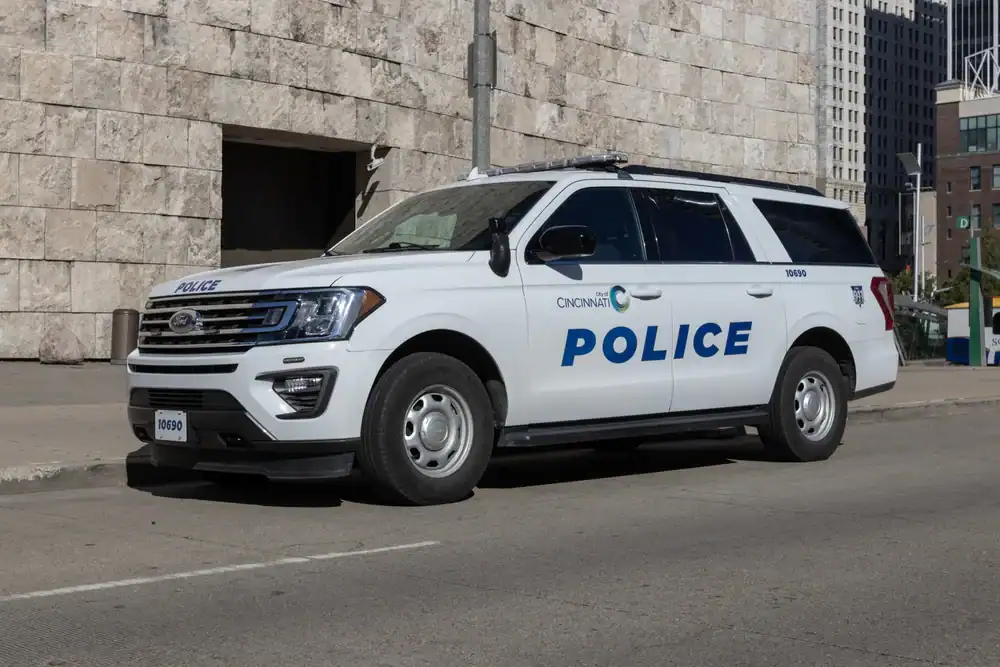
You start by looking at what’s in stock. We carry Ford Police Interceptor Sedans, Ford Police Interceptor Utilities, and Dodge Charger Pursuit models depending on what’s rotating out of active fleets. Inventory changes based on what agencies are retiring, so if you see something that fits, it’s worth moving on.
Once you find a vehicle you’re interested in, you can come see it in person. You’ll get the full history—mileage, service records, what department it came from, how it was used. We’re not hiding idle hours or glossing over wear. You’re buying a used fleet vehicle, and we treat it like one.
From there, it’s straightforward. You decide if it’s the right fit. If it is, we handle the paperwork and get you on the road. No pressure, no runaround. You’re either looking for a police interceptor or you’re not—and if you are, we’ve got them.
Ready to get started?
We stock Ford Crown Victoria Police Interceptors, Ford Taurus-based Police Interceptor Sedans, Ford Explorer-based Police Interceptor Utilities, and Dodge Charger Pursuit AWD models. These are the vehicles that departments across New York and surrounding states have been using for the last decade—and they’re available now at prices that undercut comparable civilian vehicles by thousands.
Most of what we sell falls between $5,000 and $15,000 depending on mileage, year, and condition. You’re looking at vehicles with 80,000 to 120,000 miles in most cases, but remember: these engines and drivetrains were built to handle a million miles with the right care. High mileage on a police interceptor doesn’t mean the same thing it does on a base model sedan.
You’ll also find vehicles that still have the upgraded braking systems, reinforced frames, and heavy-duty cooling components that came from the factory. Those don’t get removed when the car leaves the fleet. You’re buying the same specs the department used, just without the decals and equipment mounts.
If you’re in Albany or the Capital Region and you’ve been comparing prices on used SUVs or sedans, you’ve probably noticed how inflated the market is right now. Retired police vehicles give you a way around that. Same power, same size, better price—because the supply comes from fleet rotations, not individual sellers trying to maximize profit.
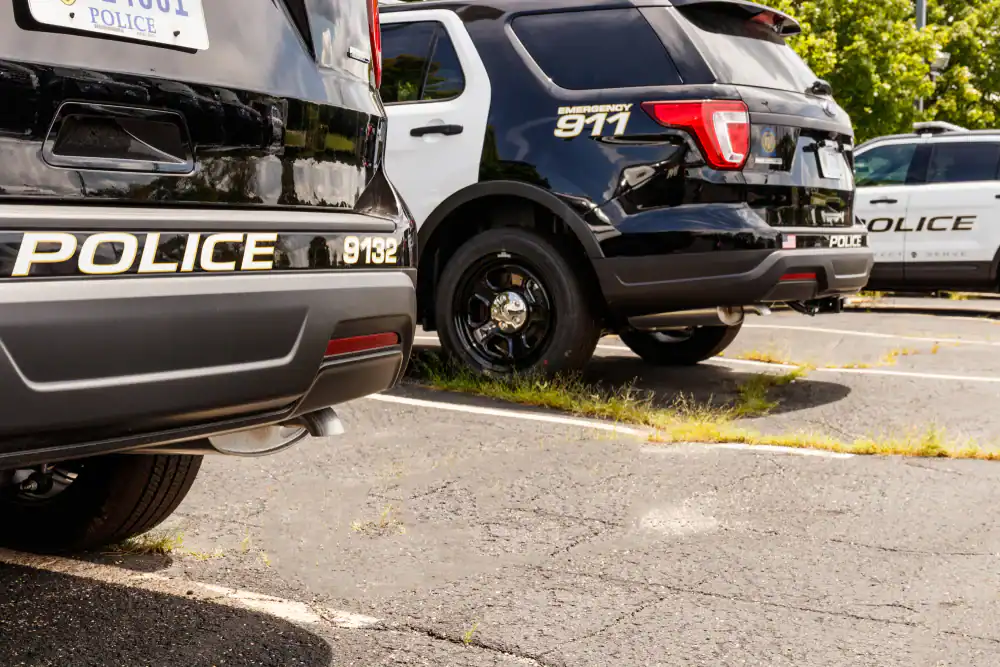
It’s about supply and demand. Police departments retire vehicles in batches when they hit a certain mileage or age threshold, and that creates steady supply. They’re not trying to get top dollar—they’re clearing out fleet vehicles to make room for new ones.
You’re also not paying for luxury features, upgraded interiors, or cosmetic add-ons. These vehicles were built for function. That keeps the price down even though the performance specs are higher than most civilian models.
The other factor: perception. A lot of buyers assume high mileage or heavy use means the vehicle is worn out, so they skip over police cars entirely. That’s not accurate for vehicles that were maintained on a strict schedule, but it does mean there’s less competition when you’re shopping. Less demand equals better pricing for people who know what they’re looking at.
Police Interceptors are built on the same platform as civilian models, but they’re not the same vehicle. Ford and Dodge add heavy-duty components during manufacturing specifically for law enforcement use—bigger alternators, better transmission coolers, upgraded suspension, reinforced frames, and higher-output engines.
A Ford Police Interceptor Utility, for example, uses the same body as a Ford Explorer, but it’s got a more powerful engine option, better braking system, and cooling setup designed for idling and high-speed driving. Same goes for the Dodge Charger Pursuit versus a standard Charger—different tuning, different parts, different performance.
You’re not just buying a used car that happened to be owned by a police department. You’re buying a vehicle that was spec’d and built differently from the start. That’s why they hold up better under heavy use and why they’re worth considering even with higher mileage.
It depends on how you define “worn out.” Yes, these vehicles were driven hard. Yes, they have high idle hours that don’t show up on the odometer. But they were also maintained on schedules that most civilian car owners don’t come close to following.
Police departments can’t afford to have vehicles break down in the field, so they follow manufacturer guidelines to the letter—and often exceed them. Oil changes, brake inspections, fluid checks, and part replacements happen on a strict timeline. That’s documented, and you can see the records before you buy.
The trade-off is this: you’re getting a vehicle that’s been used heavily but maintained professionally, sold at a price that reflects the mileage. If you’re comparing a police interceptor with 100,000 miles to a civilian car with 100,000 miles, the interceptor was built with better components and maintained more consistently. That doesn’t mean it’s flawless, but it does mean it’s not the same as a high-mileage car that someone drove into the ground without upkeep.
Yes. That’s exactly what we do. We source vehicles directly from police departments and government fleets, so you don’t have to deal with auction bidding, registration hurdles, or uncertainty about what you’re actually getting.
Auctions can work if you know what you’re doing, but they also come with risks. You’re often buying sight-unseen or with limited time to inspect. You don’t always get full service records. And if something’s wrong, you’re stuck with it.
When you buy from us, you see the vehicle in person, you get the full history, and you know exactly what you’re paying before you commit. No bidding wars, no surprise fees, no wondering if you just bought someone else’s problem. It’s a cleaner process, and for most people, it’s worth skipping the auction hassle entirely.
Start with the service records. You want to see consistent oil changes, brake work, and fluid replacements. If the records are incomplete or missing, that’s a red flag. These vehicles should have documentation for everything that was done during their time in service.
Next, check for rust—especially if the vehicle spent time in upstate New York or anywhere that uses road salt. Look at the undercarriage, brake lines, and around the wheel wells. Surface rust is normal, but structural rust is a problem.
Pay attention to idle hours if that information is available. Police vehicles spend a lot of time idling, and that puts wear on the engine even if the odometer mileage looks reasonable. It’s not a dealbreaker, but it’s something to factor in when you’re deciding if the price makes sense. Also look at the interior—worn seats and controls tell you how much the vehicle was actually used day-to-day, which can give you a better sense of overall condition than mileage alone.
They depreciate slower than most people expect. The initial drop happens when the vehicle leaves the fleet, but after that, values stay fairly stable because there’s consistent demand from rideshare drivers, small businesses, security companies, and individual buyers who want a durable vehicle at a low price.
You’re not going to see appreciation—these aren’t collector cars. But you’re also not going to lose 30% of your investment in the first year like you would with a new car. The market for used police interceptors is driven by function, not trends, and that keeps resale values steadier.
If you’re buying one to drive for a few years and then sell, you’ll get a decent return relative to what you paid. If you’re buying one to run into the ground, you’re starting at a low enough price point that depreciation barely matters. Either way, you’re not taking the same financial hit you would with a standard used car purchase.
Other Services we provide in Albany