
Hear from Our Customers
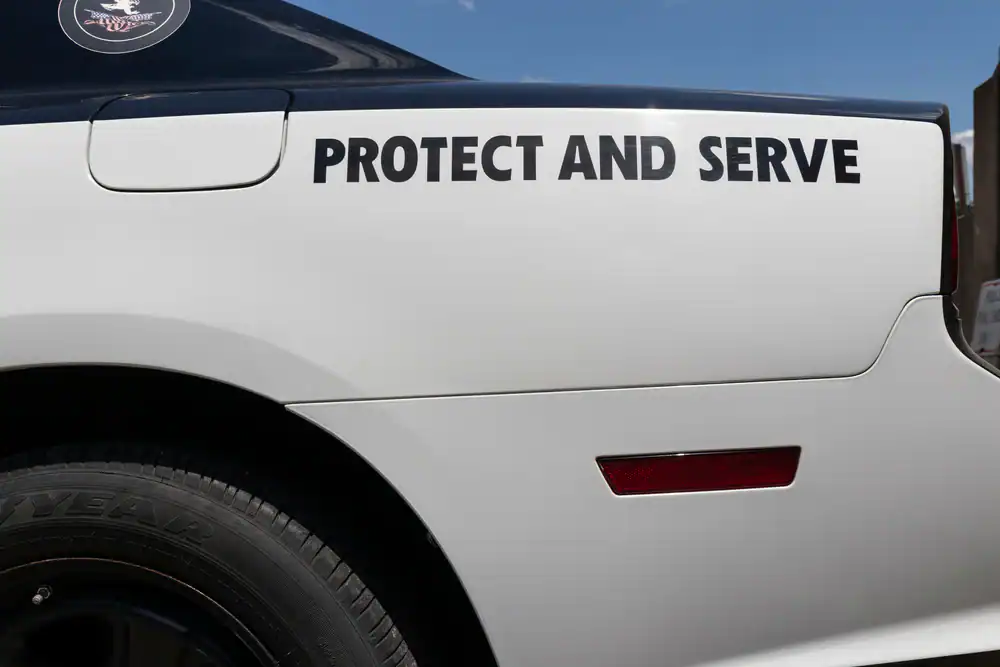
You’re getting a vehicle that was built different from day one. Upgraded suspension that handles potholes and rough roads without complaint. Brakes designed for high-stress situations. Cooling systems that won’t quit when you’re sitting in traffic on a July afternoon.
These aren’t stripped-down fleet cars. Ford Interceptors come with V8 power, reinforced frames, and features you’d pay thousands extra for on a civilian model. The mileage might read higher than you’re used to seeing, but these engines were designed for constant idling and heavy use. They’re broken in, not broken down.
You’re also getting transparency. Most retired cop cars for sale come with detailed service records because fleet operations document everything. You know what’s been done, when it was done, and why. That’s more information than you’ll get from most used car lots selling civilian vehicles with mystery histories.
State Surplus Auto Sales focuses exclusively on used police cruisers for sale. That’s it. We’re not trying to move every type of vehicle that rolls through an auction. We know these cars inside and out because we’ve chosen to specialize rather than generalize.
Kiryas Joel has one of the highest public transportation usage rates in New York, which means when you do buy a personal vehicle, it needs to count. You need something reliable for family trips, something that won’t leave you stranded, and something that makes financial sense. That’s exactly what pre owned police cars for sale deliver.
We’re here because there’s a real market for people who understand value. You’re not paying for leather seats and a sunroof. You’re paying for a vehicle that was built to work hard and last long.
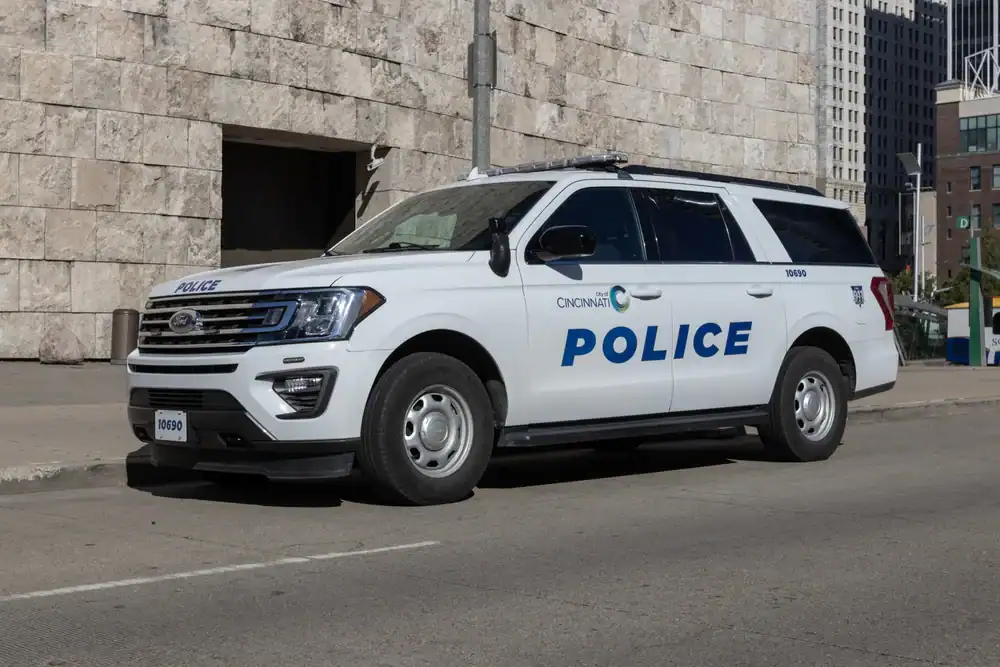
You start by looking at what’s actually in our inventory. We carry Ford Interceptors primarily, because Ford owns about 60% of the police vehicle market for good reason. You’ll see the year, mileage, and what features each vehicle has. No games, no bait-and-switch.
When you find something that fits, you can come see it in person. Check the service records. Look under the hood. Sit in it. These vehicles have been used hard, but they’ve also been maintained on schedule. You’ll see documentation that proves it.
Once you decide, we handle the paperwork and get you on the road. Some buyers pay cash because these vehicles are priced well below retail equivalents. Others finance, though you’ll want to talk to your lender ahead of time since some banks have specific policies about older fleet vehicles. We’re upfront about that because surprises help nobody.
Ready to get started?
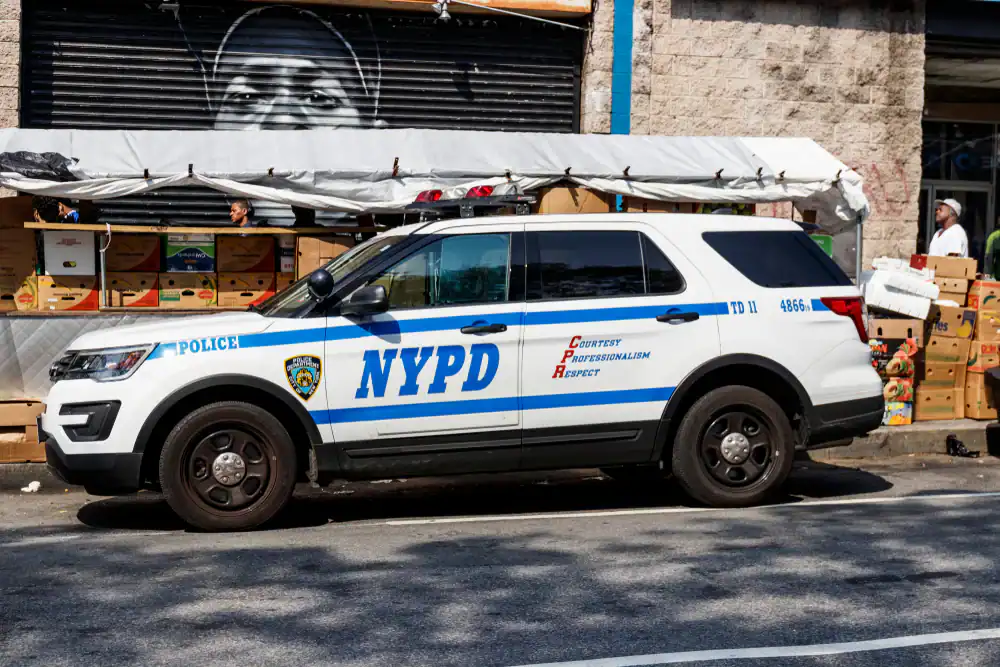
Our inventory rotates based on what becomes available from police departments and government fleets. Right now, we’re focused on Ford Police Interceptors, which includes both the sedan and utility models. These are the vehicles you see on highways across New York and beyond.
Most of what we carry falls in the 120,000 to 160,000 mile range. That’s standard for decommissioned police vehicles. It sounds high if you’re used to shopping civilian cars, but remember these are severe-duty builds. The engines have oil coolers. The transmissions are reinforced. The suspension components are heavy-duty. They’re engineered for this kind of mileage.
You’ll find vehicles with push bars still attached in some cases, spotlight mounts, and reinforced front ends. Light bars get removed before sale, but the structural upgrades remain. In Orange County and the surrounding areas, where winter weather and road conditions can be rough, that extra durability matters. You’re not buying a vehicle that was babied in a garage. You’re buying one that proved it could handle real-world demands and kept going.
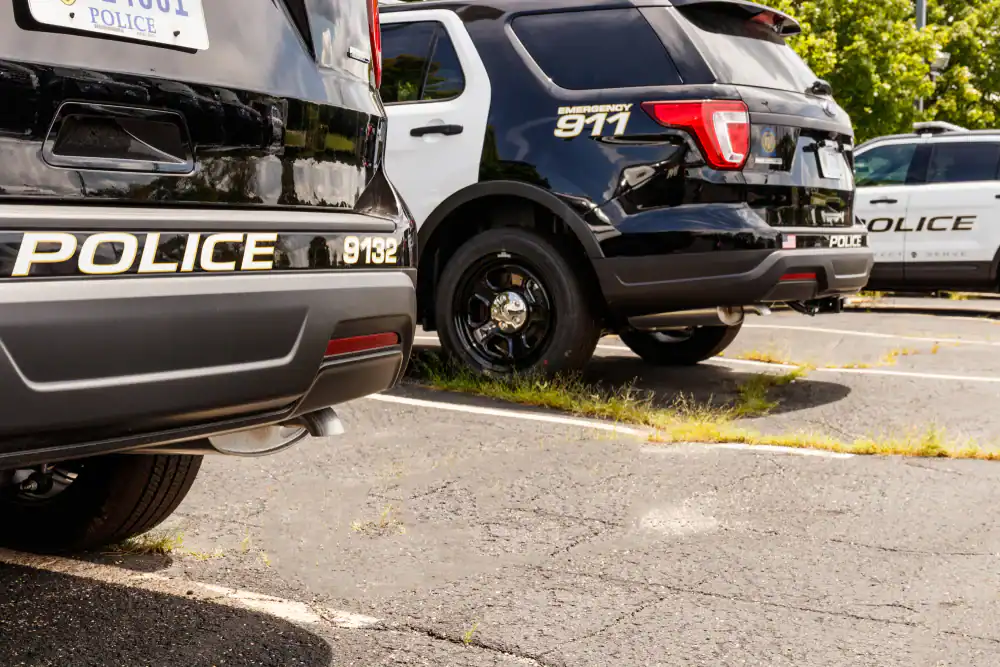
Price and build quality. A Ford Police Interceptor with 140,000 miles will cost you significantly less than a civilian Ford with the same mileage, even though the Interceptor has better components. You’re getting upgraded brakes, stiffer suspension, enhanced cooling systems, and a more durable drivetrain.
The other reason is transparency. Police fleets keep maintenance logs because they have to. You’ll know exactly what work was done and when. Compare that to buying a used sedan from someone’s driveway where you’re taking their word that they “kept up with everything.” Documentation matters when you’re spending your money.
These vehicles were also built for people who depend on them in critical situations. That’s a different standard than a commuter car. The reliability isn’t theoretical—it’s proven through actual demanding use.
Not the way you’d worry about high mileage on a regular car. Police interceptors are built for severe duty cycles, which is a classification that means constant idling, frequent starts and stops, and high-stress operation. The engines and transmissions are designed to handle it.
A civilian car with 150,000 miles has likely been driven mostly on highways and local roads with normal use. A police car with 150,000 miles has been through a much tougher life, but it was built for that life from the factory. The components are heavier duty. The maintenance schedule is stricter. The engineering accounts for the abuse.
What matters more than the odometer reading is the service history. If the vehicle was maintained on schedule—and fleet vehicles almost always are—you’re looking at a car that still has plenty of life left. These engines regularly go past 200,000 miles when properly maintained.
It depends on your lender. Some banks and credit unions will finance older vehicles with higher mileage without issue. Others have policies that restrict loans on fleet vehicles or set age and mileage limits. You’ll want to check with your lender before you start shopping.
The good news is many buyers pay cash for these vehicles because the prices are low enough to make that realistic. When you’re looking at a vehicle that costs thousands less than its civilian equivalent, financing becomes less necessary for some buyers.
If you do need financing, talk to a local credit union first. They tend to be more flexible than big banks when it comes to unique vehicle purchases. Come prepared with the service records and vehicle history to show the lender you’re buying something that was properly maintained, not a clunker.
They’re used vehicles that show their history. You’ll see wear on the seats. The exterior might have some dings or scratches. The interior won’t be pristine. These cars worked for a living, and it shows.
What you won’t see is neglect. The mechanical systems have been maintained because fleet operations run on schedules, not on whether someone “felt like” doing an oil change. The important stuff—engine, transmission, brakes, suspension—has been taken care of properly.
We’re not detailing these vehicles to hide their history. You’re buying a former police car, and it looks like one. But it runs like one too, which means it’s reliable and capable. If you want a showroom-perfect car, buy new. If you want a vehicle that works hard and costs less, this is your market.
No, because underneath the police-specific features, these are still Ford vehicles with common platforms. A Ford Police Interceptor Utility is built on the Explorer platform. The sedan Interceptors share parts with civilian Ford models. Your local parts store will have what you need for routine maintenance.
Some police-specific components like heavy-duty suspension parts might cost slightly more than standard versions, but you’re not dealing with rare or exotic parts. Any mechanic who works on Fords can work on these. You’re not locked into specialty shops or hard-to-find components.
The parts availability is actually one of the advantages of buying a Ford police vehicle. Ford dominates the police market, which means there’s a huge supply chain built around keeping these vehicles running. That works in your favor when you own one.
These are used vehicles sold as-is, which is standard for retired fleet cars. There’s no manufacturer warranty left because these vehicles are past that point. What you do get is full access to the service history and maintenance records, which is more valuable than a 30-day warranty from a used car lot.
You’re buying with complete transparency about what the vehicle is and where it came from. The service records show you exactly what’s been done. You can have your own mechanic inspect it before you buy. That’s how you protect yourself—with information and inspection, not with a warranty that might not cover much anyway.
The trade-off for no warranty is a significantly lower price. You’re saving thousands compared to a civilian equivalent, and you’re getting a vehicle with a documented maintenance history. For buyers who understand what they’re looking at, that’s a fair deal.
Other Services we provide in Kiryas Joel