
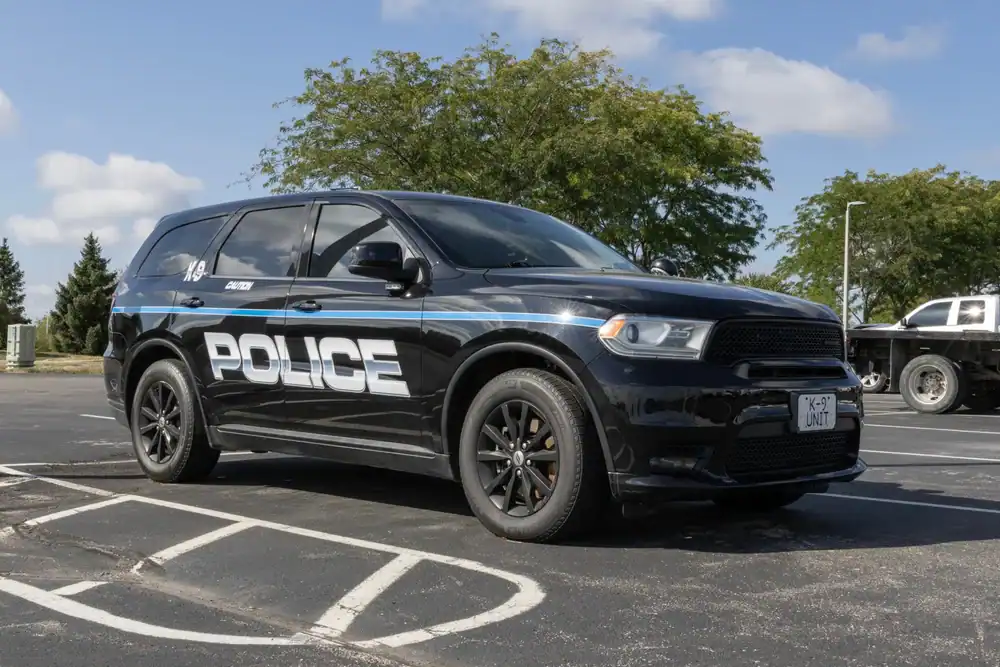
Hear from Our Customers
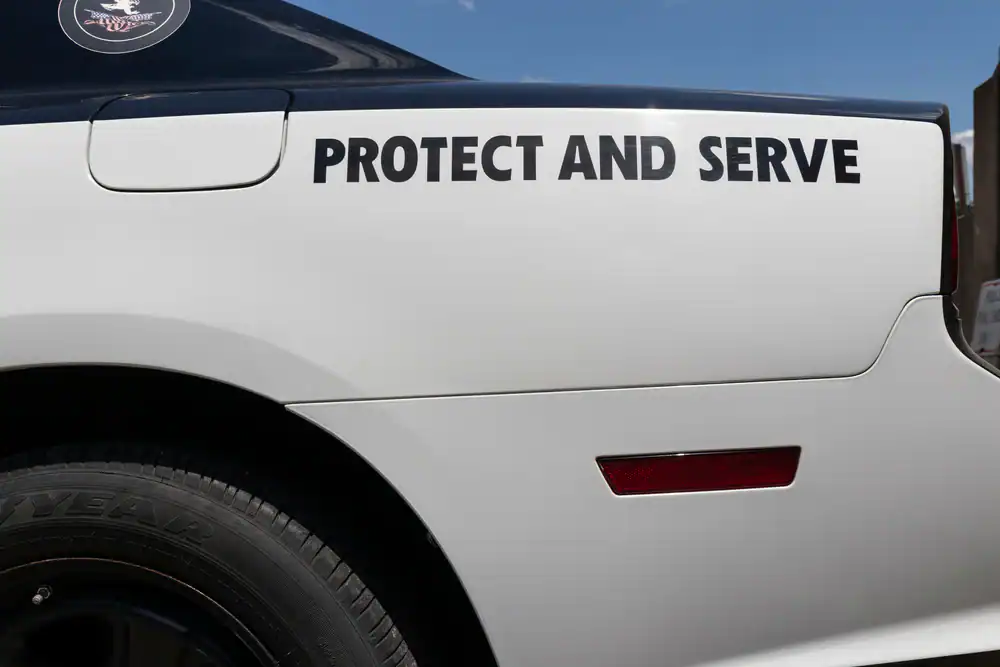
You’re not just buying a used vehicle. You’re getting a car that was built to handle high-stress situations, equipped with heavy-duty components most civilian models don’t come close to matching.
These aren’t weekend drivers. Police interceptors come with upgraded alternators, transmission coolers, better brakes, reinforced suspension, and engines designed for performance under pressure. They’ve been maintained on strict schedules by departments that depend on them daily.
And the price? Most used police cars for sale run between $5,000 and $15,000—well below what you’d pay for a comparable civilian vehicle with similar specs. You’re looking at real value: a powerful, durable car that doesn’t drain your wallet upfront or down the road.
State Surplus Auto Sales was built by someone who spent over 25 years in law enforcement. Our owner, Carmen Yannuzzi, didn’t just sell these vehicles—he drove them, depended on them, and understood exactly what makes a good one worth buying.
For over 15 years, we’ve specialized in government surplus vehicles, bringing that insider knowledge to buyers across New York and beyond. We’re not a typical dealership pushing whatever’s on the lot. We focus exclusively on retired cop cars, police interceptors, and pre owned police vehicles because we know their value better than anyone.
Serving Niagara Falls and the surrounding area means understanding what local buyers need: reliable transportation that can handle tough winters, long commutes, and daily wear without falling apart. That’s exactly what these vehicles were designed to do.
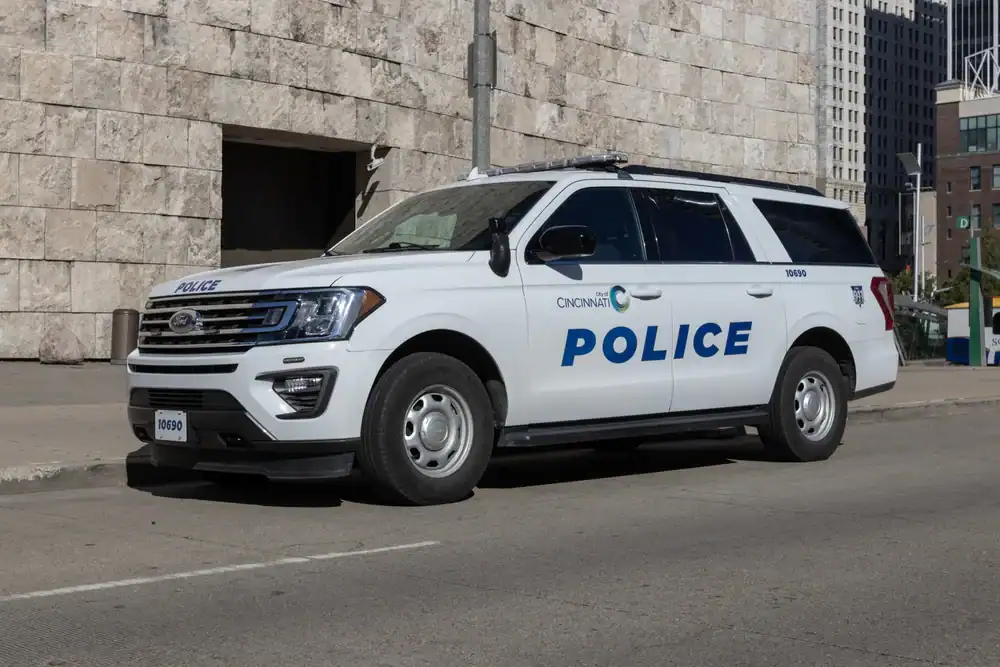
Start by browsing our current inventory of used cop cars for sale. We carry Ford Police Interceptor Utilities, retired cruisers, and other decommissioned law enforcement vehicles. Each listing includes mileage, condition details, and available history.
Once you find something that fits, reach out. We’ll walk you through the vehicle’s background, answer your questions about maintenance records, and give you the real story—not a sales pitch. If you want to see it in person, we’ll set that up.
Financing is simple. We offer zero-interest financing regardless of credit score. No hidden fees, no games. You’ll know exactly what you’re paying and what the terms are before you sign anything. From there, it’s paperwork, keys, and you’re on the road.
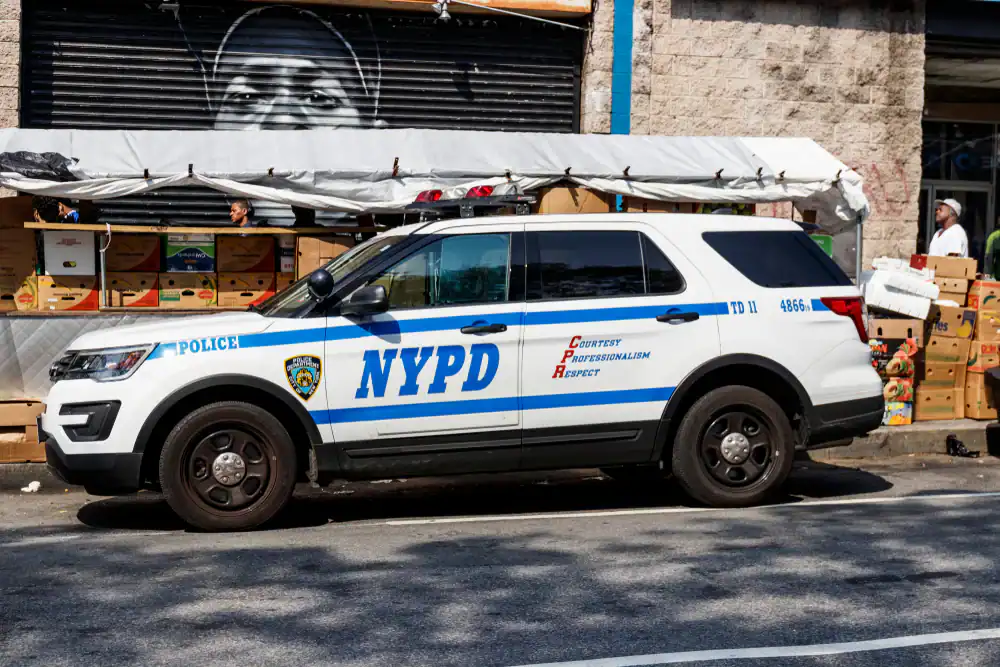
Ready to get started?
Our lot rotates regularly with retired police interceptors, primarily Ford models like the Police Interceptor Utility. These come equipped with standard all-wheel drive, multiple engine options including the 3.0-liter EcoBoost V-6 pushing 400 horsepower, and spacious interiors built for gear and passengers.
You’ll find vehicles with mileage typically between 120,000 and 160,000 miles. That might sound high, but remember—these cars were maintained by departments with strict service schedules. Oil changes, belt replacements, brake work—it all happened on time, every time. You’re not gambling on some unknown previous owner’s habits.
In Niagara Falls and across Western New York, all-wheel drive isn’t a luxury—it’s a necessity. Every police interceptor for sale in our inventory comes standard with AWD, giving you the traction you need when lake-effect snow rolls in or roads turn to ice. These vehicles were built to respond in any condition, and that capability transfers directly to you.
We also carry options for different buyers. Need something for rideshare or delivery work? The roomy interior and proven reliability make these cars ideal. Looking for a dependable second vehicle for your family? The safety features and durability speak for themselves. Interested in a project car or resale opportunity? The value margin is there.
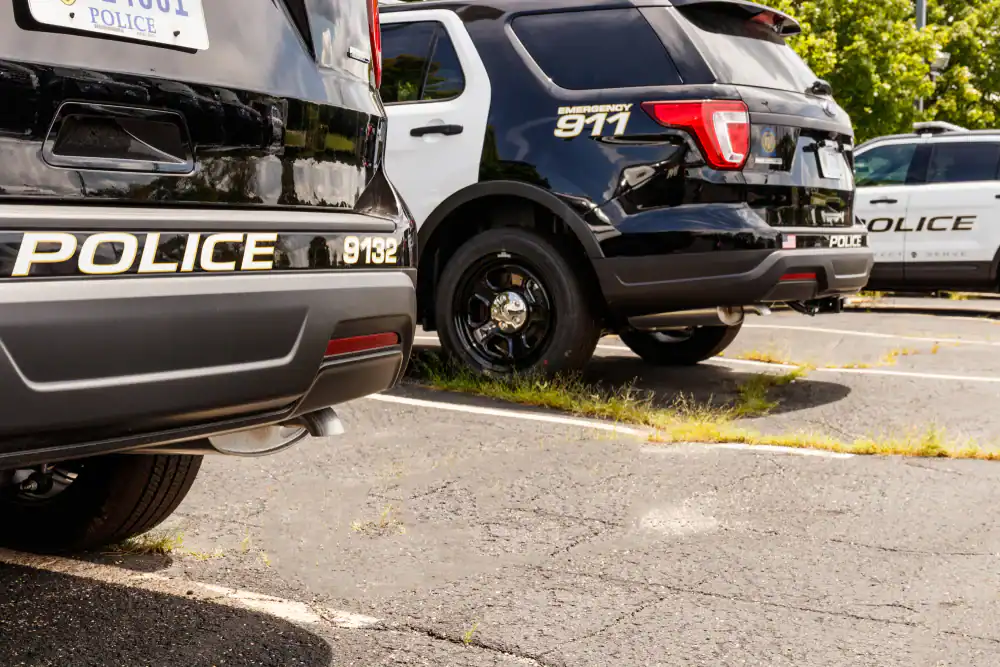
Yes, if you know what you’re buying. Retired cop cars typically sell for $5,000 to $15,000, which is significantly less than comparable civilian vehicles with similar performance specs. You’re getting a car with a heavy-duty build, upgraded components, and documented maintenance history.
The catch is mileage and idle hours. Police vehicles rack up miles and spend a lot of time idling, which doesn’t show on the odometer but does affect engine wear. A good rule is to mentally double the mileage to account for idle time. Even with that adjustment, the value is strong—you’re still paying far less for a vehicle that was built tougher than most cars on the road.
The other advantage is transparency. Most departments keep detailed service records. You can request those during the buying process and see exactly what work was done and when. That’s more than you’ll get from most private sellers or even some dealerships selling civilian used cars.
Some insurance companies hesitate with former police vehicles, but it’s not a dealbreaker. The key is calling your provider before you buy and asking specifically about coverage for a decommissioned law enforcement vehicle. Most insurers will cover them, but a few may have restrictions or higher rates.
The vehicle identification number will show it was originally sold as a police interceptor, so there’s no hiding it. Be upfront with your insurance agent. Ask whether they’ll cover it as a standard used car or if there are any limitations on comprehensive or collision coverage.
In most cases, once the emergency equipment is removed and the car is registered as a civilian vehicle, insurance treats it like any other used car. But confirming that ahead of time saves you from surprises after you’ve already bought it. If your current insurer won’t cover it reasonably, shop around—plenty of companies have no issue with retired cop cars.
Mileage alone doesn’t tell the full story. Most retired police cars for sale have between 120,000 and 160,000 miles, but they’ve also spent thousands of hours idling. That idle time wears the engine without adding miles to the odometer, so the actual wear is higher than the number suggests.
A better way to evaluate it: assume the real wear is about double the odometer reading. A car showing 130,000 miles might have wear equivalent to 260,000 miles. Sounds like a lot, but these engines and drivetrains were built for it. Police interceptors have heavy-duty components designed to handle that kind of use.
What matters more than the mileage is the maintenance history. If the department kept up with oil changes, transmission servicing, brake work, and other routine care—and most do—the vehicle can still have plenty of life left. Ask for service records. If the car was maintained properly, higher mileage is less of a concern than it would be on a civilian vehicle with an unknown history.
A Police Interceptor Utility looks like a Ford Explorer, but it’s not the same vehicle. The interceptor comes with performance and durability upgrades you won’t find on the civilian version. That includes a more aggressive engine tune, heavy-duty cooling systems, upgraded brakes, reinforced suspension, and a beefed-up electrical system to handle extra equipment.
The standard engine in many interceptors is a 3.0-liter EcoBoost V-6 that puts out 400 horsepower and 415 lb-ft of torque. That’s significantly more power than a base Explorer. All-wheel drive is standard, not optional. The transmission and drivetrain are built to take harder use, and the frame is reinforced for added durability.
You’re also getting features like advanced braking systems, additional airbags, and in some cases, ballistic door panels depending on the department’s specs. The interior might be stripped down compared to a civilian model—no leather seats or fancy infotainment—but the bones of the vehicle are stronger. It’s built to perform under stress, and that translates to a longer-lasting, more capable car for everyday use.
Yes. At State Surplus Auto Sales, we offer zero-interest financing to all customers regardless of credit score. That’s not a promotional rate or a limited-time offer—it’s how we do business. You won’t pay interest on your loan, period.
Bad credit, no credit, past bankruptcies—it doesn’t matter. We work with buyers in all kinds of financial situations because we believe everyone deserves access to reliable transportation without getting buried in interest charges. You’ll still need to qualify for a loan amount based on your income and ability to make payments, but your credit score won’t disqualify you or cost you extra.
The process is straightforward. We’ll go over the vehicle price, determine a down payment that works for your budget, and set up a payment plan you can actually manage. No hidden fees, no surprises. You’ll know exactly what you’re paying from the start, and none of it will be interest.
Most of the emergency equipment is removed before the vehicle is sold, but it depends on the department and the auction. Light bars, sirens, radios, and computers are typically taken out. Some vehicles might still have mounting brackets, wiring, or partition mounts left behind, but the actual functional equipment is usually gone.
If you’re buying a car that still has some equipment installed, you need to know the laws in New York. It’s illegal to drive around with active emergency lights or sirens unless you’re authorized law enforcement or emergency personnel. Even having them installed and not using them can get you in trouble, so remove anything that could be mistaken for active emergency equipment.
That said, some buyers like the partition mounts or heavy-duty wiring for their own purposes—cargo separation, aftermarket electronics, or other uses. Just make sure anything that stays in the car is legal to have as a civilian driver. When in doubt, take it out. The last thing you want is to get pulled over because someone thinks you’re impersonating an officer.
Other Services we provide in Niagara Falls