
Hear from Our Customers
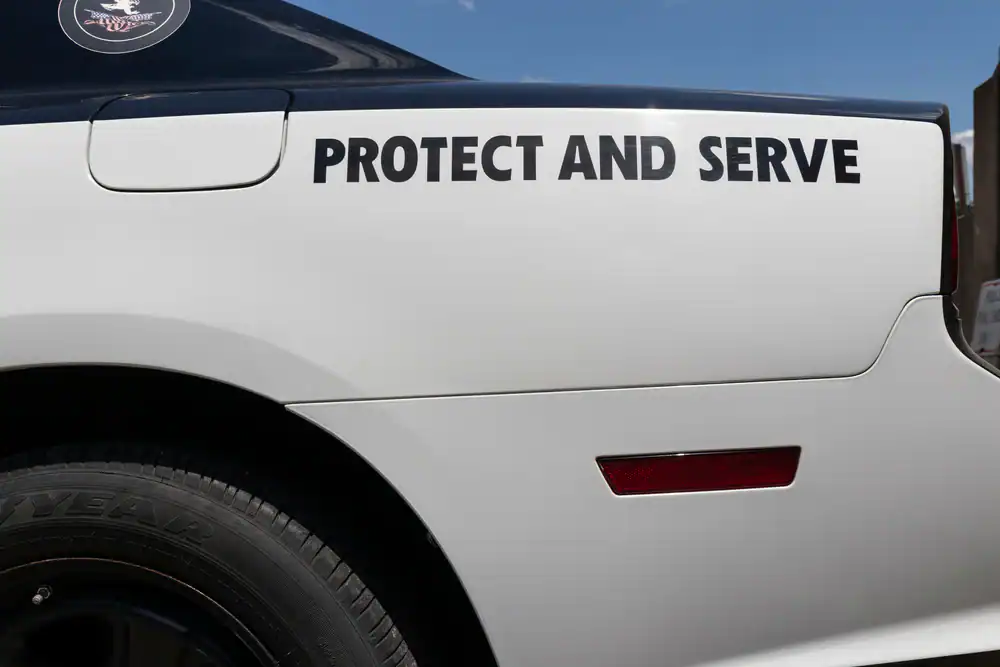
You’re looking at vehicles that were built different from the factory. Not upgraded later. Not modified by some shop. Built from day one to handle pursuit driving, all-weather conditions, and constant use.
That means reinforced suspensions, enhanced cooling systems, upgraded alternators, and transmission coolers that come standard. These aren’t luxury features—they’re necessities for law enforcement work. And now they’re yours at a fraction of what you’d pay for a comparable civilian vehicle.
The maintenance records aren’t a mystery. Departments follow strict schedules because they can’t afford breakdowns during shifts. You’re buying a vehicle that was professionally cared for, not one with a questionable history from three previous owners who may or may not have changed the oil on time.
Most used police cars for sale in our inventory range from $5,000 to $15,000. Compare that to $20,000+ for similar civilian models with unknown backgrounds. You’re not just saving money upfront—you’re getting a vehicle designed to last longer and perform better under stress.
We’ve moved over 35,000 vehicles in the last three decades. We’re not a general used car lot that happens to have a cop car in the corner. This is what we do.
Rochester drivers deal with real winters. Ice, snow, and roads that test every vehicle’s limits. The Ford Police Interceptor Utility comes standard with Intelligent AWD specifically designed for pursuit driving—distributing torque to all four wheels for improved handling and traction. That’s not marketing speak. That’s what gets officers through the same weather you’re driving in.
We stock what actually sells and what holds up in this climate. You’re not buying from someone who’s guessing about these vehicles. You’re buying from people who’ve been doing this since before online auctions made retired cop cars popular.
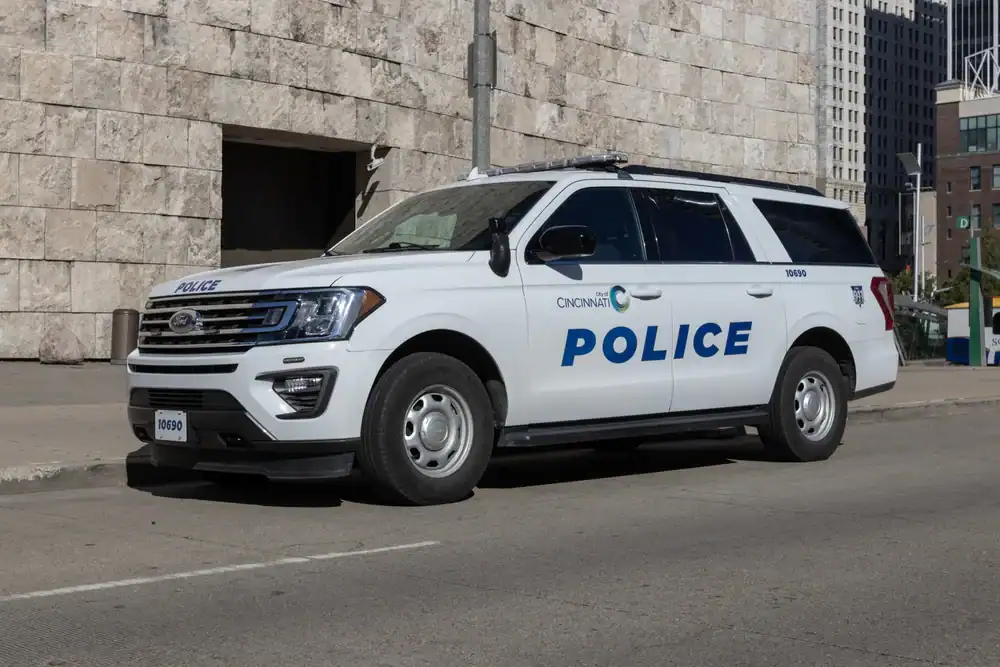
You start by looking at what’s actually in stock. We carry Ford Police Interceptor Sedans, Utilities, and other retired law enforcement vehicles. What you see is what’s available—no waiting for special orders or hoping something comes in next month.
Each vehicle comes with its maintenance history. You’ll know what department it came from, what work was done, and when. Most of these vehicles had parts replaced before retirement—newer engines, transmissions, or tires installed while still in service.
Once you find something that fits your needs and budget, the buying process is straightforward. You’re purchasing a titled vehicle that’s ready to drive, not a project car or something stuck in legal limbo. Most buyers are on the road the same day.
The vehicles are sold as-is, which is standard for any used police car sale. But “as-is” doesn’t mean unknown. You’re getting documented history and professional-grade components that were built to outlast civilian alternatives.
Ready to get started?
We focus on Ford Police Interceptors because Ford makes more police vehicles than any other manufacturer and has led the market since at least 2014. That’s not brand loyalty—that’s availability and proven performance.
The standard 3.3L hybrid engine delivers 318 horsepower. If you want more, the available 3.0L EcoBoost produces 400 horsepower, specifically tuned for pursuit driving. These aren’t economy cars with badges. They’re built for power and response.
Rochester’s 20-minute average commute might be short, but the roads aren’t always cooperative. Winter driving here isn’t optional—it’s a requirement. The vehicles in our inventory were designed and tested to pass Ford’s 75 mph rear-impact crash test standard. They include SPACE Architecture and structural reinforcement that civilian models don’t always get.
You’ll find column shift transmissions, upgraded electrical systems to handle additional equipment loads, and enhanced brakes designed for repeated high-stress stops. These features stay with the vehicle even after the lights and equipment are removed.
Pre-owned police cars for sale here aren’t stripped down or parted out. You’re getting the performance platform that made these vehicles valuable to law enforcement in the first place.
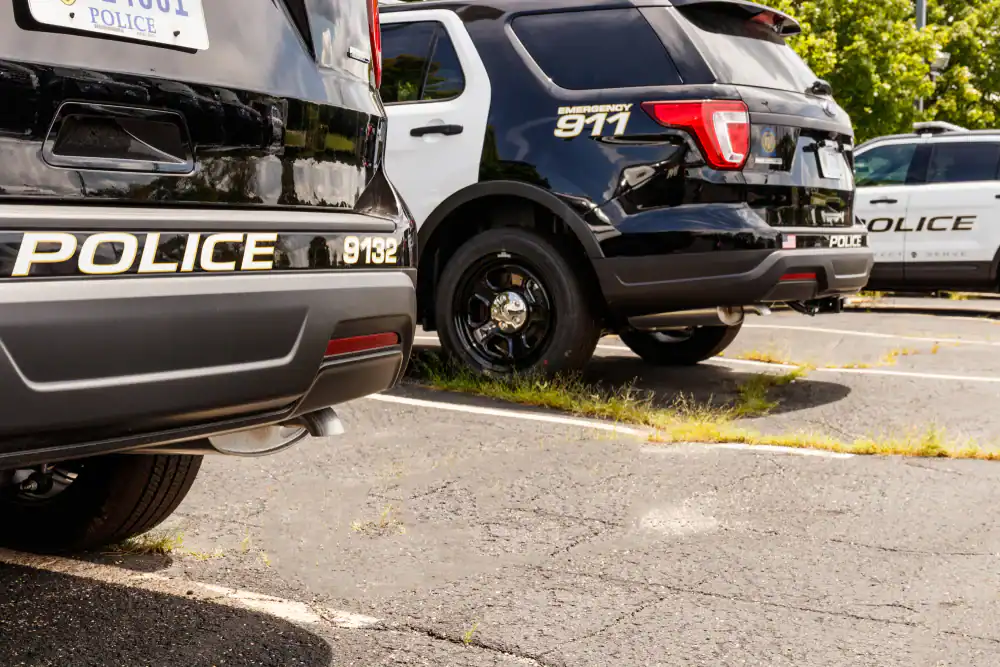
The “driven hard” concern makes sense until you look at how these vehicles are actually maintained. Police departments can’t afford to have cruisers break down mid-shift, so they follow manufacturer maintenance schedules religiously. Oil changes, brake inspections, fluid replacements—everything happens on time, every time.
Yes, these vehicles see more intensive use than your average commuter car. But they also see more frequent and thorough maintenance than most civilian vehicles ever receive. Many departments install new engines, transmissions, or other major components before retiring a vehicle, especially if it’s still within useful service parameters but being rotated out for fleet updates.
The durability isn’t just about maintenance—it’s built in from the factory. Enhanced cooling systems, reinforced suspensions, upgraded alternators, and heavy-duty components are standard. These aren’t modifications added later. They’re part of the original build spec because Ford knows what these vehicles will face.
Most used police cruisers for sale in our inventory range from $5,000 to $15,000 depending on model, year, and mileage. A comparable civilian Ford Explorer or sedan with similar mileage typically runs $20,000 or more on the regular used car market.
You’re looking at potential savings of 40-50% compared to civilian equivalents. But the value goes beyond the sticker price. You’re getting heavy-duty components that would cost thousands to add aftermarket—if you could even find them. Enhanced cooling systems, upgraded suspensions, reinforced frames, and performance-tuned engines come standard.
Several customers have told us they would’ve paid double what they spent here if they’d gone through traditional used car channels. The savings aren’t just about finding a deal. They’re about getting more vehicle for less money because these were built to higher standards from day one.
The differences start at the factory, not the dealer lot. Police Interceptors are built on separate production lines with components specifically chosen for law enforcement use. The 3.3L hybrid standard engine produces 318 horsepower, while the available 3.0L EcoBoost cranks out 400 horsepower—both tuned for pursuit driving, not fuel economy.
The suspension includes reinforced springs, heavy-duty shock absorbers, and upgraded sway bars. The cooling system gets a larger radiator, transmission cooler, and enhanced airflow designed to handle extended idle times and high-speed operation. The electrical system uses a more powerful alternator to support additional equipment loads.
Safety features include structural reinforcement and SPACE Architecture designed to pass Ford’s 75 mph rear-impact crash test—a standard that civilian vehicles aren’t required to meet. The Intelligent AWD system is calibrated differently, distributing torque to all four wheels for improved handling during aggressive driving.
You can’t walk into a regular Ford dealer and order these specifications. They’re only available on police fleet vehicles, which is why retired cop cars for sale attract buyers looking for performance and durability that isn’t available elsewhere.
Mileage matters less on police vehicles than on civilian cars because of how those miles accumulate and how the vehicles are maintained. A police cruiser with 80,000 miles likely has significantly more idle hours than a civilian vehicle, meaning less wear on drivetrain components per mile driven.
Police departments track maintenance by hours and mileage, not just odometer readings. These vehicles receive oil changes, fluid replacements, and inspections based on actual use, not just when someone remembers to do it. That consistent professional maintenance extends component life well beyond what you’d see on a similar civilian vehicle with comparable mileage.
Many departments also replace major components before retiring vehicles. It’s not uncommon to find a used police car with a relatively high odometer reading but a newer engine, transmission, or other critical parts installed within the last 20,000-30,000 miles.
The heavy-duty components also matter. When you start with reinforced parts designed for intensive use, they last longer under normal driving conditions. A police interceptor with 80,000 miles often has more life left than a civilian vehicle with 60,000 miles and unknown maintenance history.
Absolutely. Most people buying used cop cars from us are using them as daily drivers, work vehicles, or family transportation. Once the emergency equipment is removed, you have a highly capable vehicle with performance and durability features that make it ideal for everyday use.
The fuel economy is comparable to civilian versions of the same models. The 3.3L hybrid engine in many Police Interceptor Utilities actually delivers decent efficiency for a vehicle this size and capability. You’re not sacrificing practicality for performance—you’re getting both.
Rochester’s driving conditions make these vehicles particularly practical. The standard Intelligent AWD handles winter weather better than most civilian SUVs. The enhanced cooling systems mean you’re not worried about overheating in summer traffic. The reinforced suspension manages potholes and rough roads without constant repairs.
The interior space is generous, especially in the Utility models. Yes, the rear seats might have different upholstery or plastic panels from the police configuration, but the room and functionality are still there. Many buyers prefer the column shift transmission because it frees up center console space.
Start with the maintenance records. Any legitimate seller of pre-owned police cars should provide documentation showing what department owned the vehicle and what service was performed. You want to see regular oil changes, brake work, and other routine maintenance happening on schedule.
Check which department the vehicle came from and how it was used. Highway patrol vehicles often have higher mileage but less stop-and-go wear than city patrol cars. Detective or administrative vehicles typically see gentler use than front-line patrol cruisers.
Look at what components have been replaced recently. Many departments install new tires, brakes, or other parts before retiring vehicles. That recent work adds value and reduces your near-term maintenance needs.
Pay attention to the specific model and engine. The Ford Police Interceptor Utility with the 3.0L EcoBoost offers significantly more power than the standard hybrid, but both are reliable. Know what you’re getting and what it was designed to do.
Finally, buy from a seller who specializes in police vehicles, not someone who occasionally has one in stock. We’ve been selling used police cars for 33 years because we know these vehicles inside and out. That expertise matters when you’re making a purchase decision and when you need answers later.
Other Services we provide in Rochester