
Hear from Our Customers
You get a vehicle that was spec’d for durability, not luxury. Reinforced frames. Upgraded cooling systems. Performance brakes and suspensions that were designed to take a beating and keep going.
These aren’t showroom cars. They’ve got miles on them—sometimes over 100,000—but they were maintained by government fleets with documented service records. That means regular oil changes, brake checks, and repairs done on schedule, not when something breaks.
The price reflects the mileage and the wear. But it also reflects something else: you’re buying a car that was built to standards most civilian vehicles never see. When you’re comparing a used cop car to a similar-year sedan at twice the price, you’re not just saving money upfront. You’re buying something that was engineered to survive.
Most of our buyers in Uniondale, NY are looking for reliable transportation without the new-car payment. Some are rideshare drivers who need something that can handle the hours. Others are families who need a second vehicle that won’t drain the budget. A few are collectors who know what these cars represent.
We don’t do repairs. We don’t offer maintenance packages or service plans. We sell used police cars, and that’s it.
That focus matters because it means our inventory is deep, our knowledge is specific, and we’re not trying to upsell you on anything else. You’re here for a retired cop car, and we’ve built our entire operation around sourcing, evaluating, and selling them.
We serve buyers throughout Nassau County and Long Island, and our Uniondale, NY location puts us right in the middle of a community where car ownership is essential. With a median household income of $115,037 and an average of two cars per household, people here understand the value of a reliable vehicle that doesn’t come with a luxury price tag.
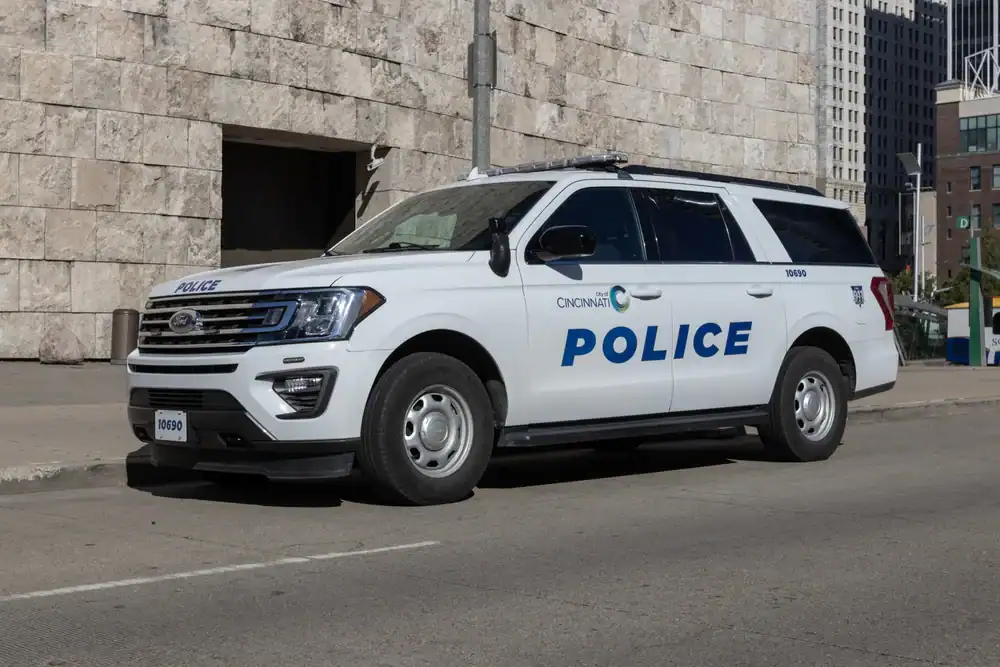
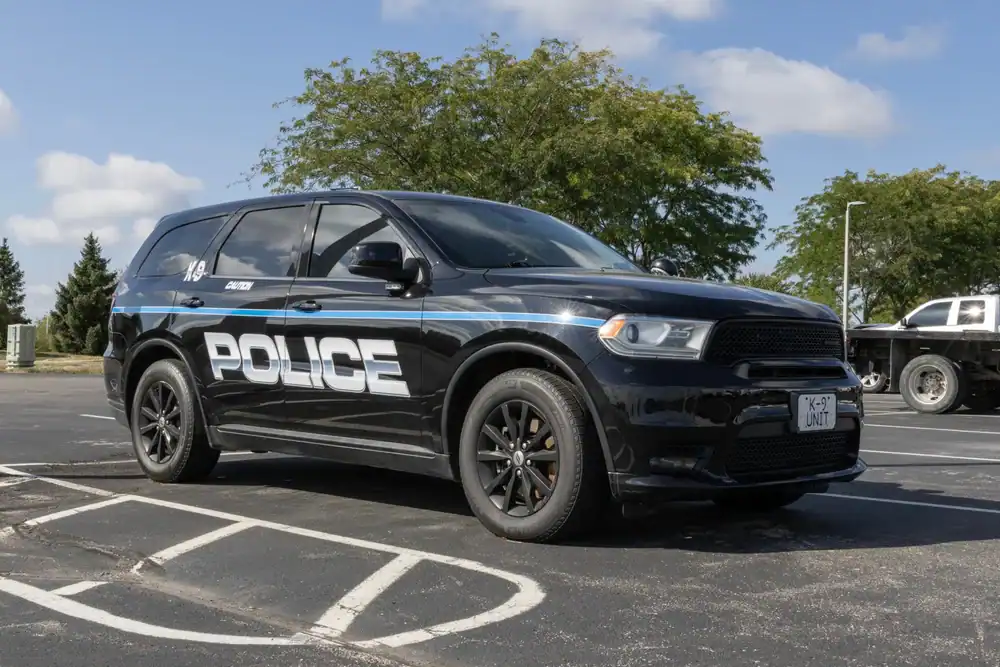
You start by browsing our current inventory. We list what we have available, including make, model, mileage, and price. Most of what you’ll see are Ford Police Interceptors—both the sedan and utility models—along with Dodge Charger Pursuit vehicles and occasionally Chevrolet Impala Police Packages.
Once you find something that fits your budget and needs, you can come see it in person. You’ll notice the cosmetic wear—these cars have been used hard. Interiors show signs of equipment mounts. Paint might have scratches or fading. But you’ll also notice how solid they feel when you sit in them.
We’re transparent about what you’re buying. High mileage is standard. Some components may need replacement sooner than on a lower-mileage vehicle. But the core build quality is there, and that’s what you’re paying for.
If you decide to move forward, we handle the paperwork and get you on the road. No financing gimmicks. No pressure tactics. You’re buying a used police car at a fair price, and we treat the transaction exactly like that.
Ready to get started?
Our inventory focuses on the most common police platforms: Ford Police Interceptor Sedans and Utilities, Dodge Charger Pursuit models, and select Chevrolet vehicles. These are the workhorses of law enforcement fleets across the country, which means parts are easy to find and mechanics know how to work on them.
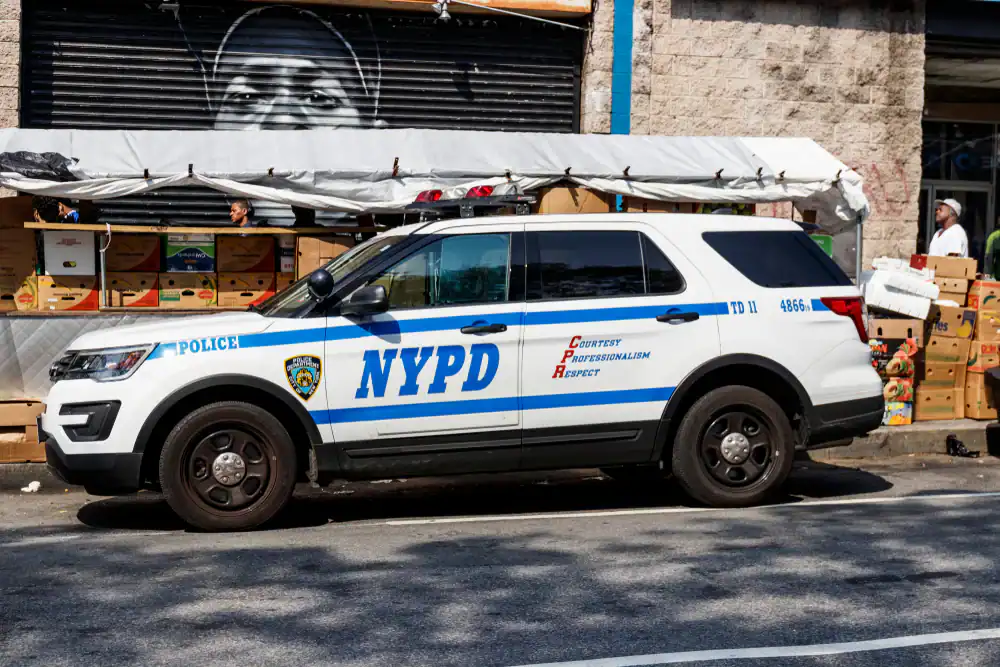
Ford Interceptors dominate our lot because they dominate police fleets nationwide. The Utility model—based on the Explorer platform—has become the go-to vehicle for departments everywhere. You’re looking at V6 engines, all-wheel drive in most cases, and a build quality that goes beyond the civilian version. The Sedan Interceptor, based on the Taurus, offers similar durability in a lower-profile package.
Dodge Chargers bring V8 power and rear-wheel-drive handling. They’re less common in our inventory but highly sought after by buyers who want that combination of performance and presence. These vehicles were built for pursuit scenarios, which means they handle better than you’d expect from a full-size sedan.
What you won’t find are luxury features. Police packages strip out the extras to reduce cost and complexity. That means fewer things to break, but it also means you’re not getting heated leather seats or advanced infotainment systems. You’re getting a vehicle that was designed to run hard and keep running.
Uniondale, NY buyers appreciate this approach because it aligns with the local market. Used vehicle prices dropped about 5% in 2024, and interest rates have made new car financing less attractive. When you can get a solid, reliable vehicle for a few thousand dollars instead of taking on a $30,000 loan, the math makes sense.
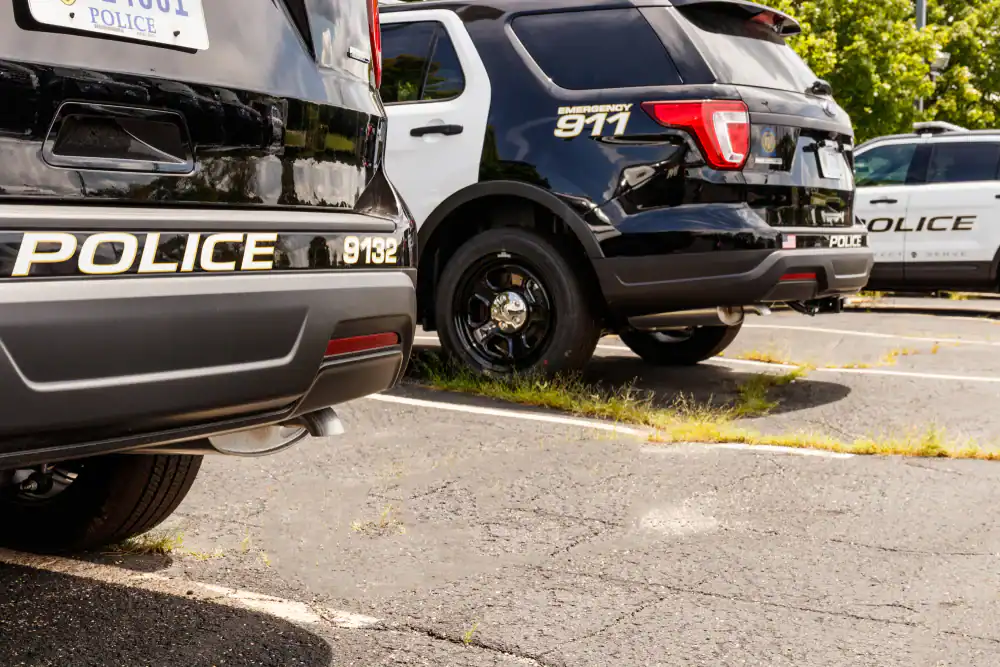
Most retired police vehicles have between 100,000 and 150,000 miles on them, sometimes more. That’s higher than what you’d see on a typical used car lot, and it’s one of the main reasons the price is so much lower.
But here’s what matters more than the number itself: how those miles were accumulated. Police vehicles idle for long periods during shifts. They’re driven hard during pursuits or emergency responses. They also get maintained on strict schedules by fleet managers who document everything.
You’re not buying a car that was babied. You’re buying one that was used exactly as intended and maintained to keep it operational. Certain components—brakes, suspension parts, maybe the transmission—may need attention sooner than on a lower-mileage vehicle. But the core drivetrain and chassis were built to handle this kind of use, which is why these cars are still on the road and still worth buying.
No. That’s one of the biggest advantages of buying a used police car.
Police vehicles are built on common platforms. A Ford Police Interceptor Utility is essentially a modified Explorer. A Dodge Charger Pursuit is a Charger with upgraded components. That means parts are available at any auto parts store, and most mechanics already know how to work on them.
Some police-specific parts—like heavy-duty brake rotors or performance suspension components—might cost a bit more than standard civilian parts. But you can often swap in civilian-grade parts if you’re not planning to drive the car the way a police officer would. The flexibility is there, and the aftermarket support is strong because these platforms are so common.
Most insurance companies will cover a used cop car, but you should call your provider before you buy to confirm. Some insurers hesitate because of the vehicle’s history, while others treat it like any other used car once it’s been decommissioned and sold to a private buyer.
The key is transparency. Let your insurance agent know exactly what you’re buying—make, model, year, and the fact that it’s a former police vehicle. They’ll tell you whether they’ll cover it and what your rates will look like.
In many cases, insurance costs are actually lower than you’d expect because these vehicles aren’t classified as high-performance sports cars, even though they have upgraded drivetrains. They’re seen as utilitarian sedans or SUVs, which typically fall into lower-risk categories. But every insurer is different, so it’s worth making that call early in your decision process.
You’ll see wear. That’s the trade-off for the price.
Interiors often have holes or marks from equipment mounts—laptops, radios, light controls. Seats might be worn from officers getting in and out multiple times per shift. Carpets might be stained or faded. Some vehicles still have vinyl rear seats from when they transported passengers.
Exteriors usually show scratches, door dings, and paint fading. Depending on how the department removed decals and graphics, you might see ghost outlines or adhesive residue. Some buyers don’t mind this. Others plan to invest in a repaint or interior refresh after purchase.
The good news is that none of this affects how the car drives. You’re looking at cosmetic wear, not structural damage. If you’re the type of buyer who values function over appearance, these issues won’t bother you. If you want something that looks showroom-ready, a used police car probably isn’t the right fit.
Three reasons: mileage, appearance, and perception.
High mileage scares off a lot of buyers, even though these vehicles were built to handle it. That reduces demand, which lowers the price. Cosmetic wear makes them less appealing to buyers who care about how a car looks, which further reduces the pool of interested buyers. And there’s a stigma—some people don’t want to drive a former cop car because of how others might perceive them.
All of that works in your favor if you’re focused on value. You’re buying a vehicle with a reinforced frame, upgraded cooling and braking systems, and a documented maintenance history. You’re just buying it at a steep discount because most people are either unaware of the benefits or unwilling to overlook the drawbacks.
Government auctions and surplus sales are designed to move inventory quickly, not maximize profit. That’s why you can find solid running vehicles for a few thousand dollars—prices that would be impossible to match on the civilian used car market for a vehicle with similar build quality.
They assume it’s going to drive like a new car. It’s not.
A used police car is a tool. It was built for a specific job, and it did that job for years. You’re buying it after it’s been retired, which means it’s been used hard and it’s going to need attention at some point.
The biggest mistake is buying one without understanding what you’re getting into. If you’re not comfortable with the idea of replacing worn components or dealing with cosmetic imperfections, you’ll be disappointed. But if you go in with realistic expectations—knowing that you’re trading appearance and low mileage for durability and value—you’ll be happy with the purchase.
The second mistake is not checking with your insurance company first. Finding out after you buy that your insurer won’t cover the vehicle, or that your rates are higher than expected, can turn a good deal into a frustrating one. Make that call before you commit.
Other Services we provide in Uniondale