
Hear from Our Customers
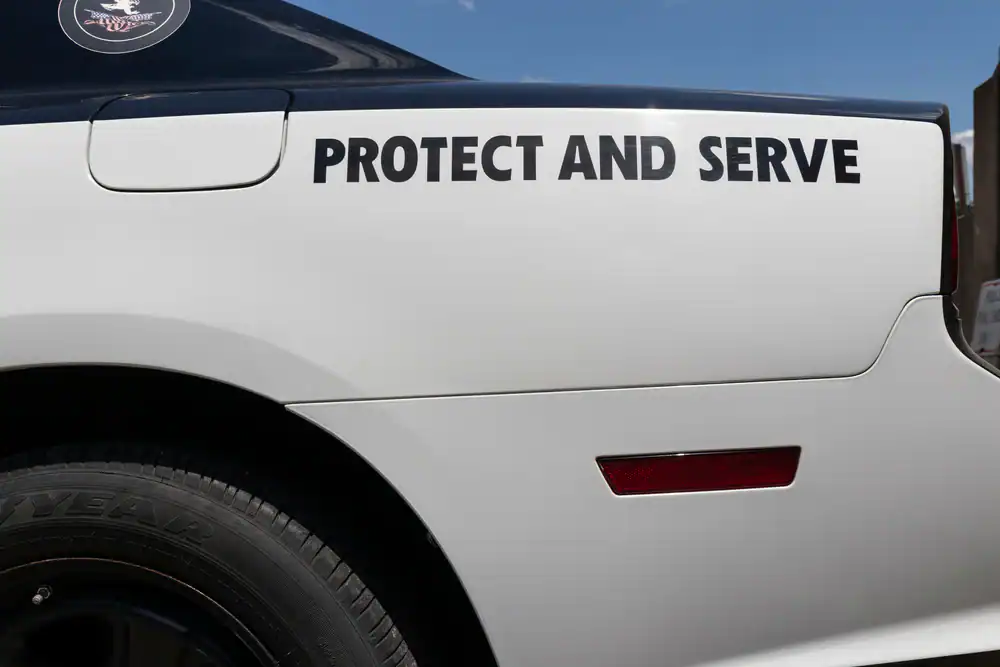
These aren’t regular used cars with a badge slapped on. You’re looking at Ford Police Interceptors that were purpose-built for pursuit, equipped with V6 or V8 engines, heavy-duty suspension, upgraded braking systems, and all-wheel drive as standard. They’ve been maintained on strict schedules by municipal fleets—not driven by someone who skipped oil changes for two years.
The Crown Victoria Police Interceptor is still the only vehicle worldwide tested to meet the 75-MPH rear-impact crash test. Newer Ford Interceptor Utilities hit 131 mph in Michigan State Police testing. These vehicles dominate law enforcement fleets across the U.S. and Canada because they work. Hard. Every day.
You get power, durability, and safety engineering that civilian models don’t touch. And you get it at a price point that makes sense because these vehicles have done their job and moved on. High mileage? Sure. But it’s highway mileage with documented maintenance—not mystery miles from someone’s weekend project car.
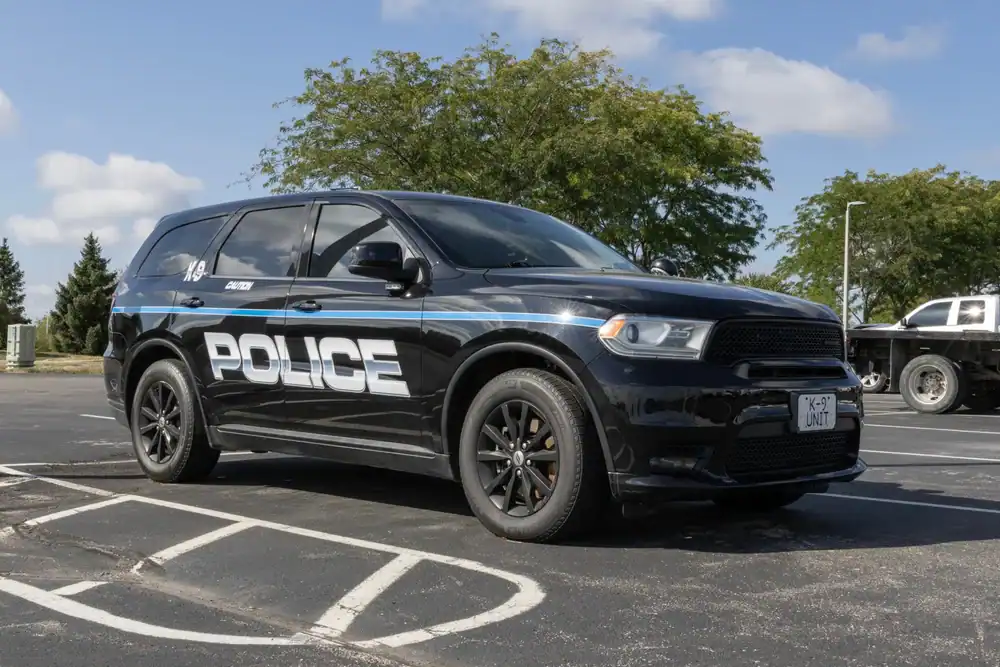
We’re not trying to be everything to everyone. We focus exclusively on used cop cars for sale—Ford Interceptors, Dodge Charger Pursuits, and other retired police cruisers. That’s it. No random trade-ins, no salvage titles dressed up, no side hustles.
We’re located in Hamilton, serving Mercer County and surrounding areas including Trenton, Princeton, Lawrence, and Ewing. If you’re in Central New Jersey and you’ve been searching for pre-owned police cars for sale, you’ve probably already seen our inventory online. What you see is what’s actually here—no bait-and-switch, no “that one just sold” when you show up.
These vehicles come from municipal and state fleets. They’ve been decommissioned, stripped of equipment, and made ready for civilian use. We’re transparent about what you’re buying because there’s no reason not to be.
You browse our current inventory online or stop by the lot in Hamilton. Everything we have is listed with photos, mileage, year, and model. No hidden cars in the back. No “call for pricing” games.
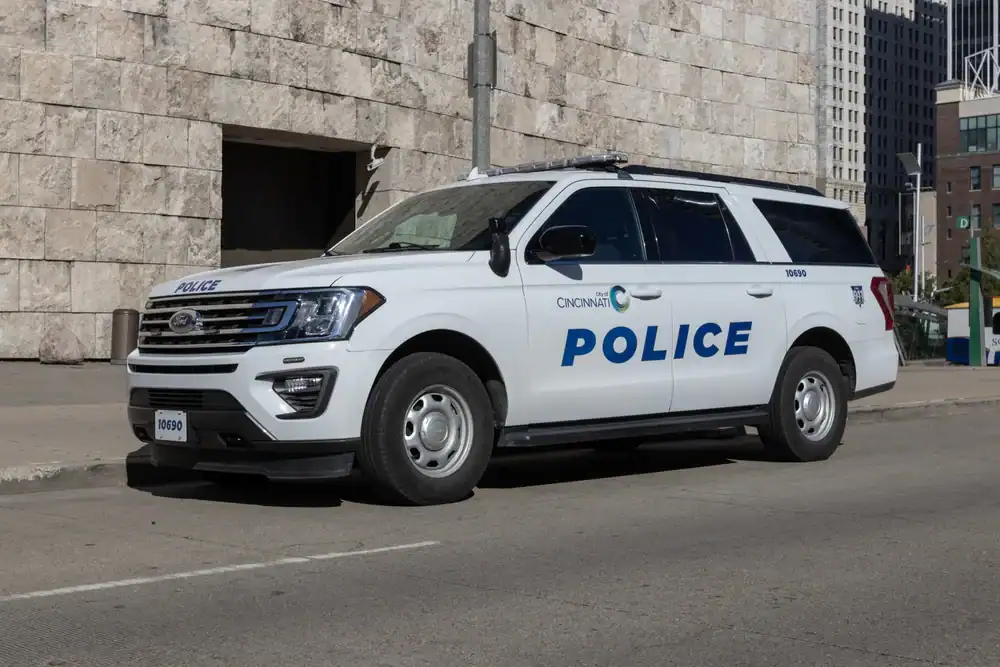
When you find something that fits, you can inspect it in person. Pop the hood. Check the interior. Ask about the service history. These cars come from government fleets, so maintenance records exist—we’ll show you what we have. Most of our vehicles are Ford Police Interceptor Sedans or Utilities, with some Dodge Charger Pursuits mixed in depending on what’s available.
If you’re ready to move forward, we handle the paperwork like any other used vehicle sale. Title, registration, the works. Some lenders get nervous about financing former police vehicles, so if you’re planning to finance, it’s worth checking with your bank or credit union first. Cash and certified funds are always the smoothest route.
You drive off in a vehicle that was built for performance and maintained by professionals. It’s not going to have the new-car smell or the leather upgrade package. But it will have a powertrain that’s been tested at speeds most civilian drivers will never touch.
Ready to get started?
Police interceptors aren’t just civilian models with a spotlight. Ford introduced its first purpose-built police package in 1950, and the engineering has been refined for over 70 years. These vehicles are pursuit-rated, which means they’ve passed tests that regular cars never see—high-speed handling, extreme braking, extended idle durability, and crash standards that go beyond federal requirements.
You’ll find heavy-duty alternators, transmission coolers, upgraded electrical systems, and reinforced frames. The suspension is stiffer. The brakes are bigger. The cooling systems are built to handle hours of idling in summer heat or high-speed runs on the highway. All-wheel drive is standard on most Interceptor Utilities, which matters in New Jersey winters when Route 1 or I-295 turns into a skating rink.
Hamilton and the surrounding Mercer County area see all four seasons, and these vehicles were designed to handle whatever gets thrown at them. You’re not babying a car that was meant for grocery runs. You’re driving something that spent its career doing real work in real conditions—and it’s still running.
Used car prices have dropped about 6% compared to last year, and wholesale prices are down around 5%. That means you’re shopping in a buyer’s market. But police interceptors hold value differently than regular used cars because the demand comes from people who know what they’re looking at—performance buyers, fleet operators, and anyone who wants a vehicle that’s been built to last.
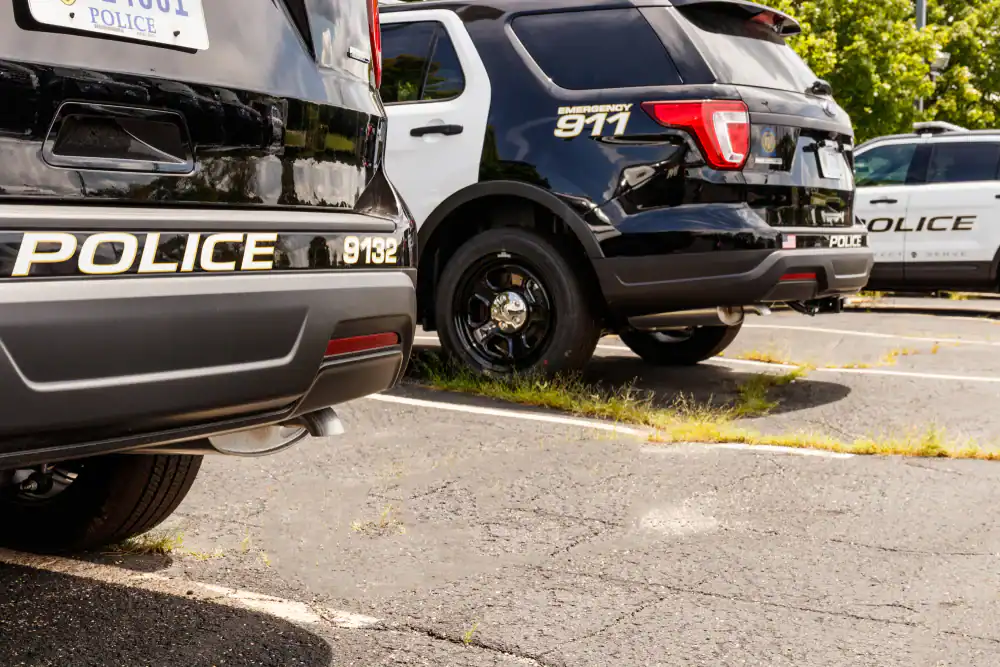
It depends on what you’re comparing them to. Yes, most retired police cars have higher mileage—often 80,000 to 120,000 miles or more. But that’s mostly highway and patrol mileage, not stop-and-go city driving from someone commuting 10 miles a day for eight years.
Police fleets maintain vehicles on strict schedules. Oil changes, brake inspections, fluid checks—they’re documented and regular. Many departments replace engines, transmissions, or major components before the vehicle is retired, so you might be getting newer parts than you’d find on a comparable civilian car with half the miles.
The trade-off is this: you’re not getting a pampered vehicle. These cars have been used hard. But they’ve also been built to take it. If you’re looking for the cheapest possible transportation and you’re willing to accept some cosmetic wear in exchange for a powerful, durable vehicle, this is one of the better deals in the used car market. If you want something pristine with low miles and a perfect interior, you’re shopping in the wrong category.
The biggest concerns are idle hours and interior condition. Police cars spend a lot of time idling—sitting in parking lots with the engine running, radar on, computer charging. Idle time puts wear on the engine differently than highway miles, so it’s worth asking about if that information is available.
Interior-wise, expect hard plastic rear seats, wear on the driver’s seat, and possibly holes in the roof or trunk from removed equipment like antennas or light bars. Some cars still have the spotlight mount or push bar. Those are cosmetic issues, but they affect resale value if you’re planning to sell it down the road. Most civilian buyers don’t want a car that screams “former cop car,” so your resale market is narrower.
Mechanically, check for any signs of front-end damage or frame issues. Police cars do get into accidents—minor fender benders, curb hits, backing into things. A pre-purchase inspection is always smart if you’re not comfortable evaluating the car yourself. We’re transparent about what we know, but we’re also selling vehicles that have been in service, so you’re buying them as-is in most cases.
Financing is possible, but it’s not as straightforward as financing a regular used car. Some banks and credit unions won’t touch former police vehicles because they view them as higher risk—higher mileage, harder use, narrower resale market. Others will finance them but might require a larger down payment or charge a higher interest rate.
Your best bet is to check with your bank or credit union before you start shopping. If you’re a member of a local credit union in the Hamilton or Trenton area, they’re often more flexible than big national banks. Some buyers go through online lenders that specialize in non-traditional vehicles, but you’ll want to read the terms carefully.
Cash or certified funds are always the easiest route. No approval process, no waiting, no surprises. If you’ve got the cash and you’ve found the right vehicle, you can drive it home the same day. If you need financing, just plan ahead and know what you’re approved for before you fall in love with a specific car.
The Sedan is based on the Ford Taurus platform—it’s a full-size, front-wheel or all-wheel drive car with a low profile and a big trunk. It’s quick, handles well, and gets better fuel economy than the Utility. Most departments used Sedans for highway patrol or detective work. The older Crown Victoria Police Interceptors were rear-wheel drive V8 sedans, and they’re still popular with enthusiasts because of their simplicity and durability.
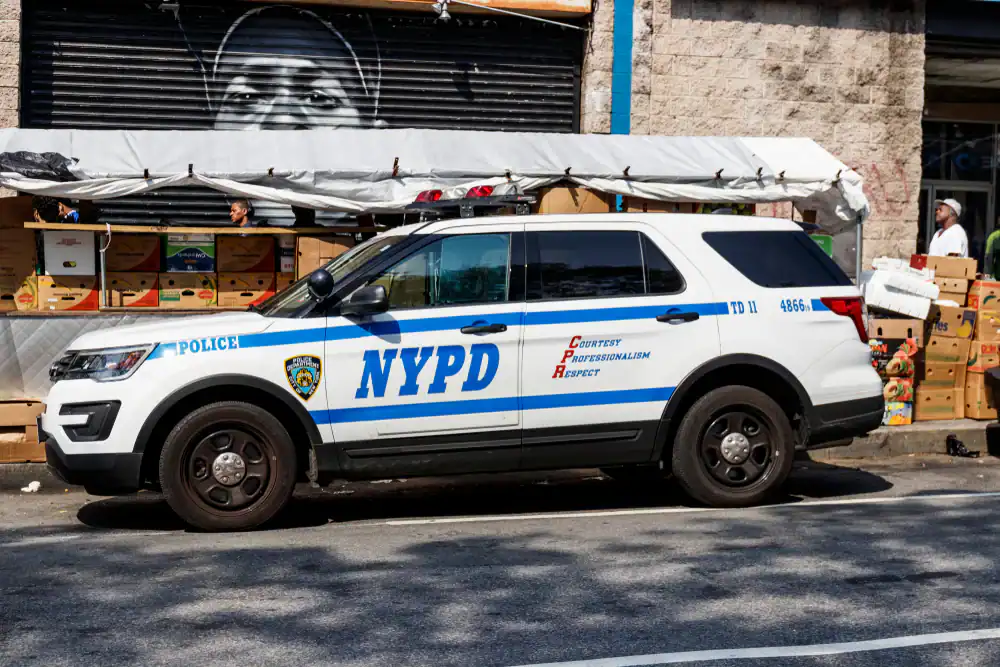
The Utility is based on the Ford Explorer platform—it’s an SUV with standard all-wheel drive, more ground clearance, and more cargo space. It’s heavier and uses more fuel, but it’s better in bad weather and it’s more versatile if you need to haul stuff or tow anything. Most departments have shifted toward Utilities in recent years because they’re more practical for everyday patrol work.
Which one is better depends on what you need. If you’re mostly driving on highways and you want something faster and more efficient, go with the Sedan. If you’re dealing with snow, dirt roads, or you need more space, the Utility makes more sense. Both are built tough. Both are pursuit-rated. Both will outlast most civilian vehicles in the same price range.
Yes, but not in the way most people think. Police interceptors don’t have more airbags or fancier collision-avoidance systems. What they have is structural engineering that goes beyond federal crash standards. The Crown Victoria Police Interceptor was the first vehicle to pass a 75-MPH rear-impact crash test, and newer Interceptors are still tested to those same extreme standards.
The frame, the crumple zones, the door reinforcements—they’re all built to protect officers in high-speed situations or when the car is parked on the side of a highway and gets hit from behind. That’s not a scenario most civilian cars are designed for. You’re also getting better brakes, better tires (when new), and a suspension that’s designed to stay stable at speeds that would make a regular sedan feel like it’s floating.
That said, these are used vehicles. The safety features that matter most—tires, brakes, suspension components—need to be in good condition to do their job. We’re not selling you a car fresh off the lot with a warranty. You’re buying a vehicle that’s been in service, so it’s on you to inspect it or have it inspected before you buy. The engineering is solid, but maintenance matters.
Because most people don’t want them. The average car buyer sees a former police car and thinks “high mileage, rough life, weird interior, hard to resell.” They’re not wrong. These cars have been used hard, and they do have cosmetic quirks that turn off a lot of buyers. That shrinks the market, which drives the price down.
But for buyers who know what they’re looking at, that’s exactly why these cars are a good deal. You’re getting a vehicle with a heavy-duty powertrain, pursuit-rated performance, and professional maintenance history—at a discount because it doesn’t have mass-market appeal. The people who buy police interceptors are usually performance enthusiasts, budget-conscious families who need a reliable workhorse, or commercial buyers who need fleet vehicles and don’t care about curb appeal.
The other factor is volume. When a police department retires a fleet, they’re selling 10, 20, or 50 cars at once. They’re not trying to maximize profit on each individual vehicle—they’re trying to move inventory quickly. That benefits you as a buyer because you’re getting access to vehicles that were never meant to be retail purchases in the first place.
Other Services we provide in Hamilton