
Hear from Our Customers
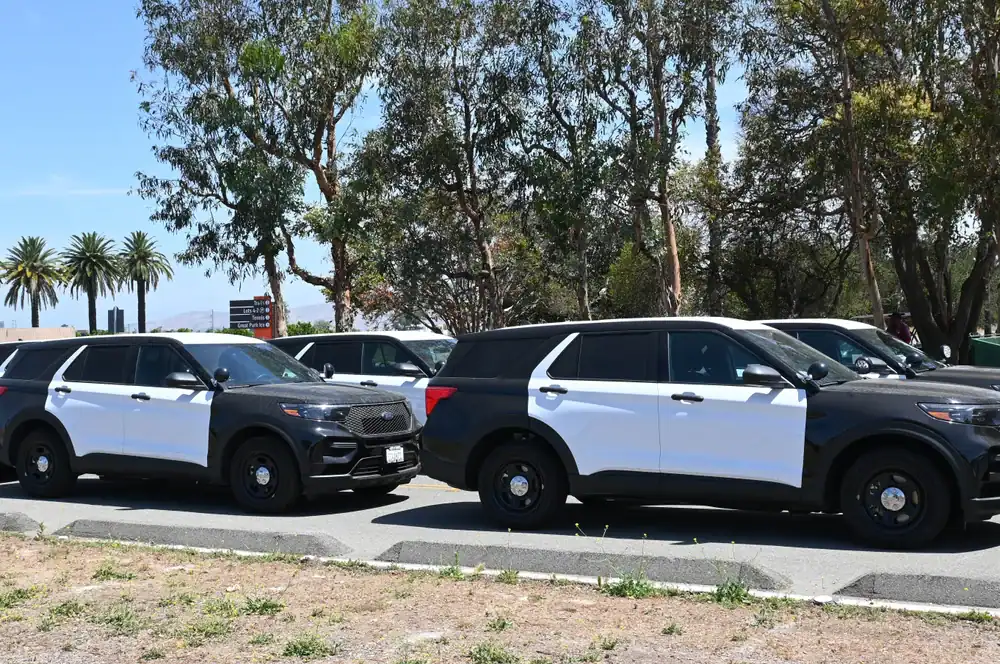
You’re not buying someone’s old commuter car. These Ford police interceptor utility vehicles and sedans were built with heavy-duty alternators, reinforced suspensions, enhanced cooling systems, and braking components designed for high-speed pursuit work. That means the engine, transmission, and electrical system were upgraded before the vehicle ever hit the street.
The price difference is real. Used cop cars for sale typically run thousands below comparable civilian models from the same year. You’re looking at vehicles that sold new for $35,000+ now available in the $3,000-$12,000 range depending on mileage and condition.
Parts are everywhere. Because Ford Interceptors dominate law enforcement fleets across the country, you can find replacement components at nearly any auto parts store. No hunting down specialty parts or paying dealer-only prices.
We focus exclusively on one thing: used police vehicles. We’re not a general used car lot trying to move whatever comes through the gate. Every Ford Explorer police interceptor for sale on our lot came from a law enforcement agency, and we know exactly what to look for when sourcing inventory.
Our location in Plainfield gives you convenient access whether you’re coming from Newark, Elizabeth, or anywhere in Union County. We work directly with police departments and government agencies to acquire vehicles, which means you’re getting authentic former patrol cars – not civilian models dressed up to look like interceptors.
You’ll find transparent information about each vehicle’s history, including which agency used it and available records. No games, no surprises.
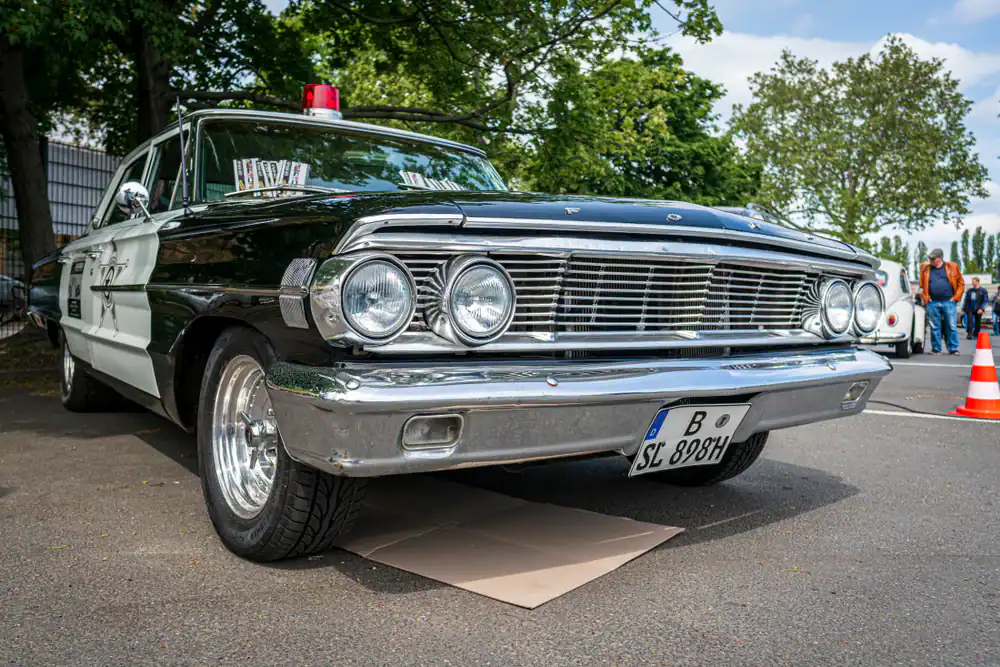
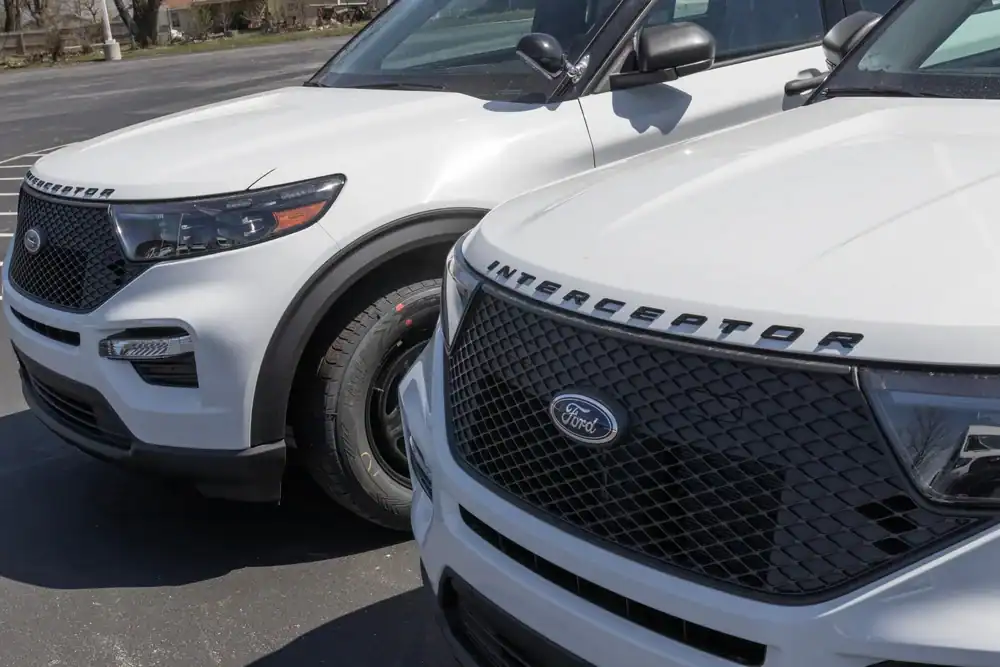
You start by browsing our current inventory of Ford Interceptor models. We carry both the Ford Police Interceptor Utility (the SUV based on the Explorer platform) and sedan models. Each listing shows the year, mileage, which agency used it, and what condition category it falls into.
When you find something that interests you, come see it in person at our Plainfield location. You can inspect the vehicle, check under the hood, and ask specific questions about its service history. We’ll show you what we know about maintenance records if they’re available from the agency.
If you decide to move forward, we handle the title transfer and paperwork. Most buyers drive away the same day. You’re getting a clean title on a vehicle that’s been properly decommissioned – all emergency equipment removed, ready for civilian registration.
The whole process is straightforward because these aren’t complicated transactions. You’re buying a used vehicle that happens to have a more interesting previous owner than most.
Ready to get started?
The Ford Police Interceptor Utility comes with all-wheel drive, upgraded electrical systems to handle radio equipment and computers, and a modified suspension that sits lower and handles better than civilian Explorers. The 3.7L V6 produces solid power, while newer models with the 3.0L EcoBoost push 400 horsepower.
Sedan models – whether you’re looking at the Taurus-based Interceptor or older Crown Victoria platform – feature reinforced frames, heavy-duty transmission coolers, and brake systems designed to handle repeated high-speed stops. The interiors are stripped down, which actually works in your favor. Fewer electronics means fewer things that break over time.
In the Plainfield area, you’ll see these vehicles everywhere. Taxi companies buy them for durability. Rideshare drivers use them to rack up miles without constant breakdowns. Budget-conscious families choose them because they need something reliable that won’t drain the bank account.
The police vehicle market is growing – projected to hit $147.4 million by 2031. That’s because departments keep upgrading their fleets, which means more quality used inventory becomes available. You’re buying into a market with steady supply and proven demand.
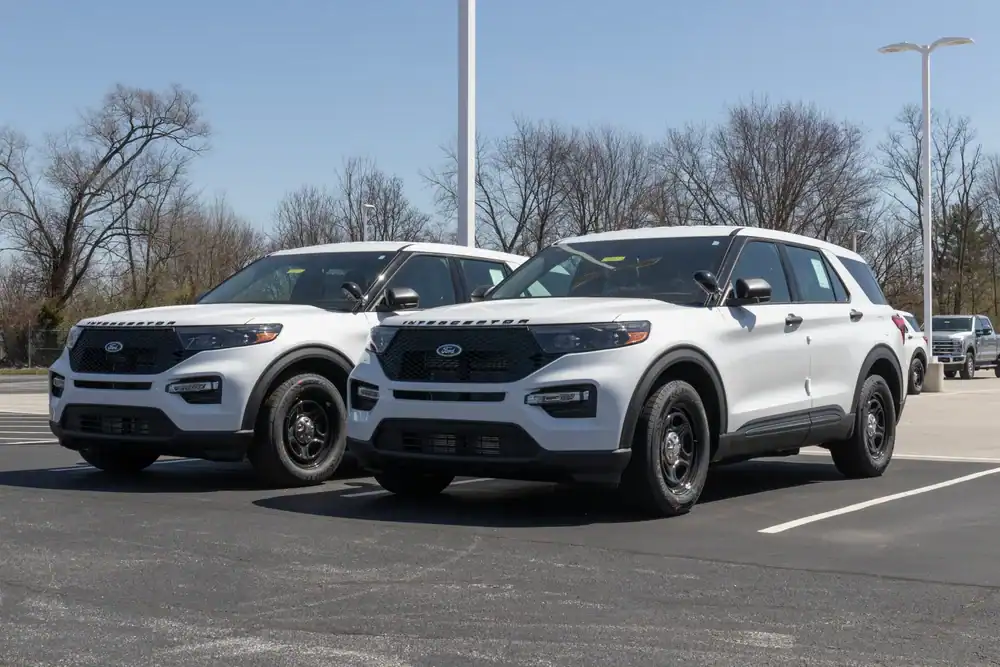
The price gap comes down to perception and usage, not actual value. Most buyers see “former police car” and assume it’s been beaten to death. That drives prices down even though the underlying vehicle is often more durable than a civilian equivalent.
Government agencies also aren’t trying to maximize profit. They’re clearing out fleet vehicles to make room for new ones. When a department sells 50 cars at once through auction or direct sale, they price to move inventory quickly.
Here’s what matters: you’re getting a vehicle that was professionally maintained on a strict schedule, built with heavy-duty components from the factory, and sold at a steep discount because of mileage and cosmetic wear. The math works in your favor if you care more about mechanical reliability than pristine paint.
Idle hours are real, and you should factor them into your decision. Police vehicles sit running for hours during shifts – at traffic stops, during surveillance, while officers write reports. That engine time doesn’t show up on the odometer.
A general rule: assume one idle hour equals 25-33 miles of wear. So if a vehicle has 80,000 miles and spent significant time idling, the engine might have wear equivalent to 100,000+ miles. That’s not necessarily a dealbreaker, but it’s something to understand going in.
The flip side is that these engines were designed for this exact use case. The cooling systems, oil capacity, and component durability were all upgraded to handle extended idle time. A civilian car idling for 6 hours a day would overheat or burn out. These don’t. You’re still getting a vehicle built tougher than what most people drive, even accounting for the idle wear.
Yes, and that’s exactly what most buyers use them for. The Ford Police Interceptor Utility is based on the Explorer platform, so you’re getting the same interior space, cargo capacity, and driving dynamics as a civilian SUV – just with better performance components.
The ride is slightly firmer because of the upgraded suspension, but it’s not uncomfortable. You’ll notice better handling in turns and less body roll than a standard Explorer. The all-wheel-drive system works great in New Jersey winters.
Fuel economy is the main trade-off. You’re looking at 14-18 mpg in mixed driving depending on the engine. These weren’t built for efficiency – they were built for power and reliability. If you’re okay with that fuel cost, you’re getting a very capable daily driver that can also tow, haul gear, and handle rough roads better than most civilian SUVs in its price range.
They’re completely different categories. Impound cars for sale are civilian vehicles that were seized, abandoned, or towed and never claimed. They come from regular owners who may or may not have maintained them properly. The history is often unclear.
Former police vehicles are fleet cars that agencies used and then retired on a planned schedule. You know exactly who owned it, how it was used, and in many cases you can access maintenance records showing oil changes, brake work, and other service.
Police interceptors were also built differently from day one. A Ford Interceptor isn’t just a regular Explorer that happened to be painted black and white. It left the factory with upgraded components specifically for law enforcement use. An impound car is just whatever random vehicle got towed. The quality and reliability are in completely different categories.
Low mileage is relative with police vehicles. Most agencies retire cars between 80,000-120,000 miles, though some go longer. You’ll occasionally find units under 60,000 miles, but they’re less common and typically come from administrative use rather than patrol duty.
Here’s the thing: mileage matters less on these vehicles than it does on civilian cars. A police interceptor with 100,000 miles has been maintained by professional fleet mechanics on a fixed schedule. Oil changes happened every 5,000 miles like clockwork. Brake inspections were routine. Any issues got addressed immediately because departments can’t have vehicles breaking down mid-shift.
Compare that to a civilian SUV with 60,000 miles where you have no idea if the previous owner ever changed the transmission fluid or rotated the tires. The police vehicle with higher mileage is often the safer bet. Focus on overall condition and maintenance history rather than just the odometer number.
All emergency equipment gets removed before sale. That includes light bars, sirens, radios, computers, push bumpers, and any weapon mounts. Agencies are required to strip this equipment both for legal reasons and because they reuse it in newer vehicles.
What you’re left with is a standard vehicle with some holes in the dashboard and roof where equipment was mounted. Some sellers patch and repaint these areas, others sell the vehicles as-is. At State Surplus Auto Sales, you’ll see exactly what condition the interior is in before you buy.
The mechanical upgrades stay with the vehicle. The heavy-duty alternator, upgraded suspension, enhanced cooling system, reinforced transmission – all of that remains. You’re getting the performance benefits without the emergency equipment. Most buyers either leave the exterior as-is or do minor cosmetic work to make it look more civilian. Either way, you’re driving a vehicle that’s mechanically superior to what’s sitting in regular used car lots across Plainfield.
Other Services we provide in Plainfield