
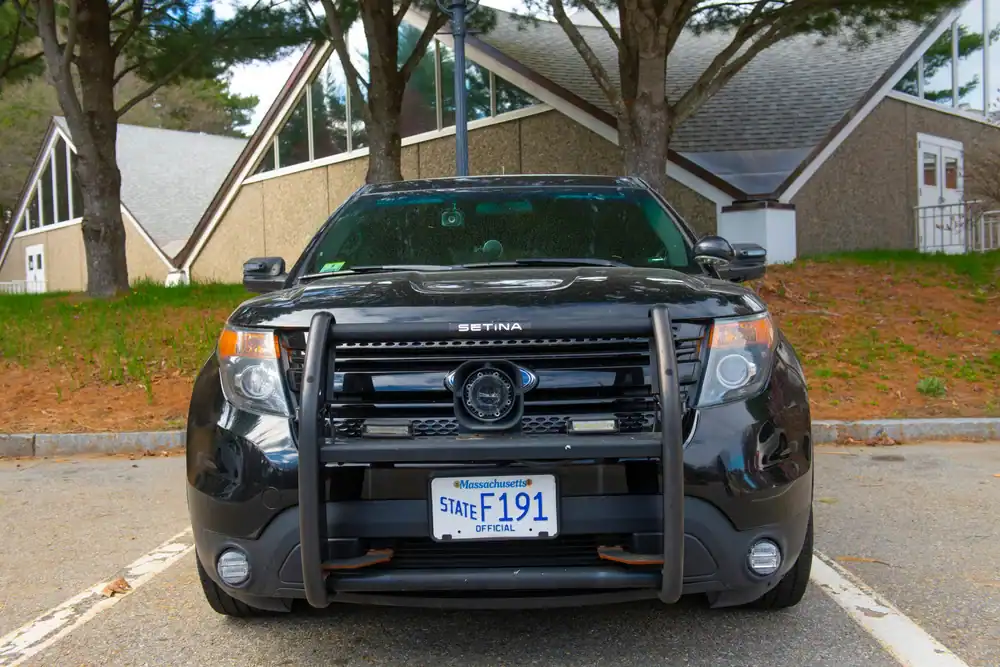
Hear from Our Customers
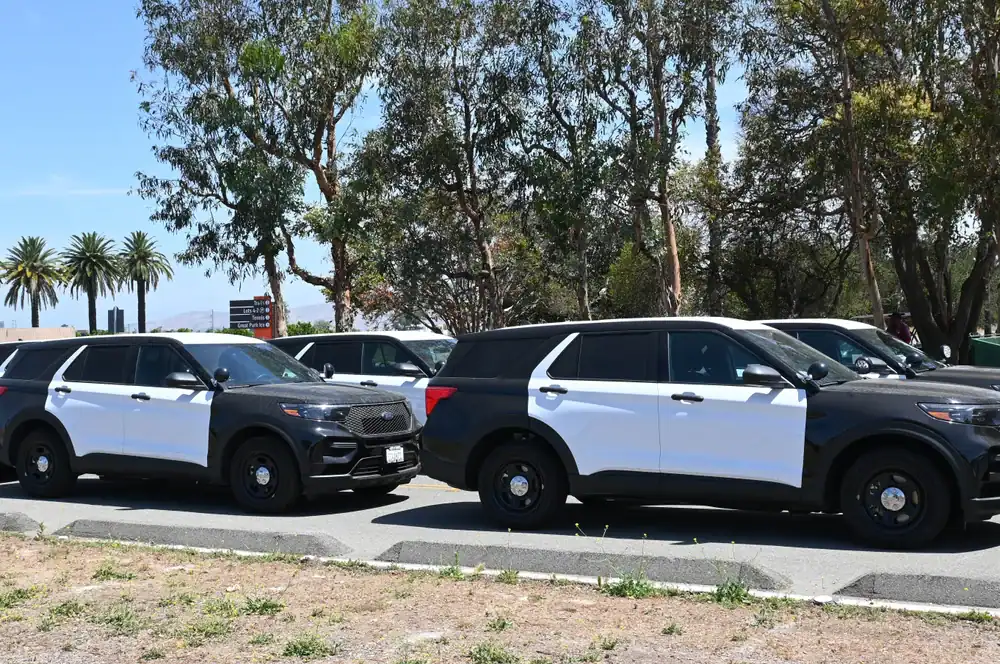
Most people don’t realize what they’re actually getting when they buy a used police car. You’re not just saving money—you’re buying a vehicle that was built to handle high-speed pursuits, long idle times, and daily abuse that would destroy a civilian car in months.
Ford Police Interceptor Utilities and Explorers come with heavy-duty alternators, upgraded cooling systems, reinforced suspensions, and braking systems designed for emergency response. These aren’t luxury features—they’re the reason these vehicles last. When Trenton police departments and state agencies retire these cars, they’re selling you something that was engineered to outlast normal use.
The price difference is real. You’ll find Ford Explorer police interceptors for sale starting around $5,900 to $15,000, while comparable civilian SUVs from the same year easily run $20,000 or more. That’s not a small gap—that’s the difference between affording a vehicle or not, especially if you’re driving for Uber, running a small business, or just need something reliable that won’t drain your budget.
We’ve been selling government surplus vehicles in the Newark and Trenton area for over 22 years. We’re not a typical used car lot—we specialize exclusively in former police vehicles, which means we know these cars inside and out.
Our inventory comes directly from New Jersey State Distribution and Support Services surplus auctions in Trenton. We’re connected to the source, so you’re getting access to the same vehicles that state and local agencies are retiring. No middleman markup, no mystery history.
We also offer zero interest financing to everyone, regardless of credit score. Bad credit, no credit—it doesn’t matter. We’re a buy here, pay here dealer, which means you’re approved before you even walk in the door. That’s not a gimmick—it’s how we’ve operated for two decades in this area.
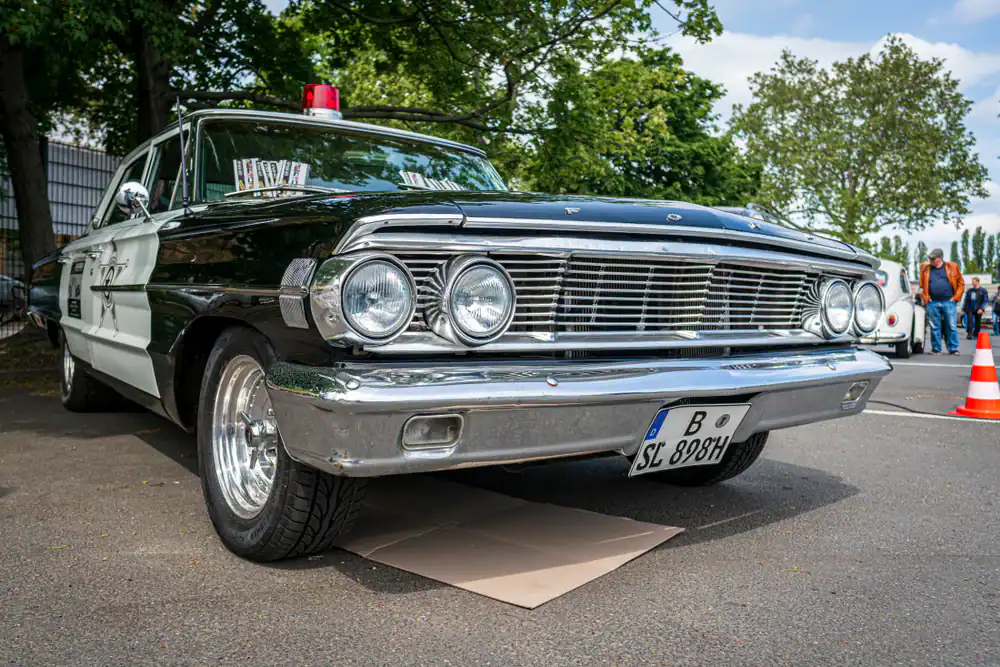
You start by looking at what’s available. Our inventory changes based on what comes through the New Jersey government surplus auctions, so if you see a Ford Interceptor for sale that fits your needs, it’s worth acting on it.
Once you find something you’re interested in, you can come see it in person at our location on Broadway. You’ll get a chance to inspect the vehicle, ask questions, and understand exactly what you’re buying. These are former police cars—they’ve been used hard, but they’ve also been maintained by professionals who depend on them daily.
If you decide to move forward, we handle financing on-site. Zero percent interest, no credit check drama, and you can drive off the same day in most cases. We’re not here to waste your time with back-and-forth or hidden fees. You either want the vehicle or you don’t—and if you do, we make it easy to take it home.
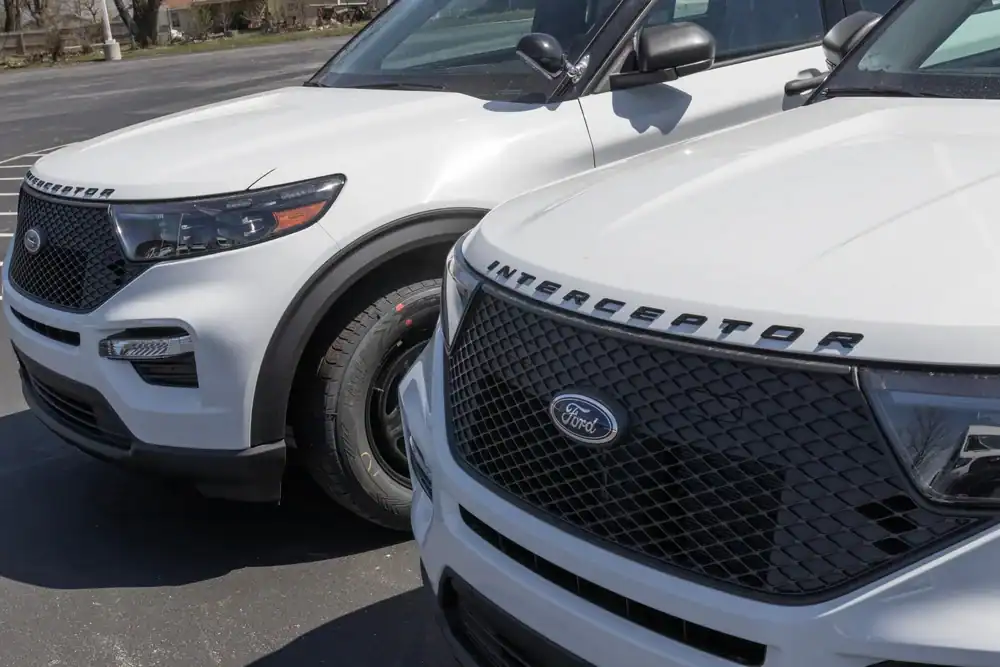
Ready to get started?
When you buy a Ford police interceptor utility or Explorer, you’re getting a vehicle that was purpose-built for law enforcement. That means a 3.3L hybrid engine pushing 318 horsepower or a 3.0L EcoBoost cranking out 400 horsepower. It means intelligent all-wheel drive calibrated specifically for pursuit driving. It means a vehicle tested to survive a 75 mph rear-impact crash—a standard no civilian car has to meet.
In Trenton and across New Jersey, these vehicles handled everything from highway patrol to city response work. They’ve seen potholes, curbs, extended idling, and high-speed runs. The fact that they’re still running is proof of how they’re built. You’re also getting more cargo space than a standard SUV, because police departments need room for equipment—and now that space is yours.
The trade-off is honest: high mileage and some cosmetic wear. The odometer might show 80,000 miles, but with idle time, it’s more like 160,000 in engine hours. Interiors show use. There may be holes or marks from removed equipment. But if you’re looking for a work vehicle, a rideshare car, or something that can take a beating without falling apart, that trade-off makes sense.
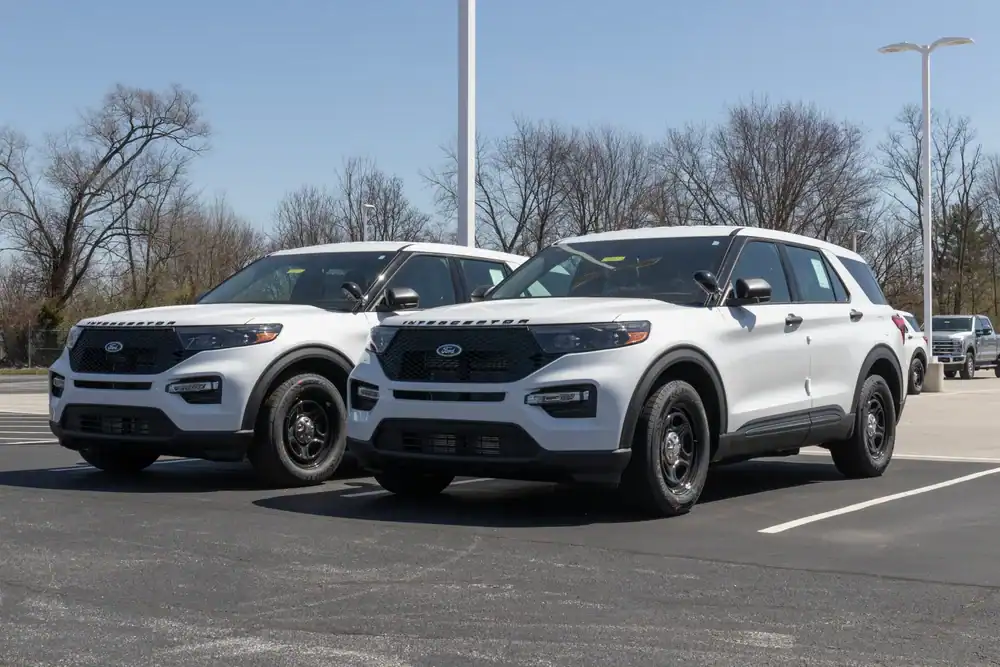
Yes, but you need to understand what that mileage actually represents. Police vehicles idle for hours every day—during traffic stops, stakeouts, and report writing. That idle time doesn’t show up on the odometer, but it does age the engine. A general rule is to double the mileage you see to estimate real engine wear.
That said, police departments maintain these vehicles obsessively. Oil changes, belt replacements, brake inspections—they happen on schedule because a breakdown in the field isn’t an option. You’re buying a vehicle that’s been used hard but also serviced by professionals who know what they’re doing. Compare that to a civilian car where you have no idea if the previous owner ever changed the oil on time.
The durability comes from the components themselves. Heavy-duty alternators, upgraded cooling systems, reinforced frames—these parts are built to handle stress that would destroy a regular car. So yes, they’re reliable, but you should plan for maintenance based on real use, not just what the odometer says.
You’re looking at $5,900 to $15,000 for a used Ford Explorer police interceptor versus $20,000 or more for a comparable civilian model from the same year. That’s a significant gap, especially if you’re paying cash or financing on your own terms.
The reason for the discount is straightforward: these vehicles have high mileage, visible wear, and no warranty. Departments sell them because they’ve hit their service life, not because they’re broken. But the market sees “former police car” and assumes it’s beat to hell, which drives the price down—even though the actual condition is often better than a similarly-aged civilian vehicle that’s been neglected.
For buyers in Trenton who need a reliable vehicle but don’t have $25,000 to spend, this price difference is the whole point. You’re getting a Ford with a powerful engine, AWD, and heavy-duty components for the cost of a basic sedan. If you can handle some cosmetic imperfections and higher mileage, the value is hard to beat.
Most insurance companies will cover former police cars, but some may have restrictions or charge higher premiums. The best move is to call your provider before you buy and ask specifically about insuring a retired law enforcement vehicle.
The concern from insurers usually comes from the vehicle’s history—high-speed use, pursuit driving, and the fact that it’s been in situations most cars never see. Some companies view that as higher risk. Others don’t care as long as all the police equipment has been removed, which it will be before you take ownership.
If your current insurer won’t cover it or quotes you something ridiculous, shop around. There are plenty of companies that insure former police vehicles without issue, especially in areas like New Jersey where these cars are common. Just don’t assume your coverage will transfer automatically—verify it first so you’re not stuck with a car you can’t legally drive.
All police-specific equipment—radios, light bars, sirens, computers, and weapon mounts—is removed before the vehicle goes to auction. What you’re buying is the base vehicle, stripped of anything that identifies it as an active police car.
That removal process can leave behind holes, brackets, or wiring that’s been cut. Some vehicles will have patched areas or visible marks where equipment was mounted. It’s cosmetic, not structural, but it’s something you’ll notice. If that bothers you, a former police car probably isn’t the right fit.
You’ll still see some remnants of the vehicle’s past—reinforced door panels, partition mounts in the cargo area, or a spotlight housing on the driver’s side. Those don’t affect how the car drives, but they’re reminders of what it used to be. For some buyers, that’s actually a selling point. For others, it’s a dealbreaker. Either way, you’ll know what you’re getting before you buy.
No. Former police vehicles are sold as-is with no warranty. That’s standard across the board for government surplus sales, and it’s one of the reasons the price is so low.
New Jersey’s lemon laws don’t apply to used vehicles, and they definitely don’t cover retired police cars. If something breaks a week after you buy it, that’s on you. This isn’t meant to scare you off—it’s just the reality of buying a high-mileage vehicle that’s been used hard.
The flip side is that you’re paying $10,000 instead of $25,000. That difference gives you room to handle repairs if they come up. If you’re handy or know a good mechanic, buying a former police car can still be a smart financial move. Just go in with your eyes open and budget for the fact that you’re responsible for anything that goes wrong after the sale.
Departments retire vehicles based on mileage caps and age limits, not because the cars are falling apart. Most agencies have policies that require them to replace vehicles once they hit a certain threshold—usually around 100,000 miles or after a set number of years in service.
This is about liability and budget planning, not vehicle condition. A department can’t afford to have a car break down during a pursuit or emergency response, so they cycle out vehicles before that becomes a risk. From their perspective, a car with 80,000 miles and five years of use is at the end of its service life. From your perspective, that same car has plenty of life left if you’re using it for normal driving.
That’s why the used police car market exists. What’s too old for a police department is still a solid vehicle for someone who needs affordable, durable transportation. You’re buying something that’s been retired early by professional standards, not something that’s actually worn out.
Other Services we provide in Trenton