
Hear from Our Customers
You’re not buying a retired patrol car because it’s cute. You’re buying it because it was built to handle what most SUVs can’t.
These vehicles come with pursuit-rated engines—up to 400 horsepower in the 3.0L EcoBoost models. They’ve got full-time intelligent all-wheel drive designed for high-speed stability, not just snow. The suspension, brakes, and cooling systems are all beefed up to handle extended idling, quick acceleration, and the kind of abuse that would destroy a standard Explorer in six months.
And here’s the part most people don’t think about: these were one-owner government fleet vehicles. That means scheduled oil changes, documented upkeep, and no mystery previous owners who may or may not have cared. You’re getting a vehicle that was maintained because it had to be, not because someone felt like it.
The pricing reflects reality, not inflated dealer margins. Most used cop cars for sale sit well below comparable civilian models—sometimes thousands less—because they don’t have leather seats or panoramic sunroofs. What they do have is durability you can’t fake.
We don’t dabble in police interceptors. We specialize in them exclusively.
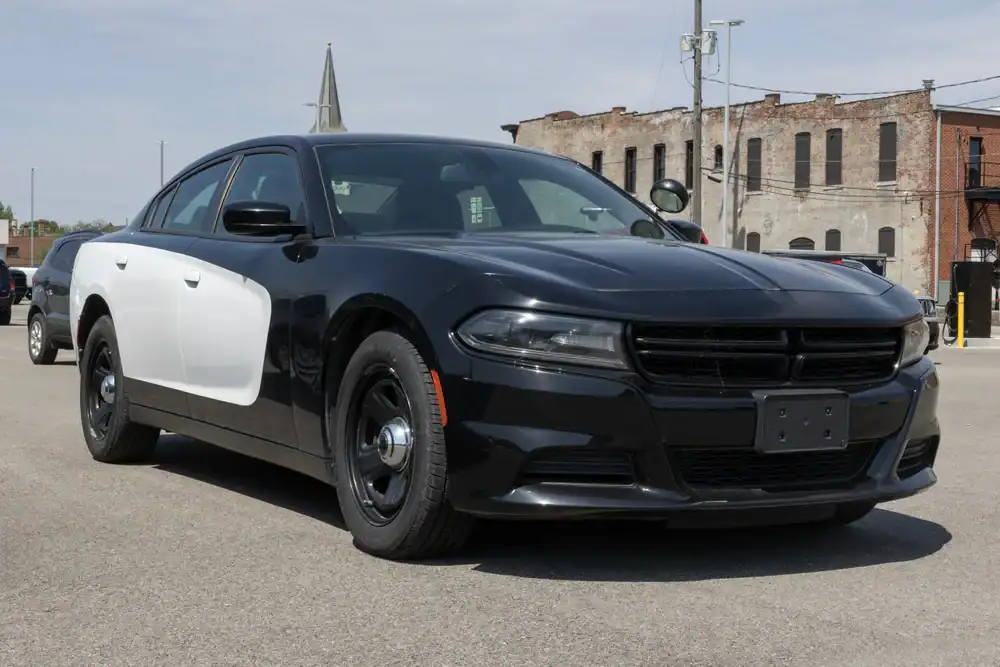
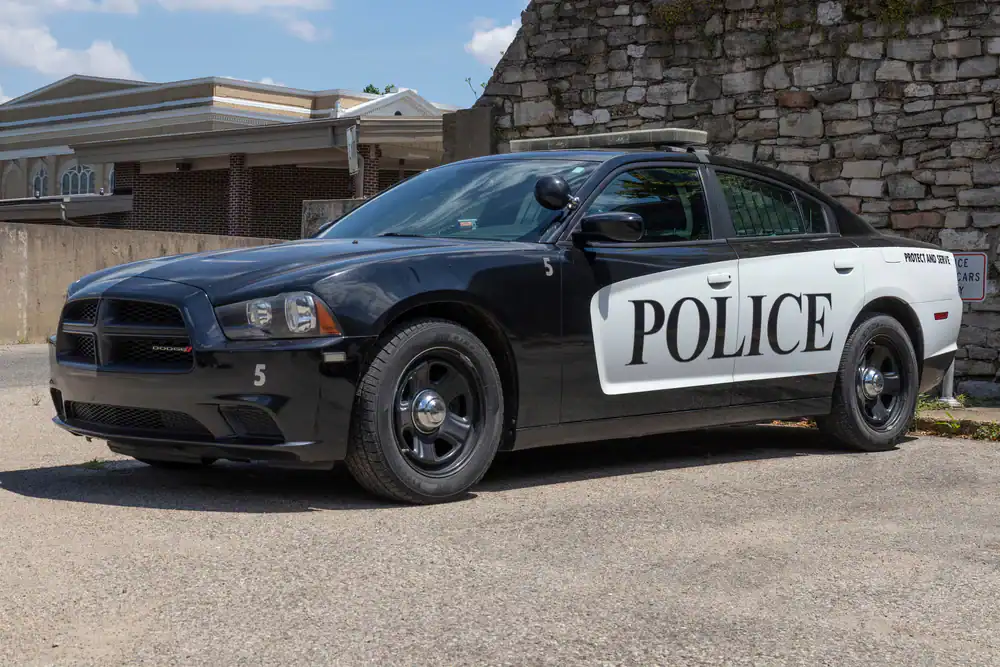
We work directly with municipalities and government agencies to source Ford Police Interceptor Utility models, Dodge Charger Pursuit vehicles, and other fleet units before they hit public auction. That means you’re getting first access to inventory that hasn’t been picked over or marked up by middlemen.
We’re located near Newark, but we serve buyers throughout Clifton, NJ and the surrounding area who know what they’re looking for. You won’t find us upselling extended warranties or pushing add-ons you don’t need. We sell the vehicle, offer zero-percent financing to everyone regardless of credit score, and let you decide if it’s the right fit.
You start by browsing our current inventory of used patrol cars for sale. Every listing includes mileage, year, model, and any relevant details about the vehicle’s history. Most of what we carry falls in the 100,000 to 150,000-mile range—that’s normal for police fleet vehicles and not a red flag when the maintenance was done right.
Once you find something worth looking at, you can schedule a time to see it in person. We’re not going to pressure you into a same-day decision or pretend the vehicle is about to sell to someone else. You either want it or you don’t.
If you decide to move forward, we handle financing on-site with our zero-percent interest option. No credit checks that ding your score. No third-party lenders. You work directly with us to structure something that fits your budget.
After that, the vehicle is yours. We don’t do post-sale add-ons or try to sell you undercoating in the finance office. You get the title, the keys, and you’re done.
Ready to get started?
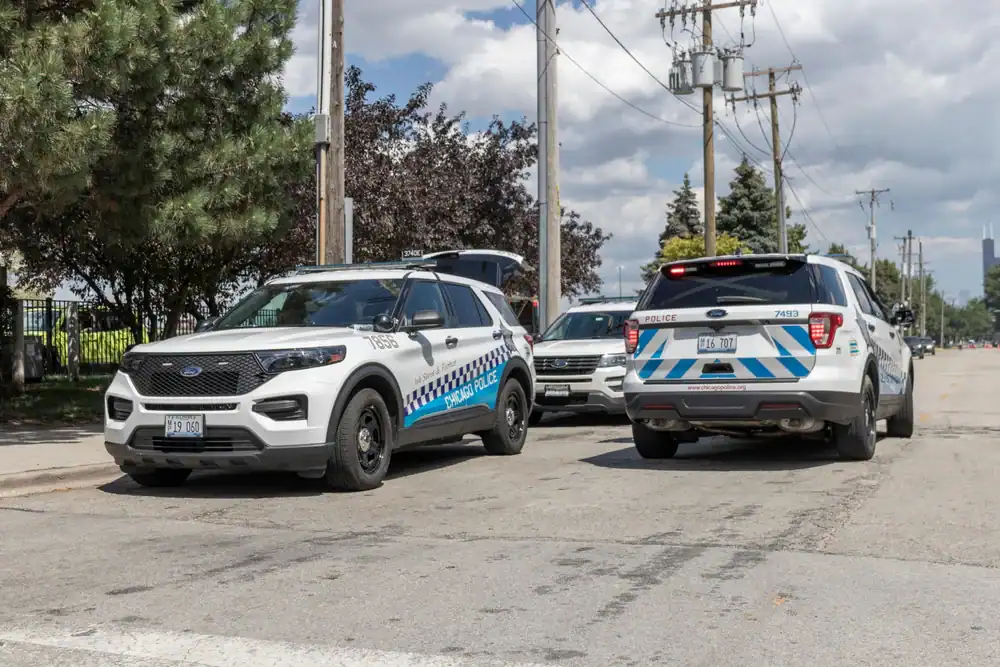
Our inventory rotates based on what we’re able to source from local and regional agencies, but the core lineup stays consistent: Ford Police Interceptor Utility models, primarily Explorers with the police package.
These aren’t stripped-down base models. The Ford Police Interceptor Utility comes standard with features like the 75-mph rear-impact crash test rating—something no civilian vehicle in the world is tested to. You’re also getting calibrated pursuit mode, which adjusts throttle response, transmission mapping, and stability control instantly when you need it.
In the Clifton, NJ area, we’re seeing strong demand from rideshare drivers who need a roomy, reliable SUV that can handle 200+ miles a day without falling apart. We’re also seeing interest from small business owners who want a utility vehicle that doesn’t cost $40,000, and from families who value safety over luxury.
Most of our inventory includes all-wheel drive as standard, which matters if you’re dealing with winter weather or need consistent traction. And because these were government vehicles, you’re not paying for features you’ll never use—no heated steering wheels or ambient lighting. Just the stuff that makes the vehicle work better and last longer.
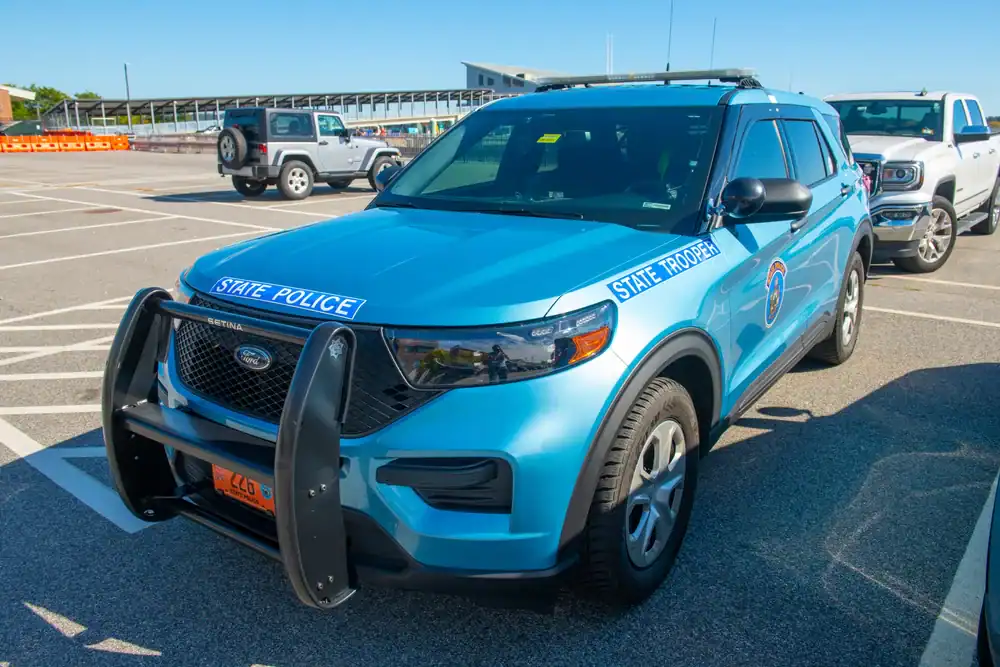
Yes, but you need to understand what “high mileage” actually means on a fleet vehicle versus a personal car.
Police interceptors are driven hard, but they’re also maintained on strict schedules. Oil changes happen every 5,000 miles or less. Brake inspections are routine. Any mechanical issue gets flagged and addressed immediately because the department can’t afford downtime. That’s a level of care most civilian vehicles never see, even at lower mileage.
The mileage itself isn’t the issue—it’s how those miles were put on. Highway patrol vehicles that spend most of their time on interstates at steady speeds tend to be in better shape than city units that idle for hours and make constant stops. We source from a mix of agencies, and we’re upfront about what kind of duty each vehicle saw.
What makes these reliable long-term is the heavy-duty construction. The cooling systems are larger, the transmissions are built to handle more torque, and the suspension components are reinforced. A 120,000-mile police interceptor often has more life left than a 90,000-mile civilian SUV that was never built for that kind of use.
The police package isn’t just a paint job and some decals. It’s a completely different calibration and build spec.
The engine output is higher. A standard Explorer with the 3.0L EcoBoost makes around 400 horsepower, but the police version is tuned for low-end torque and quicker throttle response. The transmission shifts differently, prioritizing acceleration over fuel economy. The all-wheel-drive system is recalibrated for pursuit driving, which means better handling stability when you’re pushing the vehicle harder than most people ever will.
The suspension is stiffer and sits lower for improved cornering. The brakes are larger with better cooling to handle repeated hard stops. The electrical system is reinforced to support lights, radios, computers, and other equipment without draining the battery. Even the seats are different—heavy-duty vinyl designed to hold up under constant use.
You’re also getting safety features that don’t exist on civilian models. The 75-mph rear-impact crash test is exclusive to police interceptors. Ford literally crashes these vehicles into a wall at highway speed to make sure they protect the occupants. No other manufacturer does that testing, and no civilian vehicle is built to that standard.
Yes. We offer zero-percent interest financing to everyone, and we don’t run credit checks that affect your score.
Most dealerships send your information to multiple lenders, and each inquiry dings your credit. Then they come back with a rate based on your score, and if it’s low, you’re looking at double-digit interest that turns a $15,000 vehicle into a $25,000 commitment over five years.
We don’t do that. You work directly with us to structure payments that fit your budget. No third-party lenders. No markup on the interest rate. No surprises in the finance office where we try to sell you gap insurance and extended warranties you didn’t ask for.
The zero-percent financing applies whether you’re buying a $8,000 Charger or a $20,000 Interceptor Utility. It’s the same deal for everyone, and it’s one of the reasons people drive from Clifton and beyond to buy from us instead of dealing with traditional dealerships.
In the current market around Clifton, NJ, you’re looking at a range between $5,500 and $25,000 depending on year, mileage, and condition.
Older models with higher mileage—think 2014-2016 Interceptor Utilities with 130,000+ miles—typically fall in the $6,000 to $10,000 range. These are solid work vehicles if you need something reliable without spending much upfront. Mid-range options from 2017-2019 with 80,000 to 120,000 miles usually sit between $12,000 and $18,000. Newer units from 2020 and up with lower mileage can push into the low twenties, but you’re still paying thousands less than a comparable civilian Explorer.
The pricing reflects the fact that these vehicles have basic interiors and higher mileage, but it also reflects the reality that you’re getting components built to a higher standard than anything on a consumer lot. You’re not paying for luxury—you’re paying for durability and performance that’s already been proven in the field.
We don’t play games with pricing. What you see listed is what you pay. No dealer fees, no reconditioning charges, no last-minute add-ons that inflate the out-the-door price by $2,000.
They were used hard, but that doesn’t automatically mean they’re problematic. It depends on what you’re comparing them to and what you’re using the vehicle for.
Yes, police vehicles idle for extended periods. Yes, they see occasional high-RPM driving and quick acceleration. Yes, they’ve been through more duty cycles than a typical family SUV. But they were also built to handle exactly that kind of use, and they were maintained by professionals who had no incentive to cut corners.
The biggest complaint people have is cosmetic. The interiors are basic, and there are usually drill holes from where equipment was mounted. If you’re expecting a pristine cabin with soft-touch materials, you’ll be disappointed. But if you’re looking for a vehicle that starts every time, handles well, and doesn’t leave you stranded, these are hard to beat at this price point.
The mechanical issues that do come up are usually predictable—suspension components wear out faster because of the added weight and rough roads, and brake rotors need replacing sooner because of the heavy-duty use. But those are normal wear items, not catastrophic failures. And because parts for Ford Explorers are everywhere, repairs don’t cost a fortune when they’re needed.
Start with the maintenance records. Any legitimate seller should be able to show you service history from the agency that owned it. Look for consistent oil changes, brake inspections, and any major work that was done. If the records are missing or incomplete, that’s a red flag.
Check the mileage against the year, but don’t panic if it’s high. A 2016 with 140,000 miles averages out to around 17,500 miles per year, which is normal for a fleet vehicle. What matters more is how it was driven—highway miles are easier on a vehicle than city stop-and-go.
Inspect the body for damage that wasn’t repaired correctly. Police vehicles get bumped, scratched, and dented, and not every agency fixes cosmetic issues before selling. Look for mismatched paint, uneven panel gaps, or signs of frame damage. Most of what we carry has minor cosmetic wear, but we don’t sell anything with structural problems.
Test drive it like you’d actually use it. Accelerate hard. Brake hard. Take corners at speed. The vehicle was built for that, and if something’s wrong, you’ll feel it. Listen for unusual noises from the suspension or drivetrain, and pay attention to how the transmission shifts under load.
Other Services we provide in Clifton