
Hear from Our Customers
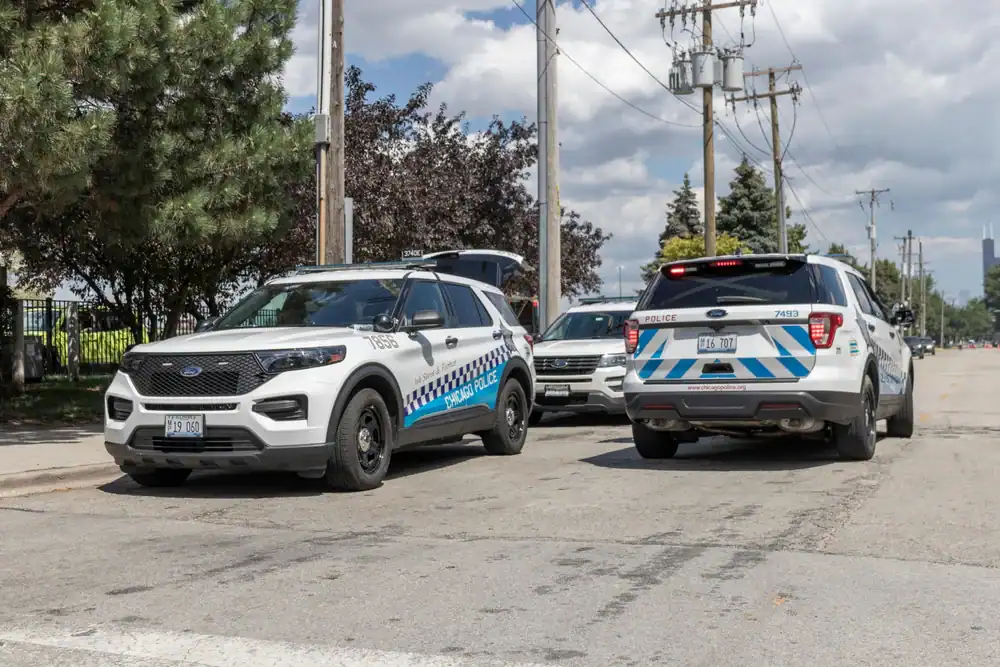
These aren’t stripped-down fleet cars with cloth seats and base engines. Ford Police Interceptor Utility vehicles come with pursuit-rated drivetrains, heavy-duty suspension, all-wheel drive, and reinforced frames designed for high-speed response work. That means you’re driving something built to handle more than your daily commute can throw at it.
Most used patrol cars for sale at dealerships get marked up once they hit the lot. Here, you’re buying directly from government fleet inventory. One owner. Professional maintenance records. No mystery previous drivers or questionable service history.
The pricing reflects what these vehicles actually cost, not what a salesperson thinks you’ll pay. You’ll find Ford Crown Interceptor sedans and Explorer-based interceptors starting well below market average. Add in zero interest financing with no credit requirements, and you’re looking at monthly payments that make sense without the usual financing games.
We operate at 833 Broadway, serving Kearny, Newark, and the surrounding Essex County area. We’re independently owned, and our entire inventory consists of used cop cars for sale. That’s it. No trade-ins from unknown sources. No auction cars with unclear histories.
Every vehicle comes from municipal and government fleets. You know exactly where it’s been and how it was maintained. Our staff understands these vehicles because we specialize in them. We’re not trying to move you into something else or upsell you on features you don’t need.
The zero interest financing isn’t a promotional rate that disappears next month. It’s how we do business. Bad credit, no credit, first-time buyer—it doesn’t matter. You get approved, and you don’t pay interest. That’s the deal.
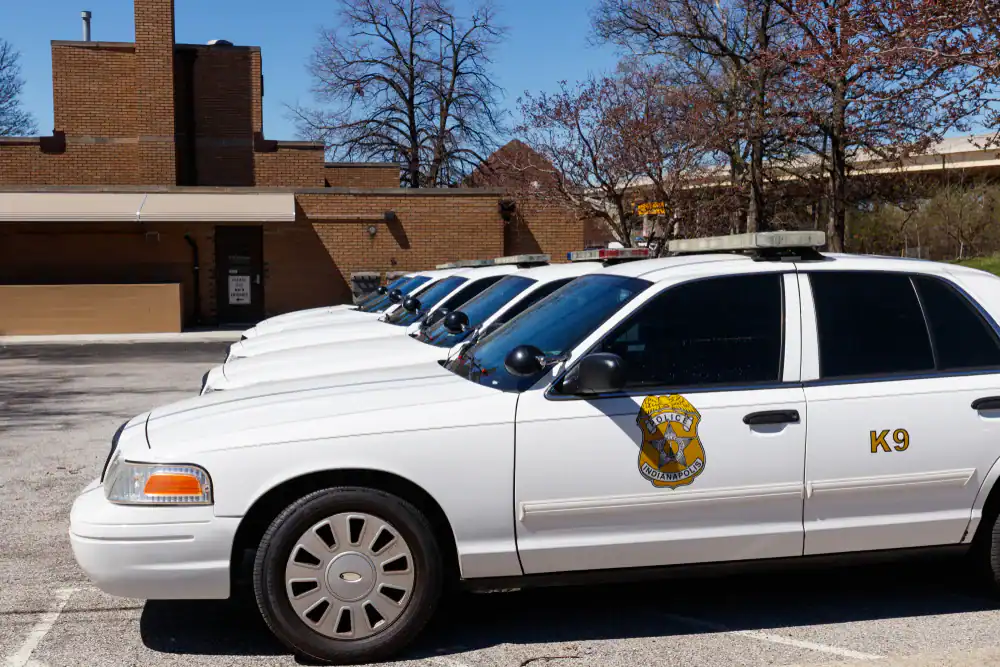
You start by looking at what’s in stock. We keep a rotating inventory of Ford Police Interceptor Utility models, sedans, and other pursuit-rated vehicles. Mileage varies. Condition varies. Pricing reflects both.
Once you find something that fits your needs, you can come to our location to see it in person. If you’re not local to Kearny or Newark, we’ll send you detailed photos and information through our website. You’re not buying blind.
Financing gets handled on-site. No credit check. No interest. You provide basic information, and we work out payment terms that fit your budget. If you have a trade-in, we’ll evaluate it and give you a fair number. Then you drive off in a vehicle that was built to handle more than most people will ever ask of it.
The whole process takes less time than you’d spend at a traditional dealership, and you’re not sitting through financing office pressure tactics. You get the vehicle, the terms, and the price. That’s it.
Ready to get started?
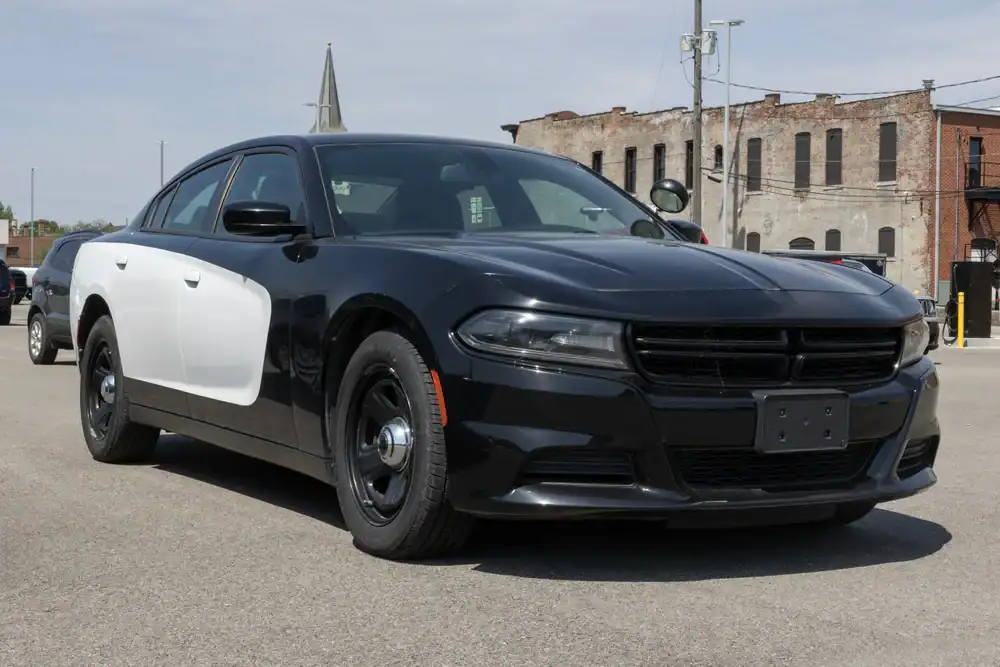
Police Interceptor Utility vehicles come standard with all-wheel drive. That matters in New Jersey winters when you’re dealing with snow, ice, and wet roads around Kearny and Newark. The AWD system isn’t an add-on—it’s built into every interceptor because law enforcement can’t afford to get stuck.
The engines are pursuit-rated, meaning they’ve been tested and certified for high-speed response driving. You’re looking at V6 power with enhanced cooling systems, heavy-duty alternators, and reinforced drivetrains. Ford builds these to handle severe duty cycles, which translates to durability you won’t find in civilian models.
Safety features include reinforced frames, upgraded braking systems, and in many cases, ballistic door panels. The rear crash protection is rated to 75 mph. These vehicles were designed to keep officers safe in situations most drivers will never encounter.
The interiors are basic. You won’t get leather seats or premium sound systems. But you will get functional, durable cabins with easy-to-clean surfaces and straightforward controls. Some vehicles may have mounting holes from removed equipment. That’s part of buying a former police car. The trade-off is paying significantly less for a vehicle with better bones than most SUVs in this price range.
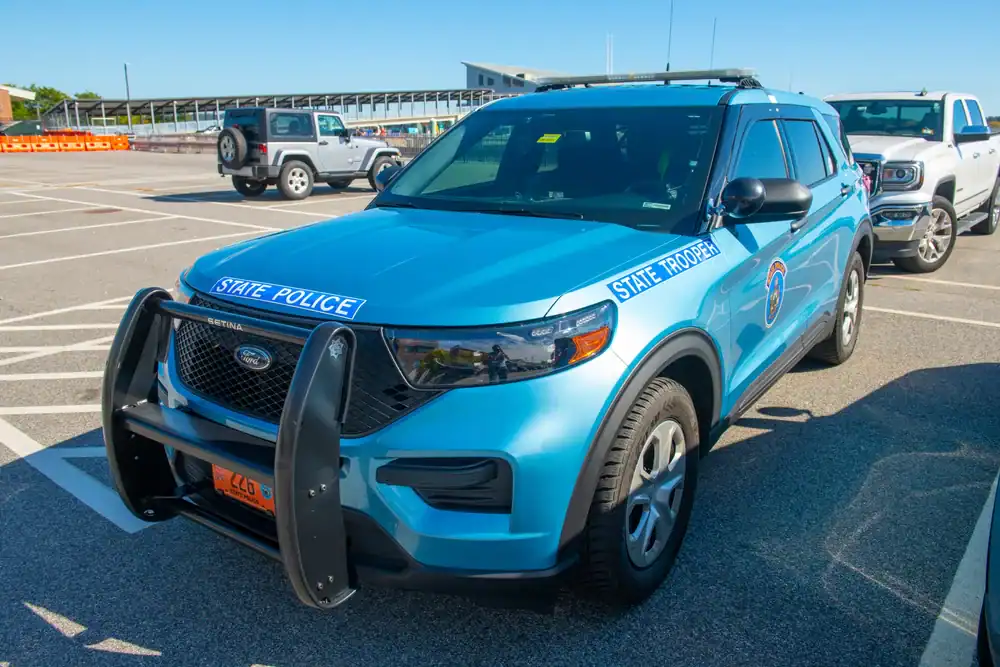
Mileage varies widely depending on the department and how long the vehicle was in service. You’ll see everything from 60,000 miles to over 100,000 miles on most used patrol cars for sale.
Higher mileage on a police interceptor doesn’t mean the same thing it does on a civilian vehicle. These cars idle for hours every shift, which adds engine hours without adding road miles. A police car with 80,000 miles might have significantly more engine wear than a civilian car with the same odometer reading.
That said, these vehicles receive professional maintenance on strict schedules. Oil changes, brake inspections, fluid checks—everything happens by the book because departments can’t afford breakdowns. You’re getting a vehicle that’s been used hard but maintained properly. The question isn’t just about the mileage number. It’s about whether the vehicle was maintained, and with government fleet cars, the answer is yes.
Yes. We offer zero interest financing to all buyers regardless of credit score. No credit check. No interest charges. No hidden fees that show up in the financing paperwork.
Traditional dealerships run your credit and use that information to determine your interest rate. The worse your credit, the higher your rate, and the more you pay over the life of the loan. That doesn’t happen here.
You provide basic information, we work out monthly payment terms based on the vehicle price and your budget, and you finance at zero percent. First-time buyers, people rebuilding credit, anyone who’s been turned down elsewhere—you get the same financing terms as someone with perfect credit. The focus is on getting you into a reliable vehicle without the financing process becoming another obstacle.
The Police Interceptor Utility is built on the Ford Explorer platform, but it’s not the same vehicle you’d buy at a Ford dealership. The interceptor gets a pursuit-rated engine, upgraded cooling systems, heavy-duty suspension, reinforced frame components, and a calibrated all-wheel-drive system designed for high-speed pursuit driving.
The brakes are larger. The alternator is more powerful to handle the electrical load from emergency equipment. The seats are designed for officers wearing duty belts. The interior materials are more durable and easier to clean. Even the steel wheels are heavier-gauge than civilian models.
Ford tests these vehicles at speeds and in conditions that regular Explorers never see. The Police Interceptor Utility has to meet specific performance standards for acceleration, braking, and handling before it can be sold to law enforcement agencies. You’re getting a vehicle that was over-engineered for demanding use, which means it’s more than capable of handling daily driving, road trips, or anything else you need from an SUV.
No. These are used vehicles sold as-is. Any factory warranty that came with the vehicle when it was new has typically expired by the time it leaves government service.
That’s standard for used cop cars for sale anywhere. You’re buying a vehicle that’s been in service for several years, and manufacturers don’t extend warranties to second owners of fleet vehicles. The trade-off is the purchase price—you’re paying significantly less than you would for a civilian-market SUV with similar mileage.
What you do get is a vehicle with documented maintenance history. Government fleets keep records of every service performed, and those records are available. You know the vehicle was maintained on schedule by certified technicians. That’s more transparency than you’ll get from most used car purchases, where previous maintenance is often a guess. If you want additional coverage, you can purchase an extended warranty from a third-party provider, but that’s your choice and your cost.
Yes. Most police interceptors will have mounting holes in the dashboard, center console, or roof from removed equipment like radios, computers, and light bars. Some vehicles will have minor interior wear from officers getting in and out multiple times per shift while wearing duty belts and gear.
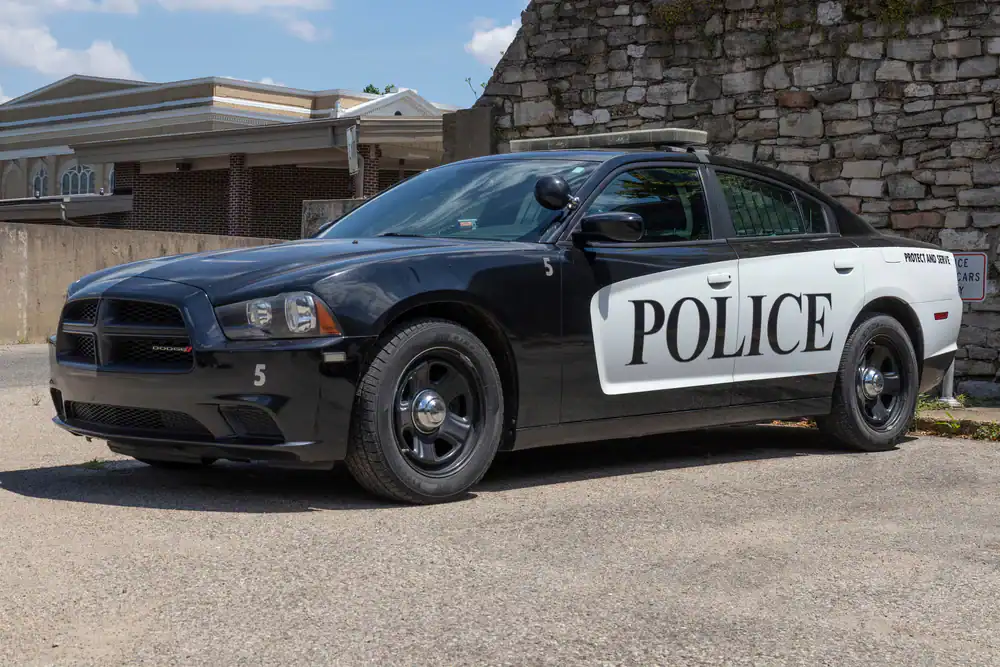
The exterior may have small scratches, door dings, or areas where decals were removed. Some departments repaint vehicles before selling them. Others don’t. You might get a car that’s still in its original police colors, or you might get one that’s been repainted to a standard color. It depends on the specific vehicle and the department it came from.
These cosmetic issues don’t affect how the vehicle drives or how long it lasts. They’re the visual evidence that this was a working vehicle, not a pampered SUV that spent its life in a garage. If you need the vehicle repainted or want the interior holes patched, that’s something you can have done after purchase. The pricing on these vehicles accounts for the fact that they’re not showroom-perfect. You’re paying for the mechanical capability, not the appearance.
Police interceptors sell for less because they’re fleet vehicles with higher mileage, basic interiors, and visible signs of previous use. Dealerships know that most buyers want low-mileage vehicles with premium features and clean histories. Police cars don’t check those boxes, so they’re priced lower.
The other factor is perception. People assume a former police car has been driven hard, which is true. But they often overlook the fact that it’s also been maintained better than most privately owned vehicles. Government fleets operate on strict maintenance schedules because breakdowns cost money and put officers at risk. Every service gets documented. Every issue gets addressed.
You’re buying a vehicle that’s mechanically sound but cosmetically imperfect. The engine, transmission, suspension, and drivetrain are built to higher standards than civilian models. The interior might have holes from removed equipment. The exterior might need paint. But the parts that matter—the parts that determine whether the vehicle is reliable—are in better shape than the mileage would suggest. That’s why the pricing is lower. You’re getting a better vehicle than the price implies, as long as you’re okay with the trade-offs.
Other Services we provide in Kearny