
Hear from Our Customers
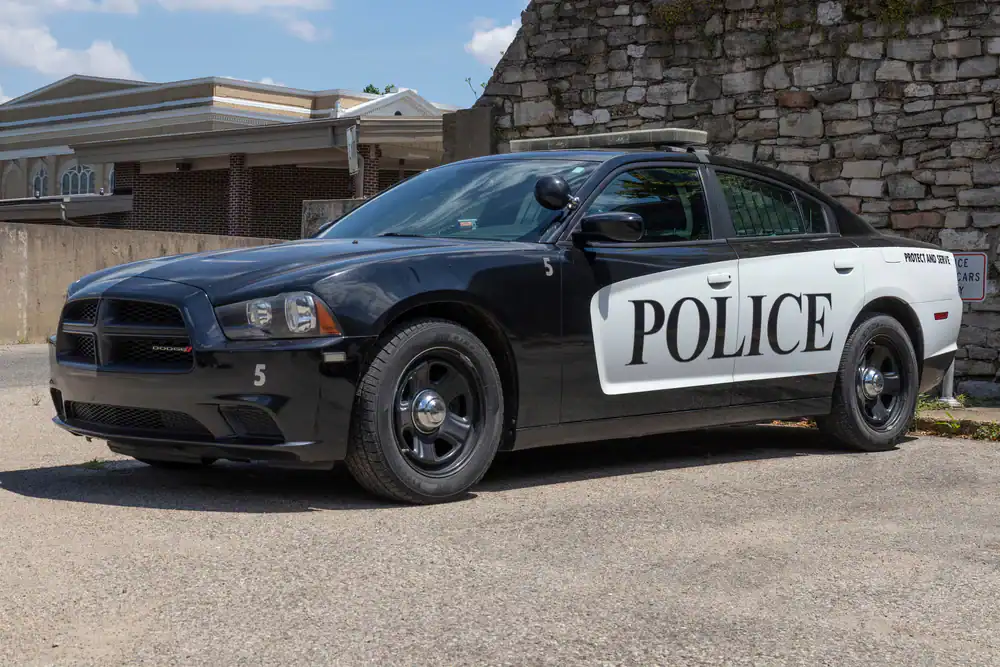
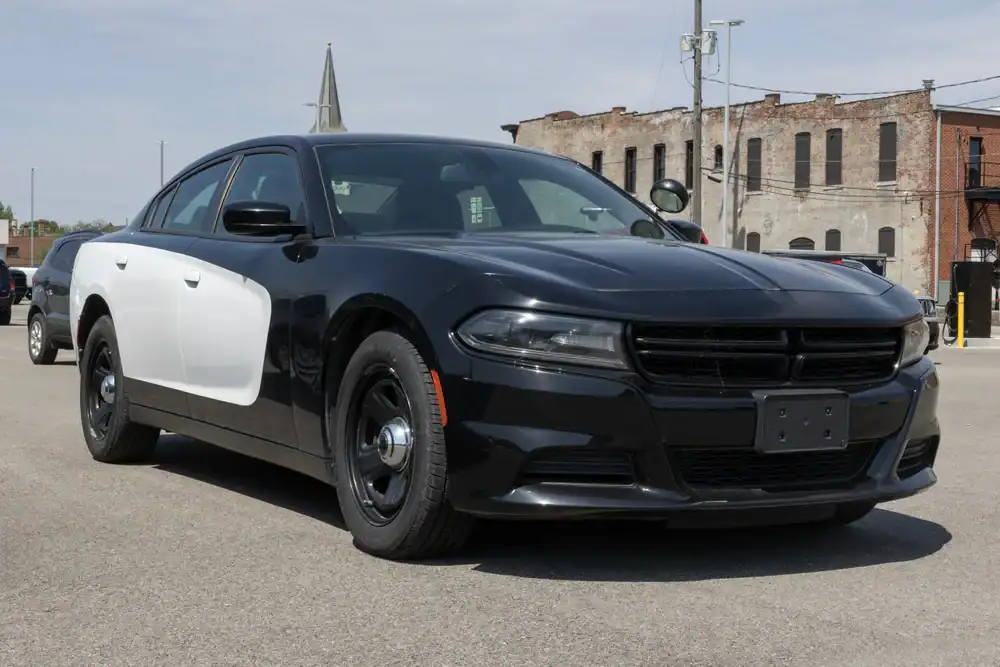
Most people shopping for used cop cars for sale want the same thing: a vehicle that won’t quit on them. Something with actual power under the hood. A car that feels solid when the weather turns or the road gets rough.
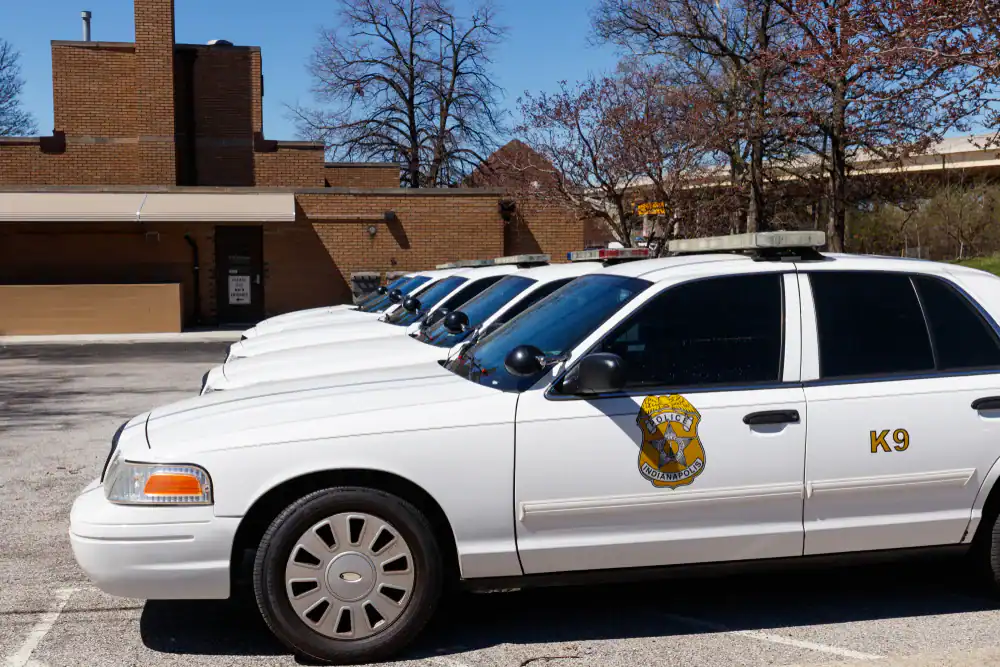
Police interceptors deliver that. These aren’t retired sedans limping into a second life. They’re Ford Explorer-based utilities and Crown Victorias built from the ground up to handle high-speed response, constant idling, and years of hard use. Heavy-duty alternators. Reinforced frames. All-wheel drive systems designed for traction when it matters.
You’re not buying someone’s neglected trade-in. Every used patrol car for sale at State Surplus Auto Sales comes from a municipal fleet with documented maintenance. Oil changes happened on schedule. Brake inspections were routine. These vehicles were kept running because departments depended on them daily.
That’s what makes cop car for sale inventory different. The mileage might be higher than a typical used car, but the bones are stronger. The engine was built to last. And the price reflects real value, not hype.
We’ve been selling government surplus vehicles since 2003. That’s 22 years of working directly with municipalities, understanding what these vehicles go through, and knowing which ones hold up.
We’re based in Newark, but we serve buyers throughout Ocean County and beyond, including Lakewood. Most of our customers aren’t collectors or enthusiasts. They’re people who need a second car for the family, a work vehicle that can take a beating, or a first car for a new driver that won’t fall apart in six months.
Lakewood drivers know what matters: reliability for the daily commute, space for passengers or cargo, and a price that doesn’t require stretching the budget. With an average commute of 21 minutes and most households owning two cars, transportation isn’t optional here. It’s essential. We stock Ford police interceptor utility models and sedans that meet that need without the dealership markup.
Start by browsing what’s in stock. Our inventory changes as we acquire vehicles from municipal auctions and direct fleet sales. Each listing includes the year, model, mileage, and condition notes so you know what you’re looking at before you visit.
When you find something worth seeing, come by the lot. You’ll get a chance to inspect the vehicle, check under the hood, and take it for a test drive. Our staff can walk you through the service history and answer questions about what’s been replaced or refurbished.
Financing is straightforward. We offer zero-interest financing regardless of credit score. No hidden fees. No surprise charges at signing. You’ll know the total cost upfront, and we’ll work with your budget to structure payments that make sense.
Once you’re ready to move forward, we handle the paperwork and get you on the road. Most buyers drive off the same day. If the vehicle needs minor cosmetic work or you want certain modifications, we can discuss options, but what you see is generally what you get—a solid, dependable used police car ready for its next chapter.
Ready to get started?
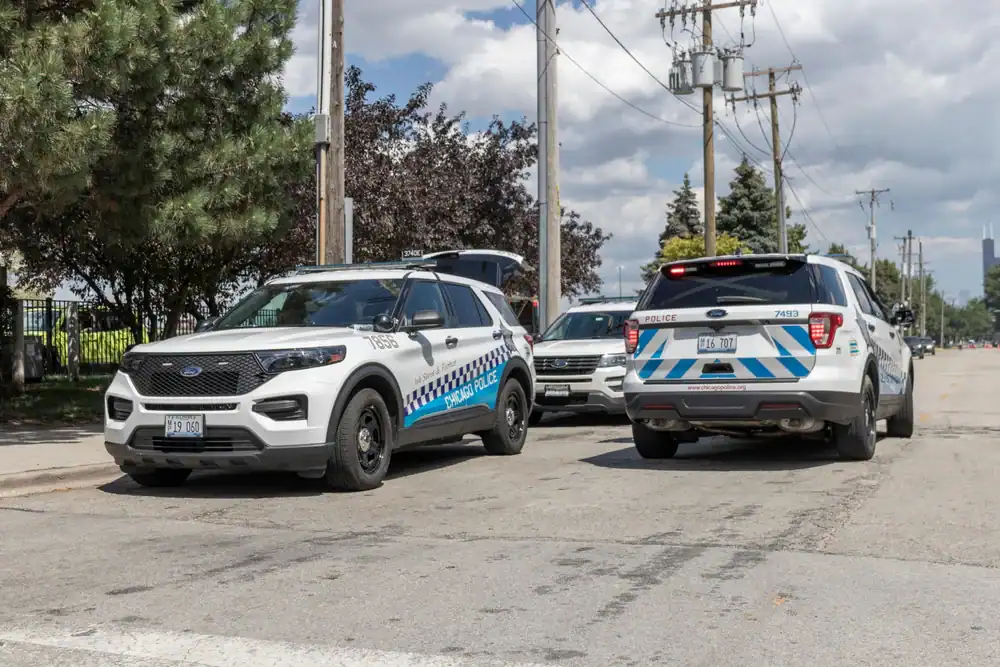
Our current inventory includes Ford Police Interceptor Utility models and Ford Crown Interceptor sedans. These aren’t luxury vehicles, but they’re built to a different standard than consumer models. Expect heavy-duty components: upgraded alternators pushing 200-250 amps, reinforced suspension systems, and pursuit-rated tires designed for high-speed stability.
The interiors are basic. Equipment holes from radios, computers, and light bars are common. Some buyers patch and repaint. Others leave them as-is. Either way, the cabin is roomy—more space than most midsize SUVs—and the seats are durable.
Performance varies by model, but most interceptors come with either a 3.5L or 3.0L EcoBoost engine. The 3.0L delivers 400 horsepower and can hit 148 mph. That’s not just for show. It means merging onto the Garden State Parkway or passing on Route 9 happens without hesitation. All-wheel drive is standard on most units, which matters during winter in Ocean County when roads get slick.
Mileage typically ranges from 80,000 to 150,000 miles. That sounds high until you consider how those miles accumulated. Highway patrol vehicles rack up highway miles—easier on the engine than stop-and-go city driving. Maintenance records are available for review, so you can see exactly what’s been done and when.
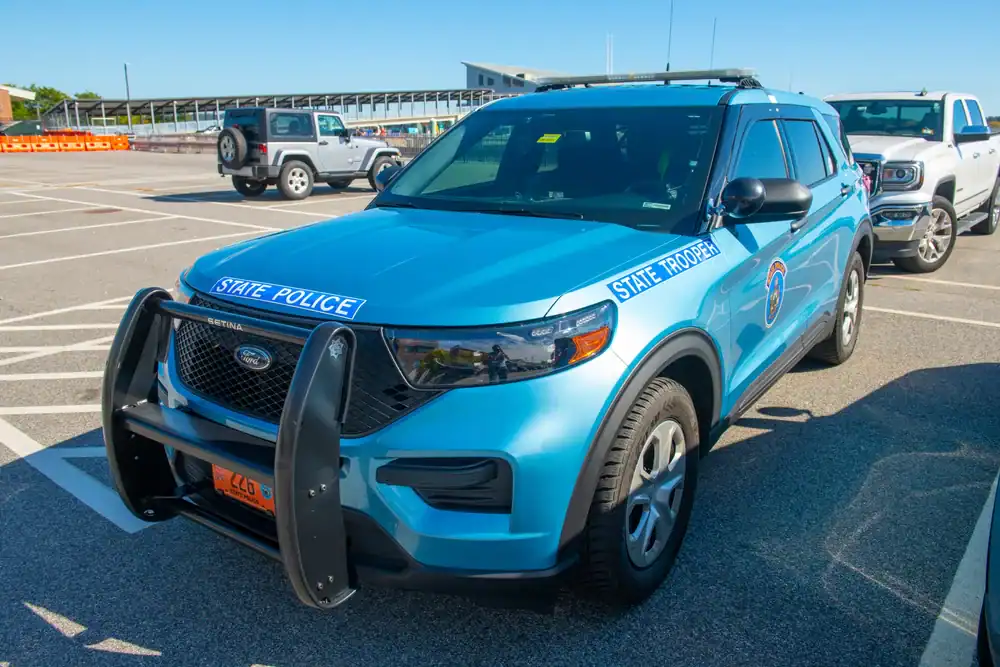
A Ford police interceptor utility isn’t just a rebadged Explorer with a spotlight. The frame is reinforced with high-strength steel. The cooling system is upgraded to handle extended idling without overheating. The electrical system includes a much larger alternator to power emergency equipment, which also means it can handle aftermarket electronics or heavy accessory loads without draining the battery.
The suspension is stiffer and the brakes are larger to handle pursuit driving. Ford tests these vehicles at higher speeds and under more extreme conditions than consumer models. They’re engineered to survive what would destroy a standard SUV.
You’re also getting a vehicle that was maintained by a fleet department, not an individual owner. Oil changes, brake inspections, and tire rotations happened on a fixed schedule because downtime wasn’t an option. That documented care is worth more than low mileage from an owner who skipped services.
Reliability depends on the specific vehicle and how it was used. Highway patrol interceptors tend to be in better shape than city units because they accumulate highway miles with less wear on the transmission and brakes. Vehicles that spent years idling at accident scenes or sitting in parking lots may have more engine stress from prolonged idle time.
That’s why maintenance records matter. We provide documentation showing service history so you can see what’s been replaced and what might need attention soon. Common wear items include brakes, tires, and suspension components—all straightforward and affordable to replace.
The engines and transmissions in these vehicles are built for durability. A well-maintained interceptor with 120,000 miles often has more life left than a neglected consumer vehicle with half that mileage. Parts are easy to find and inexpensive because Ford made millions of these platforms. Any mechanic can work on them.
Pricing varies based on year, mileage, and condition, but most used patrol cars for sale fall between $8,000 and $15,000. Older Crown Victorias with higher mileage start around $5,000. Newer Police Interceptor Utility models with lower miles can reach $18,000, but those are less common in the surplus market.
Compare that to a similar-year Ford Explorer with comparable mileage at a traditional dealership, and you’re looking at $22,000 to $30,000. The interceptor costs less because it’s a fleet vehicle with a government history, not because it’s inferior. In many ways, it’s more durable.
Financing makes the cost even more manageable. Our zero-interest program means your monthly payment goes entirely toward the principal. No interest charges eating into your budget. That’s rare in the used car market, especially for buyers with less-than-perfect credit.
Most major insurance companies will cover a former police interceptor without any problem, but it’s smart to call your insurer before you buy. Some companies ask additional questions about modifications or want to verify that all emergency equipment has been removed. As long as the vehicle is titled as a standard passenger car and not listed as a commercial or emergency vehicle, coverage is typically straightforward.
The VIN will show the vehicle’s history as a police car, but that doesn’t automatically disqualify it from standard auto insurance. In fact, some insurers view these vehicles favorably because of their safety features and reinforced construction.
If your current insurer hesitates, shop around. Plenty of companies insure former fleet vehicles without charging a premium. Get a quote in writing before you finalize the purchase so there are no surprises when it’s time to register and insure the car.
Expect mileage between 80,000 and 150,000 miles on most police interceptors. Some units have more, especially Crown Victorias from smaller departments that kept them in service longer. High mileage isn’t automatically a red flag if the vehicle was maintained properly and used primarily for highway patrol.
Cosmetically, these cars show their age. Expect scuffs, scratches, and equipment holes in the dashboard and roof. Interiors are usually basic—vinyl or cloth seats, minimal trim, and sometimes worn driver’s seats from years of use. Paint might be faded or chipped, especially on the hood and roof from sun exposure.
Mechanically, most vehicles are solid. Departments replace major components before auctioning vehicles because they can’t afford breakdowns during active duty. Brakes, batteries, and tires are often newer. Engines and transmissions are typically in good working order, though higher-mileage units may burn a bit of oil or need a tune-up soon after purchase. We disclose known issues upfront so you can make an informed decision.
Yes. We encourage test drives because you need to know how the vehicle handles before you commit. You’ll feel the difference immediately—the steering is tighter, the acceleration is stronger, and the braking is more responsive than a standard SUV or sedan.
During the test drive, pay attention to how the transmission shifts, whether the engine idles smoothly, and how the vehicle tracks on the road. Listen for unusual noises from the suspension or exhaust. Check that the all-wheel drive engages properly if the model is equipped with it.
Our staff will ride along to answer questions and point out features you might not notice on your own, like the upgraded cooling system or the heavy-duty alternator. We’re not here to rush you or pressure a decision. Take the time you need to evaluate whether the vehicle meets your needs. If it doesn’t feel right, we’ll show you other options in our inventory.
Other Services we provide in Lakewood