
Hear from Our Customers
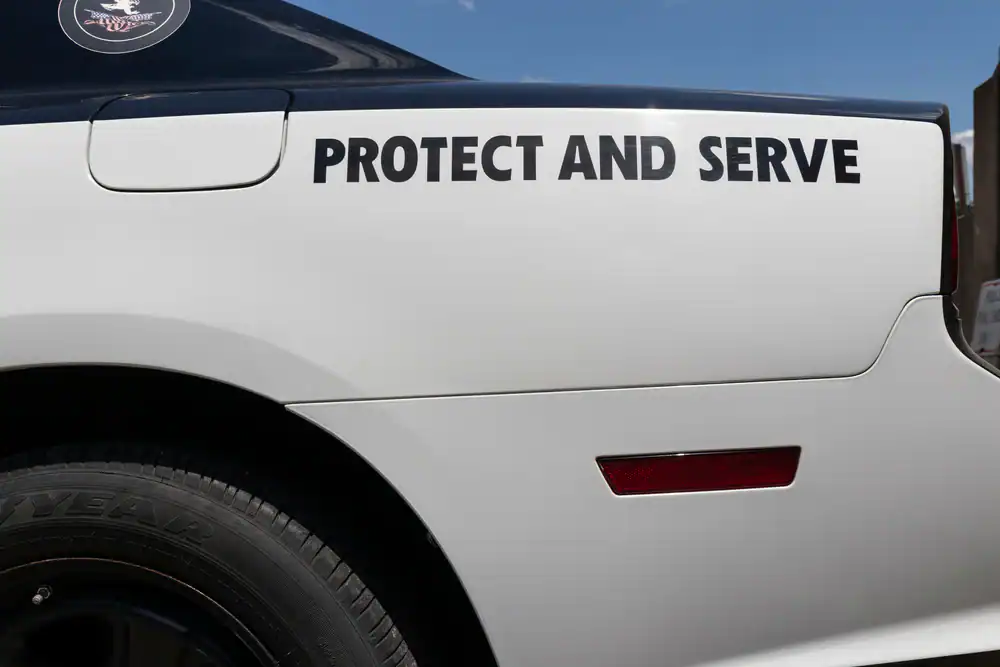
You’re not buying a stripped-down economy car with a fancy name. These are Ford Police Interceptors built to handle high-speed pursuits, equipped with 400-horsepower EcoBoost V6 engines, and engineered with heavy-duty alternators, transmission coolers, and upgraded radiators that most civilian vehicles never see.
The difference shows up when you need it. All-wheel drive comes standard on most models, giving you confidence in bad weather that Bayonne drivers know all too well. Trunk space is massive because these vehicles were designed to carry equipment, not just groceries.
You’re getting a vehicle that was maintained on a schedule, not when someone remembered. Police departments don’t skip oil changes or ignore warning lights. These used police cruisers for sale were serviced regularly because lives depended on them running right.
The price makes sense because these vehicles worked hard. But hard work doesn’t mean worn out when the maintenance was done right. You’re looking at reliable transportation with performance features you’d pay thousands more for in a civilian model.
State Surplus Auto Sales was started by someone who spent over 25 years in law enforcement. Our owner saw firsthand how well these vehicles were maintained and how much life they had left when departments rotated them out. That’s not marketing talk, that’s experience.
We’re located near Newark and serve Bayonne drivers who want straight answers about what they’re buying. You’re not walking into a typical used car lot where nobody knows the history. We know these pre owned police cars for sale because we understand how they were used and what to look for.
Bayonne has always been a working-class community where people need reliable transportation without the inflated prices. Your median household income is around $81,000, and you’re not looking to waste money on a vehicle that won’t last. We get that because we’re part of the same community mindset.
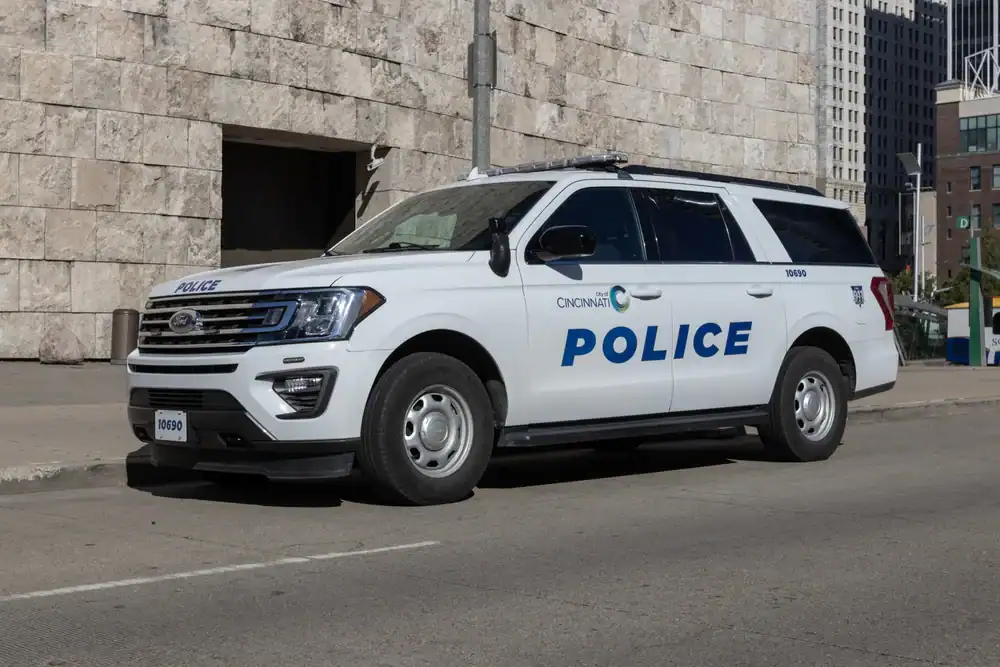
You start by looking at what’s actually in our inventory. We’re not sending you to an auction where you can’t test drive or inspect anything properly. These used cop cars for sale are on our lot, ready for you to see in person.
You can walk around the vehicle, sit in it, and ask specific questions about its history. We’ll tell you the mileage, what department it came from, and what we know about how it was used. Most of these Ford Interceptors for sale were rotated out between 80,000 and 120,000 miles, which sounds like a lot until you realize that’s often less engine wear than a civilian car with the same odometer reading.
Test drives happen before you buy, not after. You’ll feel the acceleration, the handling, and the braking. These aren’t luxury cars, but they’re not supposed to be. They’re built for performance and durability.
Once you decide, the purchase is straightforward. These vehicles are sold as-is, which is standard for retired police vehicles. You’re not paying for a warranty you don’t need on a vehicle that’s already proven itself. The price reflects that, and so does the value.
Ready to get started?
The Ford Police Interceptor Utility comes with a 3.0L EcoBoost V6 that delivers 400 horsepower and 415 lb-ft of torque. That’s more power than most V8 engines in civilian SUVs, and it’s built to maintain that power under stress. Top speed hits 148 mph, though you probably won’t need that driving through Bayonne.
All-wheel drive is standard on most models we carry, which matters when you’re dealing with winter weather or wet roads. The system isn’t an add-on, it’s integrated into the vehicle’s design because police work doesn’t stop when it rains.
You get a vehicle that passed the 75-mph rear-impact crash test, which is a standard that only police interceptors meet. Ford doesn’t just slap a badge on a regular Explorer and call it a police vehicle. The frame, the cooling systems, and the electrical components are all upgraded.
Inside, you’ll find a 12.3-inch digital cluster and more space than you’re used to. Yes, the equipment like radios and light bars has been removed, and yes, there might be some mounting holes or wear. That’s part of buying a retired cop car. But the bones of the vehicle, the parts that matter for performance and safety, those are solid.
Bayonne drivers who need a vehicle for work, whether that’s security, delivery, or just getting to a job site, find these used police cruisers handle the demand better than most civilian vehicles in the same price range. You’re not buying a status symbol. You’re buying a tool that works.
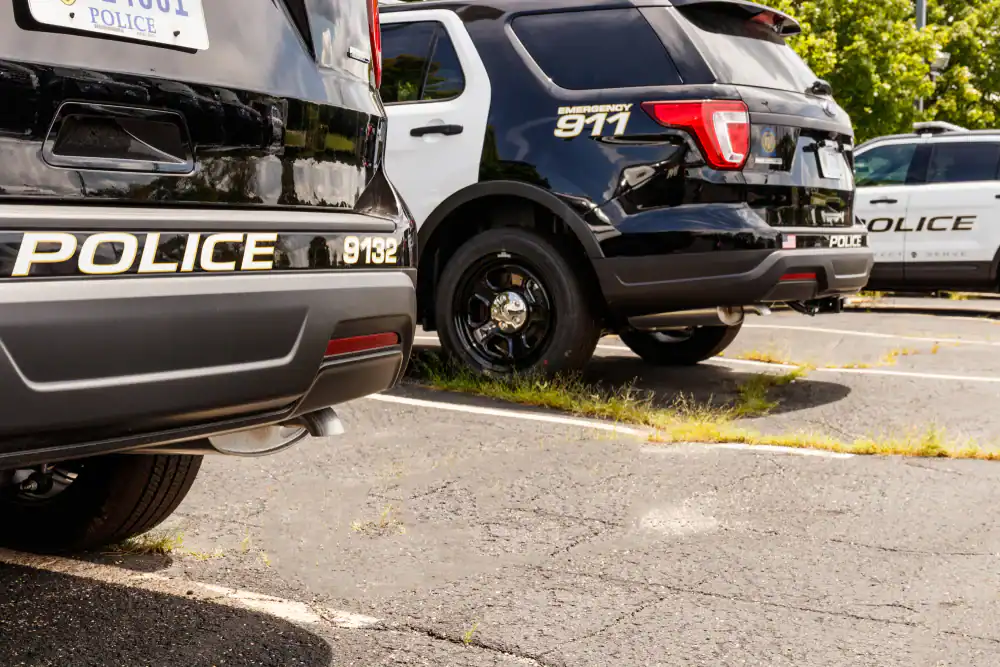
Yes, but you need to understand what you’re comparing. A Ford Police Interceptor with 100,000 miles will cost you significantly less than a civilian Ford Explorer with the same mileage, even though the Interceptor has better performance components. The price difference exists because buyers worry about how police vehicles were used.
Here’s the reality: police departments maintain these vehicles on strict schedules because officer safety depends on it. Oil changes, brake inspections, and fluid checks happen like clockwork. Compare that to a civilian vehicle where the previous owner might have skipped maintenance to save money.
The trade-off is that police vehicles idle a lot, which puts wear on certain components like the AC system and alternator. But those are the same heavy-duty components that were upgraded from the factory. You’re getting a vehicle that was built stronger and maintained better, sold at a lower price because of perception, not actual condition.
First, check that all police markings, decals, and logos have been completely removed. New Jersey law requires this, and you can’t legally drive a vehicle that looks like it might be an active police car. Any reputable dealer selling used police cars will handle this before the sale.
Look at the interior for signs of how equipment was removed. There might be holes where radios or computers were mounted, or wear on the seats from duty belts and gear. This is normal and doesn’t affect the vehicle’s performance, but you should know what you’re getting.
Check the maintenance records if available. Most departments keep detailed logs, and seeing that history gives you confidence in what you’re buying. Ask about the mileage and how the vehicle was used. Highway patrol cars often have higher mileage but less stop-and-go wear than city vehicles.
Test drive it like you would any used vehicle. Listen for unusual noises, feel how it handles, and make sure everything works. The fact that it’s a police interceptor doesn’t mean you skip basic used car inspection steps.
Usually not, and sometimes they cost less. Insurance companies base rates on the vehicle’s make, model, year, and your driving record. A Ford Police Interceptor Utility is registered as a Ford Explorer in most insurance systems, so you’re paying Explorer rates, not some premium for a “police car.”
The safety features actually work in your favor. These vehicles have reinforced frames, better crash test ratings, and more durable construction than civilian models. Some insurance companies recognize this and adjust rates accordingly.
What matters more is your own insurance history and how you plan to use the vehicle. If you’re buying it for personal use in Bayonne, your rates will reflect that. If you’re using it for business like security or delivery, you’ll need commercial coverage, but that’s true for any vehicle used commercially.
Get quotes before you buy if insurance cost is a concern. Give them the VIN and let them tell you exactly what you’ll pay. You’ll likely find that the insurance cost is reasonable compared to the performance and durability you’re getting.
Most police departments rotate vehicles out between 80,000 and 120,000 miles, though some go longer depending on the department’s budget and vehicle condition. That mileage number tells you less than you’d think because of how police vehicles accumulate miles versus civilian cars.
A police car might idle for hours during a shift, which doesn’t show up on the odometer but does add engine hours. However, these vehicles were built with heavy-duty cooling systems and upgraded alternators specifically because of that idle time. The components are designed to handle it.
Highway patrol vehicles often have higher mileage but less wear because they spend most of their time at steady speeds on highways. City patrol cars might have lower mileage but more stop-and-go wear. Knowing how the vehicle was used matters more than the odometer reading alone.
Compare that to a civilian vehicle where 100,000 miles might mean deferred maintenance, skipped oil changes, or hard driving with no upgrades. The police interceptor with the same mileage was maintained on schedule with better components from the factory. The number matters, but so does the context.
Yes, and that’s exactly what we offer at State Surplus Auto Sales. Auctions can be frustrating because you often can’t test drive the vehicle, you’re bidding against dealers who know the market, and you might not get detailed history on what you’re buying.
When you buy directly from us, you see the vehicle in person, ask questions, and take it for a test drive before making a decision. We’re not hiding anything or rushing you through a bidding process. You get time to inspect what you’re considering.
We source these retired cop cars through relationships built over years in law enforcement. That means we know the history and can answer your questions honestly. You’re not guessing about whether a vehicle is worth your money.
Bayonne residents don’t need to drive to some government auction site and hope for the best. You can come to our lot, look at what’s available, and make an informed decision. That’s how buying a vehicle should work, even when it’s a used police cruiser.
You’re getting performance engineering that costs thousands more in a civilian vehicle, sold at a price that reflects its work history rather than its actual capability. A Ford Police Interceptor Utility has a 400-horsepower EcoBoost engine, all-wheel drive, heavy-duty transmission cooling, upgraded electrical systems, and pursuit-rated safety features. Try finding all that in a civilian Ford Explorer at the same price point.
The durability difference shows up over time. These vehicles were built to handle the worst conditions and keep running. The alternator is stronger, the brakes are better, the suspension is reinforced. Those upgrades don’t disappear just because the vehicle was retired from police service.
For Bayonne drivers who need a reliable vehicle that can handle daily demands without constant repairs, that engineering matters. You’re not buying a vehicle that was built to look good in a showroom. You’re buying one that was built to perform under pressure and last.
The trade-off is that it won’t have the luxury features or pristine interior of a civilian SUV. But if you value performance, durability, and price over heated seats and premium sound systems, a police interceptor makes more sense than almost anything else in its price range.
Other Services we provide in Bayonne