
Hear from Our Customers
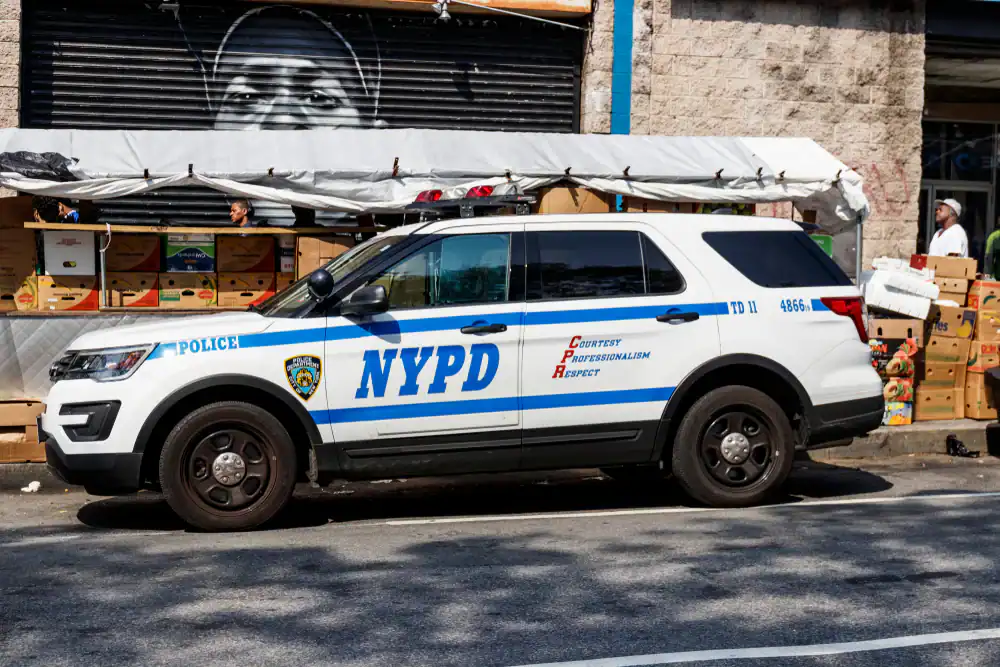
You’re looking at vehicles that were built different from the start. Reinforced frames. Upgraded brakes. Heavy-duty suspension. Engines designed for high-stress situations, not just commuting.
These aren’t luxury cars. They’re work vehicles that happen to outlast most civilian models by a significant margin. The average used police car runs around $6,000 for 120,000 miles—but those miles don’t tell the full story.
Police departments maintain these vehicles on schedules most private owners never follow. Oil changes happen on time. Brake replacements don’t get delayed. You’re buying a vehicle that was someone’s daily tool, not their weekend hobby. That difference shows up in how long these cars last and how much abuse they can handle before anything major goes wrong.
We’re located at 833 Broadway in the Newark metro area, serving Edison and surrounding communities for over 22 years. Our owner, Carmen Yannuzzi, spent over 25 years in law enforcement watching quality, regularly maintained government vehicles head to auction.
He knew these cars would make reliable options for people without big budgets. So he built a business around it.
You won’t find pushy sales tactics here. You will find zero-interest financing regardless of credit score, and staff who understand what you’re actually buying when you look at a retired police cruiser. Edison has over 15,000 used cars listed as accident-free in the local market—but most of those weren’t maintained by a government fleet with strict service schedules.
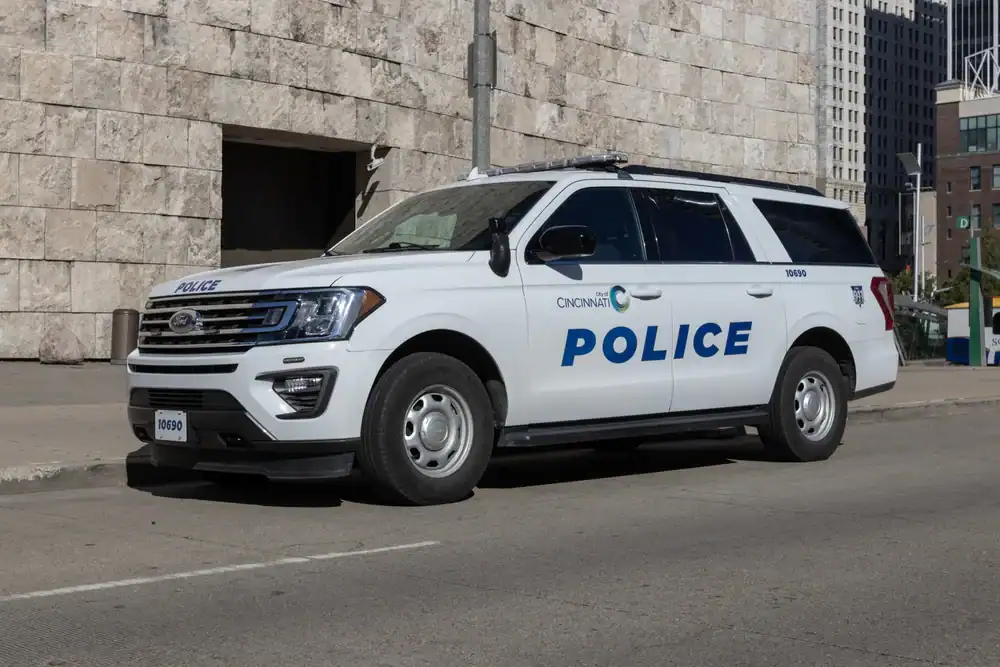
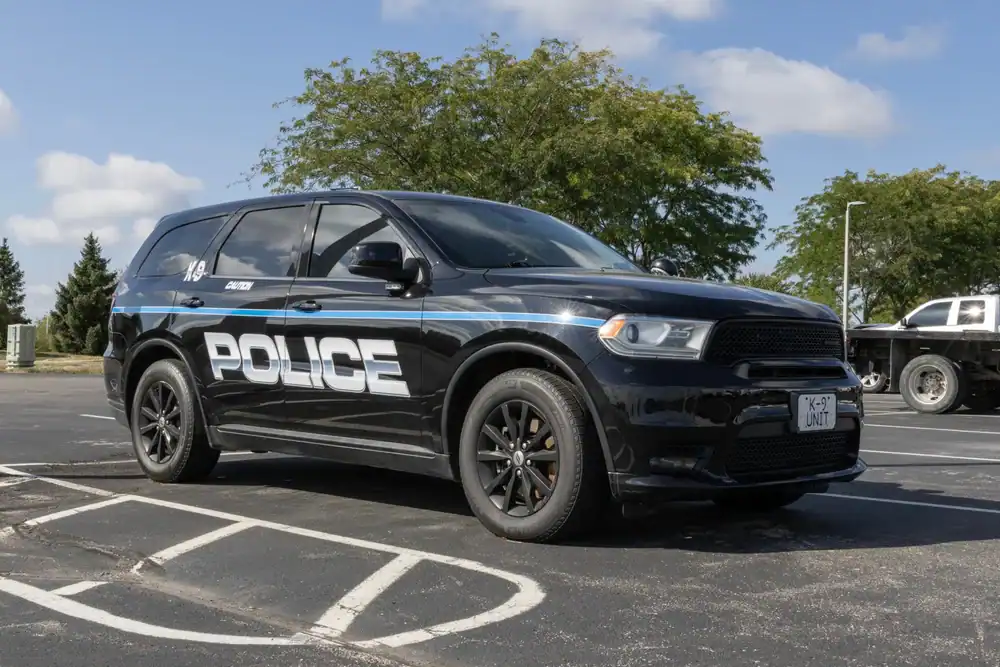
You start by looking at what’s currently in inventory. Most of what you’ll see are Ford Police Interceptor Utilities and similar models—vehicles that dominated law enforcement fleets because they work.
When you find something that fits your budget and needs, you can review whatever service records are available. Most police departments keep detailed logs. You’ll know what maintenance happened and when.
Financing is straightforward. Zero percent interest for everyone, regardless of credit score. No games with rates or hidden fees that show up later.
Before you drive off, understand what you’re getting and what you’re not. These vehicles come as-is. No warranties. Equipment like radios and light bars gets removed before sale, sometimes leaving holes or mounting points behind. Interiors might show wear. Cosmetic issues are common.
But the engine, transmission, and core components? Those were maintained better than most civilian vehicles ever see.
Ready to get started?
You’ll find primarily Ford Police Interceptor Utilities—the SUV that captured 61% of the police vehicle market and became the best-selling law enforcement vehicle in the United States. These come with the 3.0L EcoBoost V6 that delivers 400 horsepower and 415 lb-ft of torque, hitting top speeds of 148 mph.
Some inventory includes the hybrid AWD version—the only pursuit-rated hybrid police utility vehicle available. You get power and performance without sacrificing interior space or fuel efficiency.
Edison’s used car market is competitive, with over 16,000 personal-use vehicles listed locally. But those weren’t built with reinforced frames, upgraded braking systems, and components designed for high-speed pursuits. Police cars were.
You’re also looking at vehicles with larger trunk space than civilian models—departments needed room for equipment. That extra storage remains after the equipment gets removed. For rideshare drivers, delivery workers, or anyone who needs a roomy, tough vehicle that won’t quit, that space matters.
Prices typically range from $5,000 to $15,000 depending on mileage and condition. Comparable civilian vehicles often start above $20,000 new, and used options with similar durability features cost significantly more.
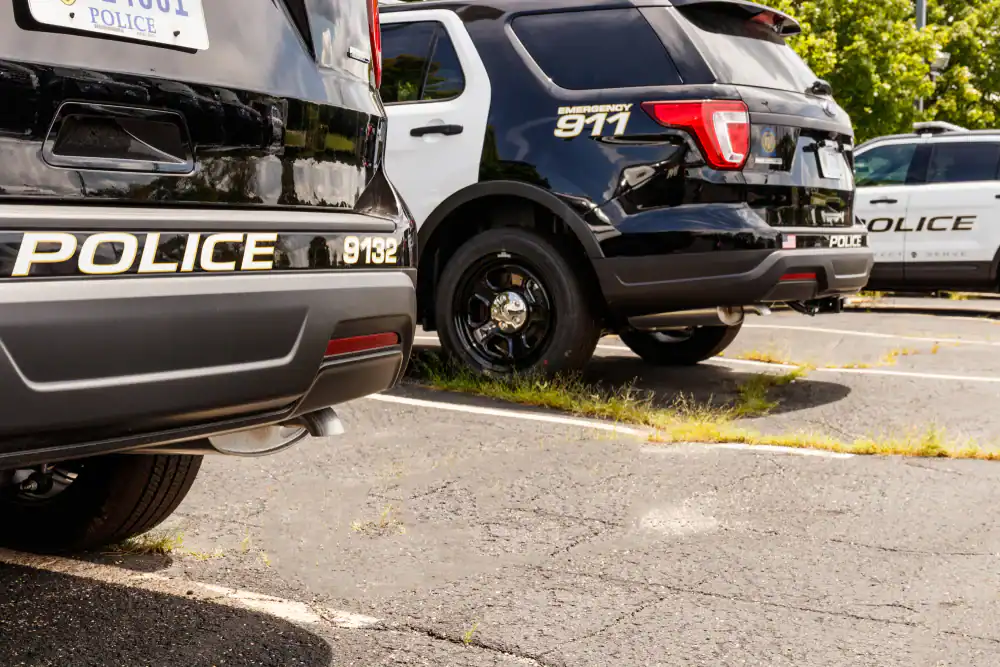
The odometer reading on a police car doesn’t capture the full picture. Officers leave engines idling for hours during shifts—while writing reports, monitoring areas, or staying warm in winter. Those idle hours never show up on the odometer.
A police car with 120,000 miles might have double that in actual engine hours. But here’s what matters more than the number: these engines were built for that kind of use. Heavy-duty components. Regular maintenance. Oil changes that happened on schedule, not when someone finally got around to it.
Police departments can’t afford breakdowns during emergencies, so they maintain vehicles aggressively. That maintenance history is what you’re really buying. A civilian car with 120,000 miles might have been neglected for half its life. A police car with the same mileage was probably serviced every 3,000 to 5,000 miles without exception.
No. Ex-cop cars are sold as-is with no warranty coverage. If you’re expecting protection from defects or mechanical issues, you won’t find it here. Lemon Laws only apply to new vehicles, and these are far from new.
This is the tradeoff for the lower price point. You’re getting a vehicle with a strong maintenance history and heavy-duty components, but you’re taking on the risk of any future repairs yourself.
Before buying, you should have a mechanic inspect the vehicle if possible. Look at service records. Ask questions about what maintenance happened and when. Most police departments keep detailed logs, and those records tell you a lot about what kind of shape the car is actually in. But once you buy it, whatever happens next is on you. No safety net.
Expect wear. These vehicles were used hard. Seats show signs of officers getting in and out multiple times per shift for years. Interiors might have stains, worn fabric, or areas where equipment was mounted and later removed.
Exteriors often have minor body damage—dings, scratches, or evidence of previous repairs. Police cars get bumped, scraped, and driven in conditions that would make most civilian drivers nervous. That takes a toll on appearance.
Equipment removal leaves traces. Holes where radios were mounted. Brackets where computers sat. Wiring that got cut or capped off. Some buyers don’t mind these cosmetic issues because they’re focused on mechanical reliability and performance. Others want a vehicle that looks pristine. If you’re in the second group, a used police car probably isn’t your best option. But if you care more about what’s under the hood than what the interior looks like, these vehicles deliver.
Some insurance companies hesitate to fully cover vehicles that were used in law enforcement. Others have no issue with it. The only way to know for sure is to call your insurance provider before you buy and ask directly.
Explain that you’re looking at a retired police vehicle—give them the make, model, and year. Ask if they’ll provide full coverage and what your rates might look like. Some insurers treat these vehicles the same as any other used car. Others flag them as higher risk because of their previous use.
Getting this information upfront saves you from surprises after purchase. You don’t want to buy a car and then discover your insurance company won’t cover it properly or wants to charge rates that make the whole deal less attractive. A five-minute phone call before you commit clears this up completely.
Ford Police Interceptors are built on the same platform as civilian Explorers, but they’re not the same vehicle. The suspension is upgraded to handle high-speed pursuits and rough road conditions. Brakes are heavy-duty because officers need to stop quickly and repeatedly without fade. The cooling system is enhanced because these vehicles idle for hours in all weather conditions.
The frame is reinforced. Safety features go beyond standard civilian models—advanced braking systems, additional crumple zones, and in some cases, roll cages. These vehicles are tested to pass Ford’s 75 mph rear-impact crash test standard, which isn’t required for civilian models.
The 3.0L EcoBoost V6 in many Police Interceptor Utilities delivers 400 horsepower—more than most civilian SUVs in the same price range. You’re getting performance that outpaces many V8 competitors in acceleration and handling. The hybrid version is the only pursuit-rated hybrid police utility vehicle available, giving you power without sacrificing fuel efficiency. These aren’t luxury vehicles, but they’re built to last longer and perform better under stress than most civilian options.
With proper maintenance, a used police car can last significantly longer than most civilian vehicles. The components are heavy-duty by design. Many ex-police cars with 120,000 miles have been documented running well past 300,000 miles when owners continue the maintenance schedule the department started.
The key is understanding what you bought. These vehicles were maintained aggressively during their service life, and they expect that to continue. If you skip oil changes or ignore brake wear, you’ll have problems. But if you treat the vehicle the way the police department did—regular servicing, attention to wear items, prompt repairs when something needs fixing—you’re looking at a car that can handle a lot more miles than the odometer currently shows.
Resale value tends to stay stable because demand exists from multiple sectors. Security companies buy them. Taxi services buy them. Enthusiasts buy them. If you decide to sell later, you’ll find buyers who understand what these vehicles offer and are willing to pay for that durability and performance.
Other Services we provide in Edison