
Hear from Our Customers
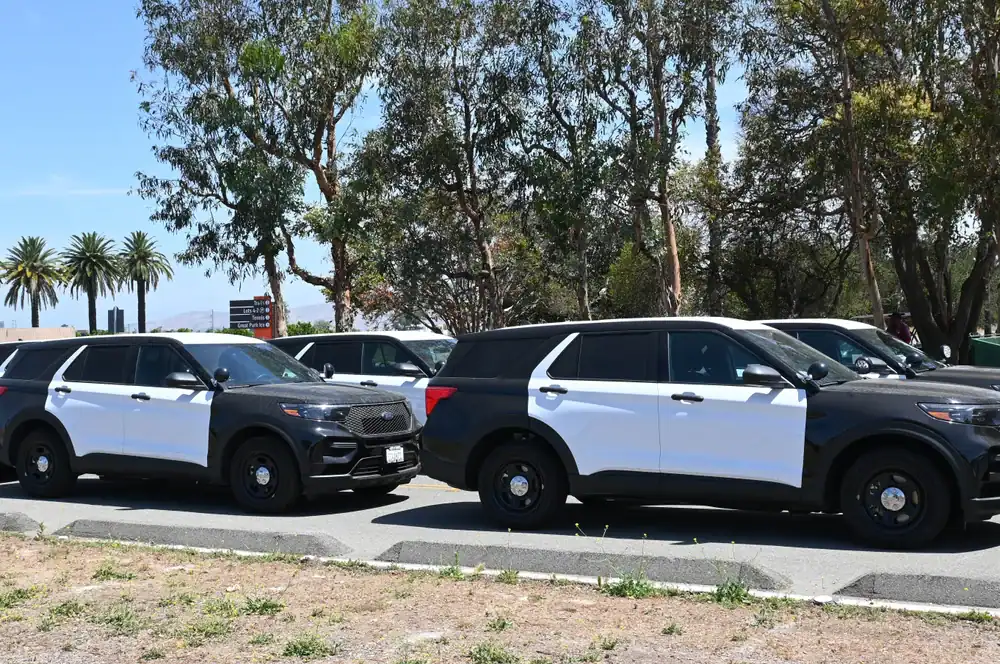
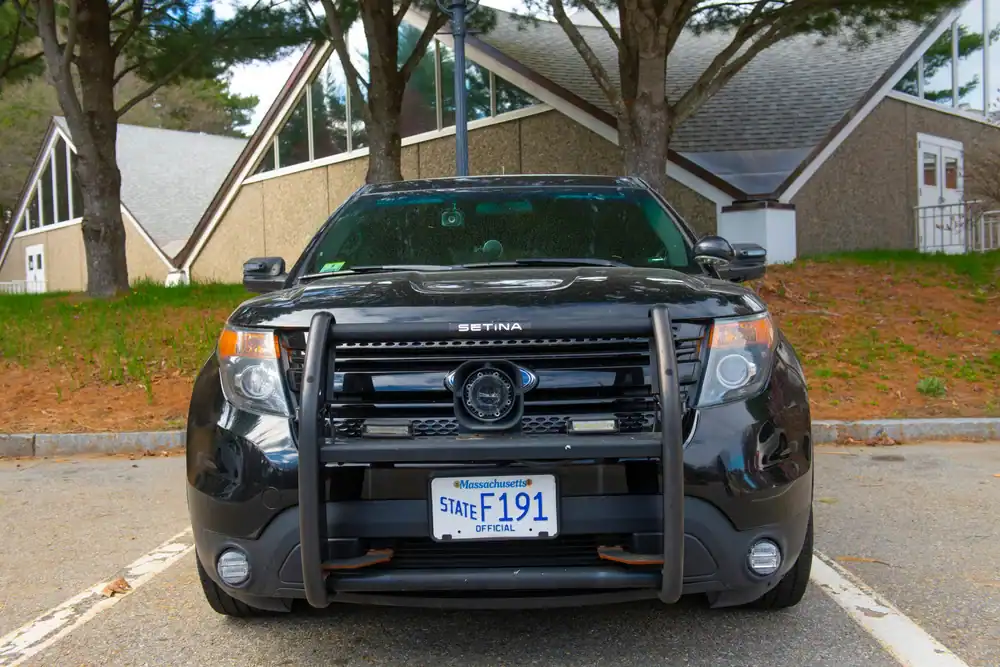
Most people shopping for a Ford police interceptor utility aren’t doing it for the nostalgia. You’re doing it because you need a vehicle that can handle real use without falling apart—and you don’t want to spend $30,000 to get it.
These aren’t civilian SUVs with a badge slapped on. Ford Interceptors come with heavy-duty alternators, reinforced frames, upgraded cooling systems, and suspension built to take a beating. They’ve been maintained on strict schedules by municipal fleets, not by someone’s cousin who “knows cars.” You get documented service records, not a Carfax with gaps you’re supposed to ignore.
And here’s the part that matters if you’re in Tonawanda: you’re not overpaying for something that just looks tough. With 73% of households here owning their homes and a median income around $61,000, you’re probably not interested in financing a luxury SUV. You want something that works, lasts, and doesn’t eat up your budget. A used cop car for sale gives you that—without the dealer markup or the mystery.
State Surplus Auto Sales was started by Carmen Yannuzzi, a law enforcement officer with over 25 years on the job. He saw firsthand how well these vehicles held up—and how little they were selling for once departments retired them. So he built a business around it.
Since 1988, we’ve sold over 35,000 vehicles. We don’t use pushy sales tactics because we don’t need to. The cars speak for themselves, and so do the prices. We offer zero-interest financing regardless of credit score, and we ship vehicles all over the country—over 500 a year.
Tonawanda’s a town where people work hard and expect value. You’ve got a 94% employment rate here and a lot of two-car households. That means you’re not looking for a showpiece—you’re looking for a second vehicle that won’t let you down. That’s exactly what we sell.
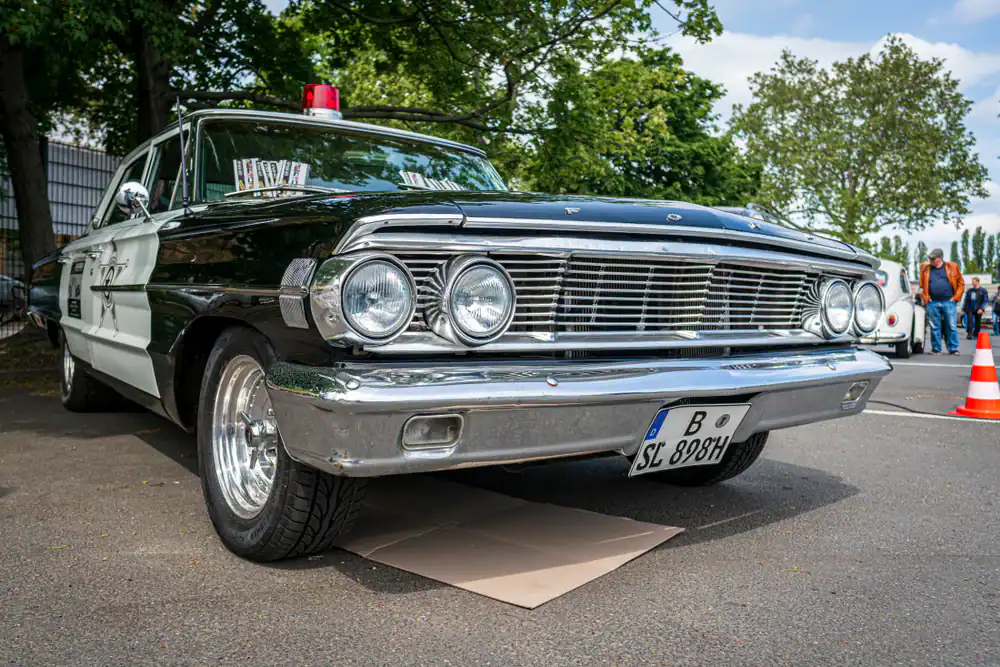
First, you browse what’s available. We post detailed photos and vehicle information online so you can see what you’re getting before you drive out or call. Most of our inventory includes Ford Explorer police interceptors, Ford Police Interceptor Utilities, and older Crown Victoria models.
Once you find something that fits, you can come see it in person or ask questions over the phone. We’ll walk you through the vehicle’s history, mileage, service records, and any cosmetic issues. We’re not hiding the holes in the dash or the wear on the seats—we show you what’s there so you can make a real decision.
If you’re ready to move forward, we handle financing on-site. No credit, bad credit—it doesn’t matter. We approve everyone and offer zero-interest payment plans. If you’re out of state, we arrange shipping through the same logistics network we’ve used for years. You’re not the first person to buy a police interceptor for sale from another state, and you won’t be the last.
Ready to get started?
You’re getting vehicles that were maintained by government fleets, not private owners. That means oil changes every 3,000 miles, brake inspections on schedule, and records you can actually verify. Most of our inventory comes from municipal auctions after departments retire vehicles between 75,000 and 100,000 miles.
The pricing reflects real value, not market hype. While the nationwide average for a used Ford police interceptor utility sits around $15,400, we’ve got options starting as low as $3,500. Compare that to a civilian Ford Explorer, which starts above $20,000 even used, and you’re looking at serious savings—especially if you’re a rideshare driver, small business owner, or someone who just needs a solid work vehicle.
Tonawanda’s not a wealthy town, but it’s a working town. With nearly a quarter of households earning under $25,000 and another chunk in the $50,000–$75,000 range, affordability matters. You’re not trying to impress anyone—you’re trying to get to work, pick up the kids, or run your business without a car payment that eats half your check. That’s where police impound cars for sale make sense.
And if you’re worried about financing, don’t be. We’ve been doing this long enough to know that credit scores don’t tell the whole story. You get approved, you get terms that work, and you drive off the lot.
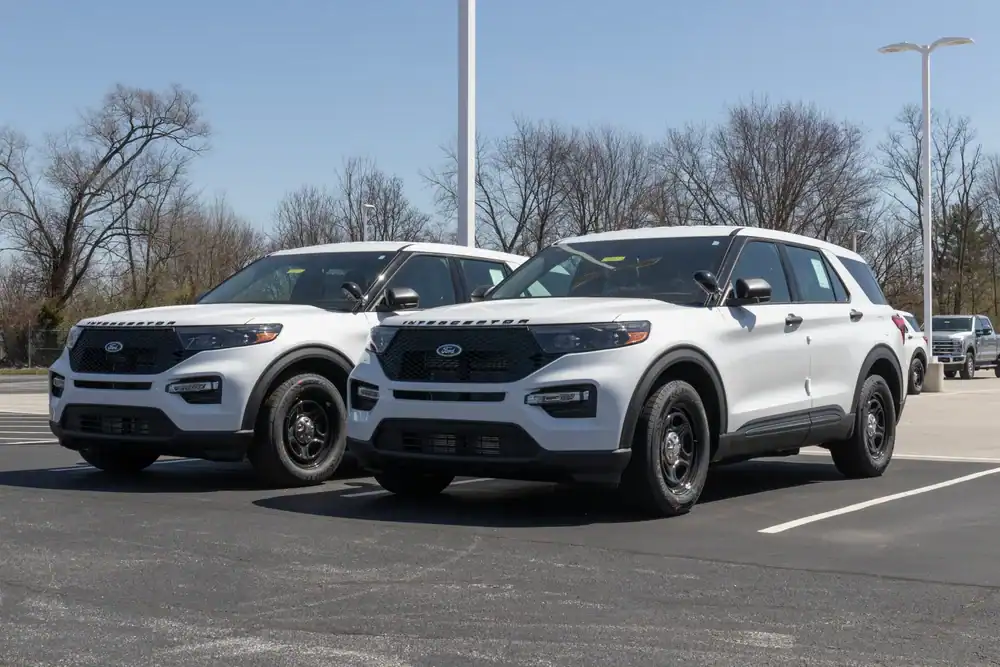
Most of the Ford Interceptors we sell have between 75,000 and 150,000 miles. That sounds like a lot if you’re used to shopping for low-mileage cars, but context matters here.
Police vehicles rack up miles, sure—but they also rack up maintenance. These aren’t cars that got driven into the ground and forgotten about. They were serviced on strict schedules by municipal fleets with full-time mechanics. Oil changes, brake work, fluid checks—it all happened on time, every time.
The other thing to know is that a lot of those miles are highway miles or idle hours. A police car sitting in a parking lot with the engine running doesn’t add miles to the odometer, but it does add wear. That’s something to be aware of, but it’s also why departments retire them when they do—they’re not waiting until the car is toast. You’re getting a vehicle that’s been used hard but maintained well, and that’s a better bet than a high-mileage civilian car with no service records.
Insurance can be tricky. Some companies hesitate to fully cover former police vehicles, especially if they still look like cop cars. If you’re planning to keep the spotlight or push bar, expect some questions from your insurer. Most people don’t have issues, but it’s worth calling your insurance company before you buy just to confirm.
As for maintenance, parts are more expensive. Ford Interceptors use heavy-duty components—bigger brakes, beefier suspension, higher-output alternators. That means when something needs replacing, it costs more than the civilian equivalent. You’re also dealing with lower fuel economy because these vehicles are built heavy.
That said, you’re starting from a lower purchase price, so even with slightly higher operating costs, you’re still ahead compared to financing a $25,000 SUV. And because these cars were maintained so well during their service life, you’re not walking into a money pit. You’re just not getting a bargain on gas or brake pads.
The Ford Crown Victoria Police Interceptor is the older, body-on-frame sedan that was the standard police car for decades. It’s rear-wheel drive, has a V8 engine, and is known for being nearly indestructible. If you want something simple, tough, and cheap to fix, the Crown Vic is hard to beat.
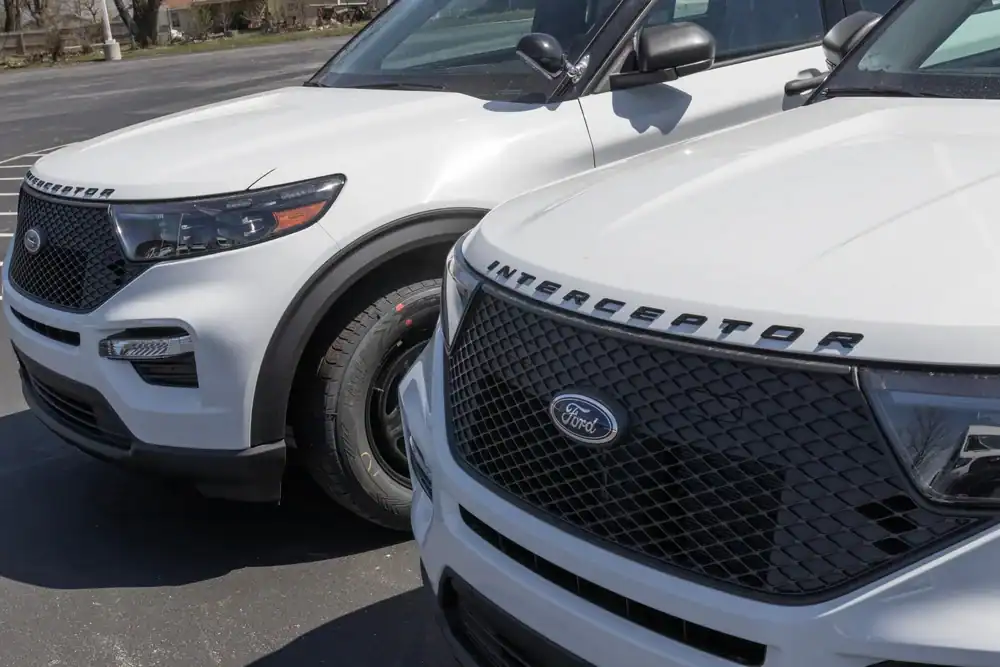
The newer Ford Police Interceptor Utility is based on the Explorer platform. It’s a crossover SUV with all-wheel drive, more interior space, and better handling in bad weather. It’s the vehicle most departments switched to after Ford stopped making the Crown Vic in 2011. The Utility is more modern, more comfortable, and more capable in snow—but it’s also more complex and a bit pricier.
If you’re in Tonawanda and you deal with winter weather, the all-wheel-drive Utility makes sense. If you just want a bulletproof sedan that’s easy to work on and costs next to nothing, go with the Crown Vic. Both are solid choices depending on what you need.
Yes. We ship over 500 vehicles a year to buyers all over the country, so buying remotely is something we’re set up to handle.
You start by browsing our online inventory. We post photos and details for every vehicle so you can get a good sense of what you’re looking at. If you have questions, call us—we’ll walk you through the vehicle’s condition, history, and any cosmetic issues. We’re not trying to hide anything, because that just wastes everyone’s time.
Once you’re ready to buy, we handle financing over the phone. You get approved, we finalize the paperwork, and then we arrange shipping through our logistics partners. You’ll get a delivery estimate and tracking information. The whole process is straightforward, and we’ve done it enough times that you’re not going to hit any surprises. If you’re looking for a police interceptor for sale and you’re not local, don’t let distance stop you.
First, check the service records. You want to see documented maintenance—oil changes, brake work, fluid replacements. If the records are missing or incomplete, that’s a red flag. Most of our vehicles come with full fleet maintenance logs, so you know exactly what’s been done.
Second, expect cosmetic wear. These cars have holes in the dash from equipment mounts, scratches on the doors, and wear on the seats. That’s normal. If you can’t live with that, you’re going to need to budget for cosmetic fixes or keep looking.
Third, ask about idle hours. Police cars idle a lot, and that puts wear on the engine even if the odometer doesn’t reflect it. A car with 100,000 miles and 5,000 idle hours has more engine wear than a civilian car with the same mileage. It’s not a dealbreaker, but it’s something to factor in.
Finally, take it for a test drive if you can. Listen for weird noises, check how the brakes feel, and see if anything seems off. These are tough vehicles, but they’ve been used hard. A test drive will tell you more than any sales pitch.
Because they’re sold at government auctions, not through dealerships. When a police department retires a vehicle, it goes to a city or state auction where dealers and resellers like us buy them in bulk. There’s no dealer markup, no reconditioning fees, and no advertising budget baked into the price.
You’re also buying a vehicle that looks like a work truck, not a showroom SUV. It’s got wear, it’s got holes, and it’s got history. That keeps the price down because most people don’t want to drive something that used to be a cop car. But if you’re not worried about appearances and you just want something reliable and affordable, that’s where the value is.
The other factor is volume. We buy a lot of vehicles at once, which keeps our costs low. We pass those savings on because we’d rather move inventory than sit on it. You’re not getting a worse car—you’re just not paying for the things that don’t matter.
Other Services we provide in Tonawanda