
Hear from Our Customers
You’re looking at vehicles that were built different from day one. Ford Police Interceptor Utility models come with heavy-duty suspension, reinforced frames, powerful engines, and stronger alternators designed to handle pursuit driving and long idle times. These aren’t stripped-down economy cars with badges slapped on them.
The Ford Crown Interceptor was the backbone of law enforcement fleets across North America for over 15 years because it could take a beating and keep running. That same durability works in your favor when you’re dealing with potholes on the LIE, stop-and-go traffic through Central Islip, or just need something that won’t fall apart after 100,000 miles.
Here’s what matters: you’re getting a vehicle that was maintained on a schedule, not whenever someone felt like it. Government fleet vehicles get regular oil changes, brake inspections, and part replacements as part of their operational requirements. You’re buying something that was actually taken care of, even if it has higher mileage.
The price difference is real. A used patrol car sells for thousands less than the civilian equivalent because of mileage and the stigma around former cop cars. But if you care more about what’s under the hood than what your neighbor thinks, that’s money in your pocket.
State Surplus Auto Sales was started by Carmen Yannuzzi, who spent over 25 years in law enforcement. He knew firsthand that government fleet vehicles were being retired while they still had plenty of life left. For over 15 years now, we’ve specialized in selling exactly these kinds of vehicles—cop cars, patrol SUVs, and other government-owned models that most dealers won’t touch.
The advantage of working with someone who came from that world is simple: we know which departments maintain their fleets properly, which models hold up best, and what to look for when buying in bulk directly from jurisdictions. You’re not dealing with a middleman trying to flip cars for maximum profit.
Located just off Broadway in Newark, we serve buyers throughout Long Island, including Islip, where public transit options are limited and having a dependable personal vehicle isn’t optional. If you’re a rideshare driver, small business owner, or just need a second car that won’t drain your budget, this is where those vehicles end up.
You start by looking at what’s currently in inventory. We get vehicles in bulk directly from various departments and jurisdictions, so the selection rotates based on what’s being retired. Most of what you’ll see are Ford Police Interceptor Utility models, Dodge Charger Pursuit vehicles, and older Crown Victoria interceptors.
Once you find something that fits what you need, you can come see it in person. These aren’t detailed and staged like a typical used car lot—what you see is what you get. The vehicle will have higher mileage, usually between 100,000 and 150,000 miles. The interior might show wear from equipment mounts and daily use. But the mechanical components are typically solid because these vehicles were maintained as part of a fleet.
Financing is straightforward. We offer zero interest financing regardless of your credit score. No credit, bad credit—it doesn’t matter. You’re approved, and you’re paying 0% interest. That’s not a promotional rate or a bait-and-switch. It’s how we operate.
You’ll want to factor in that some insurance companies hesitate on former police vehicles, so call your insurer before you buy. Parts and service are easy to find since these are based on common civilian models—any mechanic can work on a Crown Vic or Explorer, and parts are available at most auto shops or salvage yards.
Ready to get started?
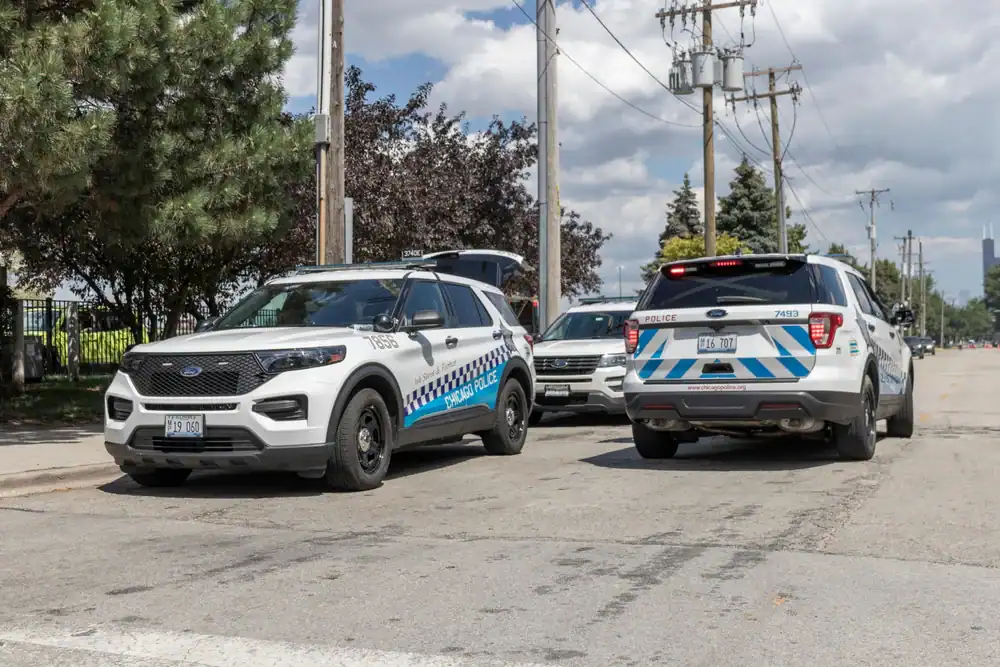
We specialize exclusively in used cop cars for sale. You’ll find Ford Police Interceptor Utility AWD models, which are the SUV-style vehicles that replaced sedans in most departments. These come with various engine options, including naturally aspirated V6s, turbocharged EcoBoost engines, and even hybrid powertrains in newer models.
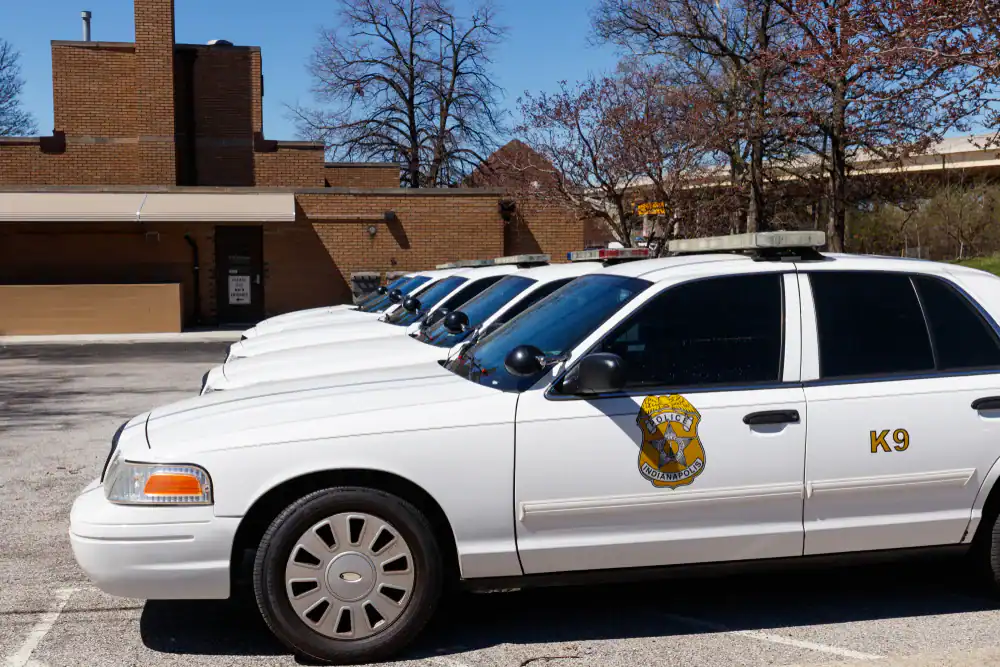
The Ford Crown Interceptor is still available in older inventory. From 1997 to 2013, it was the most widely used police vehicle in North America, and for good reason—it was tough, simple to fix, and could handle severe duty cycles. If you want something with a V8 and rear-wheel drive that you can keep running forever with basic maintenance, that’s your vehicle.
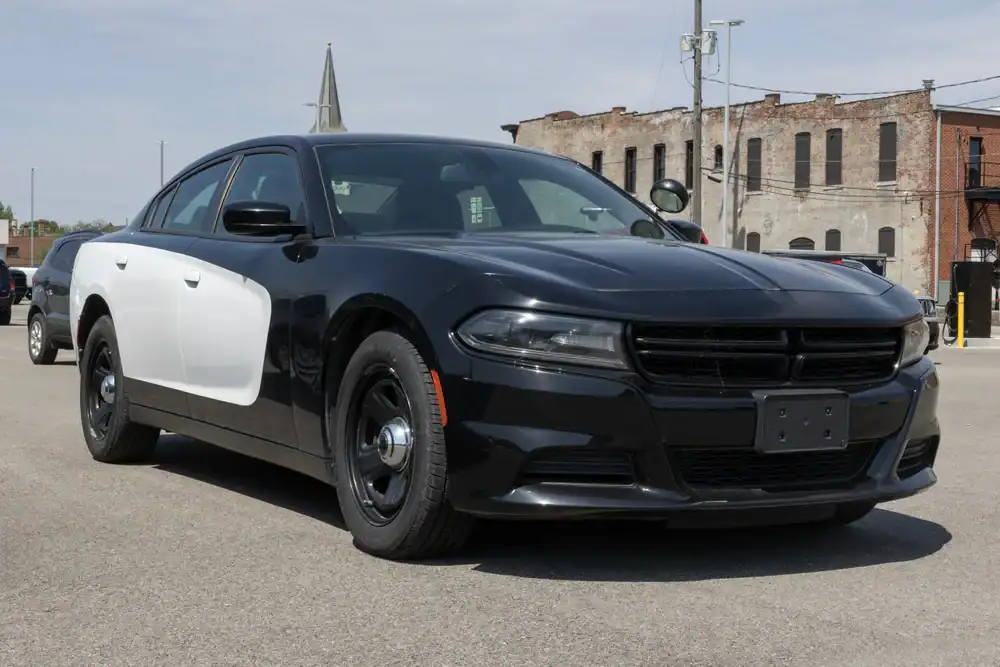
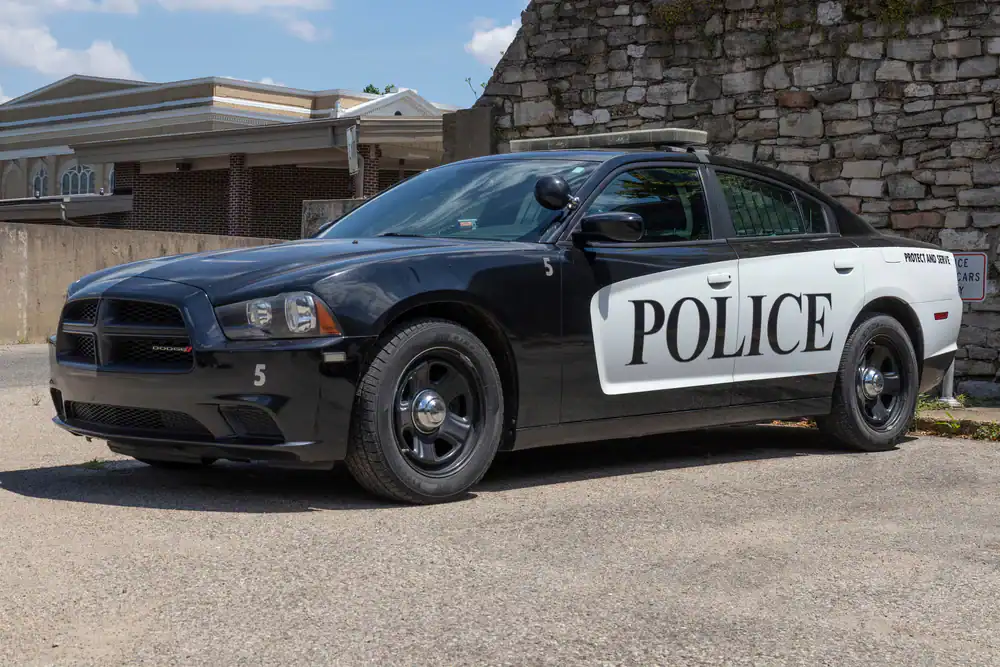
You’ll also see Dodge Charger Pursuit models and other patrol vehicles depending on what we’ve recently acquired. Everything sold here is a one-owner government fleet vehicle. That means it wasn’t passed through multiple private owners who may or may not have kept up with maintenance.
For buyers in Islip and across Long Island, where owning a car is essential for getting to work, running a business, or driving for Uber and Lyft, these vehicles offer a practical solution. You’re not buying luxury or status. You’re buying a tool that works, priced at a point that makes sense if you’re on a budget or just don’t want to overpay for basic transportation.
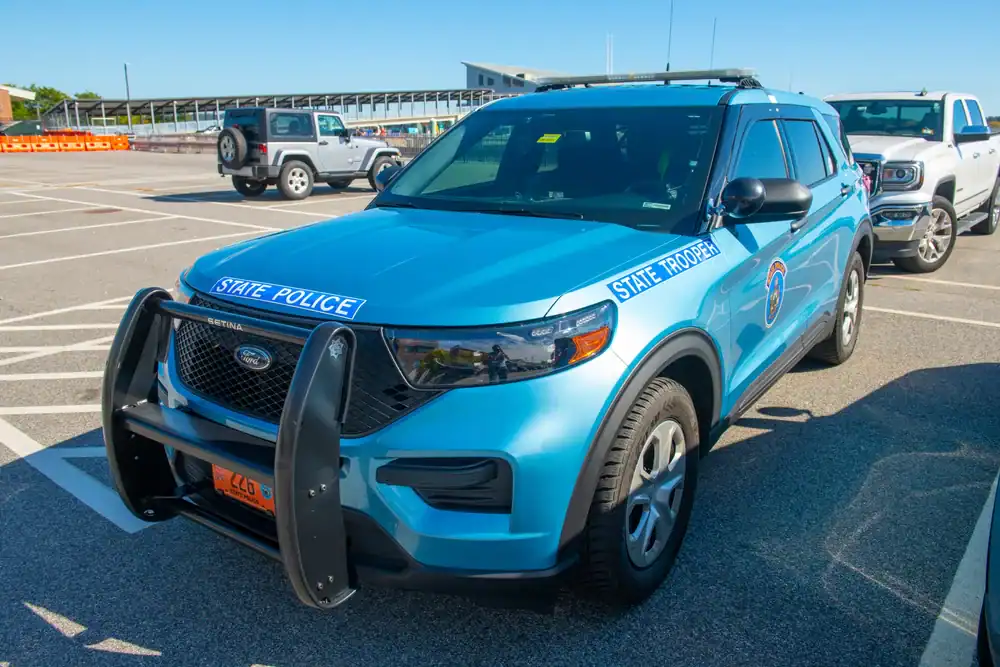
Police vehicles sell for well below market value for a few reasons, and none of them mean the vehicle is junk. First, mileage is usually high—most cop cars have 100,000 to 150,000 miles or more because they’re driven constantly during their service life. High mileage scares off a lot of buyers, which drives the price down even though the vehicle itself is often mechanically sound.
Second, there’s a stigma. Some people just don’t want to drive a former police car, whether it’s because of how it looks or how they think others will perceive them. That stigma creates downward pressure on resale value, which works in your favor if you don’t care about that stuff.
Third, the interior usually shows wear. Equipment mounts leave holes and scratches, seats get worn from officers getting in and out all day, and the overall cosmetic condition isn’t showroom quality. But if you’re buying a vehicle to use as a work car, delivery vehicle, or just reliable daily transportation, cosmetic wear doesn’t affect how it drives. You’re essentially getting a discount for things that don’t impact performance.
No. Parts are actually easier and cheaper to find than most vehicles because police interceptors are based on common civilian models. A Ford Police Interceptor Utility is built on the same platform as the Ford Explorer. A Crown Victoria shares most of its components with the Mercury Grand Marquis and Lincoln Town Car.
That means you can walk into any auto parts store—AutoZone, Advance Auto, O’Reilly—and get what you need. Brake pads, alternators, starters, suspension components, and even body panels are widely available. You’re not dealing with specialty parts or having to order from the dealer.
The other advantage is that because these vehicles were used in such high numbers by law enforcement, there’s a huge aftermarket and salvage yard supply. If you need a replacement part and want to save even more money, you can find used components easily. Any mechanic can work on these vehicles—you don’t need someone with special training or diagnostic equipment. That keeps your long-term ownership costs low, which is the whole point of buying a used police interceptor in the first place.
Some insurance companies get weird about former police vehicles, but it’s not a universal problem. The issue usually comes down to how the vehicle is classified in their system and whether they’re worried about higher risk because of its previous use. The reality is that a retired police interceptor is just a used car at that point, but not all insurers see it that way.
Before you buy, call your insurance company and ask directly whether they’ll cover a former police vehicle and if there are any restrictions or rate increases. Most major insurers will cover them without issue, but you want to confirm before you’re stuck with a car you can’t insure. Get a VIN from us and have them run a quote so you know exactly what you’re looking at.
If your current insurer won’t cover it or wants to charge you more, shop around. There are plenty of companies that will insure a used police interceptor at normal rates because they understand it’s mechanically the same as the civilian version. This is a solvable problem—you just need to do the homework upfront so you’re not surprised after you’ve already bought the vehicle.
It depends more on how the vehicle was maintained than the raw mileage number. A police interceptor with 120,000 miles that was serviced every 5,000 miles and had parts replaced on schedule is in better shape than a civilian car with 80,000 miles that only got oil changes when the light came on.
Government fleets operate on strict maintenance schedules because they can’t afford to have vehicles breaking down in the field. That means regular fluid changes, brake inspections, tire rotations, and component replacements as needed. You’re buying a vehicle that was maintained like a piece of equipment, not like someone’s personal car they only fixed when something went wrong.
That said, certain components wear out faster on police vehicles because of how they’re used. Brakes, suspension parts, and transmissions take more abuse from high-speed driving, hard stops, and long idle times. When you’re looking at a specific vehicle, focus on what’s been replaced recently and what might need attention soon. A police interceptor with 150,000 miles and a new transmission is a better buy than one with 100,000 miles and the original transmission that’s about to fail. Ask what’s been done, and factor that into your decision.
Yes. We offer zero interest financing to everyone, regardless of credit score. That’s not an exaggeration or a promotional gimmick—it’s actually 0% interest whether you have a 500 credit score or an 800.
Most dealers either won’t finance you if your credit is bad, or they’ll approve you at a predatory interest rate that makes the car cost twice what it’s worth by the time you’re done paying. Here, you’re paying the sticker price and nothing more. No interest means your monthly payment is just the purchase price divided by however many months you’re financing.
This matters especially for buyers in areas like Islip where you need a car to get to work, but you might not have perfect credit or a big down payment saved up. You’re not getting punished with extra fees or interest charges just because your financial situation isn’t ideal. You’re getting a straightforward deal: here’s the car, here’s the price, here’s your payment. If you can afford the monthly amount, you can buy the vehicle.
The Police Interceptor Utility is built on the Explorer platform, but it’s not the same vehicle you’d buy off a civilian lot. Ford makes specific modifications for law enforcement use, and those modifications make it more durable for heavy-duty driving.
The suspension is reinforced to handle extra weight from equipment and passengers. The cooling system is upgraded to manage long idle times without overheating. The electrical system has a higher-output alternator to power lights, radios, computers, and other gear. The brakes are larger and more robust to handle high-speed stops. The calibration is different—police interceptors are tuned for performance and durability, not fuel economy and comfort.
You’ll also find that the interior is more basic. There’s no leather, no fancy infotainment system, no heated seats. It’s a work vehicle, so it’s built to be functional and easy to clean. But mechanically, you’re getting something that was designed to be pushed hard and last a long time. When you buy a used Police Interceptor Utility, you’re getting those heavy-duty components at a used-car price. That’s the value proposition.
Other Services we provide in Islip