
Hear from Our Customers
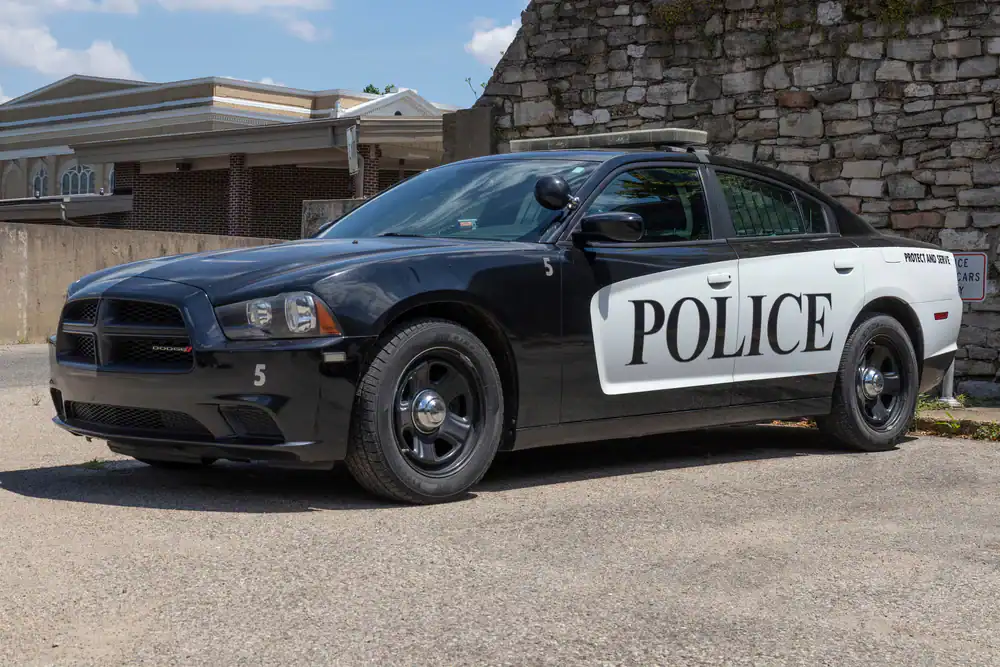
You’re not buying someone’s neglected daily driver. These are Ford Police Interceptor Utility vehicles that were maintained on strict government schedules because departments couldn’t afford breakdowns mid-shift.
That means heavy-duty brakes, reinforced suspension, upgraded cooling systems, and engines built to handle extended idling and high-speed pursuit. The 3.0L EcoBoost V6 in many of these units delivers 400 horsepower and 415 lb-ft of torque with a top speed of 148 mph. Standard all-wheel drive gives you control in weather that shuts down most sedans.
The nationwide average for a used police interceptor runs around $15,400. You’ll find pricing here starting significantly lower. You’re getting a vehicle rated for safe operation at 150 mph, equipped with body-on-frame construction that offers more protection than typical unibody frames, and built with components designed for durability under constant use.
State Surplus Auto Sales was founded by Carmen Yannuzzi, who spent over 25 years in law enforcement. He saw quality government vehicles going to auction and realized they’d make excellent options for buyers who needed dependable transportation without the inflated price tags.
We’ve been connecting people with one-owner government fleet vehicles for over 20 years. Our inventory comes directly from the departments these vehicles served, giving us access to maintenance records and vehicle history most used car lots can’t provide.
Oyster Bay’s car ownership rate sits above the national average, with households typically owning three vehicles. That means you understand what makes a vehicle worth buying. You’re not looking for flash. You want something that runs, handles well, and doesn’t drain your account every time something needs attention.
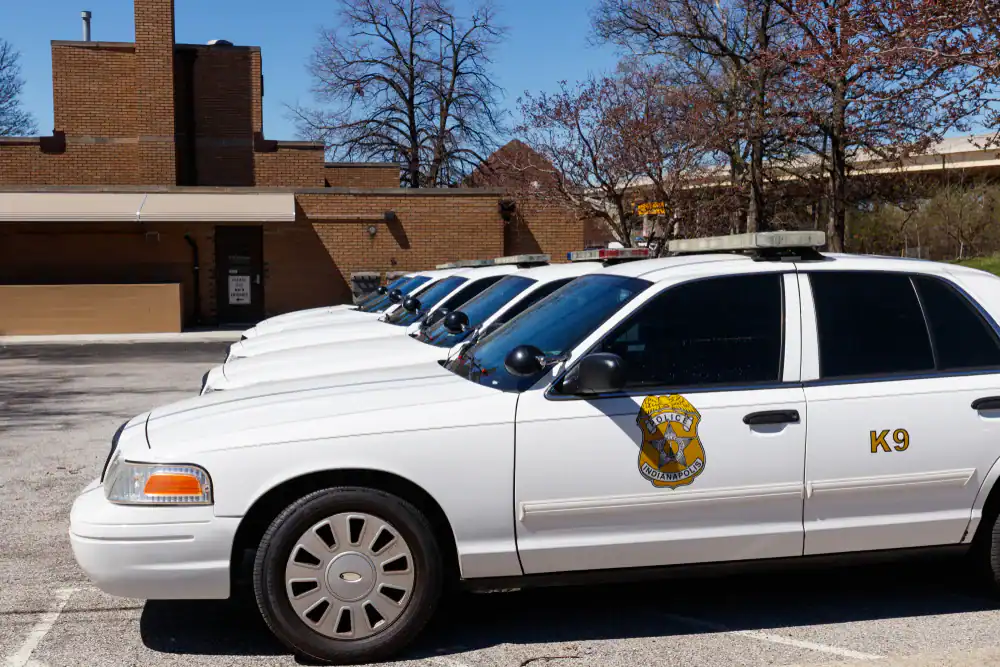
Start by browsing our current inventory of used patrol cars for sale. Every listing includes details on mileage, any existing damage, title status, and what’s included with the vehicle. We’re upfront about condition because you need that information before making a decision.
When you find a Ford Police Interceptor Utility or other model that fits your needs, reach out to discuss availability and pricing. We offer zero-interest financing regardless of credit score, so you’re not stuck paying interest on top of the purchase price.
Once you’ve selected your vehicle, we handle the paperwork and get you on the road. These aren’t showroom-condition vehicles with that new car smell. They’re work vehicles with honest wear from real use. But they’re also built tougher than most civilian cars you’ll find in the same price range, with maintenance histories that prove they were cared for properly.
Ready to get started?
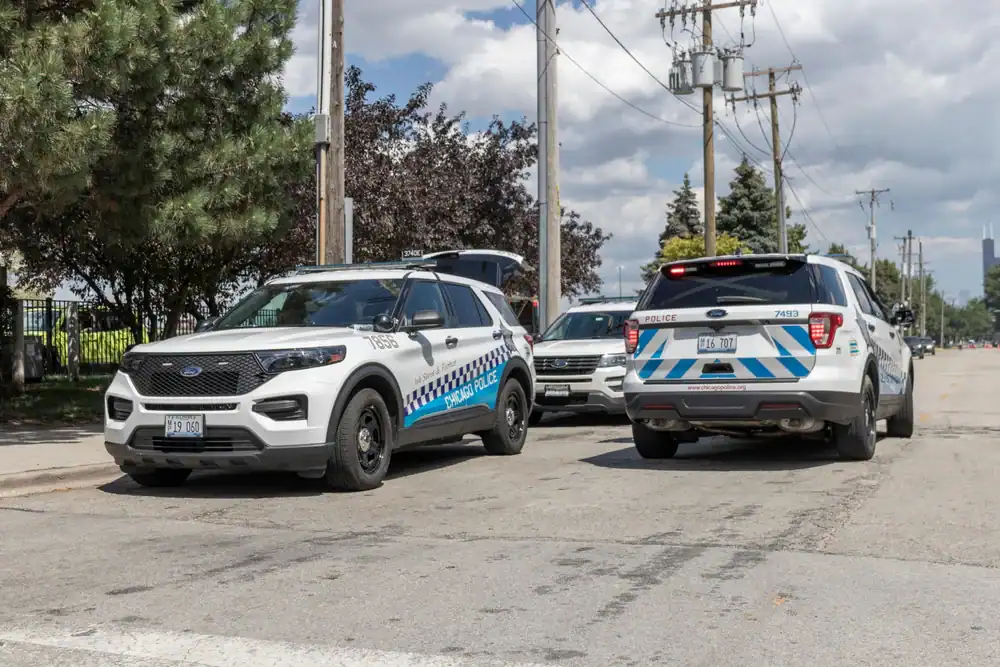
Our current selection includes Ford Police Interceptor Utility models from recent model years, primarily 2016-2021. You’re looking at vehicles with high-output alternators up to 250 amps, robust battery systems designed to handle extensive electronics, and transmission coolers that prevent overheating during extended operation.
The Ford Explorer Police Interceptor platform dominates our inventory because it’s what most departments choose. Ford holds the majority of police pursuit vehicle sales across the U.S. and Canada for good reason. These vehicles undergo testing that civilian models never see.
Oyster Bay’s median household income of $159,530 means you have options when buying a vehicle. But you’re also smart enough to recognize value. Why pay double on the regular market when you can get a vehicle with professional maintenance history, heavy-duty components, and proven durability at a fraction of typical used car prices?
Every vehicle we sell comes from government fleets with documented service records. You’ll see higher mileage than a typical used car, but you’re also getting a vehicle that was serviced on schedule, not whenever the previous owner felt like it. That difference matters when you’re counting on this vehicle for daily transportation, rideshare work, or business use.
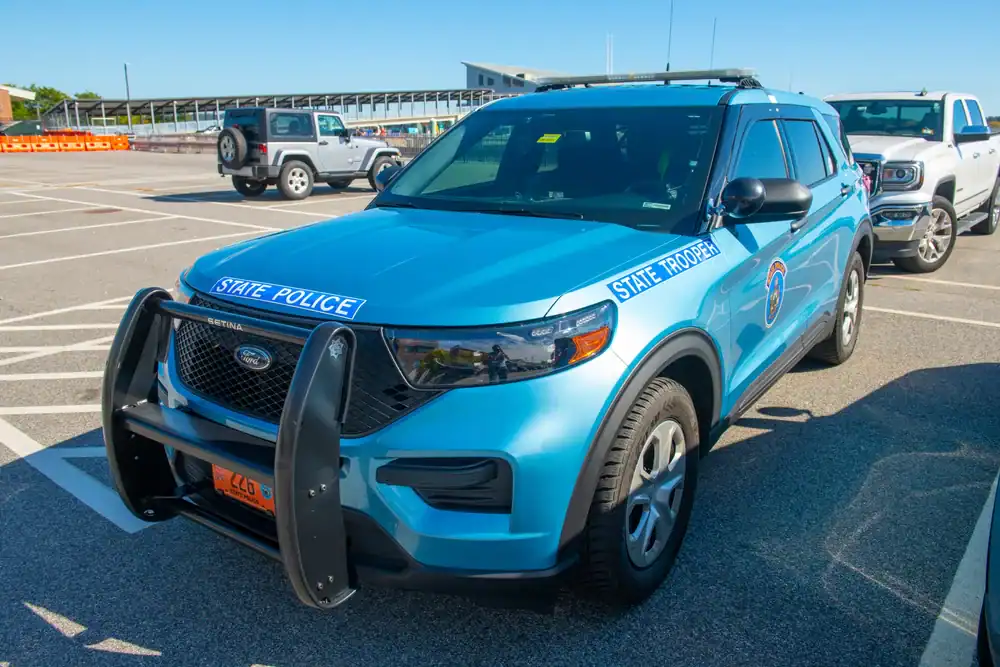
The mileage number tells only part of the story. Police vehicles accumulate miles differently than civilian cars.
Yes, you’ll see higher odometer readings. But these vehicles followed manufacturer maintenance schedules without exception because departments couldn’t afford unexpected breakdowns. Oil changes happened on time. Brake inspections were routine. Fluid levels were monitored constantly.
The concern you should have is idle hours, which don’t show on the odometer. Police vehicles idle extensively during shifts, and that engine run time creates wear that mileage alone doesn’t reflect. But the flip side is that highway miles are easier on engines than stop-and-go city driving. These vehicles spent significant time at steady speeds on open roads, which is actually less stressful than typical commuter use.
The interior will show honest wear. That’s not a surprise, and we’re not going to pretend otherwise.
Police equipment leaves mounting holes and marks. Seats show use from officers getting in and out multiple times per shift. The center console area often has modifications from radio and computer installations. Some vehicles will need interior cleaning or minor repairs depending on how the department maintained them before decommissioning.
We document any interior damage in our listings so you know what you’re getting before you commit. Some buyers plan to reupholster or make modifications anyway. Others are fine with the wear because they’re using the vehicle for work purposes where pristine interiors aren’t the priority. The mechanical components and safety features are what matter most, and that’s where these vehicles excel.
No. These vehicles are sold as-is without warranty coverage.
That’s standard for government surplus vehicles. You’re buying a used vehicle that’s been in service, and warranty protection ended when the original department took delivery. Alabama’s Lemon Laws only apply to new vehicles, and similar consumer protections don’t extend to used government fleet sales.
What you do get is a maintenance history that most used cars can’t match. You’ll see records of what was done, when it was done, and why. That transparency gives you a realistic picture of the vehicle’s condition. You’re making an informed decision based on documented history rather than trusting a previous owner’s word about how they maintained their car.
If you’re concerned about potential repairs, factor that into your budget. The money you save on purchase price compared to a civilian used vehicle gives you room to handle maintenance if needed. And because these are Ford vehicles with widespread parts availability, you’re not dealing with specialty components that cost a fortune to replace.
Government surplus vehicles sell below market value because departments prioritize fleet turnover over maximum resale price.
Police departments replace vehicles on schedules based on mileage and service hours, not market conditions. When a vehicle hits the department’s replacement threshold, it gets decommissioned regardless of whether it’s the ideal time to sell. They’re not trying to maximize profit. They’re managing fleet operations.
That creates opportunities for buyers who understand what they’re looking at. You’re getting a vehicle with heavy-duty components, professional maintenance history, and proven durability at prices that reflect government surplus sales, not retail used car markups. The average police interceptor sells for well below what you’d pay for a comparable civilian SUV with similar mileage.
The trade-off is that you’re buying a work vehicle with honest wear, no warranty, and modifications from its service life. For buyers who need dependable transportation without the inflated price tag, that’s an acceptable exchange. For buyers who want a pristine vehicle with warranty coverage, civilian used cars make more sense despite the higher cost.
Police Interceptors aren’t just regular Explorers with a light bar. They’re purpose-built for law enforcement with significant upgrades.
You’re getting a reinforced suspension with heavy-duty springs, upgraded shock absorbers, and strengthened sway bars. The cooling system includes additional oil coolers, larger radiators, and transmission coolers designed for extended idling. The electrical system features high-output alternators and robust batteries to handle the power demands of police equipment.
The chassis and body structures are reinforced beyond civilian specifications. Brakes are upgraded to handle high-speed stops. Fuel lines and other components are manufactured to higher durability standards. The all-wheel-drive system is standard, not optional, and it’s tuned for pursuit driving rather than typical SUV use.
Performance-wise, the current Ford Police Interceptor Utility is the fastest-accelerating police vehicle in America. The 3.0L EcoBoost V6 outperforms many V8 competitors while delivering better fuel economy. You’re looking at 0-60 mph in 5.77 seconds and a top speed of 148 mph. That’s not marketing language. That’s tested performance data from vehicles built to chase down anything on the road.
Absolutely. These vehicles work well for daily transportation, and many buyers use them exactly that way.
You’re driving a full-size SUV with three rows of seating, ample cargo space, and all-wheel drive. Remove the police equipment remnants, and you have a functional family vehicle that happens to be built tougher than the civilian version. The reinforced construction actually makes it safer in collisions compared to standard unibody SUVs.
The fuel economy isn’t as efficient as a sedan, but it’s comparable to other full-size SUVs. The performance is better than most civilian vehicles on the road. And there’s an intimidation factor that some drivers appreciate—when people see what looks like an unmarked police car, they tend to drive more carefully around you.
Young drivers benefit from the safety features and sturdy construction. Rideshare and delivery drivers appreciate the durability and space. Small business owners get a work vehicle that can handle tough conditions without constant repairs. The versatility is part of why these vehicles maintain strong demand despite being government surplus sales.
Other Services we provide in Oyster Bay