
Hear from Our Customers
Most people buying used cop cars aren’t doing it for the novelty. You’re here because you need a vehicle that can handle serious use without falling apart, and you don’t want to drop $40,000 to get it.
Ford Police Interceptor Utility models come with heavy-duty alternators, reinforced suspension, upgraded brakes, and all-wheel drive as standard equipment. These aren’t luxury features added for comfort. They’re mechanical upgrades designed to survive high-speed pursuits, constant idling, and the kind of daily abuse that would destroy a standard SUV in a year.
The mileage is higher than you’d see on a typical used car lot. That’s expected. But the components underneath are built to a completely different standard. You’re getting a vehicle that was engineered to run 24/7 in a police fleet, not just commute to an office park twice a day.
Price is the other half of the equation. A used patrol car for sale typically costs 30-50% less than a civilian equivalent from the same model year. You’re not paying for leather seats or a premium sound system. You’re paying for a drivetrain and chassis that were built to perform under pressure.
We focus exclusively on used police cars for sale in Troy, NY and the surrounding Capital Region. We’re not a general used car dealership trying to move whatever comes off a trade-in lot. Our inventory is Ford Interceptors that have been retired from active duty.
Troy sits right in the middle of a region with thousands of law enforcement vehicles cycling out of service every year. That gives us consistent access to Ford Crown Interceptor sedans and Ford Police Interceptor Utility SUVs that are still mechanically sound but have reached the mileage threshold where departments rotate them out.
We’re here because there’s real demand for these vehicles. Rideshare drivers, small business owners, families looking for a second car, and buyers who just want something reliable without the new-car payment all come through. You know what you’re getting when you buy a cop car for sale. No hidden features, no unnecessary electronics, just a vehicle built to work.
You start by looking at what’s actually in our inventory. We keep a rotating selection of Ford Police Interceptor Utility models and older Crown Victoria sedans depending on what’s available from local and regional departments. Inventory changes regularly, so if you’re looking for something specific, it’s worth calling ahead.
Once you’re here, you can walk the lot and inspect any vehicle that interests you. These are used cop cars. They’ve been driven hard. You’ll see wear on the interior from equipment mounts, higher mileage on the odometer, and cosmetic issues that come with fleet use. We’re not hiding that. It’s part of why the price is where it is.
You can test drive anything on the lot. That’s the only way to know if the vehicle feels right. Pay attention to how the transmission shifts, how the brakes respond, and whether the all-wheel drive engages smoothly. These are the systems that matter in a police interceptor for sale.
If you decide to move forward, we handle the paperwork and get you on the road. The process is straightforward. You’re buying a used vehicle with a clear title. No auctions, no bidding, no waiting to see if you won. You either want it or you don’t.
Ready to get started?
Every Ford Police Interceptor Utility in our inventory comes with factory upgrades that were never available on the civilian Explorer. You’re looking at a 3.0L EcoBoost V6 that produces 400 horsepower and 415 lb-ft of torque, or the standard 3.3L V6 hybrid powertrain depending on the model year. Both engines are paired with heavy-duty cooling systems designed to handle extended idle time without overheating.
The all-wheel drive system isn’t the same as what you’d get on a standard SUV. Ford’s Intelligent AWD for police vehicles is calibrated specifically for pursuit driving. It distributes torque to all four wheels to improve handling stability during high-speed maneuvers. The suspension is reinforced, the brakes are larger, and the wheels are steel instead of alloy because they’re more durable under stress.
In Troy, NY, where winter driving is a real consideration, that AWD system and heavy-duty suspension make a difference. You’re not just getting a vehicle that can handle snow. You’re getting one that was built to respond to calls in any condition without hesitation.
The interior is stripped down. No premium upholstery, no advanced infotainment systems. What you do get is more legroom, more cargo space, and fewer electronic components that can fail. For buyers who want something simple and reliable, that’s an advantage. Replacement parts are easy to find and affordable because these vehicles share components with civilian Ford models.
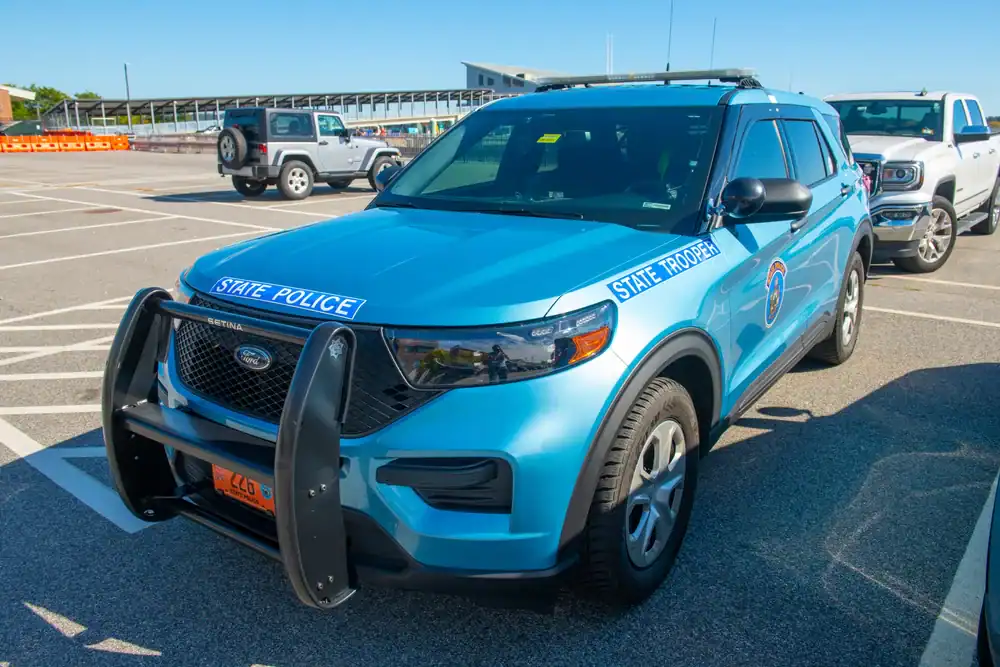
Most of the Ford Police Interceptor Utility models we sell have between 100,000 and 150,000 miles on them. That’s higher than what you’d see on a typical used car lot, but it’s also expected for a vehicle that’s been in active fleet service.
The mileage alone doesn’t tell the full story. Police vehicles accumulate a lot of idle hours, which means the engine has been running far longer than the odometer suggests. That’s something to be aware of. But these vehicles are also maintained on a strict schedule while they’re in service. Oil changes, brake inspections, and fluid checks happen regularly because departments can’t afford to have vehicles break down in the field.
What matters more than the mileage is the condition of the major components. Check the transmission, the brakes, the suspension, and the cooling system. Those are the parts that take the most abuse in a police vehicle, and they’re also the most expensive to replace if they’re worn out. We don’t rebuild or refurbish vehicles before selling them, so what you see is what you get. You’re buying a used cop car, not a restored one.
It depends on your insurance company. Some providers treat a used police car the same as any other used vehicle. Others flag it because of its history and either charge a higher premium or limit coverage options.
The best move is to call your insurance company before you buy and ask directly. Give them the VIN if you have it, or at least tell them you’re looking at a Ford Police Interceptor Utility or Crown Victoria that was used in law enforcement. Some companies won’t cover former police vehicles at all. Others will cover them but exclude certain types of damage. You want to know that upfront, not after you’ve already bought the vehicle.
If your current provider won’t cover it or charges too much, shop around. There are insurers that specialize in fleet vehicles and former police cars, and they’re usually more reasonable. The key is to have that conversation early so you’re not stuck with a vehicle you can’t legally drive.
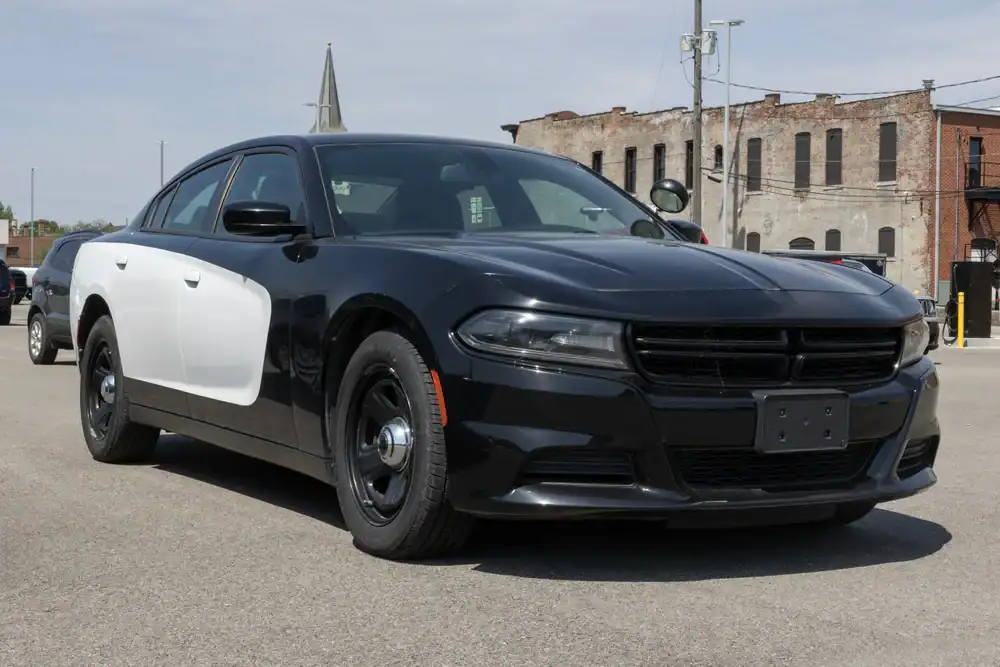
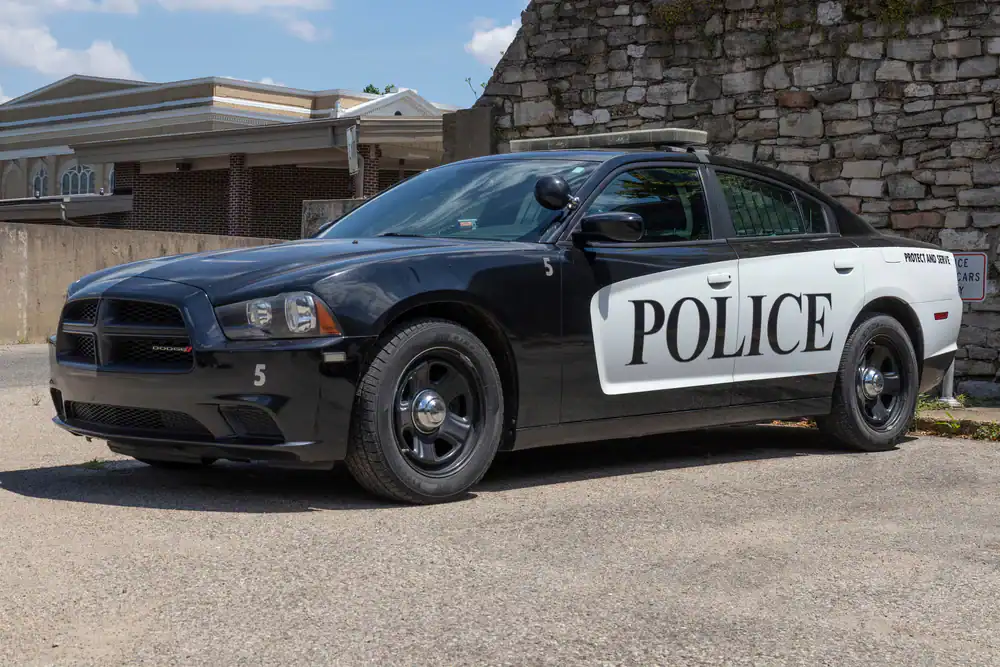
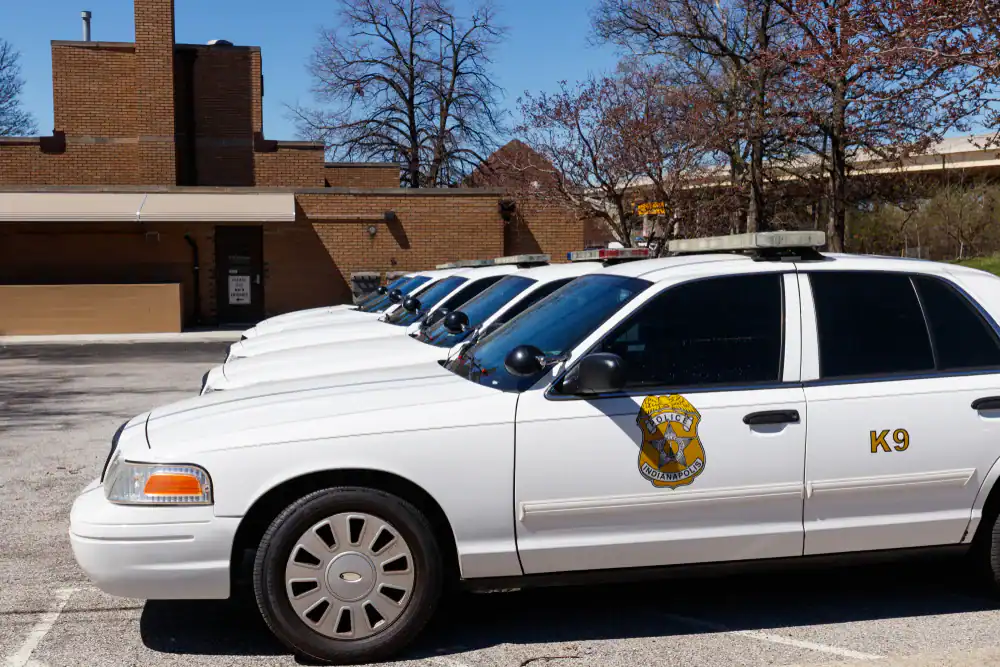
The Ford Crown Victoria Police Interceptor is a full-size sedan that Ford stopped producing in 2011. It’s rear-wheel drive, powered by a 4.6L V8, and it’s what most people picture when they think of a cop car. It’s durable, simple, and cheap to maintain, but it’s also old at this point. Any Crown Vic you buy today is going to have at least 12 years of wear on it.
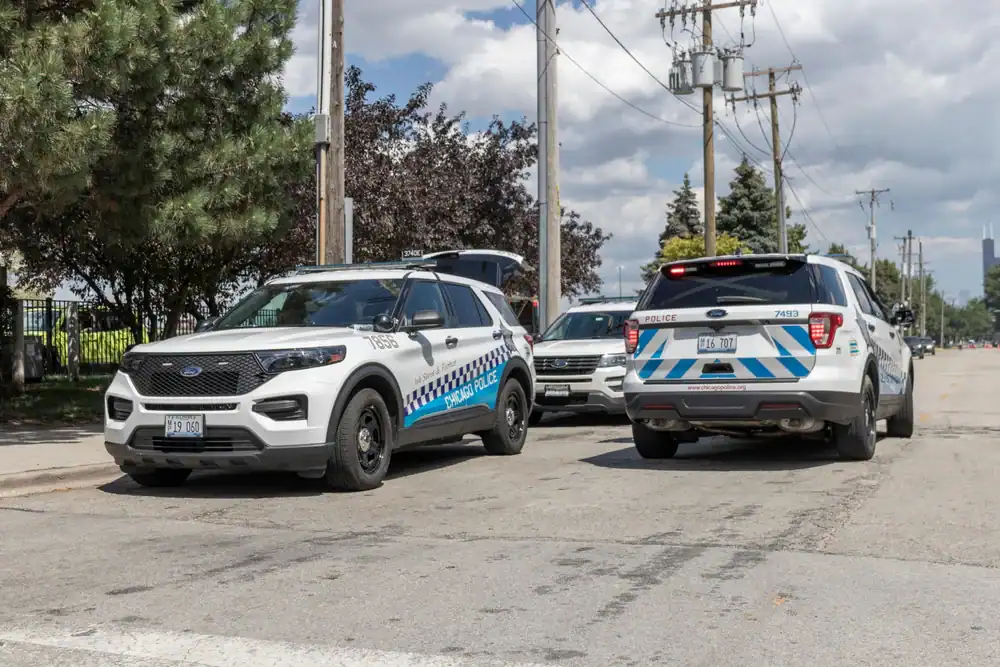
The Ford Police Interceptor Utility is the SUV that replaced the Crown Vic in most police fleets. It’s based on the Ford Explorer platform, but with significant mechanical upgrades. You get all-wheel drive, a more powerful engine, better handling, and more cargo space. It’s also newer, which means it’s more expensive but also more likely to have modern safety features and lower overall mileage.
If you’re deciding between the two, it comes down to what you need. The Crown Vic is cheaper and easier to work on, but parts are getting harder to find as the vehicles age. The Interceptor Utility costs more upfront but gives you a more capable vehicle that’s still being produced and supported by Ford. For most buyers in Troy, NY, the Utility makes more sense unless budget is the only factor.
You can run a standard vehicle history report using the VIN, and it will show you basic information like title status, reported accidents, and odometer readings. What it won’t show you is the detailed service history from when the vehicle was in police use.
Most law enforcement agencies don’t release maintenance records when they sell their vehicles. That means you won’t know exactly when the oil was changed, what repairs were done, or how many idle hours the engine has. You’re buying based on the current condition of the vehicle, not its documented history.
That’s why it’s important to inspect the vehicle carefully before you buy. Look for signs of fluid leaks, check the brake pads, test the transmission, and listen for any unusual noises from the engine or suspension. If you’re not comfortable doing that yourself, bring someone who is. A used cop car for sale is sold as-is, so you need to know what you’re getting into before you hand over the money.
Not necessarily. In some ways, they’re actually cheaper to maintain because they don’t have as many electronic systems or luxury features that can break. The components that are on the vehicle are heavy-duty, which means they’re built to last longer under hard use.
That said, when something does need to be replaced, you’re dealing with parts that have been pushed harder than they would be in a civilian vehicle. The brakes wear out faster because they’ve been used for high-speed stops. The transmission has been cycled through more shifts. The cooling system has worked overtime during long idle periods. Those are the areas where you’ll likely see higher maintenance costs over time.
The good news is that parts are widely available and relatively affordable. Ford Police Interceptor Utility models share most of their components with the civilian Explorer, so you’re not hunting down specialty parts. Any mechanic who works on Fords can handle the repairs. If you’re handy, you can do a lot of the basic maintenance yourself. The vehicles are straightforward to work on, and there’s a huge online community of former police car owners who share repair guides and advice.
The price reflects the condition and history of the vehicle. A used patrol car for sale has high mileage, visible wear, and a service record that includes hard driving and constant use. Those factors all reduce resale value, even though the mechanical components are often in better shape than you’d expect.
There’s also a perception issue. A lot of buyers don’t want a former police vehicle because they assume it’s been beaten up or because they don’t like the association. That limits the market, which drives the price down. For buyers who don’t care about cosmetic issues or the vehicle’s history, that’s an advantage. You’re getting a Ford Interceptor for sale at a steep discount compared to what you’d pay for a civilian SUV with similar capabilities.
The other factor is that police departments sell these vehicles in volume. They’re not trying to maximize profit on each sale. They’re trying to move inventory quickly so they can replace their fleet with newer models. That creates opportunities for buyers who know what they’re looking for and aren’t scared off by high mileage or a few dents.
Other Services we provide in Troy