
Hear from Our Customers
You’re looking at vehicles that were built for punishment and maintained like clockwork. Every Ford police interceptor utility in our inventory comes from one-owner government fleets—agencies that followed strict maintenance schedules because downtime wasn’t an option.
These aren’t mystery boxes from online auctions. You get to see the vehicle, ask questions, and understand what you’re buying before you commit. No bidding wars with used car dealers who do this for a living. No “as-is” gamble where you’re crossing your fingers that the engine doesn’t have 10,000 idle hours you can’t see on the odometer.
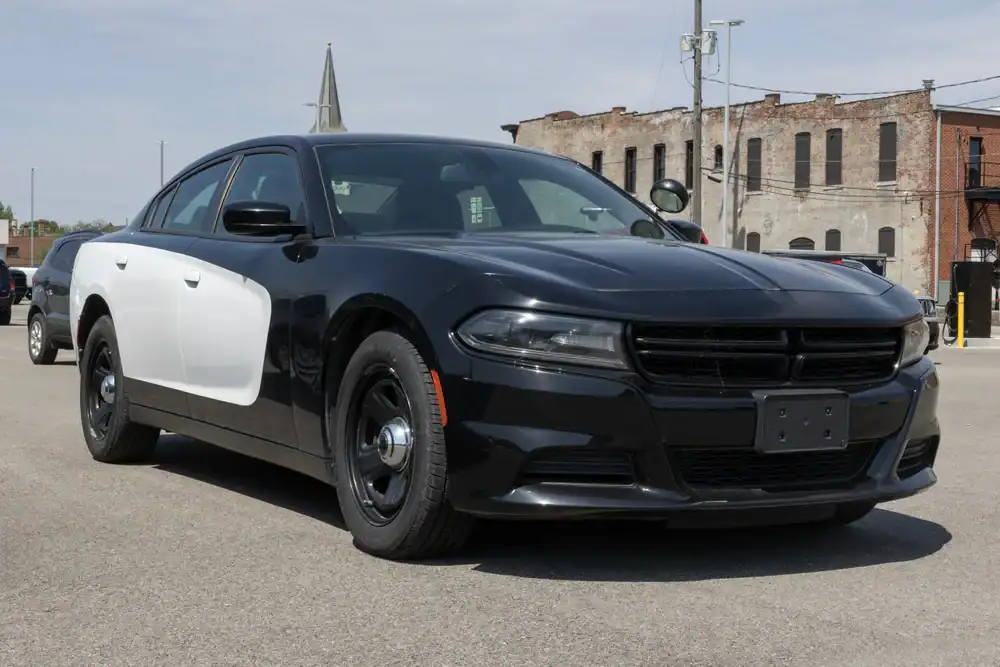
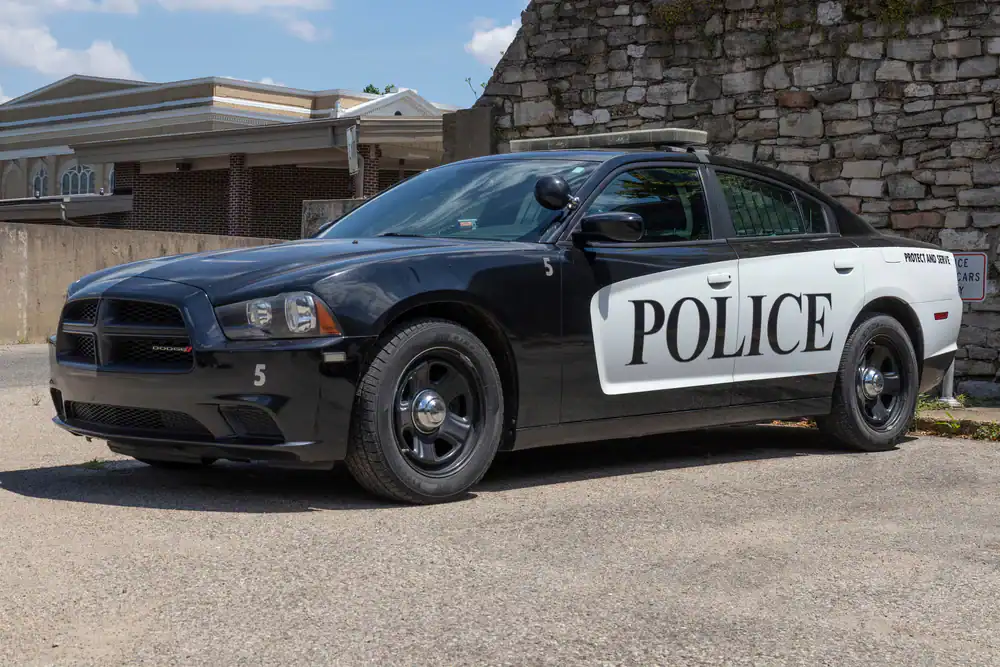
What you get is a heavy-duty vehicle with powerful engines, reinforced suspension, and components designed for high-speed pursuits—sold at a fraction of what you’d pay for a comparable civilian model. The Ford Crown Interceptor and newer Police Interceptor Utility models were built to handle what most vehicles can’t. Now they’re available to you at prices that reflect their mileage, not their capability.
We’ve been specializing in one-owner government fleet vehicles for more than three decades. We work directly with municipalities and law enforcement agencies across New York and beyond, which means you’re getting access to professionally maintained cop cars for sale without the auction hassle.
We’re based in White Plains, serving Westchester County and the greater New York metro area. Since New York State began selling retired fleet vehicles through online auctions in 2024, the market has gotten more crowded—but also more confusing. You’re competing against professional dealers who know how to spot problems fast and bid accordingly.
That’s where we come in. We source these vehicles in bulk, inspect them, and make them available to you directly. No auction pressure. No hidden fees. Just straightforward access to used patrol cars for sale that have been vetted before they hit our lot.
First, you browse our current inventory of Ford police interceptor utility vehicles and other models. You’ll see mileage, year, and key details upfront—no guessing games about what’s available or what condition it’s in.
When something catches your eye, you come see it in person at our White Plains location. You can inspect it, ask questions about its service history, and get a real sense of what you’re buying. These vehicles come with professional maintenance records because agencies don’t skip oil changes or let brake jobs slide.
Once you’ve made your decision, we handle the paperwork and get you on the road. If you’re not local, we ship vehicles nationwide—over 500 annually to buyers who want the value of a used cop car without traveling to multiple auctions or dealing with online bidding platforms. You’re buying from a dealer who specializes exclusively in these vehicles, which means we know what to look for and what to avoid.
Ready to get started?
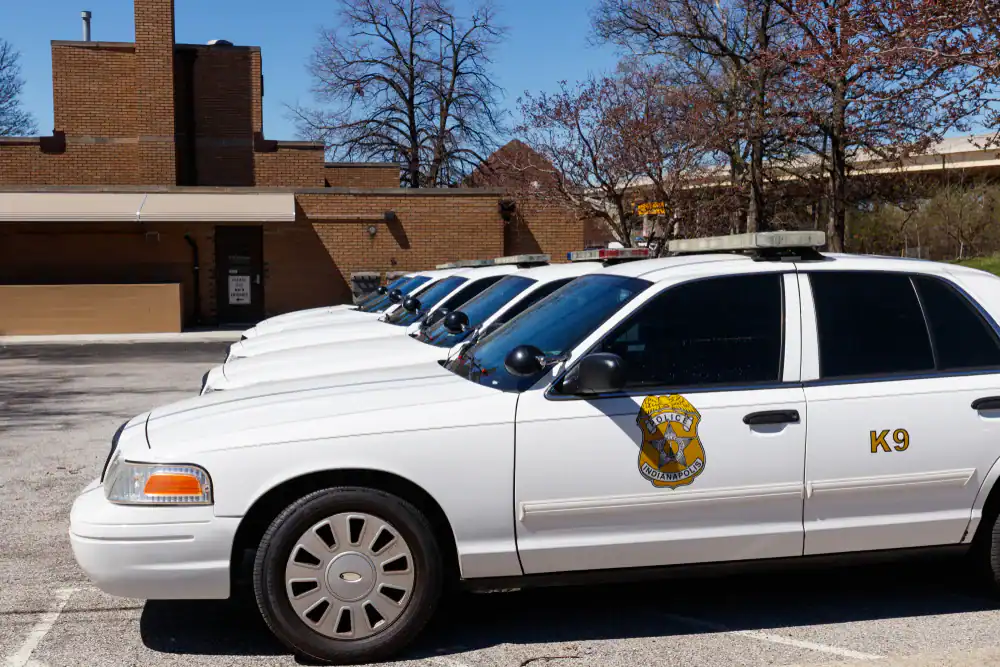
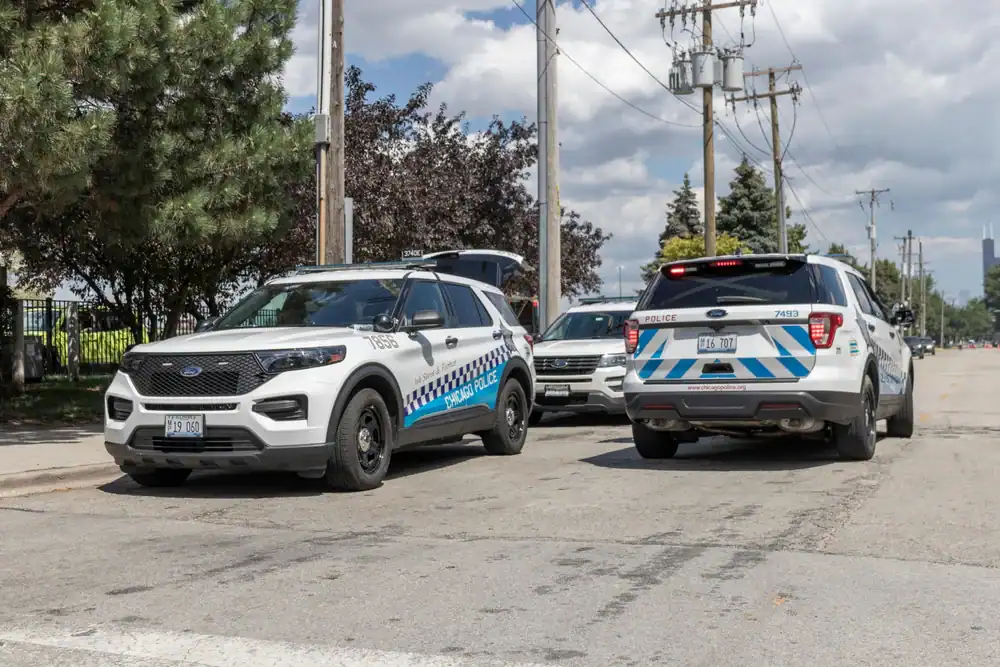
Our inventory focuses on Ford police interceptors—both the Crown Interceptor sedans and the newer Police Interceptor Utility SUVs. These are the vehicles that dominate law enforcement fleets across the U.S. and Canada for good reason. Ford builds them with heavy-duty alternators, reinforced cooling systems, stronger steel wheels, and suspension systems designed for severe duty cycles.
You’ll find a range of model years and mileage, but every vehicle shares the same foundation: it was built for performance and maintained by professionals. The Police Interceptor Utility became one of the most prevalent police vehicles in the United States because it delivers the space, power, and durability agencies need. Now that law enforcement is moving toward newer models, you get access to these proven workhorses at prices well below their civilian equivalents.
In the White Plains area, you’re seeing more buyers recognize the value here—especially families who need reliable transportation, first-time buyers working with tight budgets, and enthusiasts who appreciate the performance engineering. The market for used police vehicles is growing because people are realizing these aren’t clapped-out fleet cars. They’re professionally maintained machines that were built to last, now available at a significant discount because of their service history and mileage.
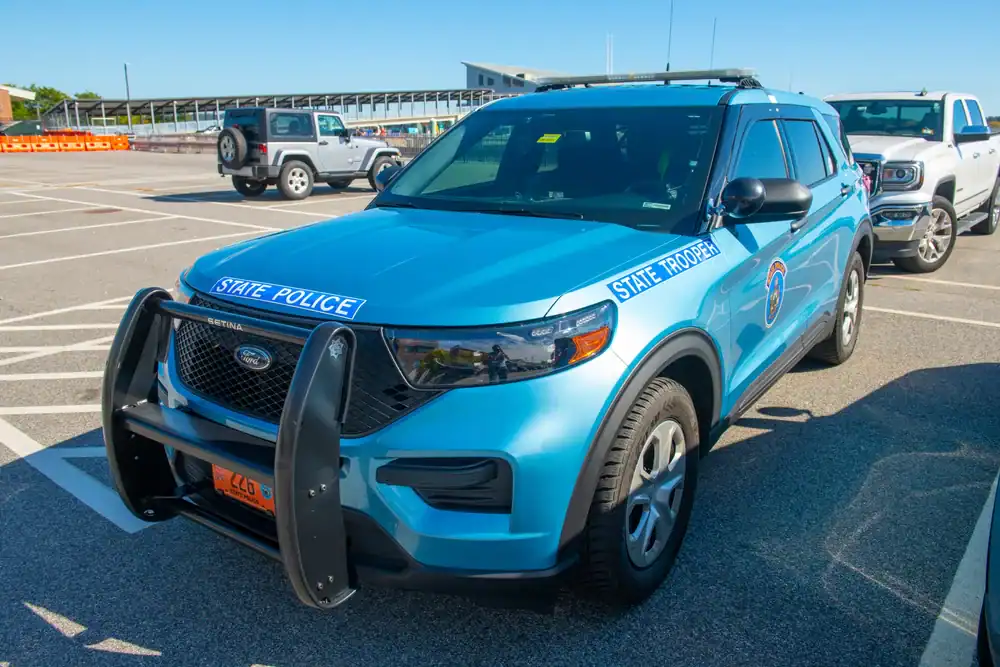
Most used cop cars for sale have between 80,000 and 120,000 miles on the odometer, though you’ll occasionally see lower or higher depending on the agency and how the vehicle was used. But here’s what matters more than the number: these miles were accumulated under professional maintenance schedules that most civilian vehicles never see.
Agencies follow strict service intervals because a breakdown isn’t just inconvenient—it’s a safety issue. That means regular oil changes, brake inspections, fluid replacements, and component checks happened like clockwork. The miles are real, but so is the maintenance history.
The bigger concern with police vehicles isn’t highway miles—it’s idle hours. Many of these vehicles spent significant time idling, which doesn’t show up on the odometer but does create wear on the engine and accessories. That’s why buying from a dealer who understands these vehicles matters. We can talk through a vehicle’s actual use case and help you understand what you’re really getting, not just what the odometer says.
In most cases, yes—but not for the reasons people assume. It’s not that police vehicles are indestructible. It’s that they were maintained consistently and built with heavy-duty components from the factory. A Ford police interceptor utility has a more robust cooling system, a higher-output alternator, and a reinforced suspension compared to the civilian Explorer from the same year.
When you’re comparing a used patrol car to a similarly priced civilian vehicle with the same mileage, you’re often looking at a car that was maintained by a professional fleet versus one that may or may not have seen regular service. The odds are in your favor that the police vehicle will be more reliable over time, assuming it wasn’t abused in its final years of service.
That said, these vehicles were worked hard. They’ve been through high-speed driving, constant idling, and daily use that most personal vehicles never experience. The key is buying from someone who sources carefully and can tell you what to watch for. Not every retired police car is a good buy, but the right ones offer exceptional value for buyers who need dependable transportation without paying retail prices.
At a government auction, you’re competing against professional used car dealers who assess vehicles quickly and know exactly what they’re willing to pay. You’ll have limited time to inspect, little to no information about maintenance history beyond what’s listed, and you’re buying “as-is” with no recourse if something’s wrong. Most auctions are full of people who do this for a living, which means the best deals often go to those who know how to spot them fast.
When you buy from us, you’re getting vehicles we’ve already sourced, inspected, and made available without the auction pressure. You have time to look things over, ask questions, and make an informed decision. We work directly with agencies and buy in bulk, which means we can pass along savings without the competitive bidding environment.
You also get transparency. We’re not hiding behind an auction listing with minimal details. You can see the vehicle in person, understand its history, and know what you’re buying before you commit. For buyers who aren’t professional dealers, that’s a significant advantage—and often worth more than trying to save a few hundred dollars at auction only to discover costly issues later.
Yes, most lenders will finance a used cop car just like any other used vehicle, though some may have restrictions based on age or mileage. The key is working with a lender who understands that these vehicles, while higher mileage, often have better maintenance histories than comparable civilian cars.
We can point you toward financing options that work with our inventory, but it’s worth shopping around to see what rates you qualify for. Some buyers come in with pre-approval from their bank or credit union, which makes the process faster. Others prefer to explore financing after they’ve selected a vehicle.
Keep in mind that because these vehicles are priced below market value for their capability, you may find that financing is easier to manage than it would be for a similarly equipped civilian SUV or sedan. The lower purchase price means lower monthly payments, even if the interest rate isn’t perfect. For buyers working with a tight budget, that difference can be significant—especially when you factor in the reliability and durability you’re getting.
Not usually, but it depends on your insurance company and how they classify the vehicle. Some insurers see “police interceptor” and assume higher risk, while others treat it like any other used Ford Explorer or sedan. The best move is to get quotes before you buy so you know exactly what you’re looking at.
In many cases, insurance costs are comparable to civilian versions of the same model because the vehicle identification number reflects the base model—Explorer, Taurus, or Crown Victoria—rather than a specialty classification. The police package is a factory option, not a separate model in the eyes of most insurers.
That said, if you’re a younger driver or have a less-than-perfect driving record, some companies may charge more because of the performance capability. These vehicles were built for pursuit driving, and insurers know that. The flip side is that they’re also built with safety in mind—Ford’s Police Interceptor models are the only vehicles tested to meet the 75-mph rear-impact crash standard, which some insurers recognize as a safety advantage. Get quotes from multiple companies and mention the vehicle’s government fleet history. You might be surprised at how reasonable the rates are.
Start with the basics: check for fluid leaks, listen for unusual engine noises, and test all the electronics. Police vehicles have heavy electrical demands from radios, lights, and computers, so alternators and batteries can be worn. Make sure the air conditioning works—these vehicles idled a lot, and AC compressors take a beating during idle time.
Look at the interior condition. Worn seats and scuffed surfaces are normal, but you want to see that the vehicle was cared for overall. Check the brakes—police cars go through brake components faster than civilian vehicles because of the stop-and-go nature of patrol work. If the brakes feel spongy or make noise, factor that into your decision.
Finally, ask about idle hours if that information is available. Some agencies track this, others don’t. High idle hours mean more engine wear than the odometer suggests, but it’s not a dealbreaker if the maintenance was solid. When you buy from us, we can walk you through what to look for and answer questions about each vehicle’s history. That’s the advantage of buying from a dealer who specializes in these vehicles rather than trying to figure it out on your own at an auction.
Other Services we provide in White Plains