
Hear from Our Customers
You’re not buying someone’s neglected trade-in. These retired cop cars for sale come from professional fleets where maintenance wasn’t optional—it was mandated. Every oil change, every brake job, every inspection happened on schedule because departments can’t afford downtime.
That means you’re getting a vehicle that’s been driven hard, yes, but also maintained better than most civilian cars ever will be. The Ford Police Interceptor models in our inventory feature upgraded braking systems, reinforced suspension, and all-wheel drive as standard. These aren’t luxury features added for comfort—they’re performance upgrades installed because the job demanded it.
The price difference matters too. You’re looking at $5,000 to $15,000 for a vehicle that would cost double or triple as a civilian model with similar mileage. That’s not a discount for damaged goods—it’s the reality of fleet vehicle pricing once they’re retired from service.
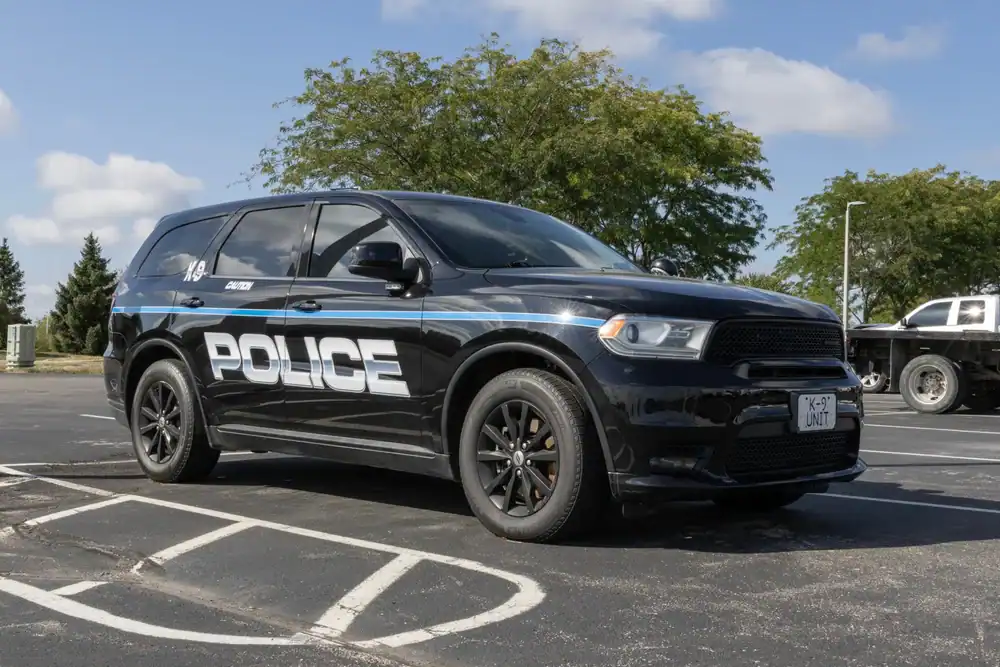
We focus exclusively on pre owned police cars for sale. While other dealerships in the Auburn and Central New York area carry a little bit of everything, we’ve built our inventory around one thing: retired law enforcement vehicles that still have plenty of life left.
Auburn sits between Syracuse and Rochester, and we serve buyers throughout the Finger Lakes region who understand what these vehicles offer. You’re not walking onto a lot where the salesperson knows nothing about police interceptors. You’re dealing with people who understand fleet maintenance schedules, pursuit-rated components, and what to look for when a cruiser gets decommissioned.
We don’t pretend these cars are perfect. They have higher mileage than your average used sedan. But they also have maintenance histories most used cars can’t touch, and that matters more than odometer numbers when you’re talking about long-term reliability.
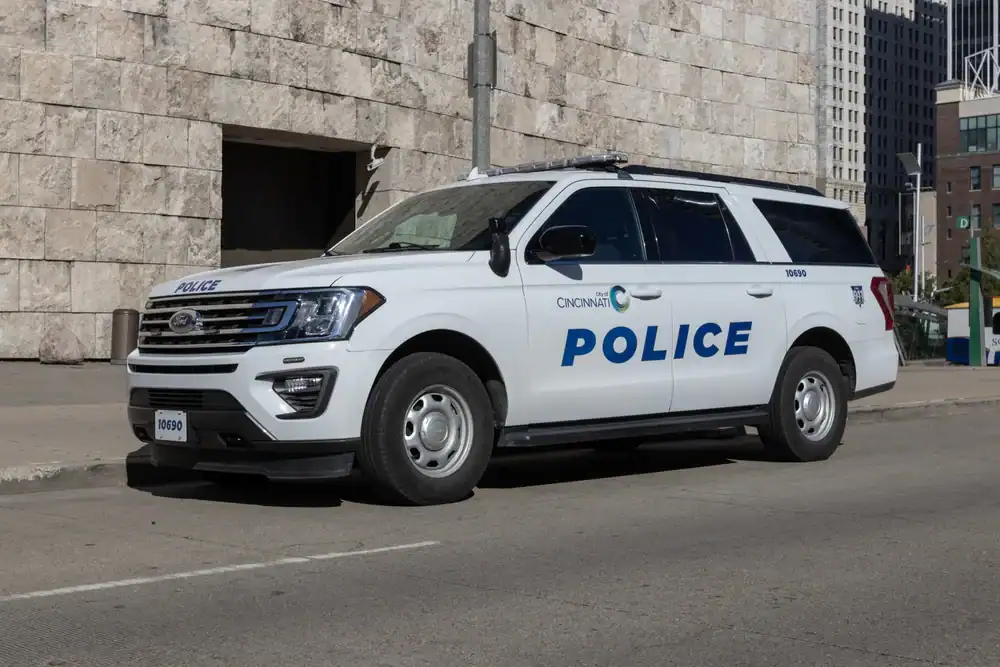
You start by checking our current inventory of used cop cars. We list what’s available, including year, model, mileage, and any notable features or modifications. Most of what you’ll see are Ford Police Interceptor Utilities and Sedans—the vehicles that dominate municipal fleets across New York State.
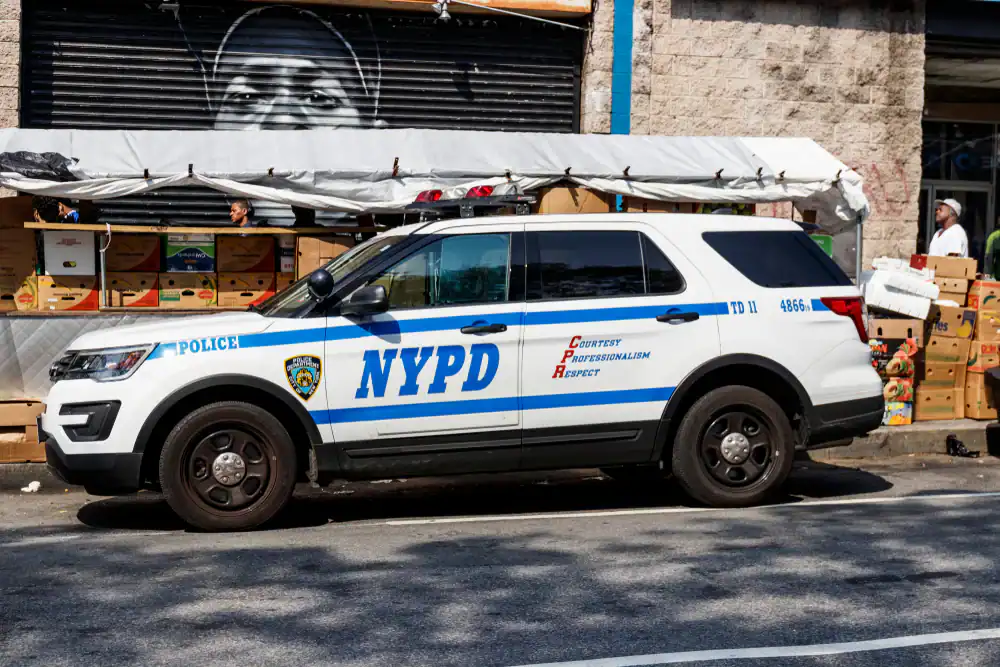
Once you find something that fits what you’re looking for, you can come see it in person. You’ll notice things like spotlight mounts, reinforced door panels, and heavy-duty electrical systems. Some vehicles still have partition mounts or console modifications. That’s normal. You’re buying a former work vehicle, not a showroom model.
If you decide to move forward, the purchase process works like any used car sale. You’ll get the title, registration paperwork, and any maintenance records we have from the department. Some buyers ask about insurance—yes, you can insure a former police car. Some carriers charge slightly more, others don’t care. It’s worth calling your agent before you buy, but it’s rarely a dealbreaker.
Ready to get started?
Our lot focuses on Ford Police Interceptors because that’s what departments across New York actually use. The Police Interceptor Utility dominates—it’s the Explorer-based SUV with standard all-wheel drive, and it’s what replaced the Crown Victoria as the go-to patrol vehicle. You’ll also see Police Interceptor Sedans, which are based on the Taurus platform and offer similar performance in a lower-profile package.
These aren’t stripped-down base models. Police-spec vehicles come with upgraded alternators to handle radio equipment and lights, heavy-duty cooling systems, and calibrated suspensions that can handle pursuit driving and rough roads. The seats might be worn and the interior might be basic, but the mechanical components are overbuilt compared to civilian versions.
Mileage varies. Some retired cruisers come off the line with 80,000 miles, others with 120,000 or more. But here’s what matters in Auburn’s climate—many of these vehicles spent their service life in upstate New York, which means they’re already proven in snow, ice, and salt. If a police interceptor survived several winters of municipal use around here, it’s going to hold up for you too.
Pricing typically ranges from $8,000 to $15,000 depending on age, mileage, and condition. That’s significantly below what you’d pay for a civilian SUV with comparable years and miles, and you’re getting a vehicle with a documented maintenance history instead of someone’s word that they “took good care of it.”
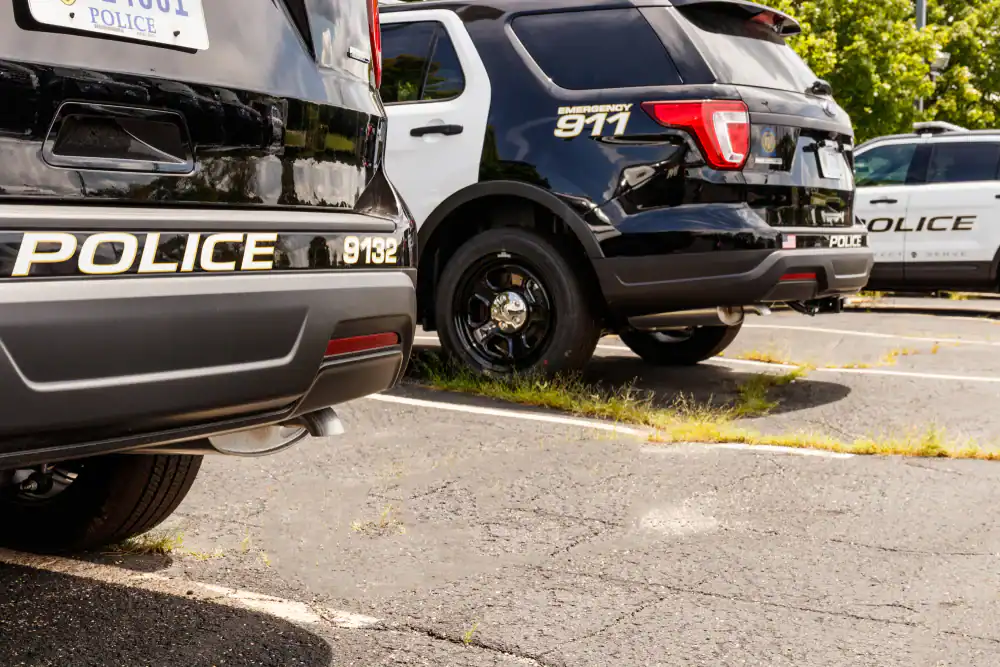
They’re more reliable than most used cars you’ll find at that price point. Yes, police vehicles get driven hard—lots of idling, quick accelerations, constant stop-and-go in urban areas. But they also get maintained on strict schedules that civilian vehicles rarely see.
Departments can’t afford breakdowns, so they stay on top of oil changes, brake replacements, transmission services, and tire rotations. Many cruisers get major components replaced before retirement—new transmissions, fresh engines, or updated electrical systems—because the department needed them road-ready until the last day of service.
What you’re buying is a vehicle that’s been used heavily but maintained professionally. That’s a better bet than a civilian car with lower miles but spotty maintenance records and no documentation. The Ford Police Interceptor platform is also proven—these vehicles are tested to standards civilian cars never see, including a 75-mph rear-impact crash test that only police vehicles undergo.
Yes, but you should call your insurance agent before you buy. Most major carriers will insure former police vehicles without issue. Some might charge a slightly higher premium because of the vehicle’s history, but many don’t differentiate at all once the police equipment is removed.
The key is transparency. When you’re getting a quote, mention that it’s a retired police interceptor. Some companies worry about modified vehicles, but police cars aren’t modified in the same way a tuner car is—the changes are factory-spec upgrades, not aftermarket alterations.
If your current insurer won’t cover it or quotes something unreasonable, shop around. There are plenty of carriers familiar with former fleet vehicles, and you’ll likely find competitive rates. It’s rarely a dealbreaker, but it’s worth confirming before you commit to a purchase so you know exactly what your total cost of ownership will be.
It depends on the vehicle and your local regulations. Most retired police cars we sell to civilians have already had emergency lights and sirens removed. If they haven’t, you’ll need to take them out—operating a vehicle with active emergency equipment is illegal for non-law enforcement.
Some states require you to repaint the vehicle if it still has police markings or a black-and-white paint scheme. New York doesn’t have a statewide law requiring this, but it’s smart to remove any decals or markings that could be mistaken for an active police vehicle. Most buyers either repaint or leave the solid color as-is if it’s a standard fleet color.
You might also want to remove interior equipment like partition mounts, console brackets, or spotlight controls if they’re still installed. These aren’t required removals, but they free up space and make the interior more practical for personal use. None of this is complicated work—it’s mostly unbolt-and-remove, not custom fabrication.
The number matters less than the maintenance history. A police car with 100,000 miles and documented service records is a better buy than a civilian car with 60,000 miles and no paperwork. Fleet vehicles rack up miles quickly, but they’re also serviced at intervals most personal vehicles never see.
Police interceptors are also built for high-mileage use. The engines, transmissions, and cooling systems are rated for extended idling and heavy-duty cycles that would wear out a standard consumer vehicle. A Crown Victoria or Police Interceptor Utility with 120,000 miles isn’t near the end of its life—it’s barely broken in by fleet standards.
What you should look for is how the vehicle was used. Highway patrol cars tend to have higher miles but less wear because they spend more time cruising. City patrol cars might have lower miles but more engine hours from idling. Both can be solid purchases if they were maintained properly, which is why service records matter more than the odometer reading.
You’re typically looking at $8,000 to $15,000 for a retired police interceptor in decent condition. That range covers most Ford Police Interceptor Utilities and Sedans from the last decade with mileage between 80,000 and 130,000 miles.
On the lower end, you’ll find older Crown Victorias or higher-mileage Interceptor Sedans that still run strong but show their age cosmetically. On the higher end, you’re looking at newer Police Interceptor Utilities with lower miles, better interior condition, and fewer years of service.
Compare that to civilian SUVs in the Auburn area—a used Ford Explorer with similar age and mileage typically runs $18,000 to $25,000, and you won’t get the upgraded components or maintenance documentation. The price difference isn’t because police cars are inferior—it’s because fleet vehicles depreciate faster and departments sell them in volume. You’re getting a better vehicle for less money if you’re willing to accept higher mileage and a more utilitarian interior.
In most cases, yes. Departments that sell their retired vehicles often provide maintenance logs or service summaries, and we pass those along when available. You’ll see records of oil changes, brake work, tire replacements, and any major repairs done during the vehicle’s service life.
These records aren’t always complete—some departments keep digital records that don’t transfer easily, and older vehicles might have incomplete documentation. But you’ll typically get enough information to see that the vehicle was maintained on schedule and what major work was done before retirement.
If records aren’t available for a specific vehicle, that’s worth considering in your decision. A police car without documentation is still likely better maintained than most civilian used cars, but records give you confidence and help you plan for future maintenance. Ask to see what’s available before you buy, and factor that into your decision alongside price and condition.
Other Services we provide in Auburn