
Hear from Our Customers
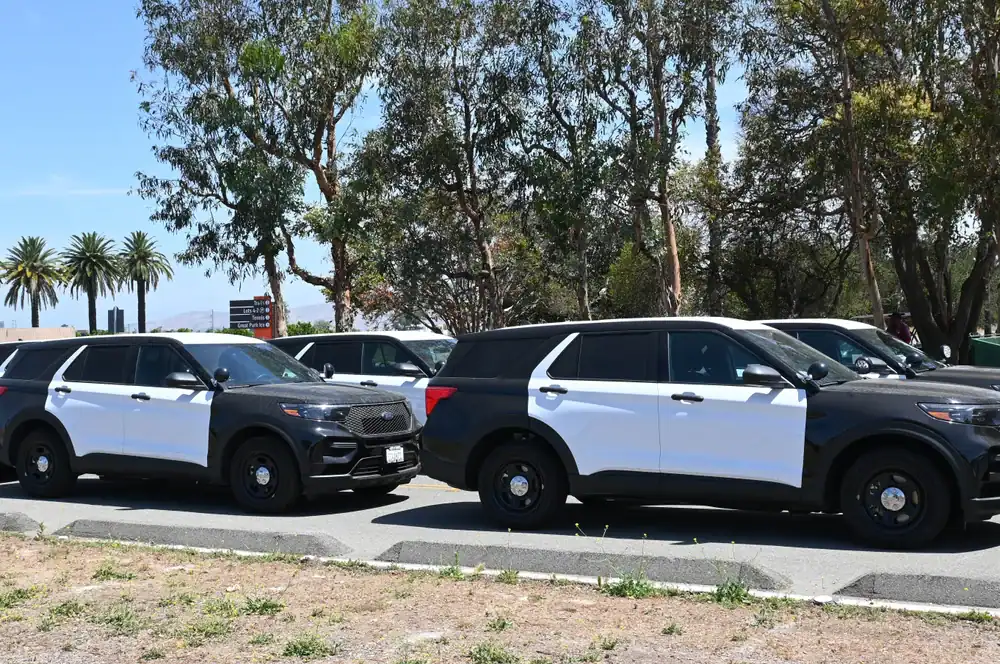
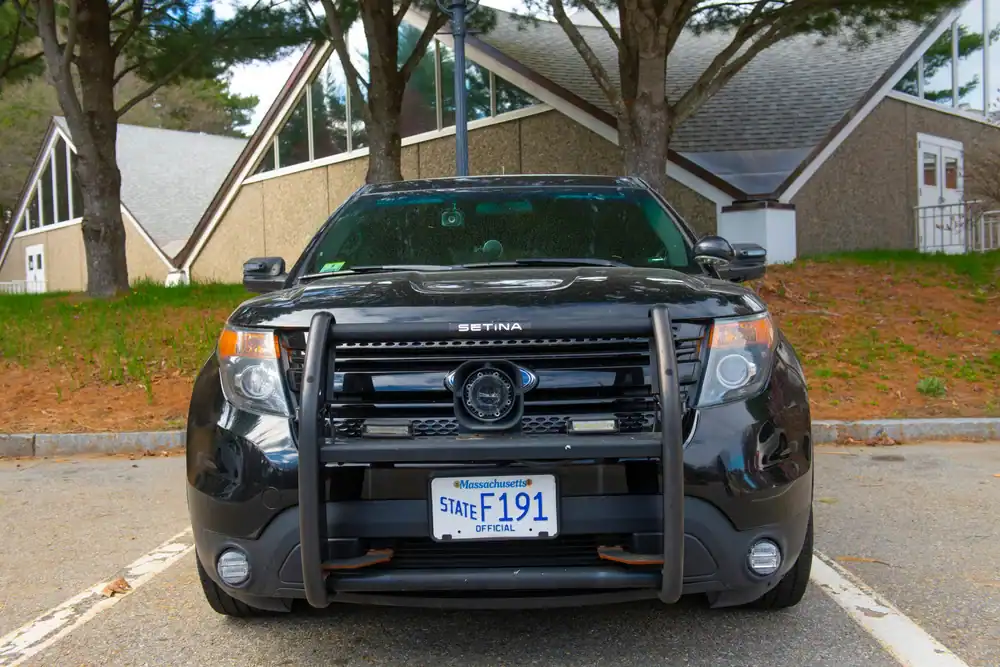
You’re not looking for just any used car. You want something that can handle Erie winters, something with actual power under the hood, and something that won’t fall apart after a year. That’s exactly what a Ford Interceptor delivers.
These aren’t your typical used vehicles. Every Ford Police Interceptor Utility and Ford Explorer Police Interceptor we sell comes with heavy-duty suspension, reinforced components, and engines built to handle high-speed pursuits. That means you get a vehicle designed to outlast standard consumer models—without paying new car prices.
Most of our inventory comes from government surplus and police auctions. These vehicles were maintained on strict schedules and retired after 75,000 to 100,000 miles. You’re getting a proven workhorse that’s been built to perform under pressure, now available at prices that make sense for your budget.
We specialize exclusively in used police vehicles. We’re not a general used car lot trying to move whatever’s on the lot. We focus on one thing: getting quality Ford Interceptors, retired police vehicles, and government surplus cars into the hands of buyers in Erie and the surrounding areas.
Every vehicle we sell has a documented history. You’ll know where it came from, how it was used, and what kind of shape it’s in before you make a decision. We’re not here to oversell or hide anything—we’re here to give you straight answers about what you’re buying.
Erie drivers know what it takes to handle lake-effect snow, rough roads, and unpredictable weather. That’s why our inventory focuses on all-wheel-drive Ford Police Interceptor models that can handle whatever Pennsylvania throws at you.
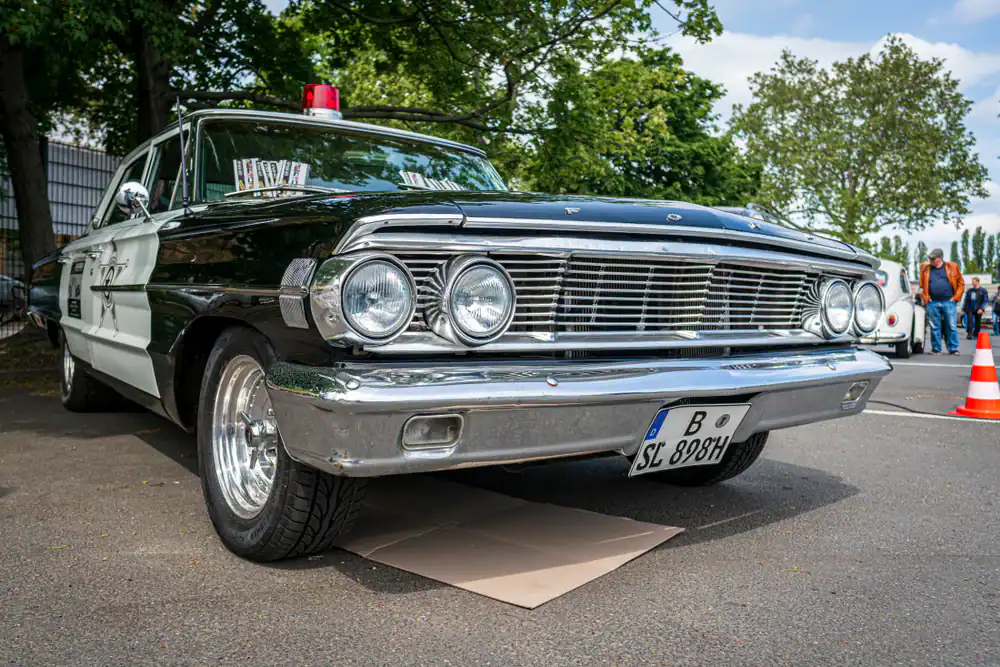
Start by browsing our current inventory of Ford Interceptors and other used cop cars for sale. Each listing includes details about the vehicle’s history, mileage, and condition. If something catches your eye, reach out and we’ll walk you through what that specific vehicle offers.
When you visit our lot, you’ll get a chance to inspect the vehicle yourself. We encourage it. Pop the hood, check the interior, take it for a test drive. These are former police vehicles—they’ve been used hard, but they’ve also been built to take it. You’ll see exactly what you’re getting.
Once you’ve found the right fit, we handle the paperwork and get you on the road. No hidden fees, no last-minute surprises. You’ll know the full price upfront, and we’ll make sure you understand what you’re buying before you sign anything. Most buyers leave the same day they find their vehicle.
Ready to get started?
Ford Police Interceptors aren’t just regular Explorers or Tauruses with a different badge. They’re pursuit-rated vehicles that meet strict federal standards. That includes a 75-mph rear-impact crash test—something no civilian vehicle is required to pass. You’re getting engineering that prioritizes durability and safety at speeds most cars will never see.
Under the hood, you’ll find heavy-duty alternators, reinforced cooling systems, and engines calibrated for performance. The suspension is stiffer, the brakes are larger, and the wheels are steel—not alloy. These aren’t cosmetic upgrades. They’re functional improvements designed to handle severe duty cycles, high-speed chases, and constant use.
Inside, you’ll find heavy-duty cloth seats, steel intrusion plates, and simplified controls. Some vehicles still have the spotlight mounts or console brackets from their police days. It’s not luxury, but it’s built to last. And in Erie, where salt, snow, and rough roads are part of life, that durability matters more than leather seats.
Most of our Ford Interceptors come with standard all-wheel drive, which is a major advantage during Erie’s brutal winters. You’re not paying extra for it—it’s already built in. Combined with the heavy-duty components, you’re looking at a vehicle that can handle whatever the weather or the road throws at you.
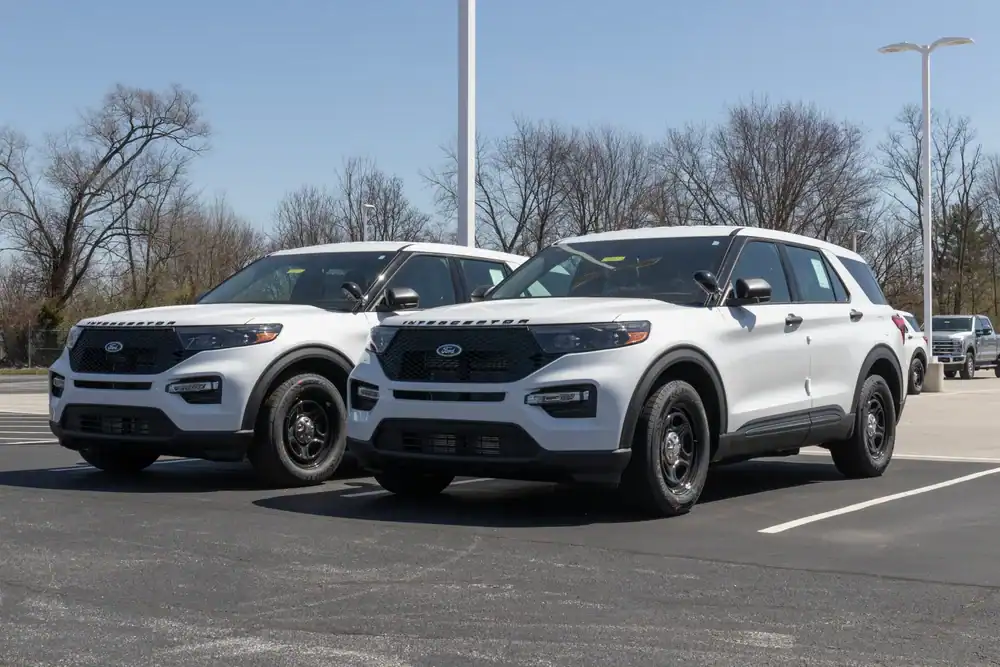
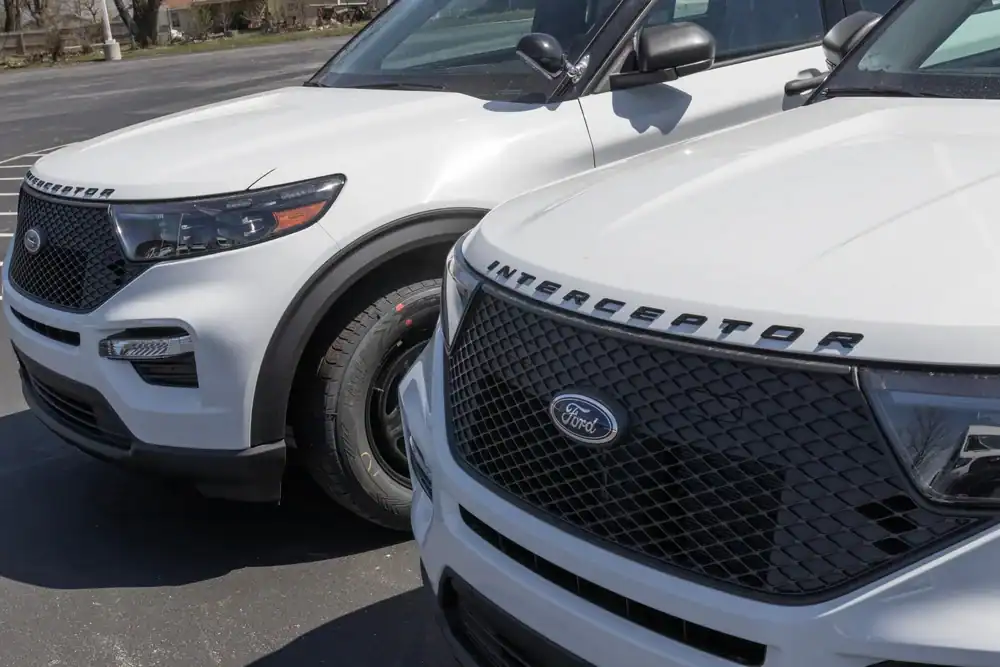
The Ford Police Interceptor Utility is based on the Explorer platform, but it’s far from identical. Police Interceptors are pursuit-rated, meaning they meet federal standards for high-speed performance, durability, and crash safety that civilian models don’t have to meet.
You’ll find a more powerful engine, a heavy-duty transmission, reinforced suspension, and upgraded brakes. The cooling system is built to handle extended idling and high-speed driving without overheating. The electrical system includes a heavy-duty alternator to support lights, radios, and other equipment that police departments use.
Structurally, Police Interceptors have steel intrusion plates in the doors and a reinforced frame. They’re tested to withstand a 75-mph rear-impact crash—a standard that doesn’t apply to consumer vehicles. The result is a vehicle that’s tougher, more capable, and built to last longer under demanding conditions.
Police vehicles get used hard, but they also get maintained on strict schedules. Most departments follow manufacturer-recommended service intervals religiously because downtime isn’t an option. Oil changes, brake inspections, fluid checks—these happen like clockwork.
When a police department retires a vehicle, it’s usually because they’ve hit a mileage cap or a budget cycle, not because the vehicle is falling apart. Most of the Ford Interceptors we sell have between 75,000 and 100,000 miles, which is relatively low considering how well they’ve been maintained.
That said, these aren’t showroom-condition vehicles. They’ve been driven in all weather, they’ve idled for long periods, and they show wear on the interior. But the mechanical components—engine, transmission, suspension—are built to handle far more abuse than a typical consumer vehicle ever sees. You’re getting a proven platform with a documented service history.
Yes. Ford Police Interceptors share most of their parts with their civilian counterparts, so finding what you need is straightforward. A Ford Police Interceptor Utility uses the same engine, transmission, and suspension components as a regular Explorer, which means parts are widely available at Ford dealerships and auto parts stores.
Some police-specific components—like heavy-duty alternators or reinforced mounts—might require ordering from specialty suppliers, but those situations are rare. For routine wear items like brakes, filters, tires, and fluids, you’re looking at the same parts you’d use on any Ford SUV.
Because Ford has been building police vehicles for over 70 years and supplies more than 12,000 law enforcement agencies, the parts network is extensive. You’re not dealing with some obscure model that’s hard to support. These are mainstream vehicles with a deep parts infrastructure.
Start with the vehicle history. Ask where it came from, how many miles it has, and what kind of service records are available. Most police departments keep detailed logs, so you should be able to see what’s been done to the vehicle over its life.
Check the exterior for damage, but don’t be surprised by minor dents or scratches. These vehicles were working cars, not garage queens. What matters more is the condition of the frame, suspension, and undercarriage. Look for rust, especially if the vehicle came from a region that uses road salt.
Inside, expect wear on the seats and console. Some vehicles still have holes from equipment mounts or wiring from old radios. That’s normal. What you want to focus on is how the vehicle drives. Does the transmission shift smoothly? Are there any unusual noises from the suspension or brakes? Does the engine run clean without hesitation? Those are the things that matter long-term.
Police vehicles and government surplus cars sell for less because they’re sold in bulk at auctions, often with higher mileage and visible wear. Departments aren’t trying to maximize resale value—they’re clearing out inventory to make room for new vehicles. That creates an opportunity for buyers who know what they’re looking at.
The other factor is perception. Some buyers see “former police car” and assume it’s been beaten up or unreliable. That’s not accurate, but it does affect demand, which keeps prices lower. For buyers who understand what these vehicles actually offer, that’s a significant advantage.
You’re getting a vehicle with heavy-duty components, a documented service history, and proven durability—often for thousands less than a comparable civilian model. The trade-off is cosmetic wear and higher mileage, but if you’re focused on value and performance rather than appearances, it’s hard to beat.
Most Ford Police Interceptor Utility models come standard with all-wheel drive, which is a major advantage in Erie’s lake-effect snow and icy conditions. The system actively distributes power to the wheels with the most traction, giving you better control on slippery roads.
Beyond the drivetrain, the heavy-duty suspension and steel wheels are built to handle rough conditions. Police vehicles are designed to perform in all weather, all year long, without breaking down. That means reinforced components that can take the punishment of pothole-filled streets and salt-covered highways.
The weight and low center of gravity also help. These are heavier vehicles with a more planted feel than a sedan or lighter SUV. Combined with the all-wheel-drive system and performance tires, you’re looking at a vehicle that’s genuinely capable in winter weather—not just marketed that way.
Other Services we provide in Erie