
Hear from Our Customers
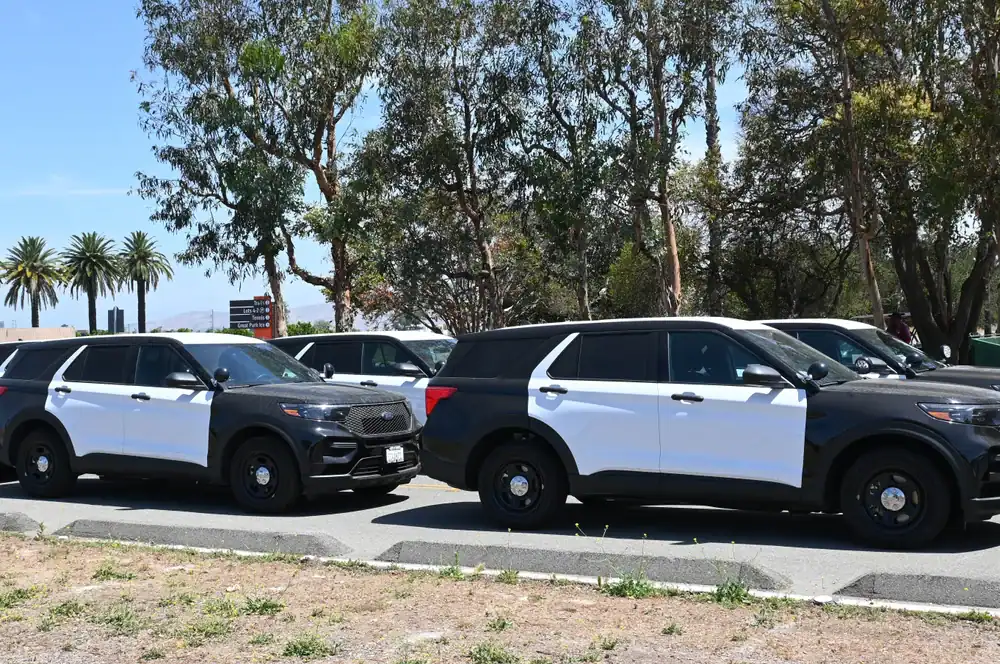
Most Ford police interceptor utility vehicles sell between $5,000 and $15,000. Compare that to similar civilian SUVs starting above $20,000, and you’re looking at serious savings on a vehicle built to higher standards than what rolls off a regular assembly line.
These aren’t stripped-down economy cars. Ford Explorer police interceptor models come with upgraded alternators, reinforced suspension, heavy-duty brakes, and engines tuned for high-stress situations. Law enforcement agencies don’t buy vehicles that might fail during a pursuit.
You’re getting a vehicle that was maintained on a schedule, not when something broke. Oil changes, brake inspections, fluid checks—all documented. That’s the difference between a fleet vehicle and someone’s personal car that may or may not have seen a mechanic regularly.
The mileage sits higher than average, typically 120,000 to 160,000 miles. But these are highway miles and idle time, not stop-and-go city driving that wears engines down faster. The odometer tells one story. The maintenance records tell another.
We operate out of Newark, serving buyers across Pennsylvania including Harrisburg and the surrounding metro area. We focus exclusively on used police cars for sale—Ford Interceptors, Dodge Chargers, and other retired law enforcement vehicles.
We don’t do the hard sell because we don’t need to. These vehicles move based on value, not persuasion. Our job is to show you what’s available, answer your questions honestly, and let you decide if a former police vehicle fits what you need.
Harrisburg sits in a market where the median household income is $47,783 and nearly 30% of residents live below the poverty line. That means affordability matters. We get that. It’s why we offer 0% interest financing to everyone, regardless of credit score. No credit, bad credit—doesn’t matter. If you want a Ford interceptor for sale, we’ll work with you.
Start by browsing available inventory online or visiting our lot. We post photos and vehicle details so you know what you’re looking at before you drive over. No surprises, no bait-and-switch.
When you find a Ford Crown Interceptor or Explorer that interests you, come see it in person. Check the interior for wear. Look at where equipment was mounted. Ask about the maintenance records. We’ll show you what we have.
If you want to move forward, we handle financing on-site. Zero percent interest means your monthly payment is just the purchase price divided by however many months you choose. No hidden fees buried in the interest rate.
Once financing is approved—and again, everyone gets approved—you handle registration and insurance like any other vehicle purchase. Some insurance companies hesitate on former police vehicles, so call your provider first. Most cover them without issue, but it’s worth confirming before you buy.
Drive it home the same day if everything checks out. The whole process takes a few hours, not days.
Ready to get started?
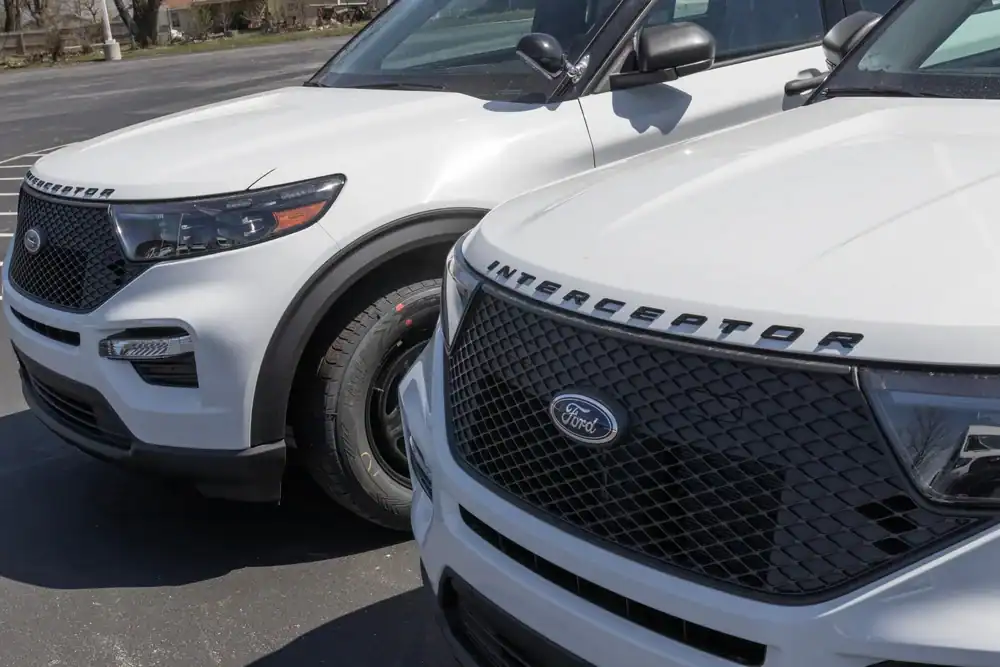
Ford dominates police vehicle sales across the U.S. and Canada. The Ford Explorer police interceptor utility is the most popular police vehicle in recent decades, and for good reason. It’s the only vehicle tested to meet the 75-mph rear-impact crash test standard. That’s not marketing—that’s engineering.
You’re buying a vehicle with a more powerful engine than the civilian version, upgraded electrical systems to handle lights and radios, reinforced suspension that won’t sag under weight, and brakes designed for repeated hard stops. These components don’t disappear when the light bar comes off.
The interior shows wear. Expect holes where equipment was bolted in, seats that have seen heavy use, and fewer luxury features than a retail model. These vehicles were built for function. If you want heated leather seats and a premium sound system, buy something else.
Parts are cheap and available everywhere. Because these are based on common Ford models, any auto parts store or salvage yard carries what you need. You’re not hunting down specialty components or paying dealer-only prices.
In Harrisburg’s market, where car ownership averages one vehicle per household and selling times for used cars have stretched longer into 2025, buyers have more negotiating power. But with police impound cars for sale, the price is already below market. There’s not much room to negotiate when you’re starting thousands below retail.
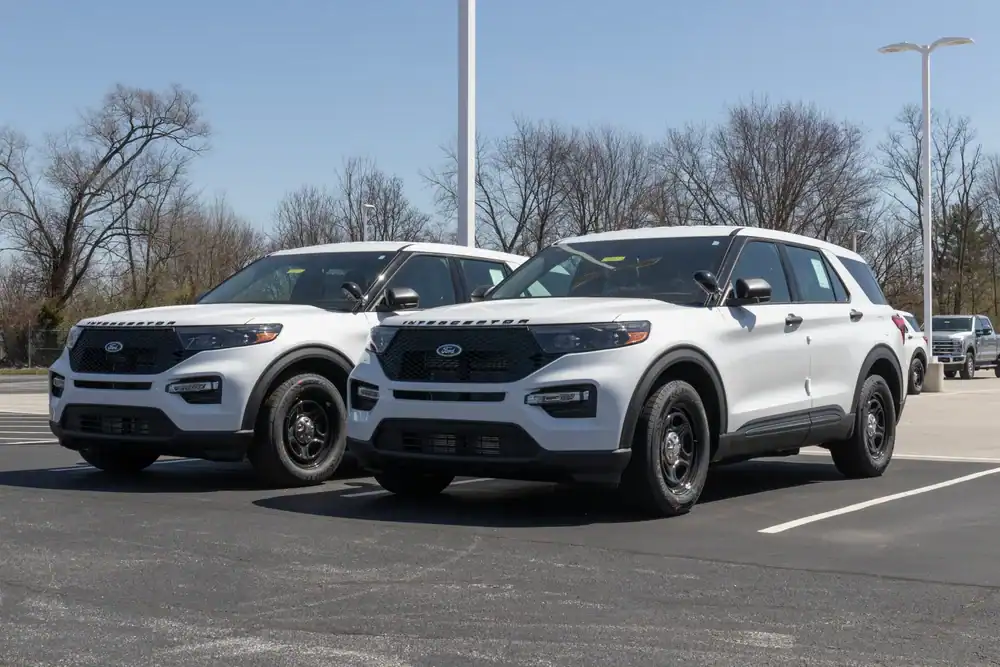
Police departments sell vehicles to make room for new fleet purchases, not to maximize profit. They’re government agencies, not dealerships. When a vehicle hits a certain mileage or age threshold, it gets auctioned or sold to dealers like us.
That means pricing reflects wholesale value, not retail markup. A comparable civilian Ford Explorer might list for $25,000. The same year and model as a police interceptor sells for $10,000 to $15,000. You’re saving the dealer markup, the retail lot premium, and the “low mileage” tax that civilian vehicles command.
The other factor is perception. Some buyers see high mileage and assume the vehicle is worn out. Others see the stripped interior and don’t want it. That reduces demand, which keeps prices low. But if you understand that highway miles and idle time don’t wear an engine the same way city driving does, and you don’t need luxury features, you’re getting a vehicle built to higher durability standards for half the price.
Expect 120,000 to 160,000 miles on most retired police vehicles. That’s higher than average for a civilian car, but the context matters more than the number.
Police vehicles rack up miles differently. Long highway patrols add mileage without the wear of stop-and-go traffic. Extended idling—sitting in a parking lot running radar—adds engine hours but not odometer miles. That idle time does create wear, but it’s different from the kind of wear you get from constant acceleration and braking in city traffic.
Maintenance offsets the mileage concern. These vehicles were serviced on a schedule, often every 5,000 miles or less. Oil changes, brake inspections, fluid checks—all documented. Compare that to a civilian vehicle with 80,000 miles where you have no idea if the previous owner changed the oil on time or ignored the check engine light for six months.
Higher mileage means you’re buying a vehicle that’s already depreciated. You won’t lose much value because there’s not much left to lose. For buyers in Harrisburg where affordability is a priority, that’s an advantage. You’re not financing depreciation—you’re financing transportation.
Yes. We offer 0% interest financing to everyone, regardless of credit score. No credit check, no denial, no higher interest rate because your score is low.
Here’s how it works: the purchase price is the total amount you’ll pay. Divide that by the number of months you want to finance, and that’s your monthly payment. If the vehicle costs $12,000 and you finance over 48 months, you pay $250 per month. No interest means no extra cost beyond the sticker price.
This matters in a market like Harrisburg where 29% of residents live below the poverty line and traditional financing often isn’t an option. Banks see a low credit score and either deny the loan or charge interest rates that make the monthly payment unaffordable. We don’t operate that way.
You still need to handle insurance and registration like any vehicle purchase. But the financing itself isn’t a barrier. If you want a used police car for sale and can afford the monthly payment, you can buy it.
The interior will show wear. These vehicles spent years with officers getting in and out multiple times per shift, equipment bolted to every available surface, and gear piled in the back.
You’ll see holes in the dashboard and center console where radios, computers, and light controls were mounted. The seats may have tears or heavy wear, especially the driver’s seat. The back seat might have scuff marks or damage from transporting passengers. There’s no premium sound system, no heated seats, no luxury trim. These were work vehicles.
Some buyers patch the holes, replace the seats, or add aftermarket upgrades. Others leave it as-is because they care more about the engine and drivetrain than the interior aesthetics. It depends on what matters to you.
The important part is that the wear is cosmetic, not mechanical. A torn seat doesn’t affect how the vehicle drives. Holes in the dash don’t impact the engine. If you’re buying for performance and value rather than appearance, the interior condition is a non-issue.
No. Parts are affordable and easy to find because these vehicles are based on common Ford models sold to civilians.
A Ford Explorer police interceptor uses the same engine, transmission, and most mechanical components as a regular Ford Explorer. That means any auto parts store carries what you need. Brake pads, filters, belts, sensors—all available at standard prices, not specialty or dealer-only pricing.
The heavy-duty components like the upgraded alternator or reinforced suspension are built to last longer than civilian parts, so you’re replacing them less often. When you do need something, salvage yards are full of retired police vehicles being parted out. You can find used components for even less than new parts cost.
Compare that to a specialty vehicle or imported model where parts have to be ordered, cost more, and take longer to arrive. With a Ford police interceptor utility, you’re working with one of the most common vehicle platforms in the country. That keeps ownership costs low even after you drive it off the lot.
Most insurance companies will cover a retired police vehicle without issue, but some hesitate or require additional information. Call your insurance provider before you buy to confirm they’ll cover it and get a quote.
The hesitation comes from the vehicle’s history. Insurers know these vehicles were driven hard, and some worry about higher risk. But once the vehicle is retired and sold to a civilian, it’s titled and registered like any other used car. It’s no longer a police vehicle legally—it’s just a Ford Explorer or Crown Victoria.
If your current insurer won’t cover it or quotes a higher premium than you want to pay, shop around. Other companies specialize in former fleet vehicles and don’t charge extra. Get quotes from three or four providers before you decide.
The key is to handle this before you buy, not after. You can’t drive the vehicle off the lot without insurance, and you don’t want to find out your insurer won’t cover it after you’ve already committed to the purchase. One phone call upfront saves you from that headache.
Other Services we provide in Harrisburg