
Hear from Our Customers
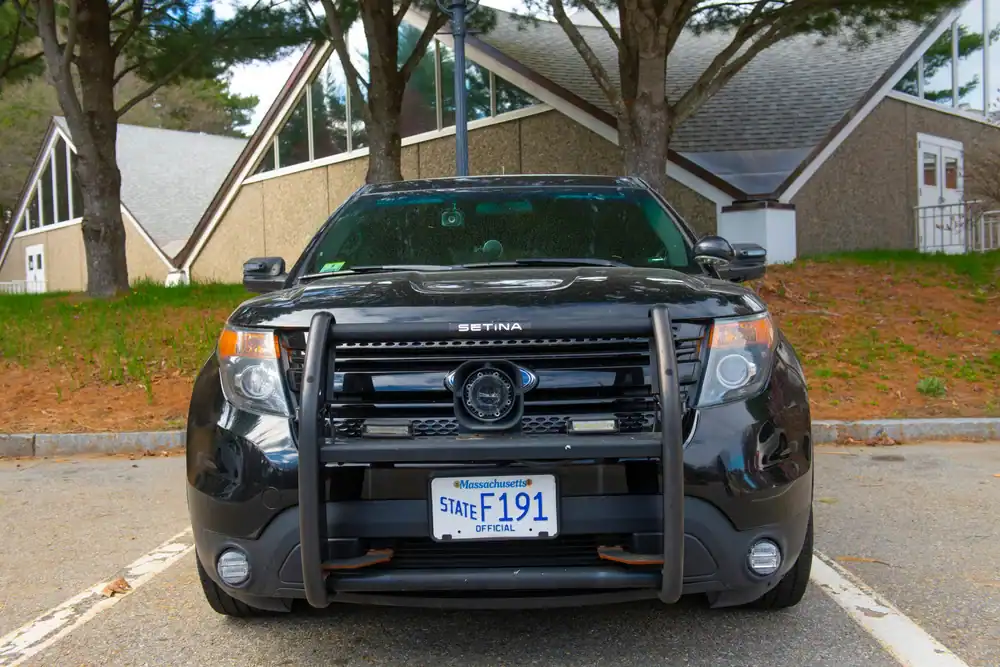
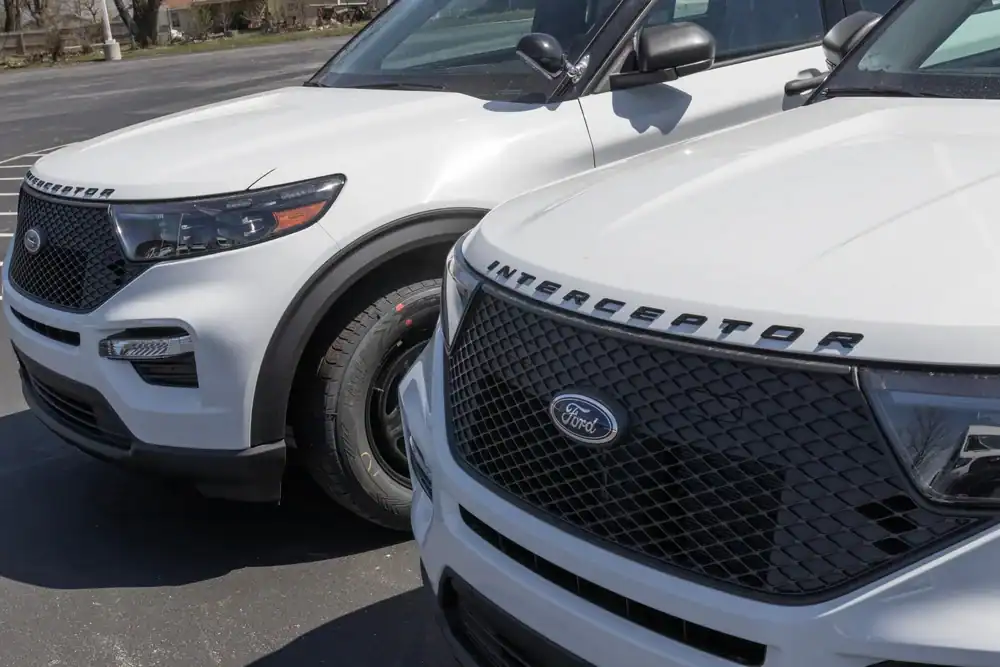
You’re looking at vehicles that were built for high-stress situations and maintained on strict schedules. These aren’t regular used cars that sat in someone’s driveway. Ford police interceptor utility models come with reinforced frames, upgraded cooling systems, heavy-duty alternators, and brakes designed for pursuit driving.
Most civilian vehicles don’t get this level of attention. Police departments follow maintenance schedules because downtime isn’t an option. That means regular oil changes, fluid checks, and component inspections throughout the vehicle’s service life.
The price difference is real. You’re looking at $5,000 to $15,000 for a used cop car versus $20,000+ for a comparable civilian model. That’s not a small gap when you’re working with a budget. And here’s what matters: you’re not sacrificing reliability to save money. You’re getting a vehicle that was designed to handle more than your daily commute ever will.
State Surplus Auto Sales is owned by Carmen Yannuzzi, who spent over 25 years in law enforcement. He saw quality government vehicles going to auction and realized most people don’t know how to access them or what to look for. So he built a business around it.
We’re located right here in Monroeville, PA, serving buyers who need reliable transportation without the dealership markup. Our inventory focuses exclusively on used police cars for sale—Ford Interceptors, Crown Victorias, Explorers, and similar models that were decommissioned after active duty.
You won’t find pushy sales tactics here. Our team knows these vehicles inside and out, and we’d rather answer your questions honestly than close a sale you’ll regret. We offer zero-interest financing to everyone, regardless of credit score, because we know a lot of people get shut out of traditional financing for reasons that have nothing to do with their ability to pay.
First, you browse what’s available. We keep our inventory updated online, so if you’re not local, you can still see photos and details about each vehicle before making the trip. If something catches your eye, call us or stop by. We’ll walk you through the vehicle’s history, mileage, and condition.
You’ll want to inspect it yourself. Look at the dashboard for holes where equipment was mounted. Check the trunk area for any water damage around old light bar installations. Pop the hood and examine the engine bay. We encourage this because you should know exactly what you’re buying.
Once you’ve decided, we handle financing on-site. Zero percent interest, no credit check required. You’ll fill out basic paperwork, and we’ll work out a payment plan that fits your budget. Most people drive off the same day.
If you live too far from Monroeville, PA, we can send additional photos and details through our website. Some buyers purchase sight-unseen based on our descriptions, but we always recommend seeing the vehicle in person if possible.
Ready to get started?
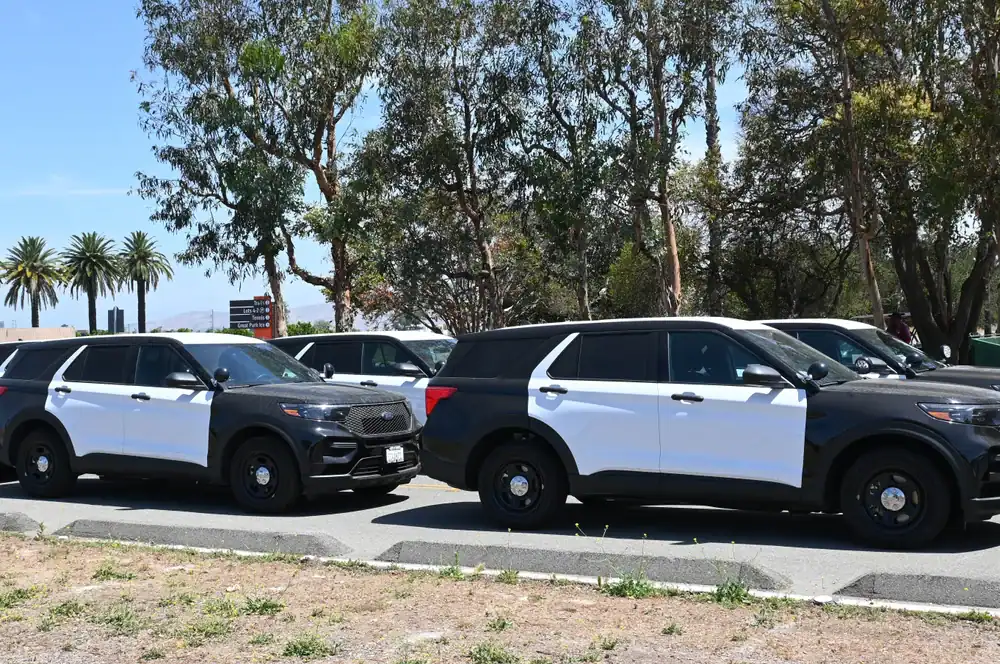
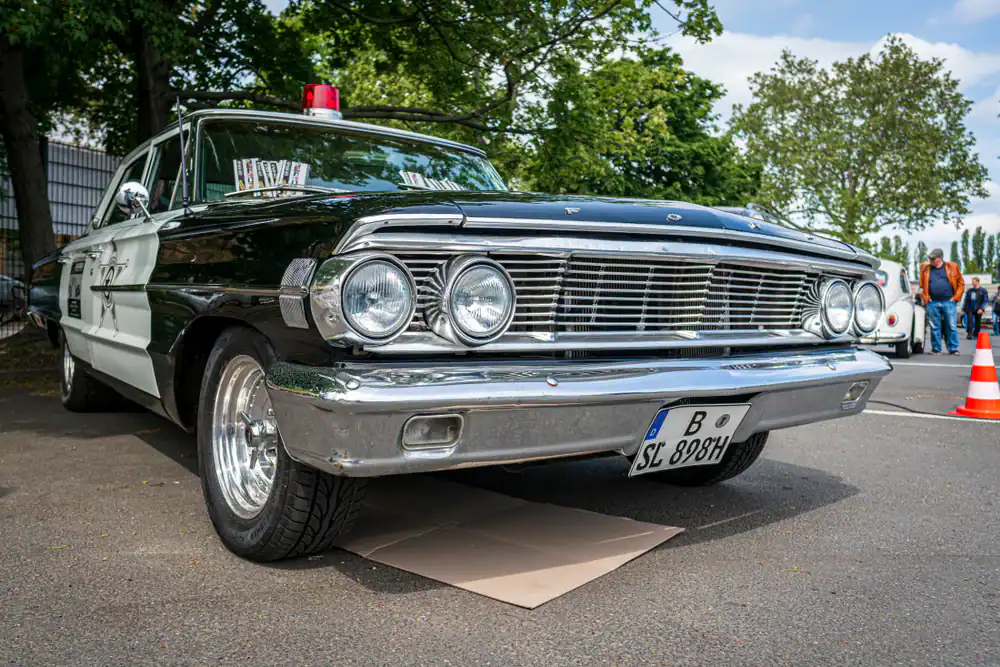
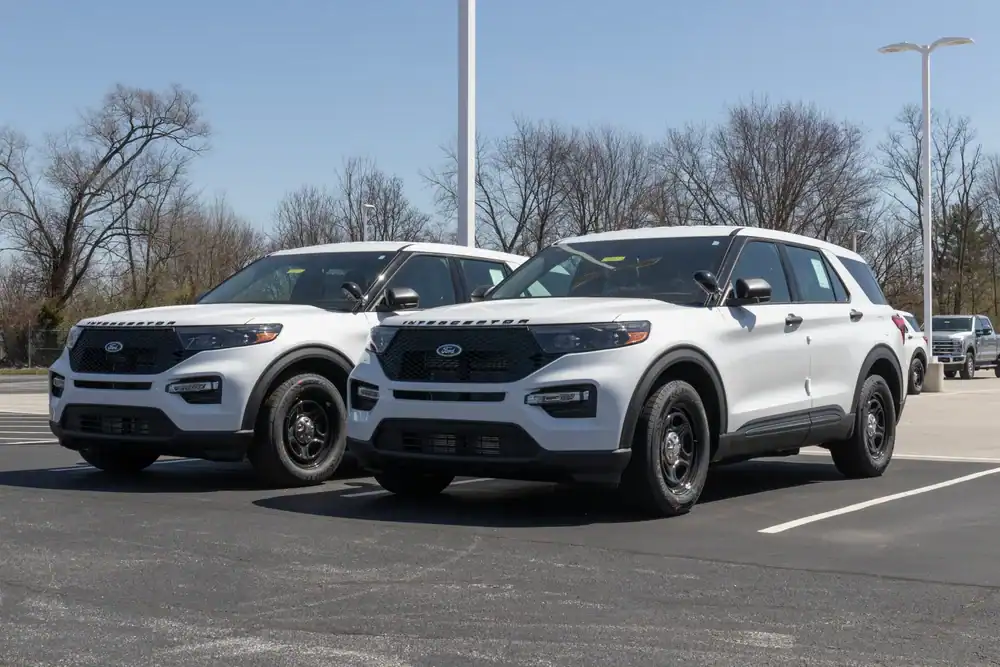
The Ford Crown Victoria Police Interceptor dominated law enforcement fleets from 1997 to 2013. It’s still one of the most sought-after models because of its V8 engine, rear-wheel drive, and proven durability. You’ll also find Ford Explorer police interceptors in our inventory—these are the newer utility models with all-wheel drive and more cargo space.
Here’s what you need to know about mileage. Most of these vehicles show between 100,000 and 160,000 miles on the odometer. That sounds high, but remember: a lot of those miles are highway miles, and the vehicle was maintained by professionals. The bigger concern is idle time. Police cars can idle for hours during shifts, which doesn’t show up on the odometer but does add engine wear.
In Monroeville and the surrounding Pittsburgh area, we see a lot of buyers who use these vehicles for rideshare, delivery work, or as a second family car. The spacious interior and large trunk make them practical for just about anything. Taxi companies have been buying decommissioned Crown Vics for years because they’re cheap to maintain and can handle high mileage.
You won’t get a warranty. That’s the trade-off for the lower price. But if you’re mechanically inclined or have a trusted mechanic, these vehicles are straightforward to work on. Parts are widely available, and most shops are familiar with Ford police interceptor utility models.
Start with the interior. Check for torn upholstery, holes in the dashboard where radios and computers were mounted, and any damage to the center console area. This is where most equipment gets installed and removed, so it’s common to see wear.
Pop the trunk and look around the edges for water damage, especially near where light bars were mounted. Water can seep in through old bolt holes if they weren’t sealed properly after equipment removal.
Under the hood, you’re looking for the same things you’d check on any used car: fluid levels, belt condition, signs of leaks. But also pay attention to the cooling system. Police cars often have upgraded radiators and cooling fans because they idle for long periods. Make sure those components are in good shape. Ask about the vehicle’s maintenance records if available. Some agencies keep detailed logs, others don’t. Either way, it’s worth asking.
High mileage on a police car isn’t the same as high mileage on a civilian vehicle. These cars were maintained on strict schedules—oil changes, brake inspections, fluid checks—because departments can’t afford breakdowns during shifts.
That said, idle time is a factor. A patrol car might show 100 miles on the odometer for a shift, but it could have idled for another 100 “hidden” miles. That puts wear on the engine that doesn’t show up in the mileage reading. So a car with 120,000 miles might have the engine wear of a car with 150,000 or more.
The good news is these engines were built for it. The Ford Crown Victoria’s V8 and the newer Ford Explorer police interceptor engines are designed to handle extended idle time and high-stress driving. If the vehicle was maintained properly—and most were—you’re still looking at a reliable car. Just don’t expect it to drive like a low-mileage civilian vehicle. You’re buying durability and value, not showroom condition.
Yes. We offer zero-interest financing to everyone, regardless of credit score. That’s not a promotional rate or a limited-time offer. It’s how we do business.
Most traditional lenders won’t touch someone with bad credit, or they’ll approve them at interest rates that make the car unaffordable. We don’t operate that way. You’ll work out a payment plan that fits your budget, and you won’t pay a cent in interest.
The process is straightforward. You pick the vehicle, we discuss the price, and we figure out a monthly payment you can handle. No credit check, no hidden fees, no surprises. If you’ve been turned down elsewhere or you’re worried about your credit history, that doesn’t matter here. We’re focused on getting you into a reliable vehicle, not running your financial background through a system designed to disqualify people.
You’re typically looking at $5,000 to $15,000 depending on the model, year, and mileage. A Ford Crown Victoria Police Interceptor from the early 2010s with around 120,000 miles might be on the lower end. A newer Ford Explorer police interceptor with lower mileage and more features will be closer to the higher end.
Compare that to a civilian version of the same vehicle, which could easily run $20,000 or more for a similar year and mileage. The price difference comes from how these vehicles are sold. When police departments decommission their fleets, they’re not trying to maximize profit—they’re clearing out inventory to make room for new vehicles.
At auction, these cars sell for less than their civilian equivalents because of the wear and tear, the lack of warranty, and the cosmetic issues from equipment removal. We buy them at auction and pass those savings on to you. You’re not paying dealership overhead, and you’re not paying for a warranty you probably don’t need if you’re handy or have a good mechanic.
Sometimes yes, sometimes no. It depends on the agency that sold the vehicle. Some departments keep detailed maintenance logs and will pass those along. Others don’t track that information in a way that’s transferable to the next owner.
What we can tell you is where the vehicle came from, how long it was in service, and what we know about its condition based on our own inspection. If maintenance records are available, we’ll share them. If not, we’ll be upfront about that.
You won’t get a full Carfax-style report like you would with a civilian used car. These vehicles weren’t owned by individuals—they were fleet vehicles. That means the history is different. But you can still inspect the car yourself, ask questions, and make an informed decision. We’re not hiding anything. If there’s an issue we know about, we’ll tell you. If we don’t have the information, we’ll say that too.
Departments replace their fleets on a schedule, usually based on mileage or years in service. Once a vehicle hits a certain threshold—often around 100,000 to 120,000 miles—it gets decommissioned. That doesn’t mean the car is done. It means the department doesn’t want to risk a breakdown during active duty.
They’d rather sell the vehicle and buy a new one than deal with the potential downtime and repair costs. For them, it’s a budget and logistics decision. For you, it’s an opportunity to buy a well-maintained vehicle at a fraction of the cost.
These cars still have plenty of life left. Taxi companies, delivery drivers, and everyday buyers have been scooping up decommissioned police cars for years because they know the value. A Ford police interceptor utility that’s been retired from active duty can easily run another 50,000 to 100,000 miles with basic upkeep. You’re buying a vehicle that was built tough and maintained professionally. The department is done with it, but that doesn’t mean you should be.
Other Services we provide in Monroeville