
Hear from Our Customers
You’re not buying a luxury ride. You’re buying a vehicle that was built to take a beating and keep running—one that’s been maintained on a schedule most private owners would never keep.
These aren’t weekend cruisers. Ford Police Interceptor Utility models come with all-wheel drive, upgraded suspension, heavy-duty brakes, and engines tuned for pursuit driving. That means better handling, stronger components, and a drivetrain designed to perform under stress. The 3.0L EcoBoost pushes 400 horsepower. The hybrid models deliver 318 hp with better fuel economy. Either way, you’re getting more vehicle than the sticker suggests.
Here’s what matters: these vehicles were maintained by professionals who had no reason to cut corners. Oil changes happened on time. Inspections were mandatory. Problems got fixed, not ignored. You’re buying a vehicle with a documented history, not a mystery.
And you’re paying well under market. Comparable civilian Ford Explorers run thousands more. You’re getting the same platform, better components, and a price that reflects fleet liquidation—not dealership markup.
We don’t dabble. We don’t sell civilian vehicles, offer financing gimmicks, or run a repair shop on the side. We sell used police cars—specifically Ford Interceptors—and that’s it.
We’ve been doing this for over 30 years, working directly with law enforcement agencies and government auctions across Pennsylvania. Washington, PA sits in a state where retired police vehicles move through auctions regularly, and we’ve built relationships that let us source quality units and pass the savings directly to you.
You’re not walking into a lot full of random inventory. Every vehicle here came from a department fleet. Every one has a history we can show you. And every one gets sold as-is, because we’re not pretending these are showroom cars—they’re work vehicles being sold at work vehicle prices.
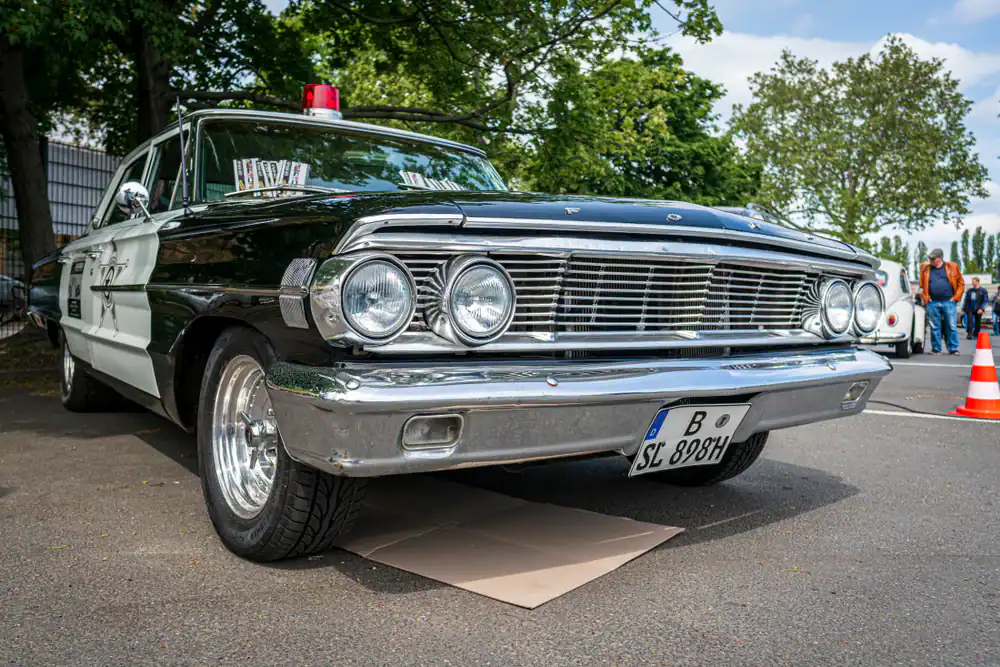
We acquire vehicles directly from police departments and government auctions when they retire units from active duty. Most of these vehicles have high mileage—sometimes over 100,000 miles—but that number doesn’t tell the full story. Police vehicles idle constantly, which means engine hours don’t match odometer readings. What matters more is how they were maintained, and fleet vehicles get maintained on strict schedules.
Once we acquire a vehicle, we inspect it and price it based on condition, mileage, and market data. We’re not here to negotiate or play pricing games. The price you see reflects what the vehicle is: a retired fleet unit with real wear, real performance capability, and real value compared to civilian alternatives.
When you buy, you’re buying as-is. We don’t offer warranties or financing. We don’t do trade-ins. You pay, you take delivery, and if you’re out of state, we can arrange shipping—we’ve shipped over 800 vehicles nationwide. The process is straightforward because the product is straightforward: you’re buying a used cop car at a fair price, and you’re doing it without the dealership runaround.
Ready to get started?
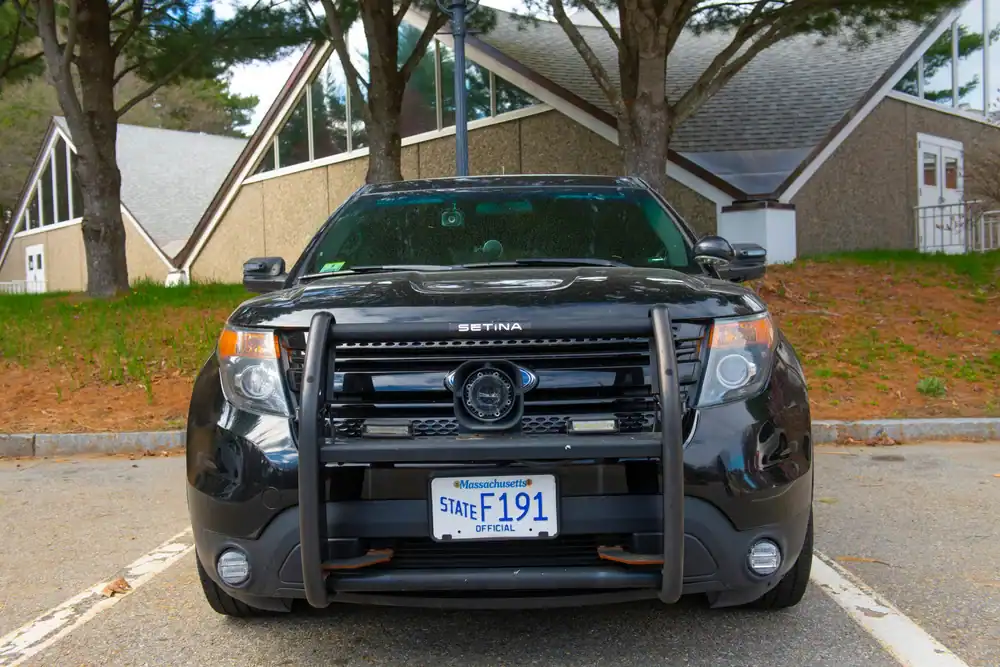
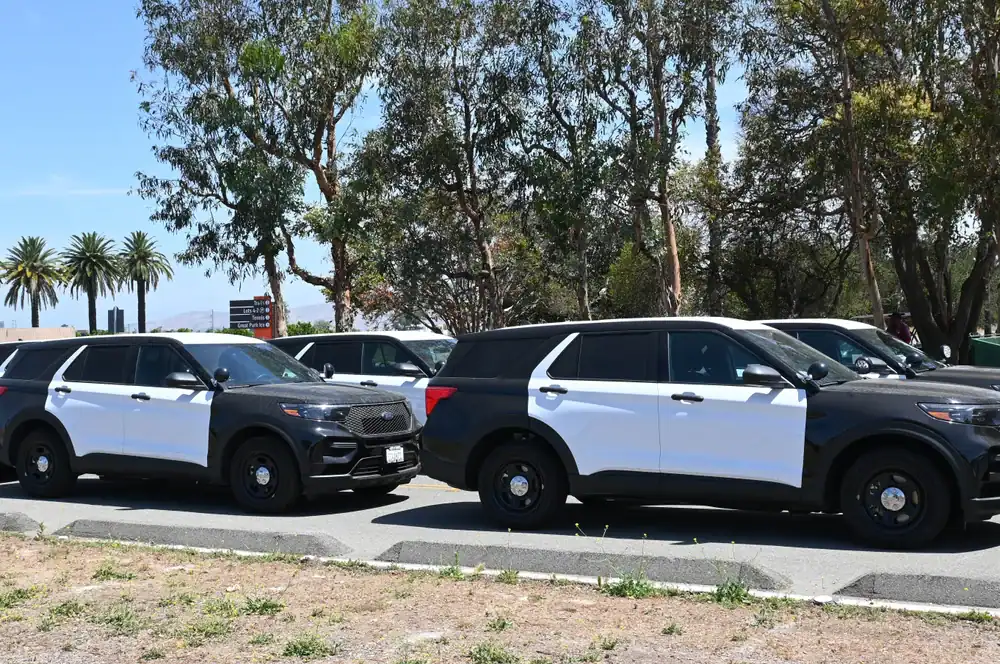
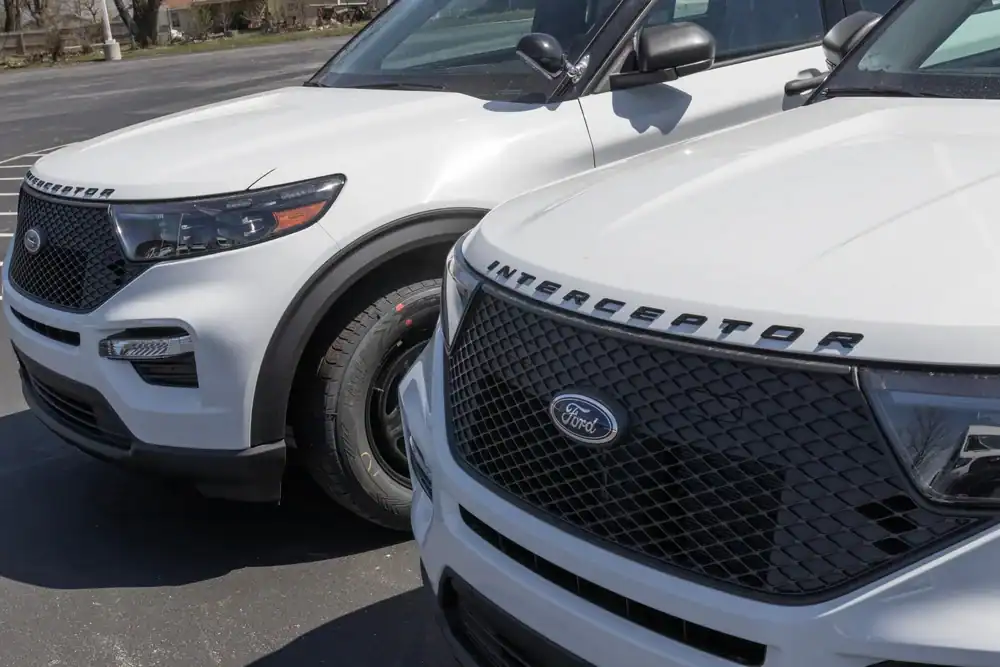
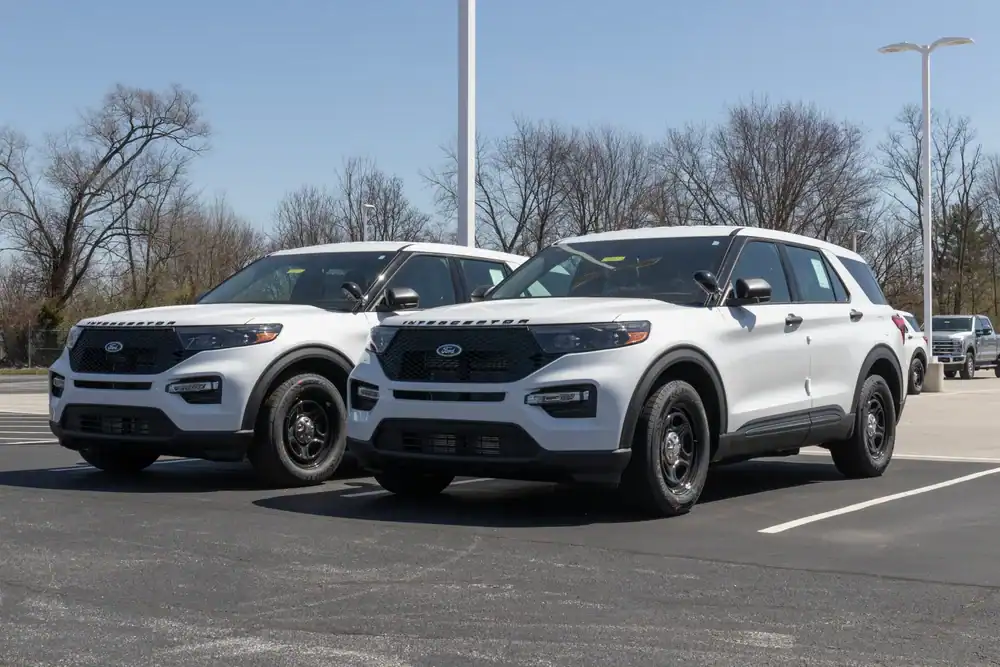
Every Ford Interceptor we sell comes from a documented fleet source. You’ll know where it came from, how many miles it has, and what kind of duty it saw. Most units are Ford Police Interceptor Utility models—the Explorer-based SUV that’s been the best-selling police vehicle in the country for years.
You’re getting all-wheel drive as standard. You’re getting upgraded cooling systems, reinforced frames, heavy-duty alternators, and 18-inch steel wheels built for pursuit driving. The interiors are basic—no leather, no heated seats, often holes from removed equipment—but fewer electronics means fewer things to break.
In Pennsylvania, particularly around Washington, buyers range from security companies building fleets to families looking for a dependable SUV that won’t drain the budget. These vehicles handle winter weather better than most civilian models thanks to the AWD system and heavy-duty suspension. They’re not pretty, but they’re capable.
Pricing runs significantly below retail. Where a used civilian Explorer might cost $20,000 or more, you’re looking at vehicles starting in the $3,500 to $15,000 range depending on year, mileage, and condition. You’re saving thousands because you’re buying function over flash, and you’re buying direct from a source that doesn’t need to polish every detail to move inventory.
Yes, but you need to understand what “high mileage” actually means on a police vehicle. The odometer might show 120,000 miles, but a significant portion of that came from idling—not highway driving. Police vehicles idle 40-60% of their operational time, which puts hours on the engine without racking up road miles.
What matters more than the odometer is the maintenance history. Police departments follow strict maintenance schedules because vehicle failure isn’t an option during a shift. Oil changes happen on time. Brake inspections are mandatory. Problems get documented and fixed. You’re buying a vehicle that’s been maintained by professionals with budgets and protocols, not by a private owner who might skip services to save money.
The components themselves are also built tougher. Ford engineers these vehicles specifically for severe duty cycles—upgraded cooling systems, heavy-duty alternators, reinforced suspension. They’re designed to handle what most SUVs never see. That doesn’t mean they’re bulletproof, but it does mean they’re more durable than a comparable civilian model that’s been driven the same number of miles without the same level of maintenance.
Expect wear. These aren’t detailed showroom vehicles—they’re retired fleet units that spent years in active duty. Interiors are basic to begin with, and they’ll show use. You might see holes in the dash or center console from removed equipment like radios or computers. Seats might be worn. Carpets might be stained.
Exteriors vary. Some departments repaint before auction, some don’t. You might see spotlight holes, antenna mounts, or areas where decals were removed. Paint might be faded or chipped. These are cosmetic issues, not structural ones, but they’re real and you should expect them.
The trade-off is price. You’re paying thousands less than a civilian vehicle specifically because you’re not paying for cosmetic perfection. If you need a vehicle that looks pristine, buy a civilian model and pay the premium. If you need a vehicle that runs strong and handles well without caring about curb appeal, a used police interceptor makes sense. Just go in with realistic expectations about what “used fleet vehicle” actually means in terms of appearance.
Absolutely. Security companies, rideshare drivers, delivery services, and families use these as daily drivers all the time. The Ford Police Interceptor Utility is based on the Explorer platform—it’s the same vehicle underneath, just with upgraded components and a stripped-down interior.
You’ll get better performance than a civilian Explorer thanks to the tuned engine and upgraded suspension. You’ll get all-wheel drive as standard, which helps in Pennsylvania winters. You’ll get a vehicle that’s built to handle stress and keep running. Fuel economy sits around 16 city / 21 highway for the standard models, or better if you find a hybrid unit.
The downsides are comfort and features. No luxury interior. No advanced infotainment system. No heated seats or premium sound. You’re driving a work vehicle, and it feels like one. But if you prioritize reliability, capability, and cost over comfort, it’s a smart choice. Just know you’re trading amenities for durability and price. For a lot of buyers—especially those who need a dependable vehicle without the new-car payment—that’s an easy trade to make.
You’re looking at savings of several thousand dollars, sometimes more. A used civilian Ford Explorer with similar mileage might run $18,000 to $25,000 depending on year and condition. A retired Ford Police Interceptor Utility with comparable mileage typically sells for $7,000 to $15,000, with some units starting as low as $3,500.
The price difference reflects a few things. First, these are fleet vehicles sold at auction or through surplus channels, not retail lots. Second, they lack the interior features and cosmetic polish that civilian buyers expect. Third, the market for used police vehicles is smaller, so prices stay lower even though the mechanical components are often superior.
You’re getting the same platform, the same basic engine options, and in many cases better suspension, brakes, and drivetrain components. You’re just getting them in a package that’s been used hard and doesn’t look like it rolled off a showroom floor. If you can live with the cosmetic trade-offs and the basic interior, you’re getting significantly more vehicle per dollar. That’s why security companies buy these in bulk—they’re doing the math and realizing the value is real.
The biggest downside is uncertainty about how hard the vehicle was driven. Police work isn’t gentle. These vehicles see high-speed driving, sudden acceleration, hard braking, and constant idling. They’re built to handle it, but that doesn’t mean the wear isn’t real.
You’re also dealing with higher average repair costs. Police Interceptors average around $1,160 annually in repairs compared to $573 for a typical midsize SUV. That’s partly because of the duty cycle, partly because of the mileage, and partly because some components just wear faster under fleet use.
The other downside is resale value. If you’re planning to sell in a few years, you’re not going to get much. The market for used police vehicles is limited, and most buyers are looking for cheap, functional transportation—not a vehicle they’ll pay a premium for. So if resale matters to you, factor that in. But if you’re planning to drive it until it dies, resale doesn’t matter. You’re buying a tool, not an investment. Just make sure you’re comfortable with that reality before you hand over the cash.
Most used police vehicles are sold as-is with no warranty from the seller, and that includes what we sell at State Surplus Auto Sales. However, depending on the model year and mileage, some vehicles may still have remaining factory warranty coverage from Ford.
Ford originally covers these vehicles with a 5-year, 100,000-mile powertrain warranty and a 3-year, 36,000-mile bumper-to-bumper warranty. If you’re buying a newer unit with lower mileage, there’s a chance some of that coverage is still active. You’d need to verify the VIN with Ford to confirm what, if anything, is still covered.
That said, most of the vehicles we move through our inventory have already exceeded those limits. You’re buying based on the vehicle’s condition and history, not warranty protection. That’s part of why the price is so much lower than retail. If warranty coverage is a must-have for you, you’re better off buying a certified pre-owned civilian vehicle and paying the premium. But if you’re comfortable taking on a vehicle as-is and handling your own repairs, you’re saving enough money upfront to cover quite a few shop visits down the road.
Other Services we provide in Washington