
Hear from Our Customers
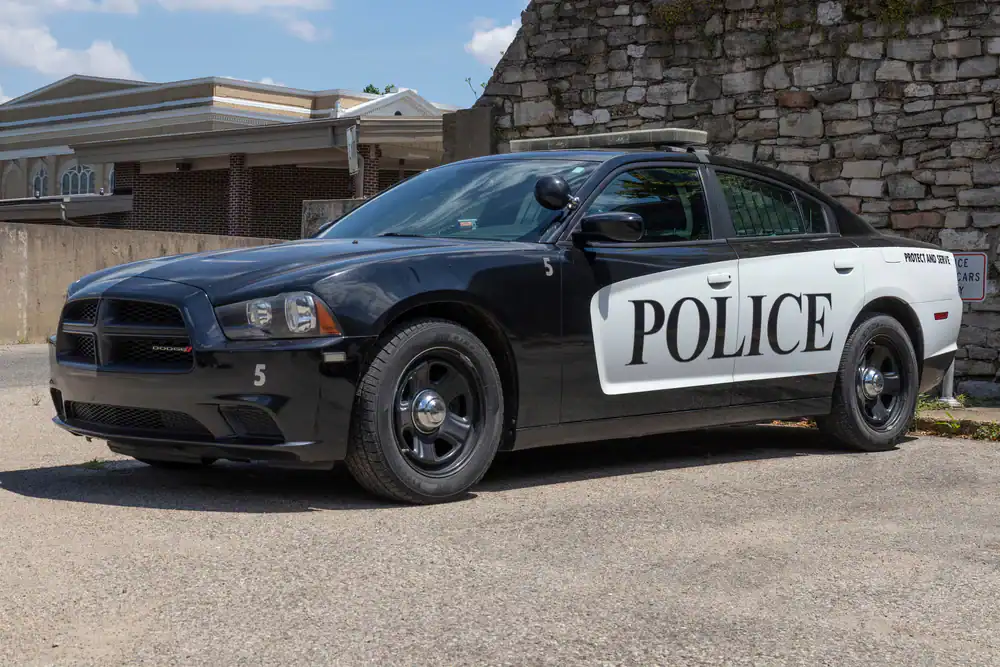
You’re not buying someone’s neglected commuter car with mystery miles and a sketchy history. You’re getting a Ford Police Interceptor Utility or similar vehicle that was spec’d from the factory for durability, not comfort. Heavy-duty suspension. Reinforced frames. Alternators built to handle constant electrical load. Cooling systems designed for hours of idling without overheating.
These aren’t luxury rides. They’re work vehicles. And that’s exactly why they last.
The average used car in 2024 costs nearly $29,000. Used cop cars for sale typically run well below that, sometimes by half or more, depending on mileage and condition. You’re getting a vehicle with a known service history, often maintained by municipal fleets with scheduled upkeep. Parts are cheap and everywhere because these platforms were produced in massive volume. When something breaks, you’re not hunting down proprietary components or paying dealer-only prices.
You’re also getting a vehicle that handles real-world abuse better than most civilian cars ever will. Potholes. Curbs. Long idle times. High-speed driving. Stop-and-go all day. If it survived patrol duty, your daily commute or delivery route isn’t going to faze it.
We operate in West Chester, PA, one of the fastest-growing towns in the Philadelphia suburbs and the county seat of Chester County. We’re not a flashy dealership with balloons and financing gimmicks. We source retired police vehicles, inspect what we get, and sell them to people who understand what they’re buying.
West Chester sits in a market where used car inventory under $15,000 is scarce, and interest rates are making financing a nightmare for most buyers. We’re not trying to upsell you into something you don’t need. We stock Ford Police Interceptor Utility models, Crown Victorias when we can find them, and other patrol vehicles that have been decommissioned from service.
You’re dealing with real vehicles that did real work. No hidden agendas. No pressure tactics. Just straightforward information and fair pricing on vehicles that were built to last longer than most cars on the road today.
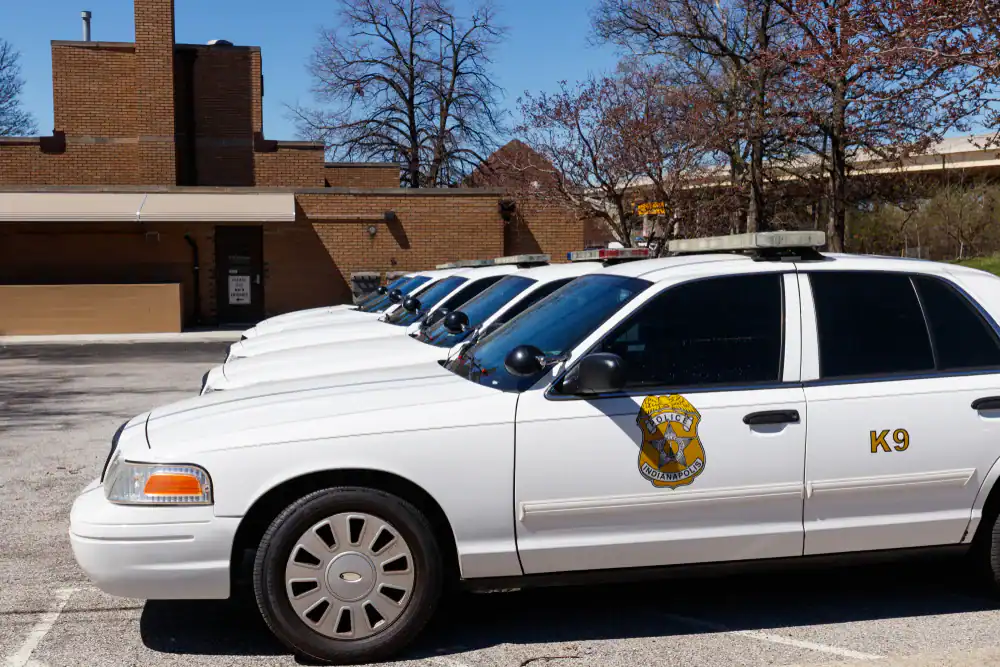
You start by looking at what’s currently in our inventory. We update our stock regularly as we source vehicles from government surplus programs and fleet auctions. When you find something that fits your needs, you can come see it in person at our West Chester location.
We’ll walk you through the vehicle’s history. Most of our police interceptors for sale come with service records, so you know what’s been done and when. You’re not guessing about oil changes or major components. You can see the mileage, check the condition, and ask whatever questions you need answered.
Once you decide, the buying process is straightforward. We handle the title transfer and paperwork. You’re not navigating a maze of add-ons or surprise fees. The price you see is what you pay. Then you drive it home.
These vehicles are sold as-is, which is standard for used patrol cars for sale. You’re buying a vehicle that’s been used hard but maintained regularly. It’s not going to be pristine, but it’s going to be honest. That’s the trade-off, and for most buyers, it’s worth it.
Ready to get started?
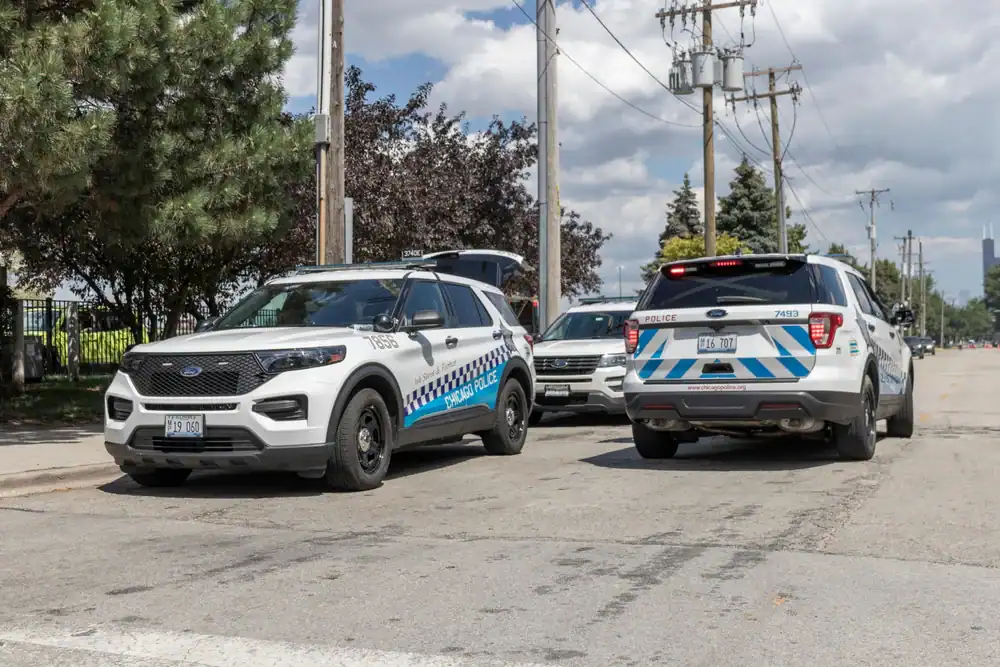
Our inventory rotates based on what becomes available through government auctions and surplus channels. Right now, the most common vehicles we stock are Ford Police Interceptor Utility models, which are the SUV-based patrol vehicles that replaced the Crown Victoria as the dominant platform in law enforcement. These are typically Ford Explorers with the police package, featuring all-wheel drive, upgraded powertrains, and heavy-duty components.
We also get Ford Crown Victoria Police Interceptors when they’re available, though these are becoming harder to find as departments have phased them out. The Crown Vic remains popular with buyers who want rear-wheel drive, V8 power, and a sedan platform that’s proven itself over decades. Parts are dirt cheap, and every mechanic in the country knows how to work on them.
West Chester’s location in Chester County means we’re serving a mix of buyers: college students from West Chester University looking for affordable first cars, rideshare drivers who need something roomy and tough, small business owners who want a work vehicle that won’t quit, and hobbyists who appreciate the law enforcement heritage. The market here is strong because people understand value, and they’re not afraid of higher mileage if the vehicle is solid.
You’re looking at vehicles that typically have between 120,000 and 160,000 miles, sometimes more. That sounds like a lot until you realize these engines and drivetrains were built to handle it. The nationwide average price for a used Police Interceptor Utility is around $15,400, but pricing varies based on year, mileage, and condition. We price ours to move, not to sit on the lot.
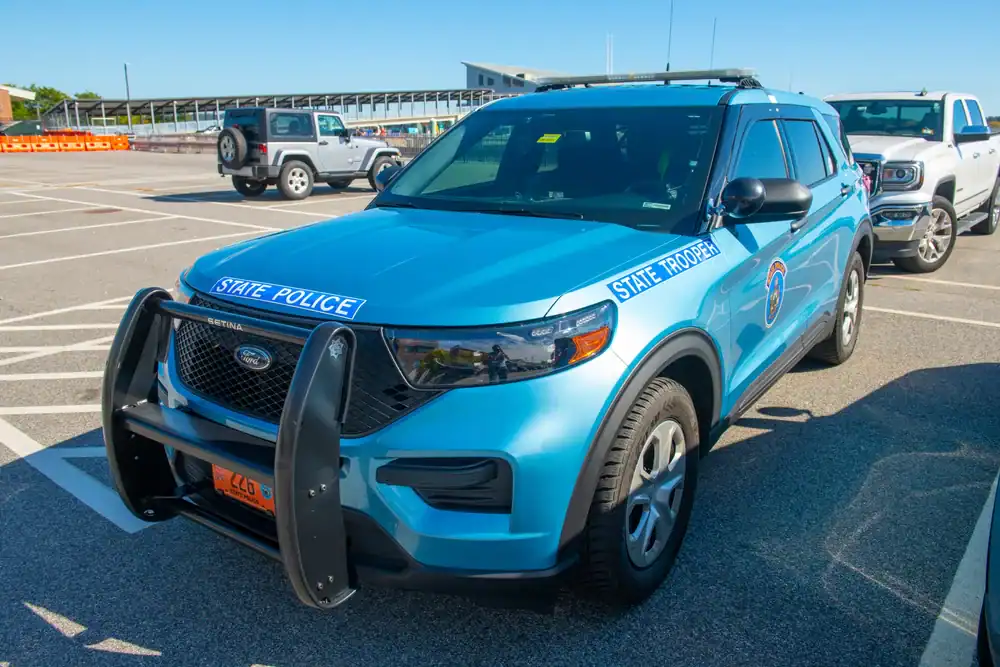
High mileage on a police interceptor doesn’t mean the same thing as high mileage on a regular used car. These vehicles were built from the factory with heavy-duty components specifically because they were going to be driven hard. Stronger suspension. Bigger alternators. Better cooling systems. The powertrain is designed to handle severe duty cycles that would kill a civilian vehicle.
Most patrol cars rack up miles during long idle times and highway driving, which is actually easier on an engine than short trips with constant cold starts. The wear patterns are different. You’re not dealing with a car that was beat on by multiple owners with inconsistent upkeep.
That said, you need to know what you’re buying. A vehicle with 150,000 miles is going to need things eventually. But the parts are cheap and available everywhere, and the platforms are simple enough that most repairs don’t require specialized knowledge. You’re trading low upfront cost for the reality that you might need to replace wear items sooner than you would on a lower-mileage car. For most buyers, that math works out in their favor.
A Ford Police Interceptor Utility starts as an Explorer, but it gets modified heavily before it ever reaches a police department. The suspension is upgraded with heavy-duty components to handle extra weight and rough driving. The electrical system gets a bigger alternator to support lights, radios, computers, and other equipment running constantly. The cooling system is enhanced so the vehicle can idle for hours without overheating.
The calibration is different too. Police Interceptors often have different tuning for throttle response and transmission behavior because they need to accelerate quickly and handle aggressive driving. The brakes are upgraded. The wheels are usually steel instead of alloy because they’re stronger and cheaper to replace after curb strikes.
Inside, you’re getting a stripped-down interior. No leather. No fancy infotainment. Vinyl seats that can be wiped clean. Rubber floors. It’s built for function, not comfort. Some buyers see that as a negative. Others see it as fewer things to break. The Police Interceptor Utility also comes standard with all-wheel drive, which is a popular feature in this market where winter weather is a real consideration.
Financing a used police car is possible, but it’s harder than financing a typical used car. Many traditional lenders won’t finance vehicles sold as-is or vehicles with high mileage, which describes most used patrol cars for sale. Some credit unions and specialty lenders will work with you, but expect higher interest rates than you’d see on a newer vehicle with lower miles.
The reality is that most people who buy police interceptors for sale pay cash. That’s part of the appeal. You’re looking at a vehicle that costs a fraction of what a comparable civilian SUV would cost, so it’s easier to save up and buy outright. You’re also avoiding monthly payments and interest charges, which makes the total cost of ownership even lower.
If you need financing, your best bet is to talk to your bank or credit union before you start shopping. Get pre-approved so you know what you’re working with. Don’t assume we can arrange financing, especially on vehicles in this price range and condition. Come prepared, and you’ll have a much smoother experience.
Start with the service records if they’re available. You want to know what’s been done and when. Look for regular oil changes, transmission services, and any major component replacements. A vehicle that was maintained on schedule is going to be a better bet than one with gaps in the records.
Check the body and frame for damage. Patrol cars hit curbs, scrape on driveways, and sometimes get into minor collisions. Surface rust on the undercarriage is normal, especially in Pennsylvania where road salt is heavy in winter. But you don’t want to see structural damage or serious corrosion that’s going to cause problems down the road.
Test drive it like you’re going to use it. Accelerate hard. Brake hard. Listen for weird noises. Pay attention to how the transmission shifts and whether the engine runs smooth or rough. These vehicles were driven aggressively, so if something is on the verge of failing, you’ll usually feel it during a test drive. Don’t be shy about pushing it a little. That’s what it was built for.
Ask about what’s been removed. Most departments pull out the police equipment before selling, but sometimes wiring gets left behind or holes get drilled in the body. Make sure you’re comfortable with whatever modifications were made and whether they’ll affect your use of the vehicle.
Police cars are cheaper because they’re sold as-is with high mileage and a history of hard use. There’s no warranty. No reconditioning. No detailing to make them look pretty. You’re buying a work vehicle that’s been retired from service, and the price reflects that reality.
Government agencies and fleet operators aren’t trying to maximize profit on these sales. They’re trying to move vehicles out of their inventory to make room for new ones. That means the pricing is based on wholesale value or less, not retail markup. You’re essentially buying at auction prices without having to go through an auction.
The other reason is perception. Most buyers are scared of high mileage and police use. They assume these vehicles are trashed and not worth buying. That keeps demand lower than it would be otherwise, which keeps prices down. But the buyers who understand what they’re getting know that a well-maintained police interceptor with 150,000 miles can easily outlast a neglected civilian car with half that mileage.
You’re paying less because you’re taking on more risk and responsibility. There’s no dealer backing. No return policy. You need to know what you’re looking at and be comfortable with the trade-offs. For the right buyer, it’s one of the best deals in the used car market.
Ford stopped making the Crown Victoria in 2011, so any Crown Vic Police Interceptor you find today is at least 13 years old. They’re still out there, but inventory is shrinking every year as these vehicles get retired, wrecked, or worn out beyond usability. When we get one in decent shape, it usually sells fast because there’s still strong demand from buyers who want that platform.
The Crown Vic has a reputation for being bulletproof. It’s rear-wheel drive with a simple V8 engine and a proven transmission. There’s no complicated all-wheel-drive system. No turbochargers. No direct injection. Just a straightforward, old-school sedan that’s easy to work on and cheap to fix. Parts are everywhere because Ford made millions of these, and the aftermarket support is massive.
If you’re set on a Crown Victoria, you need to be patient and move quickly when one becomes available. Most of what’s left on the market has serious mileage and wear, so you’re buying a project or a beater, not a daily driver in great shape. The newer Police Interceptor Utility models are more common and often a better choice if you need something reliable right now. But if you want a Crown Vic and you find a good one, grab it. They’re not getting any easier to find.
Other Services we provide in West Chester