
Hear from Our Customers
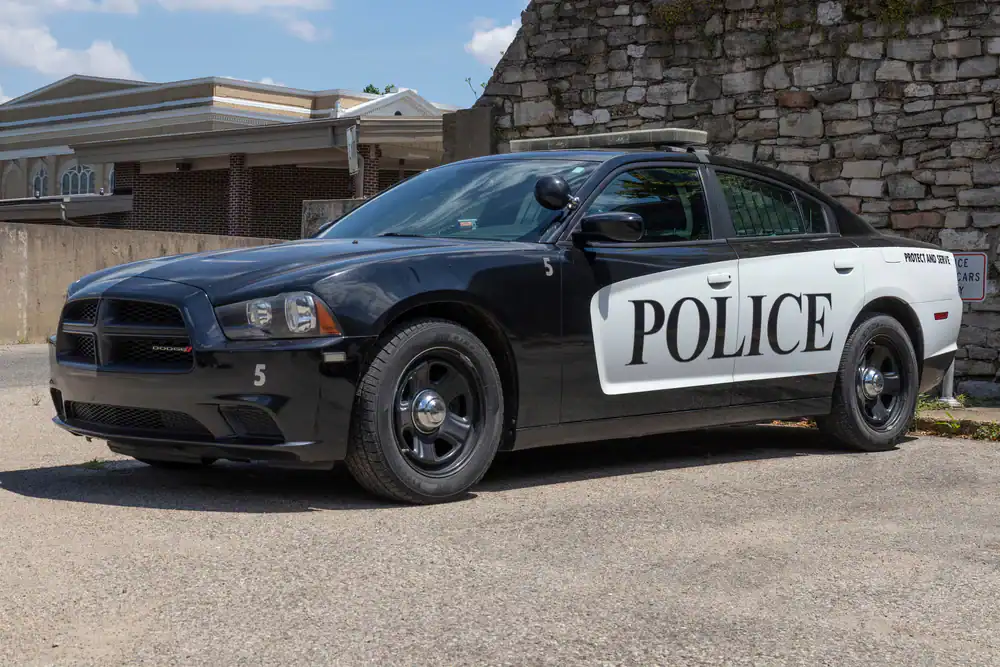
You’re not buying someone’s neglected trade-in. These are Ford Police Interceptor Utility and sedan models that were maintained on strict schedules by municipal fleets. Oil changes happened on time. Inspections were mandatory. The departments couldn’t afford breakdowns, so they didn’t let them happen.
Most used patrol cars for sale come with 100,000 to 150,000 miles. That sounds high until you realize these engines are built to handle twice that. The Crown Victoria Police Interceptor, for example, routinely hits 200,000 miles in taxi fleets and highway patrol duty. Ford has owned about 60% of the U.S. police vehicle market for years because these cars hold up.
You’re also getting performance parts that don’t come standard on civilian models. Upgraded alternators, heavy-duty transmissions, reinforced suspensions, better brakes. These vehicles were spec’d for pursuit driving and long idle times, which means they’re overbuilt for what you’ll probably use them for. That’s a good thing.
And the price? Expect to pay somewhere between $5,000 and $15,000 depending on the model, year, and mileage. Compare that to a new sedan starting above $20,000, and you’re saving real money without sacrificing durability.
We don’t carry a mixed lot of random used cars. We focus entirely on retired police vehicles. That means we know these cars inside and out—what to look for, what holds up, and what doesn’t.
We’re located in Whitehall, PA, where the median household income is around $85,000 and most families are looking for value without compromise. A used Ford Interceptor fits that perfectly. You get a safe, well-maintained vehicle that’s affordable to insure and cheap to fix when something eventually does go wrong.
We’re not here to oversell you or hide anything. These cars have been used hard in some ways—lots of idling, equipment installs, high mileage. But they’ve also been maintained better than most civilian cars ever will be. You just need to know what you’re buying, and we’ll walk you through it.
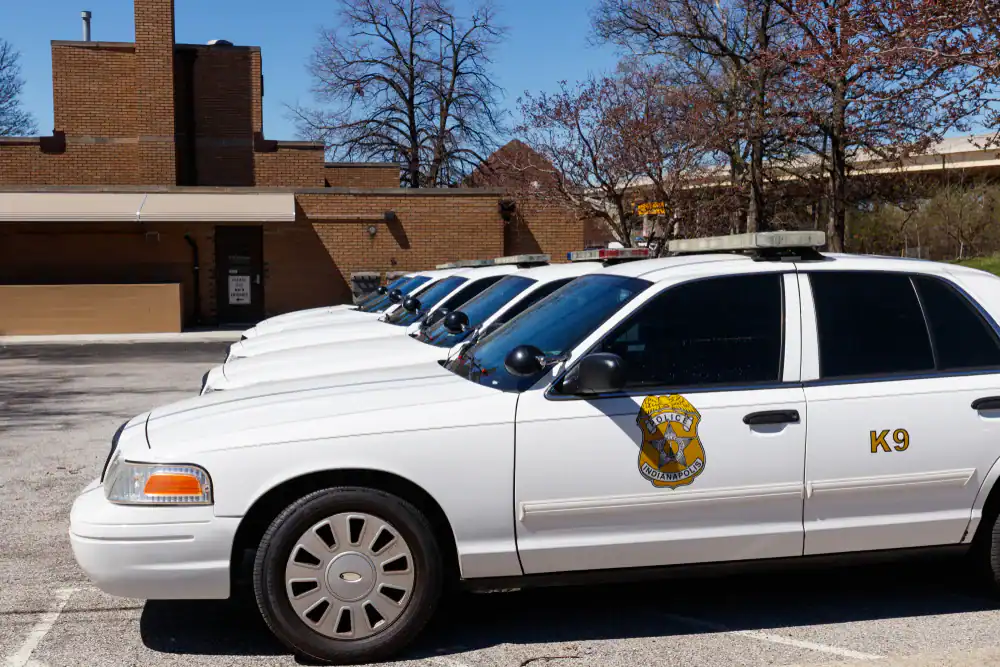
First, you’ll browse our current inventory of used cop cars for sale. We carry Ford Police Interceptor Utility models and Ford Crown Interceptors, depending on what’s available from recent government auctions and fleet retirements.
When you find something you like, come see it in person. We’ll show you the odometer reading, but we’ll also be honest about idle hours. Police cars idle a lot—sometimes for entire shifts. That wear doesn’t show up on the odometer, so you need to factor it in. A car with 120,000 miles might have the engine wear of a 180,000-mile civilian vehicle. We don’t hide that.
You’ll also see evidence of removed equipment. Holes in the dash where radios were mounted. Wiring under the seats. Sometimes patched panels or wear on the interior from gear and daily use. These aren’t dealership-pretty cars. They’re work vehicles. But the bones are solid.
Once you decide, we handle the paperwork and get you on the road. You’ll want to call your insurance company before you buy—some carriers get weird about former police vehicles. Most don’t care, but it’s worth checking.
Ready to get started?
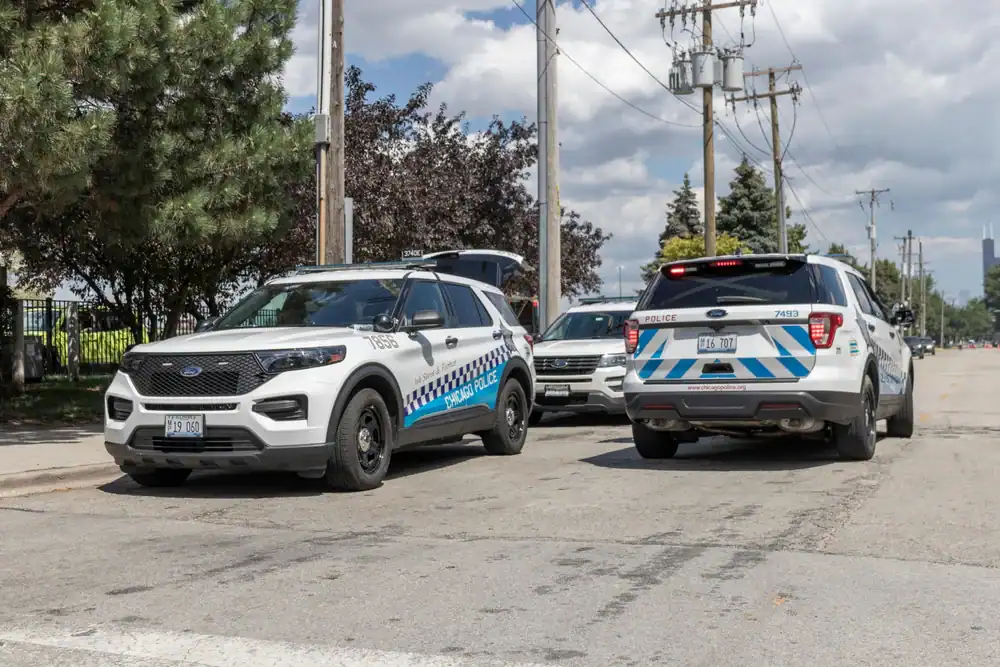
Our inventory rotates based on what we acquire from municipal and county fleets in Pennsylvania and surrounding states. You’ll typically find Ford Police Interceptor Utility models from recent years—these are the Explorer-based SUVs that have become the best-selling police vehicle in America. They’re roomy, handle well, and have strong resale value.
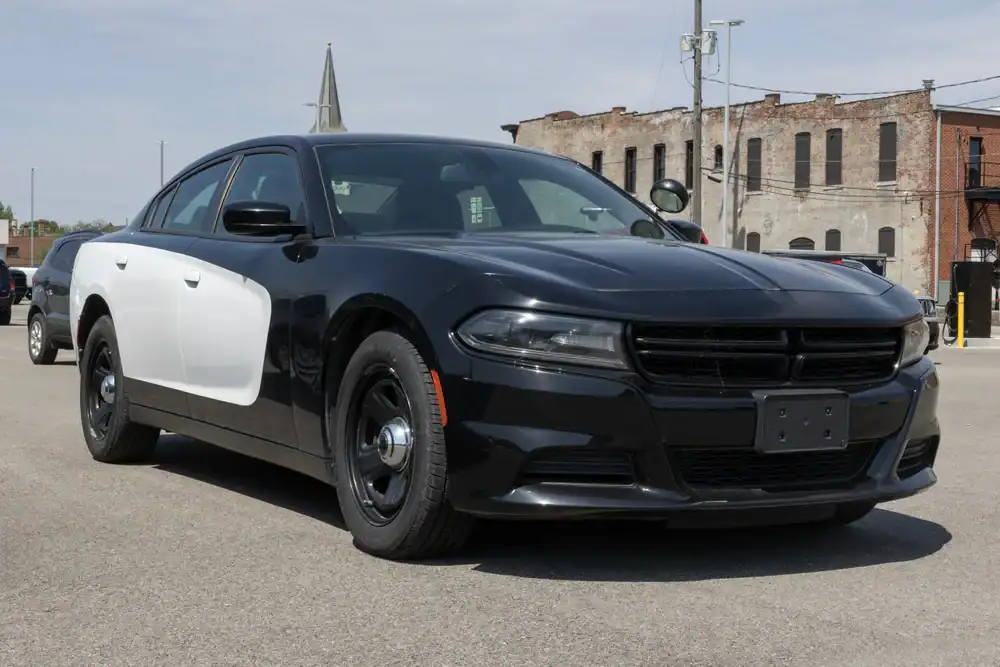
We also carry Ford Crown Victoria Police Interceptors when we can get them. These sedans are legendary for durability. They’re body-on-frame, rear-wheel-drive, and powered by a 4.6L V8 that’s nearly bulletproof. Parts are cheap and every mechanic in Whitehall knows how to work on them.
Pricing depends on mileage, condition, and model year. A 2011 Crown Vic with 140,000 miles might run you around $8,000 to $10,000. A newer Interceptor Utility with lower miles could be closer to $15,000. You’re still paying half or less than what a comparable civilian SUV would cost.
In Whitehall and the Lehigh Valley, these vehicles are popular with rideshare drivers, small business owners, and families who need a second car that won’t break down. The $75,000 to $100,000 household income range here makes a $10,000 police interceptor a smart buy—you’re getting a lot of car for the money, and you’re not stretching your budget on a depreciating new vehicle.
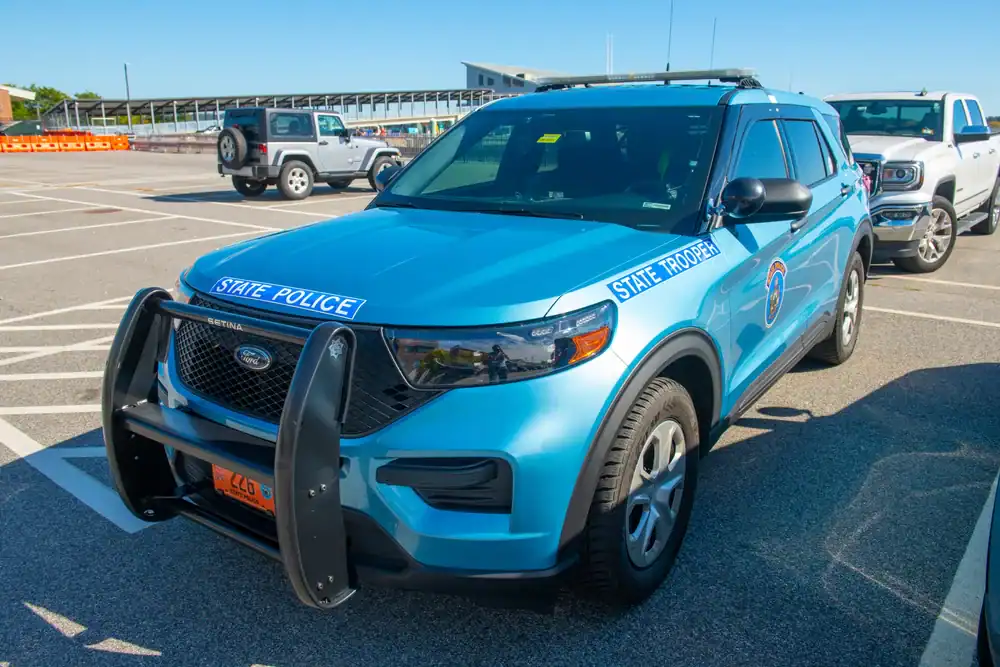
Most retired police cars have between 100,000 and 150,000 miles when they’re sold. That’s higher than the average used car, but it’s not a red flag if the vehicle was maintained properly—and police fleets almost always were.
The bigger issue is idle time. Police cars spend hours idling every shift, and that engine wear doesn’t show up on the odometer. A good rule of thumb is to mentally double the mileage you see to account for idle hours. So a car with 120,000 miles probably has engine wear closer to 180,000 miles.
That said, these engines are built for it. Ford Police Interceptors routinely exceed 200,000 miles in taxi and patrol use. The key is staying on top of oil changes, coolant flushes, and transmission fluid once you own it. If you treat it like a high-mileage vehicle and maintain it accordingly, you’ll get plenty of life out of it.
Not usually, but it depends on your insurance company. Most carriers treat a retired police car the same as any other used Ford sedan or SUV. The VIN identifies it as a civilian model—like a Ford Explorer or Taurus—so there’s no special surcharge.
That said, some insurers get nervous about former police vehicles and may hesitate to offer full coverage. It’s rare, but it happens. The best move is to call your insurance agent before you buy and ask directly. Give them the VIN if you have it, and they’ll tell you exactly what coverage will cost.
In most cases, you’ll actually save money compared to insuring a newer vehicle. Lower purchase price means lower comprehensive and collision premiums. And because parts are cheap and widely available, repair costs stay reasonable too.
A Police Interceptor Utility is a factory-built version of the Ford Explorer designed specifically for law enforcement. It’s not just an Explorer with a light bar bolted on—it’s engineered differently from the ground up.
You get a more powerful engine, usually the 3.5L EcoBoost V6 that outperforms most V8s in independent testing. The cooling system is upgraded with a heavy-duty radiator and transmission cooler to handle long idle times and high-speed driving. The electrical system has a higher-output alternator to run all the equipment police need. The suspension is reinforced, the brakes are larger, and the frame is built to take more abuse.
Ford has been building police packages since 1950, and they test these vehicles to standards that civilian models never see. The Police Interceptor is the only vehicle tested to survive a 75-mph rear-impact crash. That’s not a legal requirement—it’s just what Ford does to make sure the car holds up in the worst situations. When you buy a used one, you’re getting all that engineering at a fraction of the original cost.
Yes, you’ll see evidence of the equipment that was installed. Holes in the dashboard where radios and computers were mounted. Wiring tucked under seats or behind panels. Sometimes the center console is modified or removed entirely to make room for a police radio setup.
Most of this is cosmetic. The holes can be patched or covered if it bothers you, and any exposed wiring should be properly capped or removed. We make sure nothing is left in a way that’s unsafe or will cause electrical issues, but we’re not filling and repainting every hole to make it look showroom-new.
The seats and carpet will show wear too. These cars were used daily, often for 12-hour shifts, and officers were getting in and out constantly. You might see some stains, worn bolsters, or fading. It’s a work vehicle, not a garage-kept collector car. If you’re okay with that trade-off, you’re getting an incredibly solid vehicle for the price. If you need something pristine, a retired police car probably isn’t the right fit.
Sometimes, but not always. It depends on the agency we bought the vehicle from and whether they release that information when they sell their fleet vehicles. Some departments provide full maintenance logs. Others don’t include anything.
What we can tell you is that police fleets follow strict maintenance schedules. They can’t afford to have cars break down in the field, so oil changes, brake inspections, and fluid services happen on time. These aren’t neglected vehicles—they’re maintained better than most civilian cars ever will be.
If records aren’t available, you can still get a pre-purchase inspection from your own mechanic. We’re fine with that. Bring it to someone you trust and have them look it over. They’ll be able to tell you what’s been replaced recently, what might need attention soon, and whether the vehicle is in good shape overall. Most mechanics in the Lehigh Valley have seen plenty of Crown Vics and Interceptor Utilities, so they’ll know what to look for.
Because we only sell police interceptors. That’s all we do. We’re not trying to move a random mix of trade-ins and auction cars—we focus entirely on retired law enforcement vehicles, which means we know these cars better than a general dealer ever will.
We know which model years hold up best. We know what to check for when we’re buying from government auctions. We know how to spot a fleet vehicle that was maintained right versus one that was run into the ground. And we’re honest about what you’re getting—the good and the bad.
You’re also buying locally in Whitehall, PA. We’re not a national chain or an out-of-state online seller. You can come see the car in person, ask questions, and get straight answers. If something doesn’t feel right after you buy it, you know where to find us. That matters more than people think.
Other Services we provide in Whitehall