
Hear from Our Customers
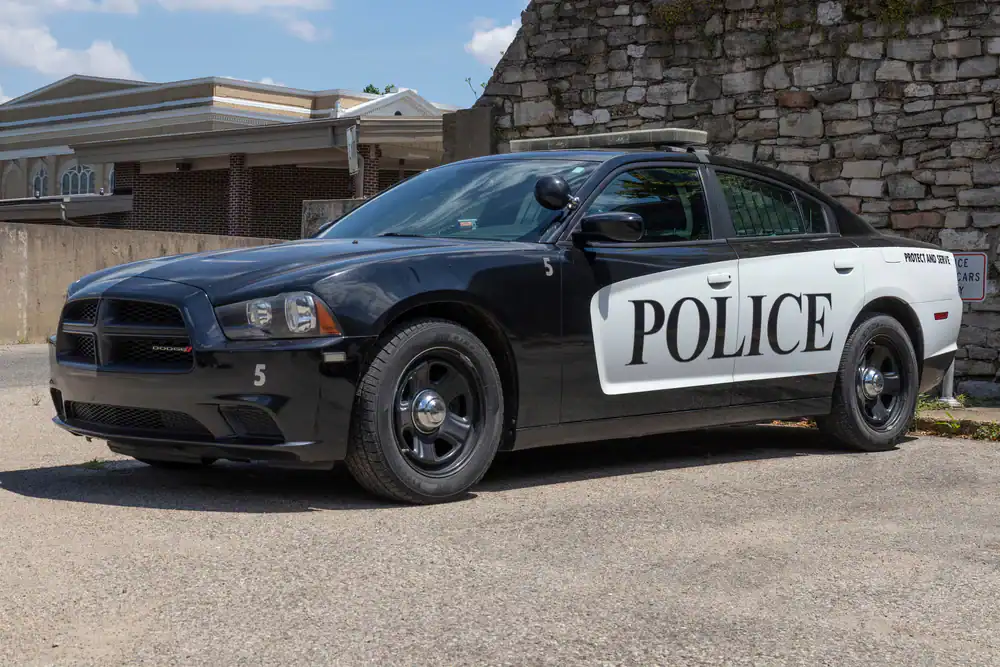
You’re looking at a vehicle that was engineered to handle high-speed pursuits, not grocery runs. That means all-wheel drive as standard, not an upgrade. Heavy-duty suspension that won’t bottom out on Wilkes-Barre’s rough winter roads. A powertrain that’s been maintained on a strict schedule because departments can’t afford breakdowns mid-shift.
The Ford Police Interceptor Utility dominates law enforcement fleets across the country for a reason. These aren’t stripped-down economy vehicles with a badge slapped on. They’re built with reinforced structures, upgraded cooling systems, and performance calibrations you won’t find on the dealer lot.
Here’s what matters for your daily life: you get pursuit-rated capability at a fraction of the cost. The average nationwide price for a used police interceptor sits around $15,400, but you’ll find options starting well below that. You’re not paying for leather seats or a sunroof. You’re paying for a vehicle that can handle whatever Pennsylvania weather and roads throw at it, with the kind of durability that comes from professional-grade engineering.
We operate out of Newark and West Creek, New Jersey, but we serve buyers throughout Pennsylvania, including Wilkes-Barre. We specialize exclusively in government and privately-owned vehicles – this isn’t a side business for us.
Our inventory focuses on what works: Ford Police Interceptor Utility models, Crown Interceptors, and other pursuit-rated vehicles that have proven themselves in real-world law enforcement use. We’re not trying to move luxury cars or finance packages with hidden fees. We connect people with reliable, high-performance vehicles at prices that actually make sense for working families and small businesses in northeastern Pennsylvania.
Wilkes-Barre buyers have always appreciated practical value over flashy features. That’s exactly what we offer – no pressure, no gimmicks, just straightforward access to vehicles that deliver more capability per dollar than anything else on the used market.
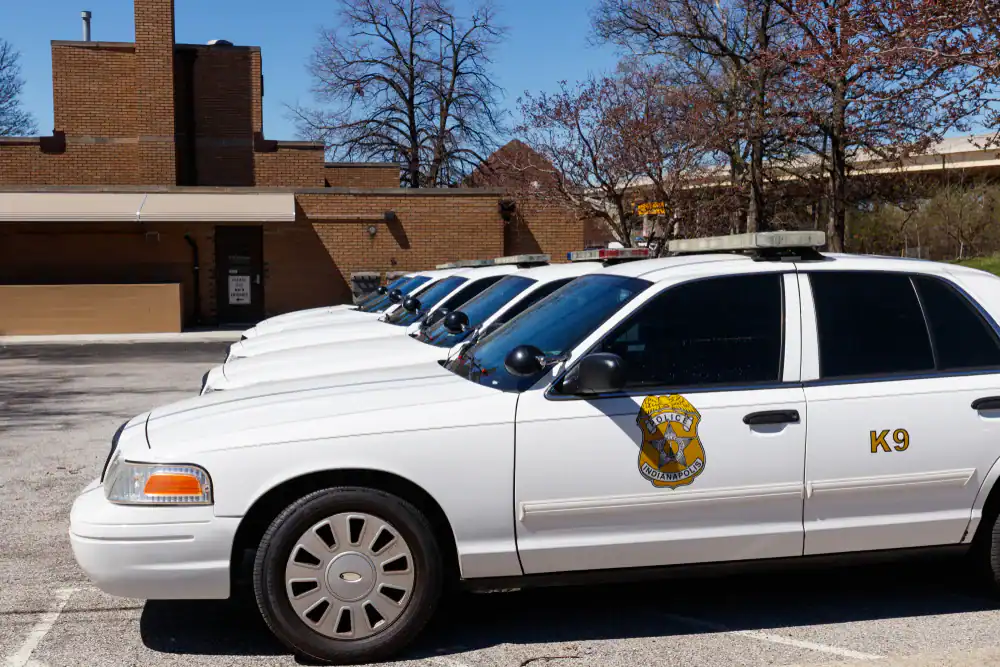
First, you browse what’s actually available. Our inventory includes Ford Police Interceptor Utility models from recent years, with clear information about mileage, condition, and what equipment remains from law enforcement use. You’re not guessing what you’re getting.
When you find something that fits your needs and budget, you can ask questions. We’ll tell you about the vehicle’s service history, what department it came from, and what to expect in terms of cosmetic condition. Most of these vehicles show wear – dashboard holes where radios were mounted, some paint fade, interior that’s seen heavy use. We don’t hide that.
If you decide to move forward, we handle the paperwork and financing. We offer zero-interest financing regardless of credit score, which matters if you’re working with a tight budget. You’re not paying dealer markup or negotiating games. The price you see reflects the actual value of a used patrol car – capable, reliable, and priced to sell.
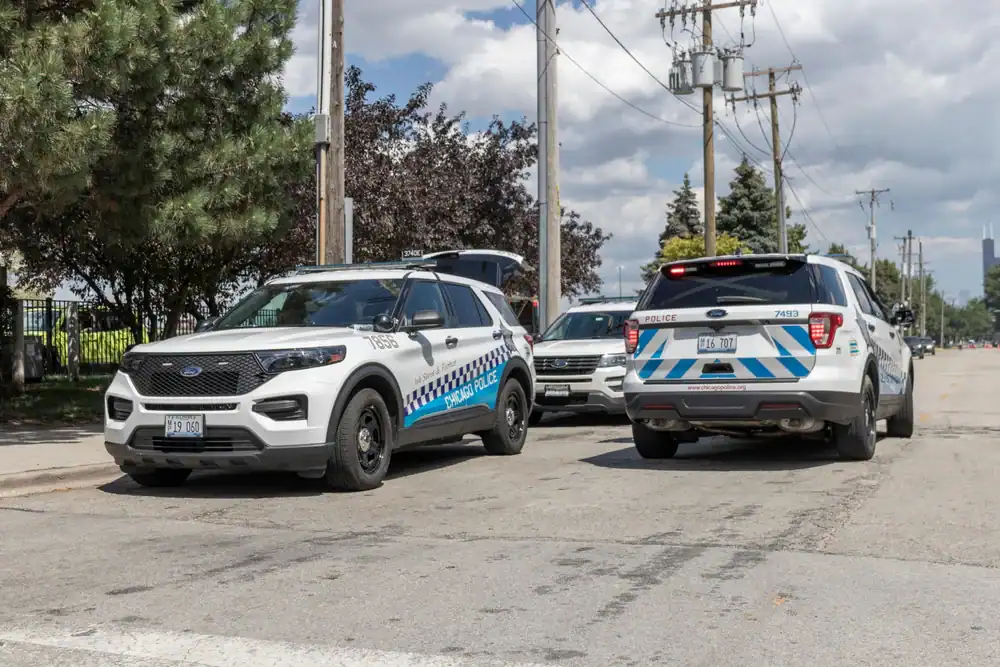
Ready to get started?
Our inventory rotates based on what we can source from departments and government auctions, but the core offering stays consistent: Ford Police Interceptor Utility models that represent the best value in the used SUV market. These vehicles typically range from 2013 to 2023 model years, with mileage that varies but often falls between 80,000 and 160,000 miles.
In Pennsylvania, especially around Wilkes-Barre, all-wheel drive isn’t optional – it’s necessary. Every police interceptor we sell comes with Ford’s Intelligent AWD system, specifically calibrated for pursuit driving. That means better handling in snow, ice, and wet conditions compared to civilian AWD systems that prioritize fuel economy over performance.
You’ll find both the standard 3.3L hybrid powertrain (318 horsepower) and the available 3.0L EcoBoost (400 horsepower) in our inventory. Fuel economy sits around 16 MPG city and 21 highway for the hybrid – not great, but expected given the performance capability. These vehicles were built for departments that needed reliability under stress, not maximum efficiency.
The trade-off is straightforward: you sacrifice some creature comforts and accept higher mileage in exchange for heavy-duty construction, professional maintenance history, and pricing that undercuts comparable civilian SUVs by thousands of dollars. For buyers in Wilkes-Barre who need a capable vehicle without the new-car payment, that math works.
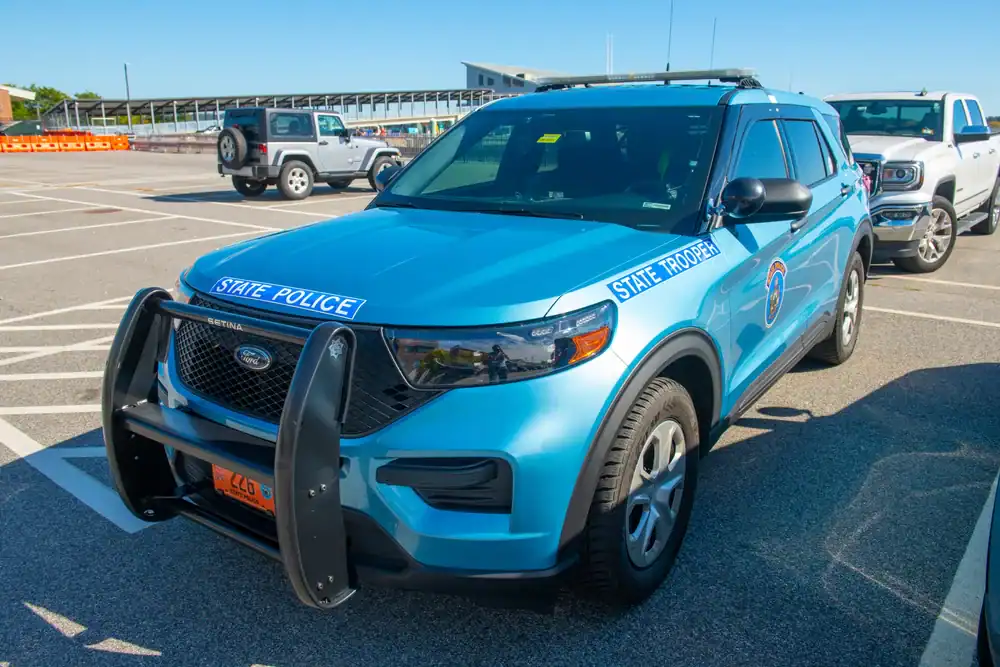
Price is the number one reason people buy old police cars, and it’s not a gimmick. These vehicles sell well below market value because they come with visible trade-offs that scare off casual buyers. You’re looking at higher mileage, cosmetic wear, and interiors that show years of professional use.
But here’s what you’re not getting: a vehicle that’s been neglected or abused without consequence. Police departments maintain these vehicles on strict schedules because breakdowns during shifts aren’t acceptable. Most interceptors have detailed maintenance records showing regular oil changes, brake service, and mechanical attention that private owners rarely match.
The price reflects reality. A civilian Ford Explorer with similar mileage might list for $20,000 to $25,000 at a traditional dealership. A comparable Police Interceptor Utility sells for $10,000 to $15,000, sometimes less. You’re paying for function over form, and if you can live with dashboard holes and worn seats, you’re getting significantly more vehicle for your money.
Idle hours are a legitimate concern, and anyone selling you a former cop car should address it directly. Police vehicles rack up thousands of idle hours sitting at scenes, running radar, or keeping the heat on during winter shifts. High idle time means more engine wear than the odometer alone suggests.
Here’s the context that matters: these engines were built knowing they’d spend significant time idling. The Police Interceptor Utility comes with heavy-duty cooling systems, upgraded alternators, and oil coolers specifically designed for extended idle operation. It’s not the same as a civilian engine idling for hours without those modifications.
That said, you should expect that a police interceptor with 100,000 miles has more actual engine wear than a civilian vehicle with the same odometer reading. The flip side is that these vehicles received professional maintenance throughout their service life, which often means better long-term reliability than a private-owner vehicle that skipped services or used cheap parts. You’re making a trade-off, but it’s not as bad as it sounds if you understand what you’re buying.
Yes, but you need to set realistic expectations. These vehicles were engineered for durability under demanding conditions – high-speed driving, rough roads, constant use. That engineering translates well to daily driving, especially in areas like Wilkes-Barre where winter weather and pothole-filled streets are standard.
The Ford Police Interceptor Utility became one of the most prevalent police vehicles in the United States because it works. Departments across the country rely on these SUVs for everything from highway patrol to emergency response. That kind of widespread adoption doesn’t happen with unreliable vehicles.
For family use, you’re getting excellent safety features – these vehicles are built to 75-mph rear impact standards with reinforced passenger compartments. The all-wheel drive system handles Pennsylvania winters better than most civilian SUVs. The downside is fuel economy and interior comfort. You won’t have heated leather seats or advanced infotainment systems. But if your priority is getting your family from point A to point B safely and reliably, without a $500 monthly payment, a police interceptor makes sense.
You should expect visible wear, and anyone telling you otherwise isn’t being straight with you. Most police interceptors have holes in the dashboard where radios, computers, and equipment were mounted. The paint often shows fading, especially on the hood and roof from years of sun exposure. Interior seats are worn from officers getting in and out dozens of times per shift.
Some vehicles have spotlight holes in the A-pillar. You might see scuff marks on door panels or center consoles from gear and equipment. The carpet is usually worn, particularly on the driver’s side. These aren’t cosmetic issues that developed from neglect – they’re the natural result of professional use over several years.
Here’s what matters: these cosmetic issues don’t affect how the vehicle drives or how long it lasts. You can fill dashboard holes, replace worn seats, or live with the aesthetic as-is. Many buyers don’t care because they’re focused on capability and price. If you’re the type of person who needs a pristine interior, a police interceptor probably isn’t for you. But if you can accept some battle scars in exchange for saving $10,000 compared to a civilian SUV, the cosmetic trade-off is minor.
Yes. We offer zero-interest financing regardless of credit score to all customers. That’s not typical in the used car market, and it matters significantly if you’re working with credit challenges or trying to avoid high-interest loans that turn an affordable vehicle into an expensive mistake.
Traditional dealerships run your credit and either deny you or offer financing with interest rates that can hit 15% to 20% for buyers with poor credit. Over the life of a loan, that interest can add thousands to the total cost. Our zero-interest approach means the price you see is what you pay, spread over manageable payments.
This financing structure works because we’re not trying to make money on the loan itself. Our business model is straightforward: source quality government vehicles, price them fairly, and move inventory. We’re not a traditional dealership trying to maximize profit per transaction. For buyers in Wilkes-Barre who need reliable transportation but can’t afford a large down payment or high monthly payments, zero-interest financing removes a major barrier.
The Police Interceptor Utility is a purpose-built version of the Ford Explorer, but the differences go well beyond a badge. Ford has been building police packages since 1950, and the current Interceptor Utility represents decades of refinement based on law enforcement feedback.
Mechanically, you’re getting heavy-duty components throughout. The suspension is reinforced to handle high-speed driving and rough conditions. The brakes are upgraded for repeated hard stops. The cooling system is enhanced to manage extended idle time and pursuit driving. The all-wheel drive system uses a different calibration than civilian Explorers, prioritizing performance and handling over fuel efficiency.
Structurally, the vehicle is built to stricter safety standards, including 75-mph rear impact protection. The electrical system includes a heavy-duty alternator to handle additional equipment loads. Even the wheels are different – stronger steel construction instead of aluminum alloys. These aren’t minor tweaks. The Police Interceptor Utility is engineered for a completely different use case than a civilian Explorer, and that engineering is exactly why these vehicles hold up well even after years of hard professional use.
Other Services we provide in Wilkes-Barre