
Hear from Our Customers
You’re not buying a typical used car. These are Ford Police Interceptors and other retired law enforcement vehicles that were maintained on strict schedules, built with reinforced suspensions, upgraded cooling systems, and heavy-duty alternators. They were designed to run hard and last long.
The sticker price reflects that reality. Most used police cars for sale fall between $5,000 and $15,000, while comparable civilian vehicles start well above $20,000. You’re getting a vehicle that was built to withstand pursuit driving, not just commuting.
And here’s what matters on day two of ownership: other drivers notice. They slow down. They move over. You get a level of road respect that doesn’t come with a standard sedan, and it’s not because of how you drive—it’s because of what you’re driving.
State Surplus Auto Sales isn’t a general used car lot. We specialize exclusively in pre-owned police cars for sale, which means we know these vehicles inside and out. We understand what makes a Ford Interceptor different from a civilian Explorer, and we’re transparent about what you’re buying.
Hazleton sits in Luzerne County, where the median household income is around $43,000 and the largest employers are in manufacturing, retail, and transportation. That means our customers need reliable vehicles that can handle daily use without constant trips to the shop. Retired cop cars check that box.
We’re here because there’s a real market for these vehicles in Pennsylvania, and most people don’t want to deal with confusing government auctions or out-of-state sellers.
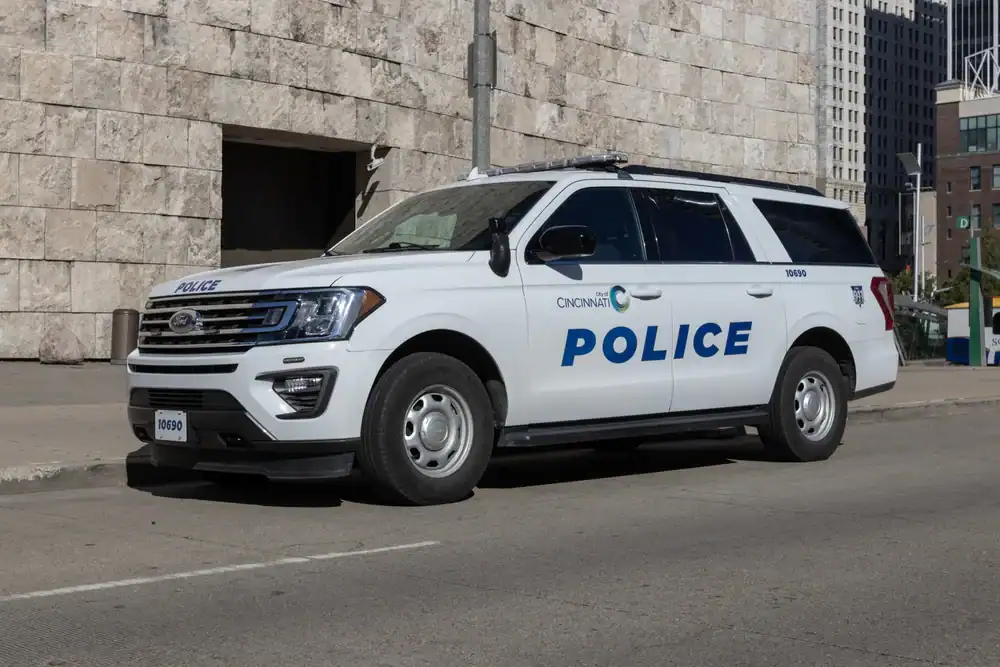
First, you browse our current inventory of used police cruisers for sale. We stock Ford Police Interceptor Utilities, Crown Victorias, and other retired patrol vehicles. Each listing includes mileage, known history, and any visible wear or modifications.
When you find something that fits your budget and needs, you can come see it in person. We’re upfront about idle hours, interior condition, and anything else that affects value. These aren’t showroom cars—they’re work vehicles with real history.
Once you’ve made a decision, the process is straightforward. You handle financing if needed, we handle title transfer, and you drive off in a vehicle that was built to a higher standard than most civilian cars on the road. No auctions, no bidding wars, no wondering if you overpaid.
Ready to get started?
Our lot focuses on Ford Police Interceptors because Ford holds over 60% of the law enforcement vehicle market. That’s not random—it’s because these vehicles pass rigorous testing standards that civilian models don’t face. The Crown Victoria Police Interceptor was the first vehicle worldwide tested to meet a 75-mph rear-impact crash test.
You’ll find Police Interceptor Utilities (the Explorer-based model), older Crown Vics, and occasionally Dodge Charger Pursuit vehicles. All of them share the same core advantages: reinforced frames, upgraded brakes, heavy-duty electrical systems, and maintenance records that most used cars simply don’t have.
In Hazleton and the surrounding areas, these vehicles make sense for rideshare drivers, delivery workers, and anyone who puts serious miles on their car. They’re also popular with small business owners who need a reliable work vehicle without the new-car payment. Used vehicle prices dropped about 5-6% in 2024, which means now is a smart time to buy if you’ve been waiting.
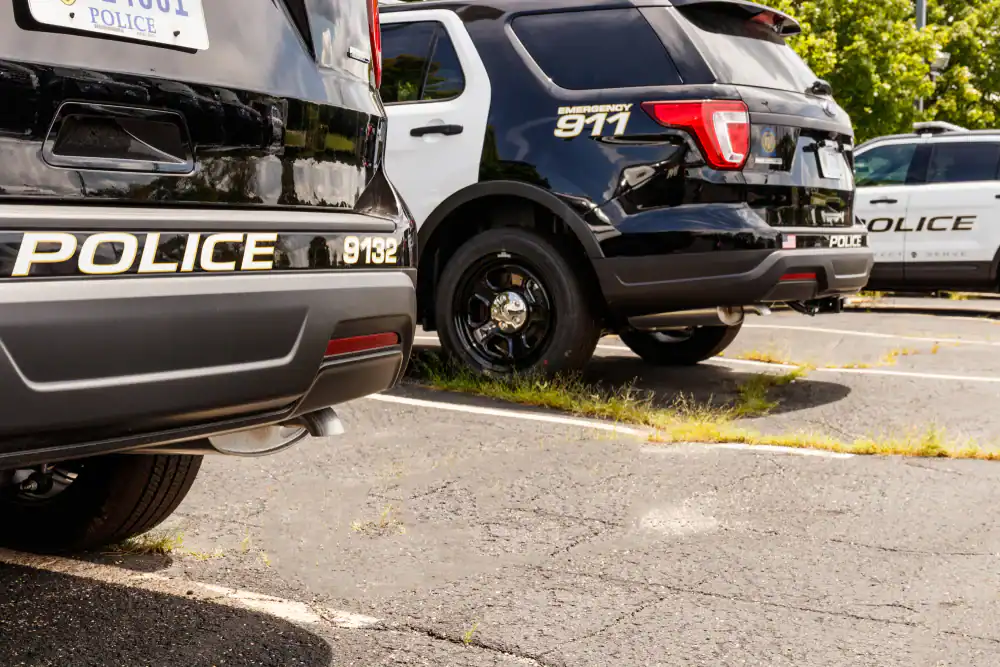
Police departments sell these vehicles in bulk, usually through auctions or direct sales to dealers like us. They’re not trying to maximize profit on each unit—they’re clearing out fleet vehicles to make room for new ones. That’s why a Ford Police Interceptor that would cost $35,000+ new often sells for $8,000 to $12,000 used.
The other factor is perception. A lot of buyers see high mileage or idle hours and assume the vehicle is worn out. But police fleets follow manufacturer maintenance schedules religiously. Every 300 hours, they’re changing oil. Every service interval is documented. Compare that to a typical civilian owner who might stretch oil changes or skip recommended services, and you’ll see why a retired cop car can actually be more reliable than a “low-mileage” car with an unknown history.
You’re also buying a vehicle that’s already depreciated heavily. Police cars lose value fast in the first few years, but after that, they hold steady because the market for them is consistent. Security companies, taxi services, and individual buyers all want them.
Idle hours are the big one. Police cars spend a lot of time idling—running radar, sitting at scenes, powering equipment. An odometer might show 80,000 miles, but if the engine idled for 3,000 hours, that’s equivalent to another 150,000 miles of wear. We disclose idle hours when we have them, but not all departments track or report that data.
Interior condition varies widely. Some departments remove all the equipment cleanly. Others leave holes, worn upholstery, or damage from mounted computers and radios. Check the seats, the center console, and the headliner. If you’re planning to use this as a family car, you’ll want to know what you’re working with.
Fuel economy is another reality check. These vehicles have powerful engines designed for pursuit, not efficiency. Expect 15-18 mpg in mixed driving, maybe less if you’re heavy on the throttle. If you’re comparing costs, factor in the extra fuel. That said, the purchase price is so much lower that you’ll still come out ahead over a few years of ownership.
Yes, if you buy one that was maintained properly. Ford has been building police vehicles since 1950, and they’ve refined the formula over seven decades. The Police Interceptor Utility, based on the Explorer, uses a 3.3L or 3.0L EcoBoost engine with heavy-duty cooling, a reinforced suspension, and upgraded brakes. These aren’t cosmetic changes—they’re functional improvements that make the vehicle more durable.
The Crown Victoria, which was the dominant police car from 1997 to 2013, is still on the road in large numbers because it’s simple to work on and parts are cheap. It’s rear-wheel drive, body-on-frame, and has a 4.6L V8 that’s known for going 200,000+ miles with basic maintenance. If you’re commuting in Hazleton’s mix of city streets and highway miles, a Crown Vic will handle it without issue.
The newer Interceptor Utilities are more comfortable and have better technology, but they’re also more complex. If something breaks, repairs cost more. It depends on what you value—simplicity and low repair costs, or modern features and better handling.
It can, but it’s not automatic. Some insurance companies classify retired police vehicles as higher risk because of their history and modifications. Others treat them like any other used car. You’re looking at somewhere between $1,200 and $2,000 per year for full coverage, depending on your driving record, age, and location.
The key is to shop around before you buy. Call your current insurer and ask how they handle former police vehicles. If they quote you something unreasonable, get quotes from other companies. Some insurers specialize in non-standard vehicles and won’t penalize you for buying a cop car.
One thing that helps: these vehicles have advanced safety features. Reinforced frames, additional airbags, and better braking systems all reduce injury risk in an accident. Some insurers will factor that in. If you’re in Hazleton and you’re using the vehicle for work—rideshare, delivery, or business use—make sure you disclose that, because it affects your coverage and rate.
The Police Interceptor Utility is built on the same platform as the Explorer, but it’s not the same vehicle. Ford adds a heavy-duty alternator (up to 240 amps vs. 150 in civilian models), an upgraded cooling system to handle extended idling, a reinforced suspension to carry extra weight, and a calibrated transmission for pursuit driving. The brakes are larger, the electrical system is more robust, and the frame has additional reinforcement.
You’ll also find different interior materials—vinyl seats instead of cloth, rubber flooring instead of carpet, and mounting points for equipment. Some of this works in your favor (easier to clean), and some doesn’t (less comfortable on long drives). The steering and handling are tuned for stability at high speeds, which makes the vehicle feel more planted but also a bit stiffer than a civilian Explorer.
Ford rates these vehicles for safe operation at 150 mph, which obviously you’ll never do legally, but it tells you how seriously they take durability. The civilian Explorer isn’t tested or built to that standard. If you’re comparing a used Police Interceptor to a used Explorer at the same price, the Interceptor is the better value—assuming you’re okay with the trade-offs in comfort and appearance.
You can, but it’s not as simple as it sounds. Most police auctions are dominated by professional buyers—dealers, junkyard owners, and flippers who know exactly what they’re looking for and what they’re willing to pay. If you show up as an individual buyer, you’re competing against people who do this for a living.
You also don’t get much time to inspect the vehicle. Auctions move fast, and you’re usually bidding based on a quick walk-around and whatever information the auctioneer provides. There’s no test drive, no mechanic inspection, and no guarantee. If you buy a car with a blown transmission or hidden frame damage, that’s on you.
Buying from us at State Surplus Auto Sales means you’re paying a bit more than auction price, but you’re also getting transparency, time to inspect, and someone to call if something goes wrong in the first few days. We’ve already done the auction legwork, sorted through the junk, and brought in the vehicles worth buying. For most people, that’s worth the markup.
Other Services we provide in Hazleton