
Hear from Our Customers
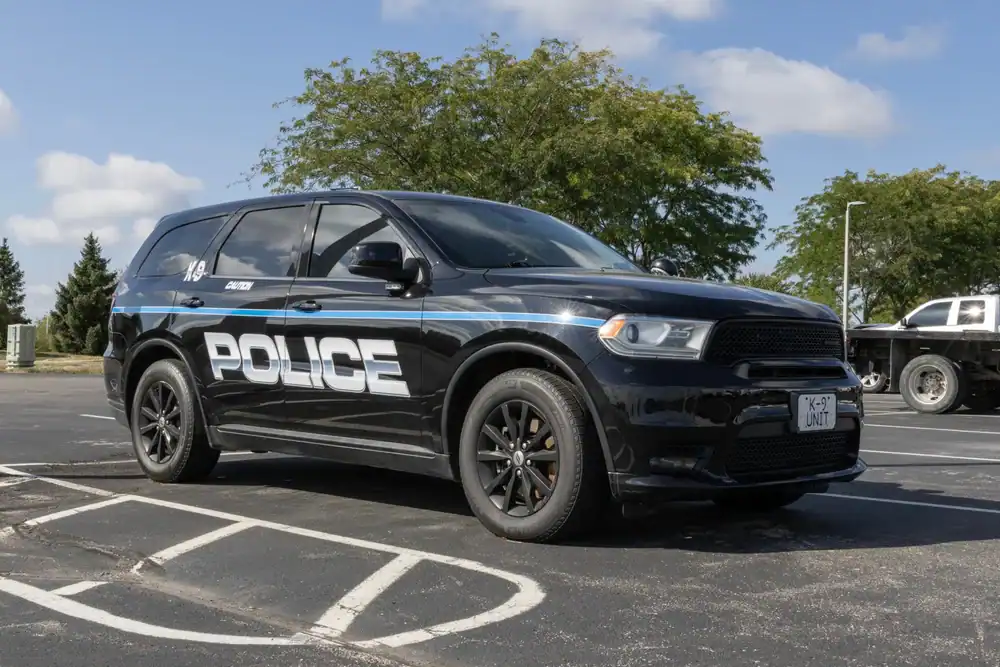
You’re not buying someone’s neglected trade-in. These are Ford Police Interceptors, Dodge Charger Pursuits, and other law enforcement vehicles that were maintained on strict schedules by municipal fleets. They were built to handle high-stress situations, long idle times, and rough roads—the kind of abuse that would destroy most civilian cars.
Most used police cars for sale come with heavy-duty alternators, reinforced frames, upgraded suspension, and performance braking systems. You’re looking at vehicles designed to last, not just look good on a lot. And because they’re decommissioned after hitting department mileage limits—usually between 75,000 and 100,000 miles—you know exactly why they’re available.
The price difference is real. While comparable civilian SUVs and sedans start well above $20,000, retired cop cars for sale typically run between $5,000 and $15,000. That’s not a discount for junk. That’s value for buyers who understand what matters: durability, reliability, and performance you can count on.
State Surplus Auto Sales has been selling used cop cars and government surplus vehicles since before it was trendy. We’ve moved over 35,000 vehicles in that time, and we’re still here because we don’t oversell or hide what these cars are.
Lancaster drivers know what they need—reliable transportation that can handle winter weather, daily commutes, and the occasional pothole-filled back road. That’s exactly what these vehicles were designed for. We’re not trying to convince you a retired police cruiser is a luxury car. We’re showing you why it might be the smartest buy you make this year.
We source our inventory carefully, price it honestly, and let the vehicles speak for themselves. No games. No pressure. Just straightforward information and access to pre owned police cars for sale that actually make sense for your budget.
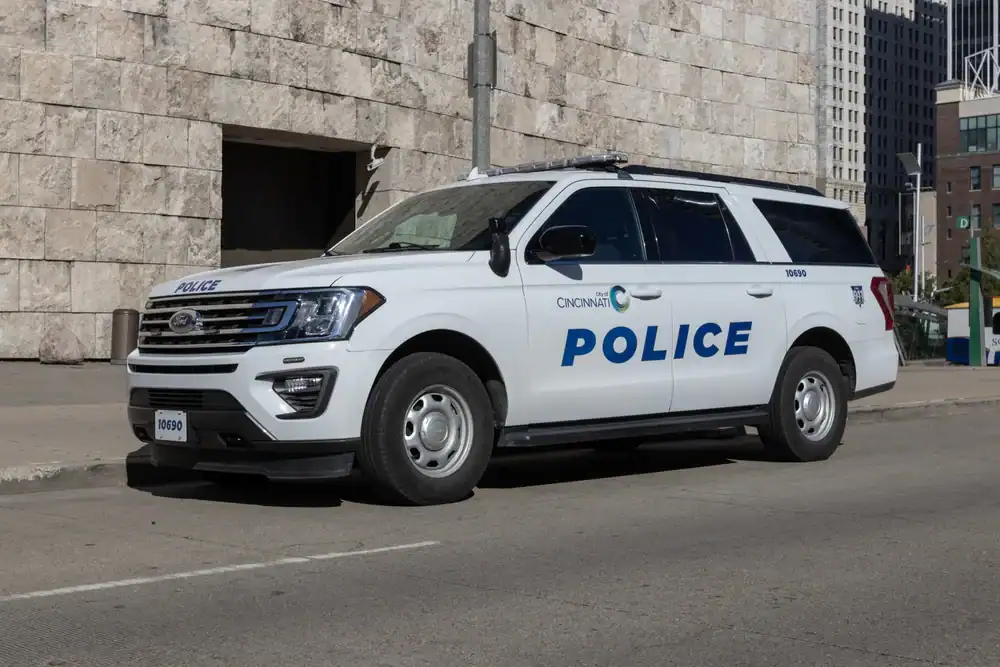
Start by browsing our current inventory of used police cruisers for sale. You’ll see Ford Interceptors, Dodge Chargers, Chevrolet Tahoes, and other models—all with mileage, condition details, and pricing listed upfront. No hidden fees or surprise add-ons.
When you find something that fits, come see it in person. Check the interior, pop the hood, take it for a test drive. These aren’t showroom cars—they’ve been used hard—but that’s also why they’re priced the way they are. You’ll see exactly what you’re getting before you commit.
Once you’re ready, we handle the paperwork and get you on the road. Most buyers are looking for a dependable second vehicle, a work truck, or something their teenager can’t easily destroy. Whatever your reason, the process is simple: find it, inspect it, buy it, drive it.
Ready to get started?
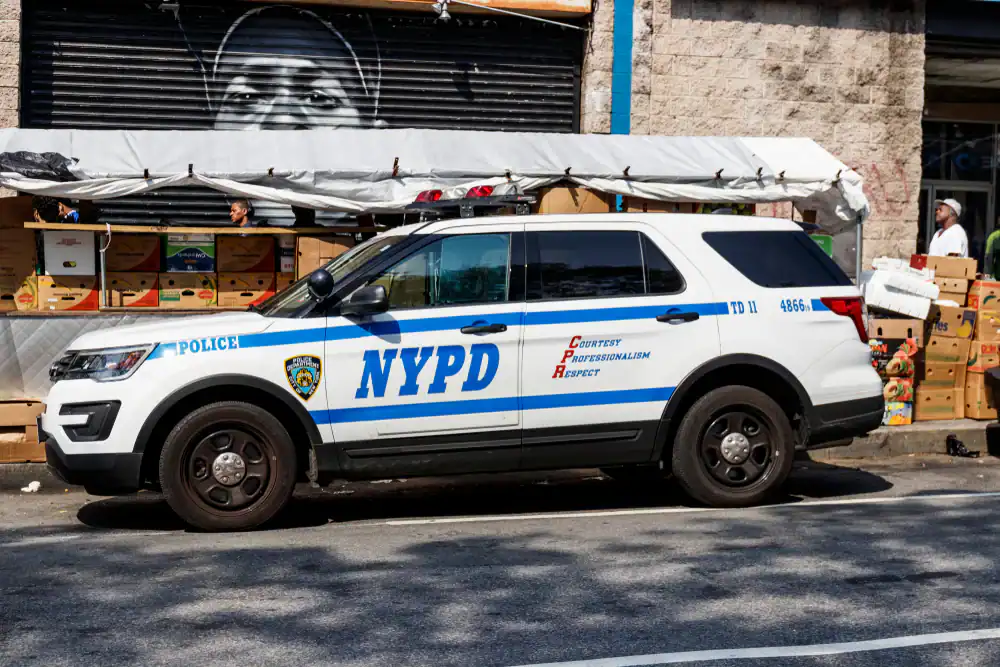
Our inventory rotates, but we consistently stock Ford Police Interceptor Utilities, Dodge Charger Pursuits, and Chevrolet law enforcement models. These aren’t all Crown Vics from 2008. You’ll find newer models with modern safety features, better fuel economy, and updated tech.
Lancaster County drivers deal with real weather and real road conditions. These vehicles were spec’d for that. Many come with all-wheel drive, heavy-duty cooling systems, and reinforced undercarriages. They’ve already proven they can handle stop-and-go traffic, extended idling, and the kind of wear that comes from actual use—not just weekend errands.
Parts are easy to find and affordable. Because these are fleet vehicles built on common platforms, you’re not hunting down specialty components or paying dealer-only prices. Any decent mechanic in Lancaster, PA can work on them. That’s part of why used cop cars make sense for rideshare drivers, small business owners, and families who need a second vehicle that won’t break the bank when something eventually needs replacing.
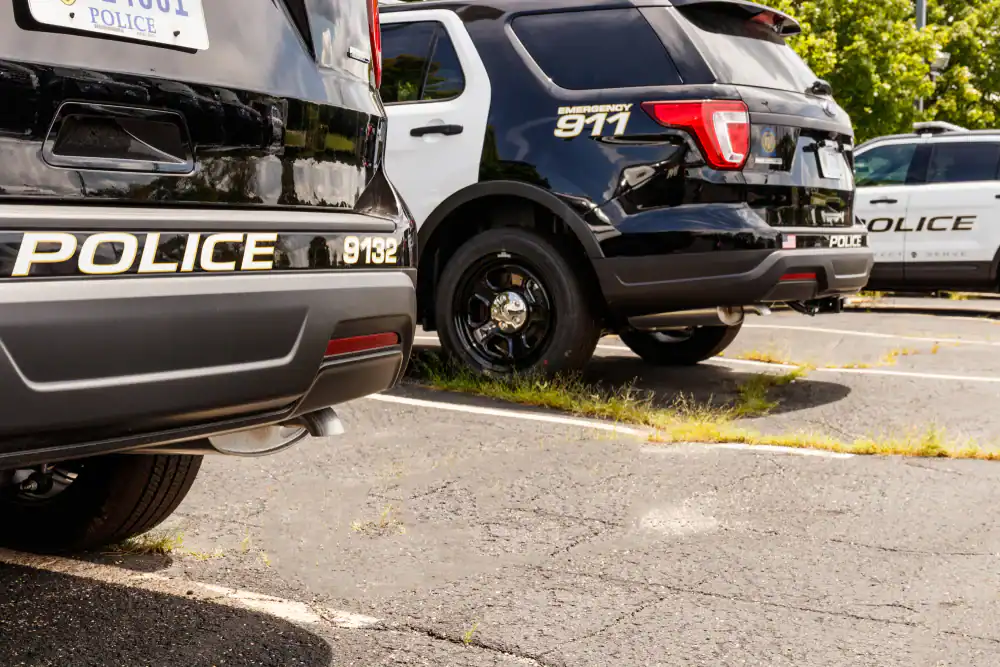
Most retired cop cars for sale have between 75,000 and 150,000 miles. That sounds high if you’re comparing them to a three-year-old sedan with 30,000 miles, but context matters.
These vehicles were built for this kind of mileage. Police departments don’t run their fleets into the ground—they decommission them when they hit predetermined limits, usually between 75,000 and 100,000 miles, depending on the agency. The difference is how those miles were accumulated. Yes, there’s a lot of idling and stop-and-go driving, but there’s also rigorous, scheduled maintenance that most civilian owners never keep up with.
High mileage on a police interceptor doesn’t mean the same thing as high mileage on a neglected commuter car. You’re buying a vehicle that was maintained by a fleet department with records, not someone who skipped oil changes and ignored the check engine light for two years.
No. Parts are affordable and easy to find because these vehicles share platforms with civilian models.
A Ford Police Interceptor Utility is basically an Explorer with heavy-duty components. A Dodge Charger Pursuit shares most of its parts with the standard Charger. That means you’re not stuck ordering specialty law enforcement parts or paying premium prices. Walk into most auto parts stores in Lancaster, PA and they’ll have what you need in stock or can get it by the next day.
This is one of the biggest advantages of buying used police cruisers for sale. You’re getting a vehicle built tougher than the civilian version, but you’re not paying luxury car prices when something needs replacing. Brake pads, alternators, suspension components—it’s all standard stuff that any competent mechanic can handle without special tools or training.
Yes, but call your insurance company before you buy. Most major insurers will cover used cop cars without issue, but some have specific policies about modified or former fleet vehicles.
The key is transparency. Let them know upfront that you’re buying a decommissioned police vehicle. Ask if there are any coverage limitations or premium adjustments. In most cases, you’ll be fine—these are just Ford, Dodge, and Chevrolet vehicles with some extra equipment that’s already been removed before sale.
Some buyers actually find that insurance costs are reasonable because these vehicles have strong safety ratings and were designed with crash protection in mind. The reinforced frames and advanced braking systems aren’t just for high-speed chases—they make these cars safer in everyday driving situations too. Just do your homework before you sign anything.
All law enforcement equipment is removed before these vehicles hit our lot. That includes light bars, sirens, radios, computers, and any police-specific decals or markings.
What you’re left with is the base vehicle—usually with a more stripped-down interior than a civilian model. Don’t expect heated leather seats or a premium sound system. These were work vehicles, not luxury cruisers. But that also means fewer electronic systems to malfunction and less to go wrong over time.
You might see some holes or mounting brackets where equipment was removed. That’s cosmetic, not structural. Some buyers patch and repaint, others leave it as-is. Either way, it doesn’t affect how the vehicle performs. You’re buying it for the engine, transmission, suspension, and overall durability—not for the interior trim.
Three reasons: mileage, perception, and volume. Police vehicles are decommissioned with higher miles than most used cars on dealer lots, which automatically drops the price. There’s also a stigma—some buyers assume these cars were beaten up or unreliable, which isn’t accurate but does affect resale value in your favor.
The third factor is volume. When a department retires a fleet, those vehicles hit the market all at once, usually through government auctions. That creates supply, and supply drives prices down. We buy directly from those sources and pass the savings on.
You’re not paying for dealership overhead, advertising campaigns, or inflated margins. You’re paying for a vehicle that was maintained professionally, built to last, and priced based on actual market conditions—not what someone thinks they can get away with charging. That’s why comparable civilian SUVs cost $20,000 or more while you can find a solid police interceptor for sale in the $5,000 to $15,000 range.
Start with the basics: check the engine, transmission, brakes, and suspension. These are the components that took the most abuse, but they’re also the ones that were maintained most carefully. Look for service records if available—many departments keep detailed logs.
Pay attention to the interior condition. Expect wear on the seats, dashboard, and door panels. Check for any damage from removed equipment. Pop the hood and look for leaks, corrosion, or obvious neglect. Test drive it and listen for unusual noises, vibrations, or handling issues.
Don’t skip the underbody inspection. These vehicles spent a lot of time on the road, so check for rust, frame damage, or exhaust issues—especially if you’re in Lancaster, PA where winter salt takes a toll. If something feels off, walk away. There are plenty of retired cop cars for sale, and you don’t need to settle for one that’s been neglected or poorly maintained post-service.
Other Services we provide in Lancaster