
Hear from Our Customers
You’re looking at vehicles that were built different from the start. These aren’t civilian models with a few upgrades. Police interceptors come with reinforced components, heavy-duty cooling systems, and enhanced electrical setups designed to handle 24/7 operation.
The maintenance history alone changes the equation. Every oil change, every tire rotation, every inspection was documented and done on schedule. No guessing about whether the previous owner kept up with service. You’re seeing the full record before you buy.
Price-wise, you’re typically looking at $3,000 to $8,000 less than a civilian vehicle with similar mileage and features. That’s not because something’s wrong with them. It’s because departments retire vehicles based on time in service, not condition. Many have recent engine work, new transmissions, or fresh tires installed right before retirement. You’re getting performance-grade components at used car prices.
State Surplus Auto Sales focuses exclusively on used police cars for sale in the Lower Merion, PA area. We source directly from law enforcement agencies, which means every vehicle comes with clear documentation and a verifiable history.
Lower Merion and the surrounding Philadelphia suburbs have specific needs when it comes to reliable transportation. You’re dealing with highway commutes, stop-and-go traffic, and weather that tests every vehicle. Retired cop cars were built for exactly these conditions, and our inventory reflects what actually holds up in this region.
We’re not a full-service dealership with repair bays and financing departments. We sell inventory. That keeps our overhead low and our prices competitive. You get access to pre owned police cars for sale without the markup that comes with traditional dealer operations.
You start by checking what’s currently available. Our inventory changes as we acquire new vehicles from different agencies, so what you see today might be different next week. Each listing includes the maintenance records, mileage, and any recent work done before retirement.
When you find something that fits, you can inspect it in person. Look under the hood, check the interior, take it for a test drive. The vehicle history is available for review, so you know exactly what you’re considering. No hidden background, no mystery about how it was used.
Once you’re ready to move forward, the paperwork is standard. Clear title, proper documentation for registration, and everything you need to get the vehicle road-ready. Most buyers in the Lower Merion area can complete the process and drive off the same day. If you need time to arrange payment or insurance, that works too.
Ready to get started?
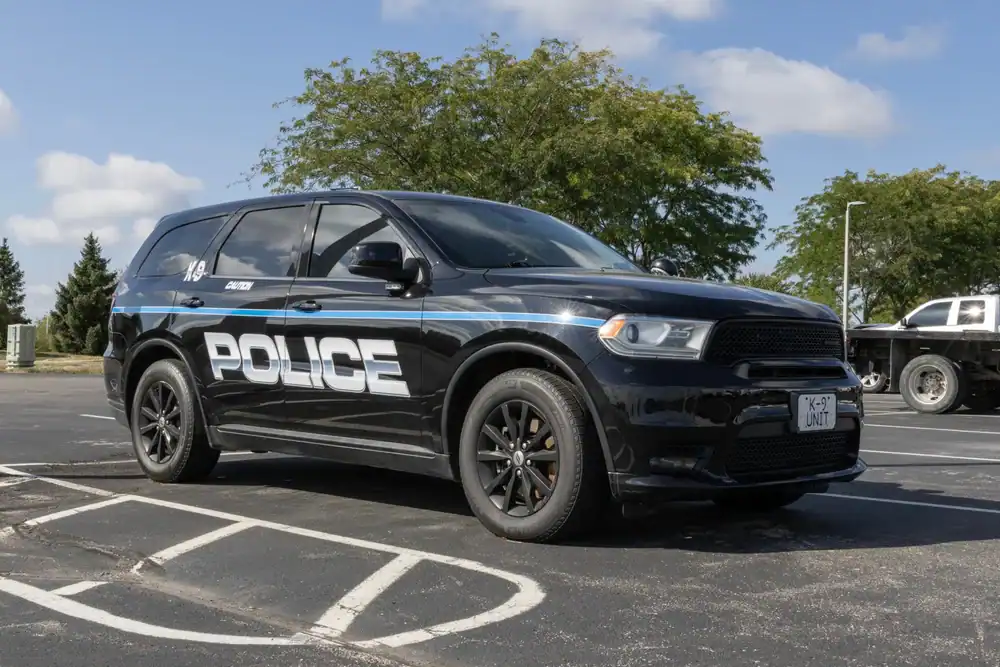
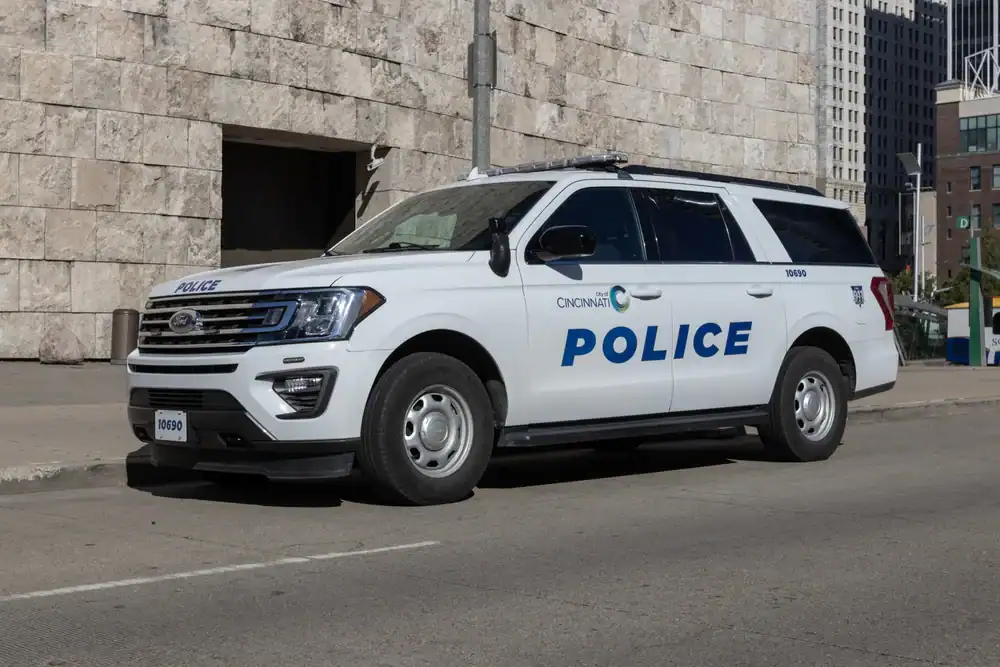
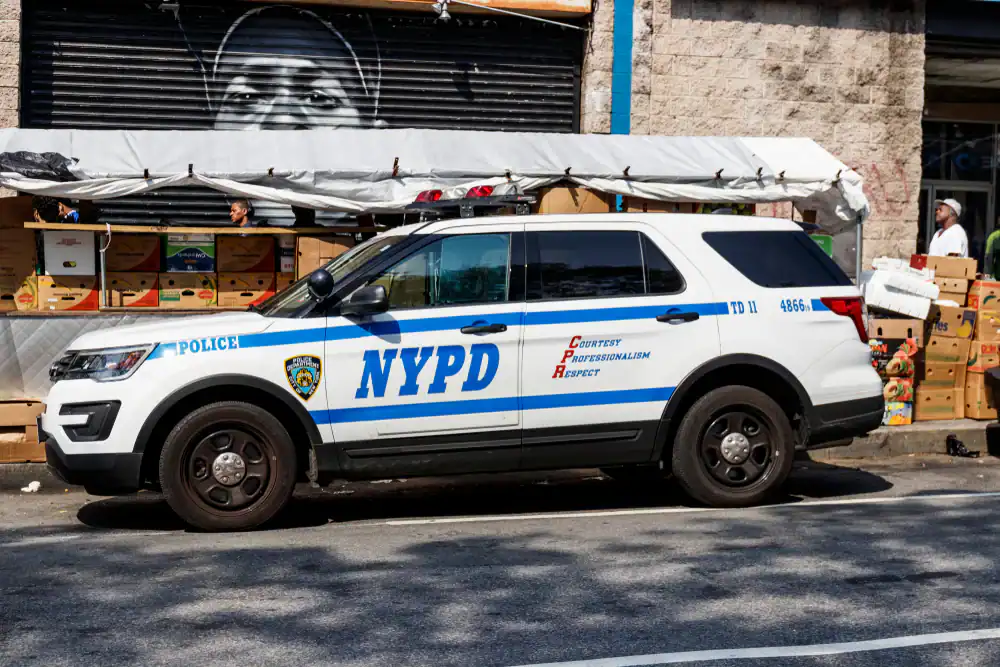
Our current selection includes Ford Police Interceptor Utilities, Crown Victorias, and other pursuit-rated vehicles retired from active duty. These aren’t stripped-down models. You’re looking at vehicles that still have the upgraded suspension, the performance engines, and the heavy-duty components that made them suitable for law enforcement work.
In Lower Merion and the greater Philadelphia area, Ford Interceptors are particularly popular because they handle winter weather well and have the power for highway merging and passing. The all-wheel-drive models are especially practical given the snow and ice conditions you deal with from December through March.
Pricing varies based on year, mileage, and specific features, but you’re generally looking at $5,000 to $15,000 for most vehicles in our inventory. That’s significantly less than comparable civilian SUVs or sedans with similar performance specs. The trade-off is higher mileage in most cases, but remember these are highway miles with documented maintenance, not mystery miles from unknown driving conditions.
Each vehicle comes with a clear title and complete service records. You’re not buying at auction or sight unseen. You see the actual vehicle, review the actual history, and make a decision based on complete information.
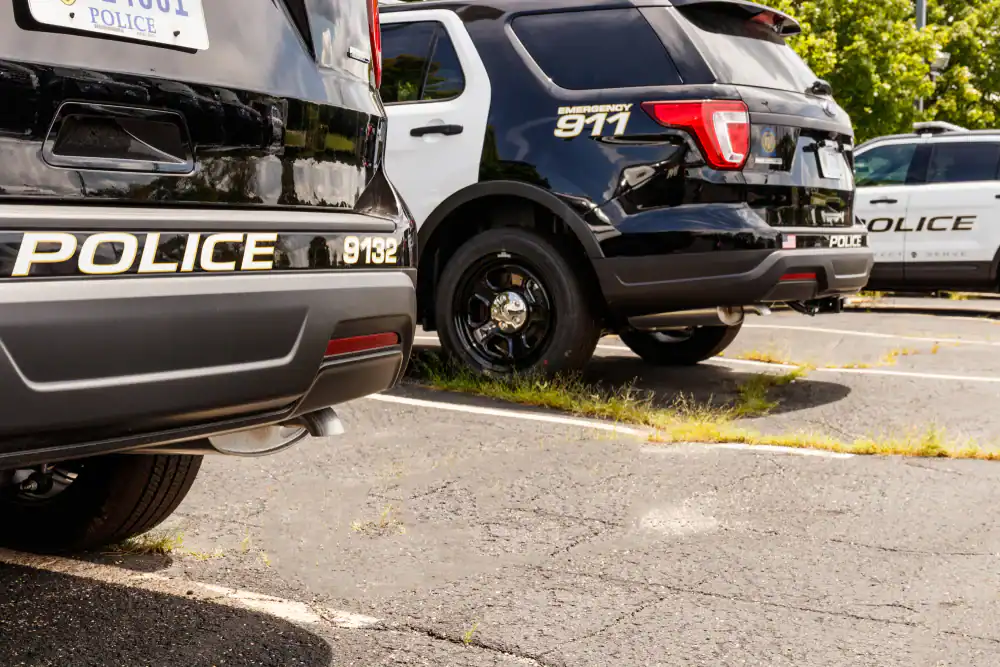
The mileage looks high, but context matters. A police vehicle with 100,000 miles is fundamentally different from a civilian car with the same mileage. Most of those miles are highway patrol miles, not stop-and-go city driving that’s harder on engines and transmissions.
More importantly, these vehicles were maintained on strict schedules regardless of whether they “needed” it or not. Oil changes every 3,000 miles. Tire rotations on schedule. Brake inspections regularly. Everything documented. Compare that to a typical used car where you’re hoping the previous owner kept up with maintenance but have no real way to verify it.
Departments also tend to do major work right before retirement. If a transmission is showing wear at 80,000 miles, they replace it rather than risk a breakdown during active duty. You end up with vehicles that have newer components than the overall mileage would suggest. The reliability comes from the documented care and the quality of the original build, not from low mileage.
Current market pricing for retired police vehicles in the Lower Merion area runs from about $5,000 for older Crown Victorias with higher mileage up to $15,000 for newer Interceptor Utilities with lower miles and recent component replacements. The specific price depends on year, condition, mileage, and what work was done before retirement.
For comparison, a civilian Ford Explorer with similar mileage and age typically runs $8,000 to $12,000 more than the police version. You’re paying less because it’s a fleet vehicle with higher miles, not because there’s something wrong with it. The performance features and build quality are actually higher than civilian models.
The best value tends to be vehicles in the $7,000 to $10,000 range. These are typically 3-5 years old, have 80,000 to 120,000 miles, and often include recent maintenance work. You’re getting a vehicle that’s past the steepest part of the depreciation curve but still has plenty of usable life left, especially given the maintenance history and heavy-duty components.
Yes, and you should absolutely review them. Every vehicle we sell comes with the maintenance documentation from the department that operated it. This includes scheduled service, repairs, part replacements, and inspection records. It’s one of the biggest advantages of buying a retired police vehicle over a typical used car.
The records show you exactly what was done and when. You can see if the transmission was replaced at 85,000 miles. You can verify that oil changes happened every 3,000 miles like clockwork. You can check when the tires were last replaced, when brake work was done, and what other components received attention.
This level of documentation is rare in the used car market. Most private sellers can’t provide it, and even dealer trade-ins often have incomplete service histories. With a retired cop car, the full record is part of the package. You’re making a decision based on complete information, not hoping for the best.
The main consideration is that these vehicles were used hard, even if they were maintained well. Extended idling during shifts puts different wear on engines than typical driving. The interiors often show more wear from constant use. Some vehicles have holes in the roof or trunk from removed equipment like light bars or radios.
That said, the mechanical components are typically in better shape than civilian vehicles with similar age and mileage. The engines and transmissions were built to higher specs from the factory. The cooling systems are upgraded to handle extended idling. The electrical systems have more capacity. These aren’t weaknesses, they’re actually strengths.
The cosmetic issues are real but usually minor. Some buyers actually prefer the equipment holes and wear marks because they add to the vehicle’s character and history. Others plan to address them with basic repairs or just accept them as part of owning a retired police vehicle. Mechanically, you’re typically getting a more durable vehicle than the civilian equivalent, not a more problematic one.
They handle the demands of this region well. The all-wheel-drive models manage snow and ice without issue. The engines have enough power for highway merging and passing, which matters on I-76 and the Schuylkill. The suspension is firmer than civilian models, which some people prefer and others find too stiff for daily comfort.
Fuel economy is lower than civilian vehicles. You’re looking at 15-18 mpg in mixed driving for most Interceptor Utilities, compared to 20-23 mpg for civilian Explorers. That’s the trade-off for the performance features and heavier-duty components. If you’re commuting from Lower Merion into Philadelphia daily, factor that into your operating costs.
The size works well for families or anyone who needs cargo space. The Interceptor Utility has the same interior room as a civilian Explorer. The Crown Victoria sedans are large vehicles with plenty of trunk space. Both handle Philadelphia-area potholes and rough roads better than lighter vehicles. For daily driving in this region, they’re practical and capable, just not as refined or fuel-efficient as civilian models.
Inventory moves faster than it used to. The used car market has pushed more buyers toward retired police vehicles, and good examples don’t sit around long. If you see something that fits your needs and budget, plan to act within a few days, not a few weeks.
That doesn’t mean you should skip the inspection or rush the decision. Take time to review the maintenance records, test drive the vehicle, and verify everything checks out. But once you’ve done your due diligence, don’t wait too long expecting it to still be available next week.
The flip side is that new inventory comes in regularly. If you miss one vehicle, another similar option will likely appear within a couple weeks. The key is knowing what you want so you can move quickly when the right vehicle shows up. Have your financing or payment method ready, know what features matter to you, and be prepared to complete the purchase when you find a good match.
Other Services we provide in Lower Merion