
Hear from Our Customers
Most used cars have a mystery past. You’re guessing how the last owner treated it, whether maintenance got skipped, or if that low price means hidden problems waiting to surface.
Retired cop cars for sale are different. These vehicles were maintained on strict schedules because departments can’t afford breakdowns during shifts. You’re looking at heavy-duty brakes, reinforced suspension, powerful engines built for pursuit-level performance, and cooling systems designed to handle hours of idling without overheating.
The mileage might look high, but here’s what matters more: these cars were built to take punishment. Potholes, curbs, rough roads, long idle times. They handled it all and kept running. That’s the kind of durability most civilian vehicles never see, and it’s exactly what you need if you’re putting serious miles on your car for work, rideshare, delivery, or just getting your family where they need to go every day.
We focus exclusively on used police cars for sale. No side hustles, no unrelated inventory. Just pre-owned police cars that come from government and law enforcement fleets.
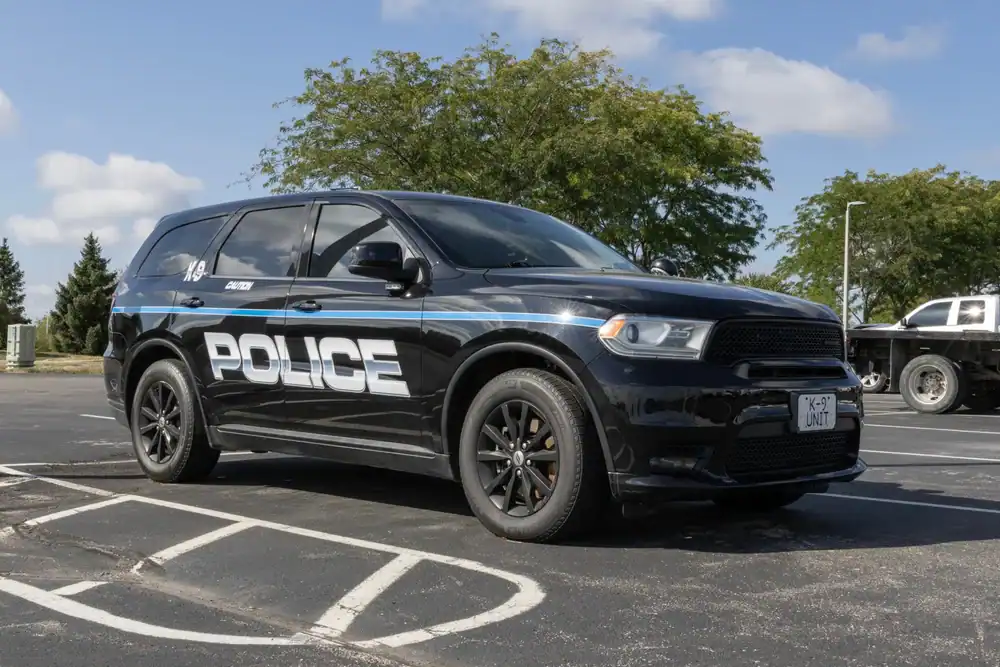
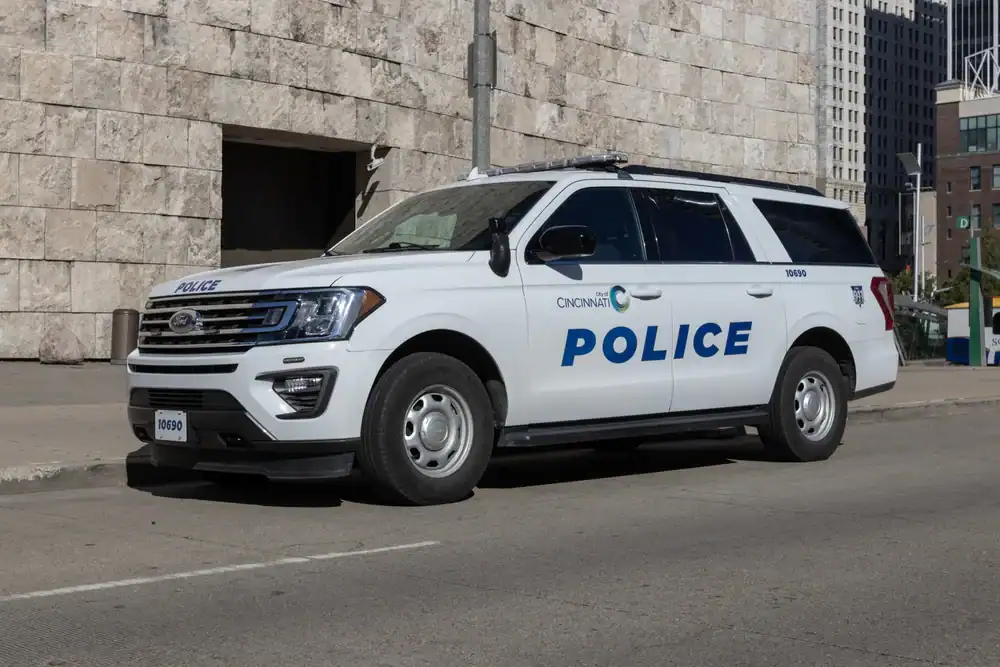
Williamsport drivers know the value of a vehicle that can handle Pennsylvania winters, rough roads, and daily demands without constant trips to the shop. That’s why we stock Ford Police Interceptors, Dodge Charger Pursuits, and other fleet vehicles that were built for durability first and everything else second.
We’re not here to oversell you or hide details. You get the vehicle history we have, transparent pricing, and straight answers about what you’re buying. No warranties, no test drives before purchase—that’s the reality of government surplus sales. But what you do get is a performance-built vehicle at a fraction of what you’d pay for something comparable on a regular used car lot.
You start by browsing our current inventory of used police cruisers for sale. We list what we have available, including make, model, mileage, and any relevant details about the vehicle’s history or condition.
When something catches your eye, you reach out. We answer your questions honestly—what we know about the vehicle, what condition it’s in, what’s been done to it. If you’re local to Williamsport, PA, you can come see it in person. If you’re further out, we work with you remotely.
Once you’re ready to move forward, we handle the paperwork and get you set up with your purchase. These are sold as-is, which means you’re buying the vehicle in its current condition. No implied warranties, no guarantees beyond what we’ve told you upfront. That’s standard for police car sales, and it’s why the pricing is so much lower than retail.
After purchase, the vehicle is yours. You handle registration, insurance, and any modifications or repairs you want to make. Most buyers find that parts are easy to source and affordable since these models were produced in high volume for fleet use.
Ready to get started?
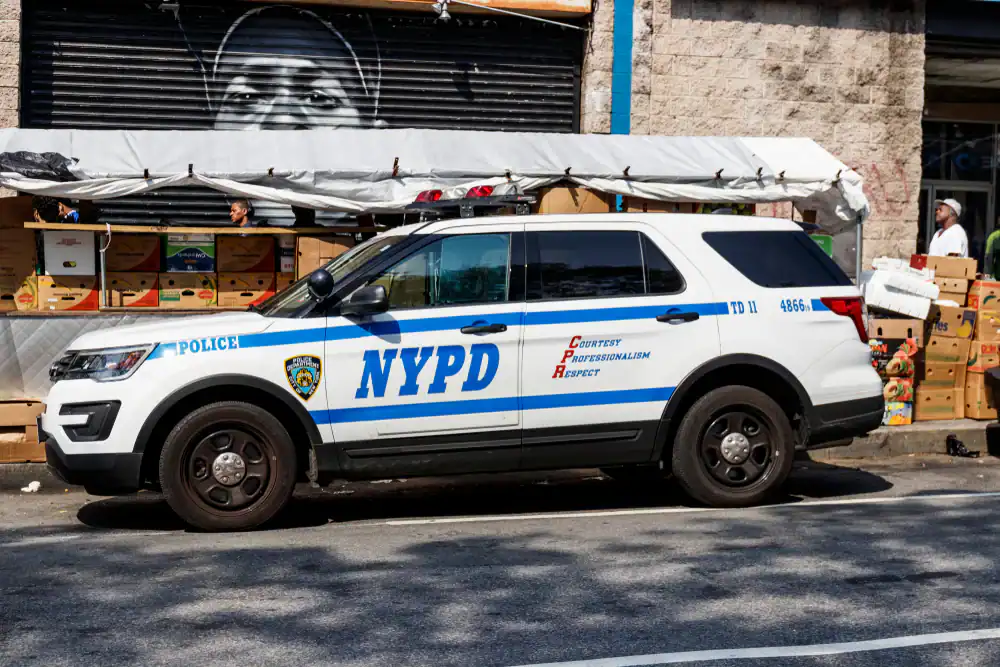
Our inventory rotates based on what becomes available from government and law enforcement sources. You’ll typically find Ford Police Interceptor Utility models, Ford Taurus Police Interceptors, Dodge Charger Pursuits, and occasionally Crown Victorias if you’re looking for that classic police sedan.
In the Williamsport area, demand for used police cars has stayed consistent. Buyers here aren’t just collectors or enthusiasts. You’ve got small business owners who need work vehicles that won’t quit, rideshare drivers who need something roomy and tough, families looking for a safe second car, and young drivers who want their first vehicle to be reliable without breaking budget.
Pennsylvania winters and road conditions make durability a priority, not a luxury. That’s where these vehicles shine. They were spec’d for all-weather performance, built with larger alternators to handle equipment loads, equipped with heavy-duty cooling systems, and designed to keep running when civilian cars would be in the shop. You’re not paying for leather seats or a premium sound system. You’re paying for a vehicle that works when you need it to.
The average used cop car sells for around $6,000 with 120,000 miles. You can pay more for lower mileage or less if you’re comfortable with higher readings. Either way, you’re looking at pricing well below comparable civilian vehicles from the same model year.
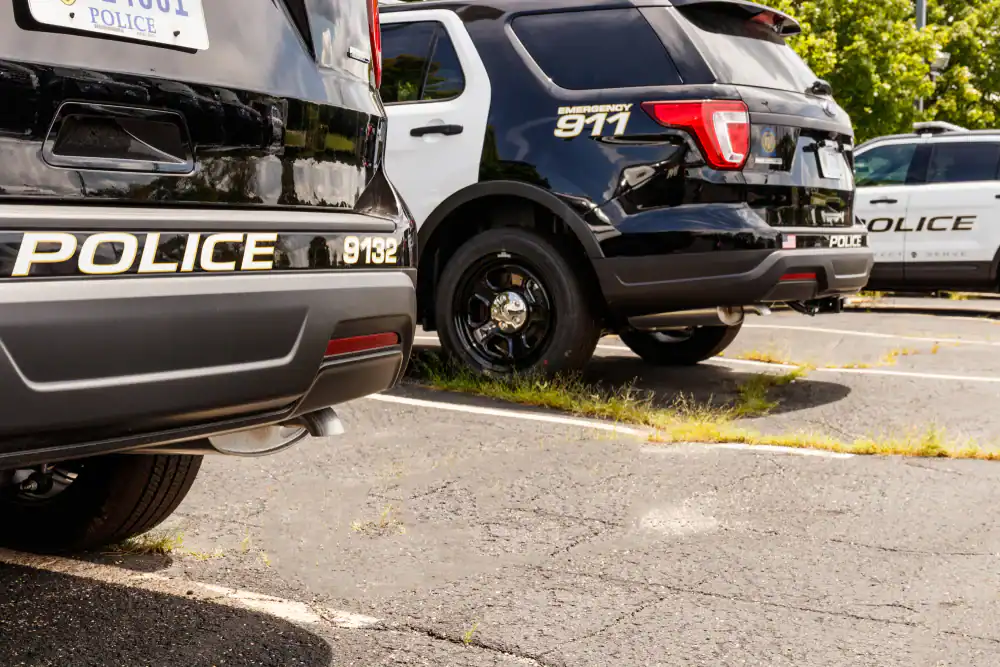
The price gap comes down to perception and mileage. Most police vehicles get sold with 100,000 to 150,000 miles or more, and buyers see that number and assume the car is worn out. But mileage alone doesn’t tell the full story.
Police cars spend a lot of time idling, which puts wear on the engine that doesn’t show up on the odometer. That’s a real consideration. But these vehicles were also maintained on strict schedules with regular inspections, fluid changes, and part replacements. Departments can’t afford breakdowns, so they stay on top of maintenance in ways most private owners don’t.
The other factor is stigma. Some buyers don’t want a former police car, whether it’s because of the association or because they assume it was beaten up. That perception drives prices down at auction, which means you benefit if you’re focused on value and performance rather than appearances. You’re getting a vehicle built with heavy-duty components, sold at a discount because of cosmetic wear and high mileage that doesn’t reflect the actual durability of the car.
Mileage on police vehicles typically ranges from 120,000 to 160,000 miles, sometimes higher. That sounds like a lot, and it is. But you need to think about what kind of miles those were.
Highway miles are easier on a vehicle than city miles. Police cars rack up both, but they also spend significant time idling—sitting at intersections, parked during shifts, running equipment. Idling puts wear on the engine without adding miles to the odometer, so the actual engine hours are higher than the mileage suggests.
That’s the downside. The upside is that these vehicles were built for this kind of use. Larger radiators, upgraded alternators, heavy-duty transmissions, better cooling systems—all designed to handle the stress of constant operation. Components that would fail on a civilian car at this mileage were either reinforced from the factory or replaced during service. You’re not buying a regular car with high miles. You’re buying a fleet vehicle that was engineered for durability and maintained to keep running under conditions that would sideline most cars.
No. Used police cars sold from government surplus or auction don’t come with warranties or mechanical certifications. You’re buying the vehicle as-is, in its current condition, with no guarantees beyond what we disclose upfront.
That’s standard across the board for police car sales, and it’s part of why the pricing is so much lower than retail. You’re taking on the risk that comes with a high-mileage vehicle, and in exchange, you’re paying a fraction of what you’d spend on a comparable car from a dealership.
Some buyers are comfortable with that trade-off, especially if they have mechanical knowledge or access to affordable repair options. Others aren’t, and that’s fine. This isn’t the right fit for everyone. But if you’re looking for a durable vehicle at a price that makes sense and you’re willing to handle repairs as they come up, the lack of warranty isn’t necessarily a dealbreaker. Just go in with your eyes open about what you’re buying and what you’re responsible for after the sale.
No. Parts for police vehicles are generally affordable and easy to find. Most police cars are based on high-volume consumer models—Ford Explorers, Ford Taurus sedans, Dodge Chargers—which means parts are stocked at regular auto parts stores and salvage yards.
The police-specific components, like reinforced suspension parts or heavy-duty alternators, are also widely available because these vehicles were produced in large numbers for fleet use. You’re not dealing with rare or specialty parts that require expensive sourcing.
Labor costs depend on where you take the vehicle and what needs to be done, but the mechanical simplicity of these cars works in your favor. They’re not loaded with complex electronics or luxury features that require specialized diagnostics. They’re straightforward, work-focused vehicles designed to be serviced quickly and kept on the road. That translates to lower repair costs over time compared to many civilian cars in the same price range.
The Police Interceptor Utility is a factory-modified version of the Ford Explorer, built specifically for law enforcement use. The differences aren’t just cosmetic—they’re functional upgrades designed for performance and durability.
You get a more powerful engine, often the 3.0L EcoBoost or 3.3L V6, calibrated for pursuit-level acceleration. The suspension is reinforced to handle rough roads and high-speed driving. The brakes are upgraded for better stopping power under stress. The cooling system is larger to manage extended idling and equipment loads. The electrical system includes a heavy-duty alternator to power lights, radios, computers, and other gear without draining the battery.
The interior is stripped down compared to a consumer Explorer. No fancy infotainment, no premium materials. Just durable, easy-to-clean surfaces and a focus on utility. Some buyers see that as a downside. Others appreciate the simplicity—fewer things to break, easier to maintain, and a lower cost of ownership overall. If you’re buying a vehicle for work, daily driving, or anything that prioritizes function over comfort, the Police Interceptor Utility gives you more capability for less money than a civilian SUV.
Most insurance companies will cover former police vehicles, but some may hesitate or charge higher premiums depending on their policies. The concern usually centers around the vehicle’s history—how it was used, whether it was involved in pursuits, and the perceived risk of insuring a high-mileage fleet vehicle.
Your best move is to contact your insurance provider before you buy and ask specifically about coverage for a retired police vehicle. Get a quote based on the make, model, and VIN if possible. Some insurers treat these cars like any other used vehicle. Others flag them as higher risk and adjust rates accordingly.
If your current provider won’t cover it or quotes you a rate that doesn’t make sense, shop around. Not all insurers have the same policies, and you’ll likely find one that’s willing to work with you at a reasonable price. Just don’t assume coverage is automatic. Do the research upfront so you’re not stuck with a car you can’t legally drive after purchase.
Other Services we provide in Williamsport