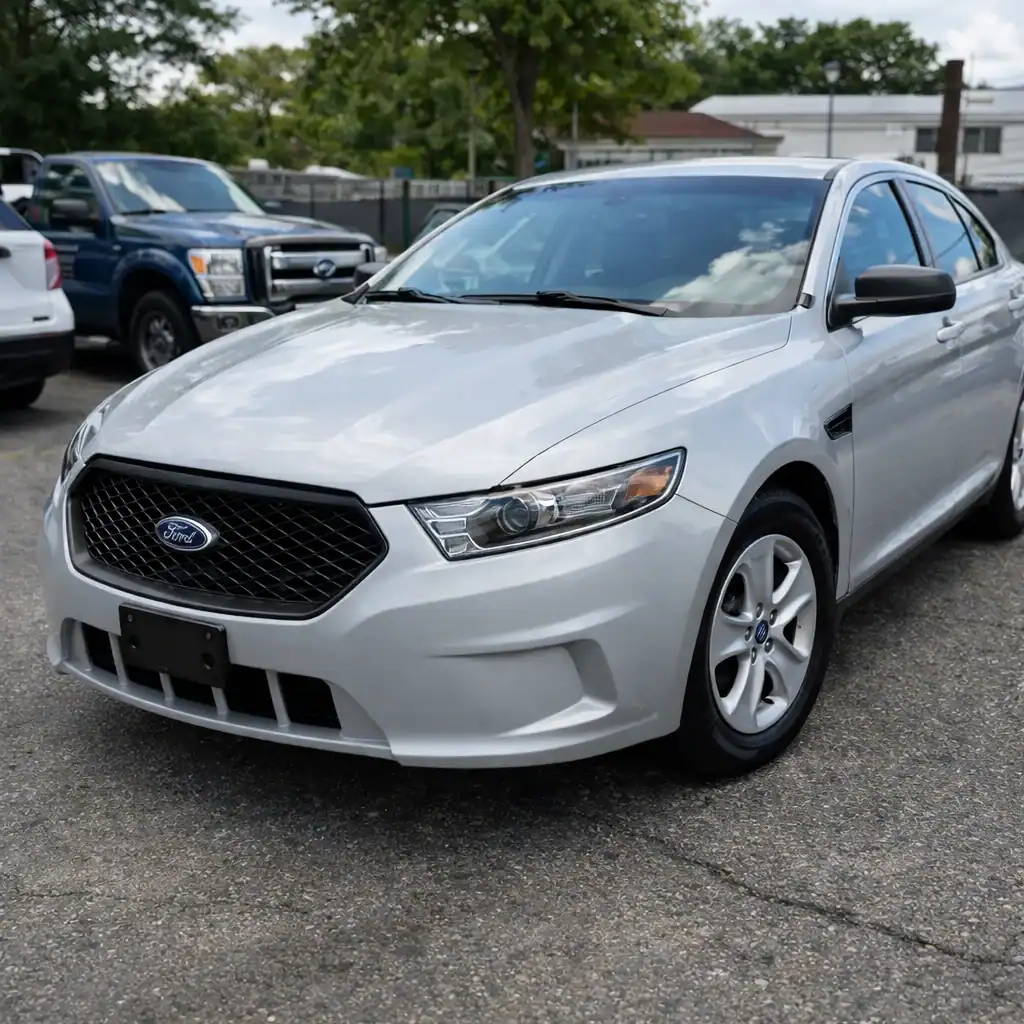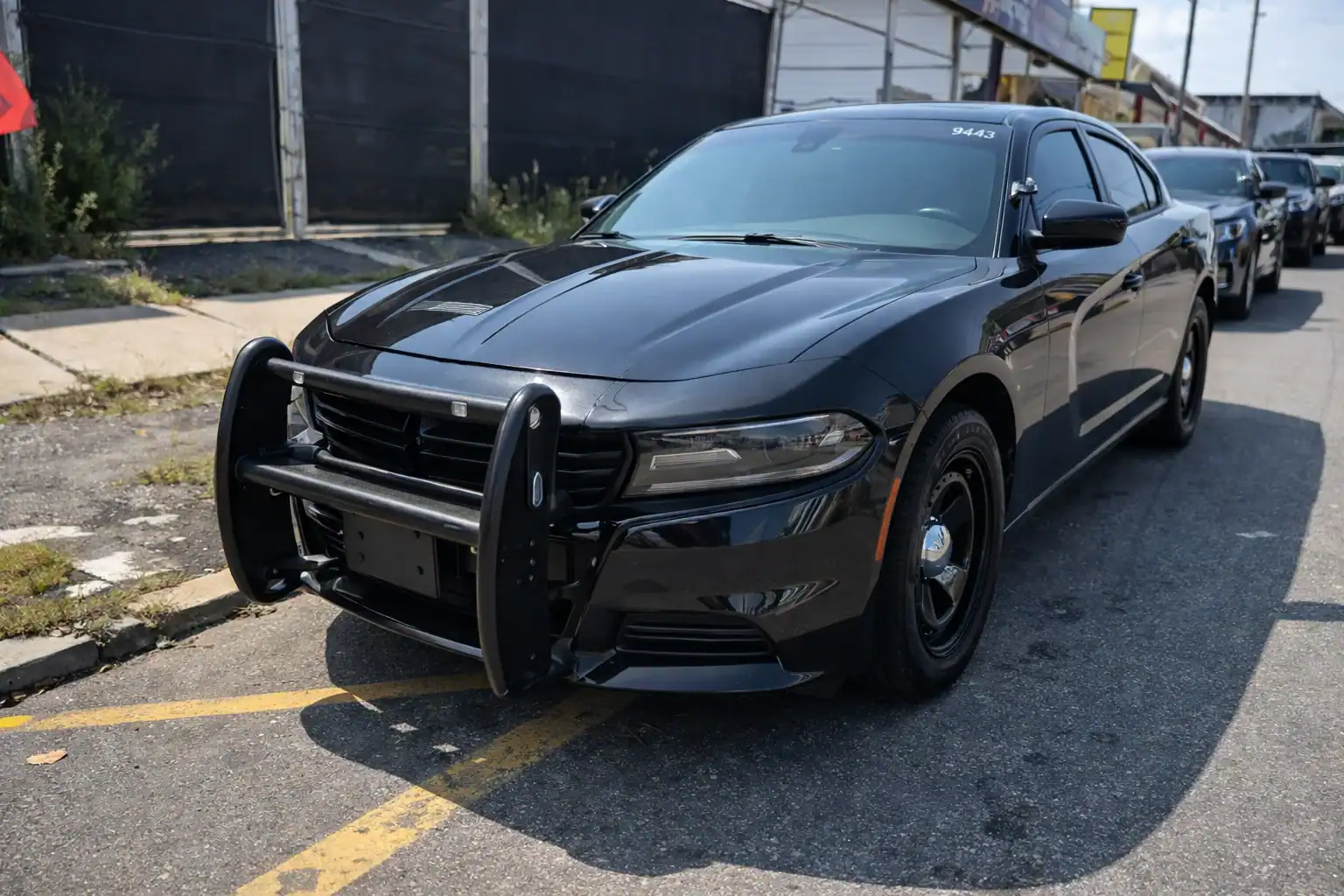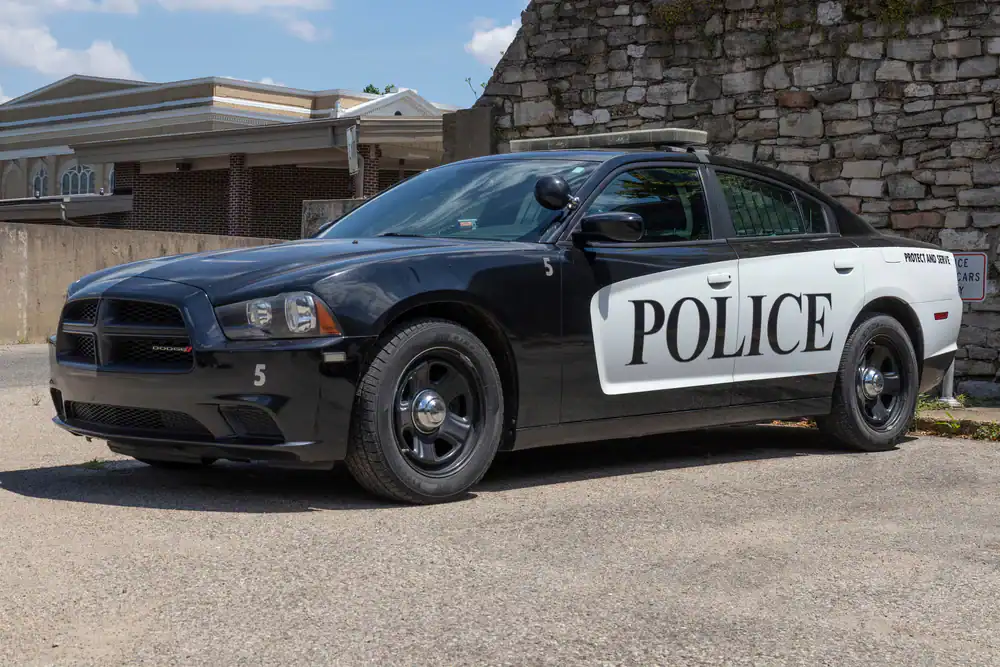
Retired police vehicles offer more than affordable transportation. Their heavy-duty build and performance capabilities make them ideal for work trucks, security patrol, commercial use, and specialized projects across the tri-state area.
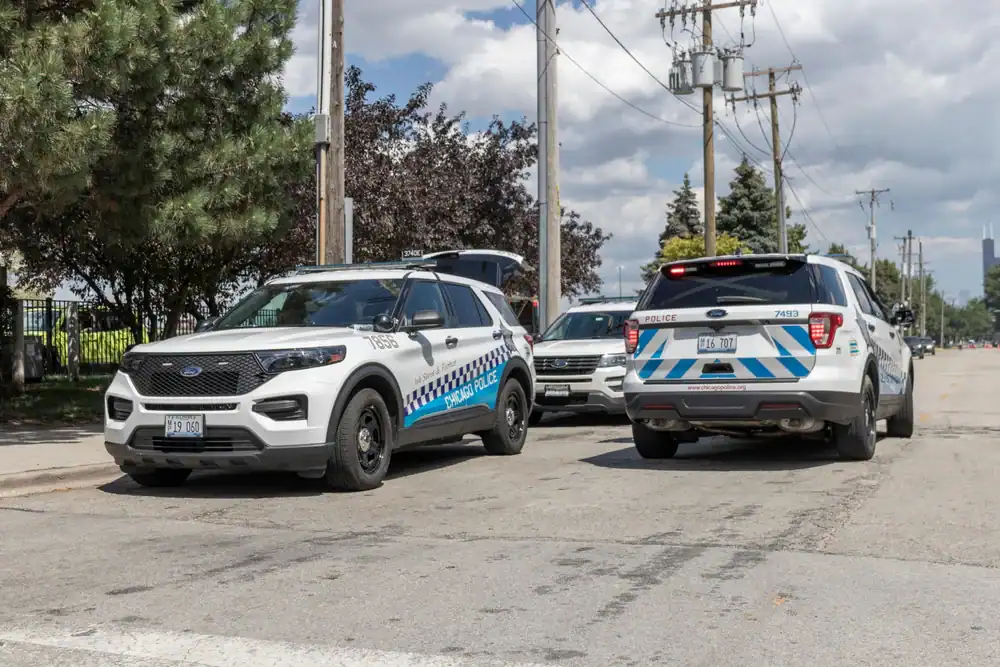
When police departments retire their fleets, they’re not getting rid of junk. They’re cycling out vehicles that have reached predetermined mileage thresholds, usually between 75,000 and 100,000 miles. What you’re buying is a vehicle that was maintained on a strict schedule, built with reinforced components, and tested under conditions that would destroy most civilian cars.
The difference shows up where it matters. Heavy-duty suspension handles rough roads and heavy loads without sagging. Upgraded cooling systems prevent overheating during extended use. Reinforced frames maintain structural integrity under stress. These aren’t marketing claims—they’re specifications required for pursuit-rated certification.
For anyone who needs a vehicle that works as hard as they do, that foundation matters more than low mileage or a pristine interior.
Small business owners across New Jersey, New York, and Pennsylvania face a constant challenge: finding vehicles that can handle daily abuse without constant repairs or replacement. This is exactly what retired police interceptors were designed for. Security companies have figured this out already, buying former patrol vehicles and putting them right back into service for mobile patrols and rapid response.
The Ford Police Interceptor Utility, based on the Explorer platform, offers over 52 cubic feet of cargo space behind the second row. That’s enough room for tools, equipment, or inventory. The all-wheel drive system provides traction in all weather conditions—critical for tri-state winters. The heavy-duty alternator can power additional equipment without draining the battery.
Delivery services and rideshare drivers operating throughout Newark, NJ and surrounding areas benefit from the same advantages. These vehicles were built to run multiple shifts, handle stop-and-go traffic, and keep going when civilian models would need repairs. The seats are designed for officers wearing duty belts and body armor, which means they’re built for comfort during long hours behind the wheel.
Contractors and tradespeople find value in the utility. You’re not babying this vehicle. You’re loading it with materials, driving to job sites on rough roads, and parking it in areas where door dings are inevitable. A retired police SUV handles all of that without complaint, and when something does need fixing, parts are readily available at most auto parts stores.
The pricing makes it work financially. Where a comparable civilian SUV might cost $25,000 to $35,000 used, these police interceptors for sale often range from $5,000 to $15,000 depending on mileage and condition. For a business vehicle that’s going to accumulate miles and take abuse anyway, that price difference goes straight to your bottom line.
The performance gap between police interceptors and their civilian counterparts isn’t subtle. Take the Ford Police Interceptor Utility with the 3.0L EcoBoost V6 engine. It produces 400 horsepower and 415 lb-ft of torque, with a top speed of 148 mph. The standard hybrid version delivers 318 horsepower with instant torque from the electric motor for quick acceleration from a stop.
These aren’t numbers you’ll find on a standard Explorer. Police packages include transmission tuning specifically calibrated for aggressive driving, with shift points optimized for acceleration rather than fuel economy. The suspension components are reinforced and tuned for high-speed stability. The braking system features larger rotors with 60% greater swept area compared to previous police models.
What does this mean for practical use? If you’re towing a trailer, that extra power matters. If you’re navigating highway merges with a loaded vehicle, that acceleration keeps you safe. If you’re driving in winter conditions across the tri-state area, that intelligent all-wheel drive system actively distributes torque to maintain traction.
The durability testing these vehicles undergo exceeds anything required for civilian certification. Ford validates its police interceptors through 8-inch curb impacts, 30-mph railroad crossings, median crossings, and water fording up to 10 inches at 40 mph. The vehicles are designed to handle punishment that would total a standard SUV.
This over-engineering creates value for anyone who needs reliability. You’re not wondering if the vehicle can handle rough conditions. It was literally built for them. The components that fail first on civilian vehicles—suspension, brakes, cooling systems—are the exact components upgraded on police packages.
For buyers throughout New Jersey, New York, and Pennsylvania where winter weather, rough roads, and heavy use are normal, you’re getting capability that costs significantly more in a civilian package, if it’s available at all.
Want live answers?
Connect with a State Surplus Auto Sales expert for fast, friendly support.
Understanding what you’re actually buying matters more than getting caught up in the low price. Retired police vehicles come with trade-offs that don’t bother some buyers but are dealbreakers for others.
The interiors show wear. Seats have been sat in by multiple officers across multiple shifts. There are holes in the dashboard where equipment was mounted. The center console might have been modified or removed entirely. You’re not getting leather seats and premium sound systems. These are work vehicles with vinyl flooring and basic features.
The mileage is real, but context matters. A vehicle with 100,000 highway patrol miles is different from one with 100,000 urban patrol miles. Ask how the vehicle was used. Highway patrol cars accumulate miles at steady speeds with less wear on components. Urban patrol vehicles see more stop-and-go driving and idle time.
Smart buyers don’t skip the inspection, regardless of price. Start with the maintenance records if they’re available. Police departments typically maintain detailed service logs showing oil changes, brake replacements, and major repairs. These records tell you how the vehicle was treated during its service life.
Check the idle hours if that information is accessible. Police vehicles spend significant time idling, which creates engine wear that doesn’t show on the odometer. Some departments track this, others don’t. If idle hours aren’t available, focus on the condition of components that idle time affects—engine mounts, exhaust system, cooling system.
Inspect the body and frame for damage. Police vehicles sometimes hit curbs, medians, or other obstacles during pursuits or emergency responses. Look for signs of frame straightening, uneven panel gaps, or fresh paint that doesn’t match. Minor cosmetic damage is expected and usually priced in. Structural damage is a different issue.
Test the mechanical systems thoroughly. The suspension should feel firm but not harsh. The brakes should engage smoothly without pulsing or pulling. The transmission should shift cleanly without hesitation or slipping. The all-wheel drive system should engage without noise or vibration.
Pay attention to what’s missing. Police equipment gets removed before sale, sometimes leaving wiring harnesses, mounting brackets, or holes that need addressing. Some sellers patch these properly, others don’t. Factor in the cost of any repairs or modifications you’ll need to make the vehicle work for your purposes.
Don’t assume parts availability means easy repairs. While standard components like brakes, alternators, and suspension parts are readily available throughout the tri-state area, some police-specific modifications might complicate repairs. Ask whether the vehicle has been returned to civilian specifications or still carries police-only components.
The purchase price is only part of the equation. Retired police interceptors typically consume more fuel than their civilian equivalents. The performance tuning, heavier components, and all-wheel drive systems all impact fuel economy. Budget accordingly if you’re planning high-mileage use across New York, New Jersey, or Pennsylvania.
Insurance costs vary by provider. Some companies charge higher rates for former police vehicles, others don’t differentiate. Call your insurance agent before buying to understand how it affects your premiums. The same applies to registration and inspection requirements, which can vary between New Jersey, New York, and Pennsylvania.
Maintenance costs should be lower than expected if you’re buying a well-maintained vehicle. The heavy-duty components last longer under normal use than civilian parts. Oil changes and routine service follow standard intervals. The advantage comes when major components like suspension, brakes, or cooling systems need replacement—they’re designed to go longer between services.
Parts availability keeps repair costs reasonable. Because police interceptors are based on popular civilian models like the Ford Explorer or Dodge Charger, replacement parts are stocked at most auto parts stores throughout the tri-state area. You’re not hunting for specialty components or paying premium prices for rare parts.
The real value shows up in longevity. A properly maintained retired police vehicle can easily exceed 200,000 miles with normal maintenance. The heavy-duty components that were over-engineered for police use become an advantage when the vehicle is used for less demanding applications. You’re essentially getting commercial-grade durability at used-car prices.
For businesses operating in Newark, NJ and surrounding areas, this math works differently than for personal use. A vehicle that costs $10,000 and lasts five years with minimal repairs delivers better value than a $30,000 vehicle that lasts seven years. The lower initial investment frees up capital for other business needs while still providing reliable transportation.
Consider the resale value realistically. Retired police vehicles don’t hold value like civilian models. When you’re ready to sell, you’ll face the same stigma you benefited from when buying. Price accordingly and view the vehicle as a tool that depreciates fully rather than an asset that retains value.
Retired police interceptors aren’t for everyone, and that’s exactly why they offer value for buyers who understand what they’re getting. If you need a vehicle for work, commercial use, or situations where durability matters more than comfort, these vehicles deliver capability that costs significantly more in civilian packages.
The key is matching the vehicle to your actual needs. Don’t buy a former patrol car expecting a luxury SUV experience. Do buy one if you need a reliable work truck, a vehicle for your security business, or a tough daily driver that won’t quit when conditions get rough across the tri-state area.
At State Surplus Auto Sales, we specialize in connecting buyers throughout New Jersey, New York, and Pennsylvania with quality government and surplus vehicles that deliver real value. Located in Newark, NJ, we offer police interceptors and other purpose-built vehicles, all available with zero-interest financing regardless of credit score.
Summary:
Article details:
Share: