Getting approved for a used police car is possible even with bad credit. Learn how zero-interest financing works and what you need to know before buying.
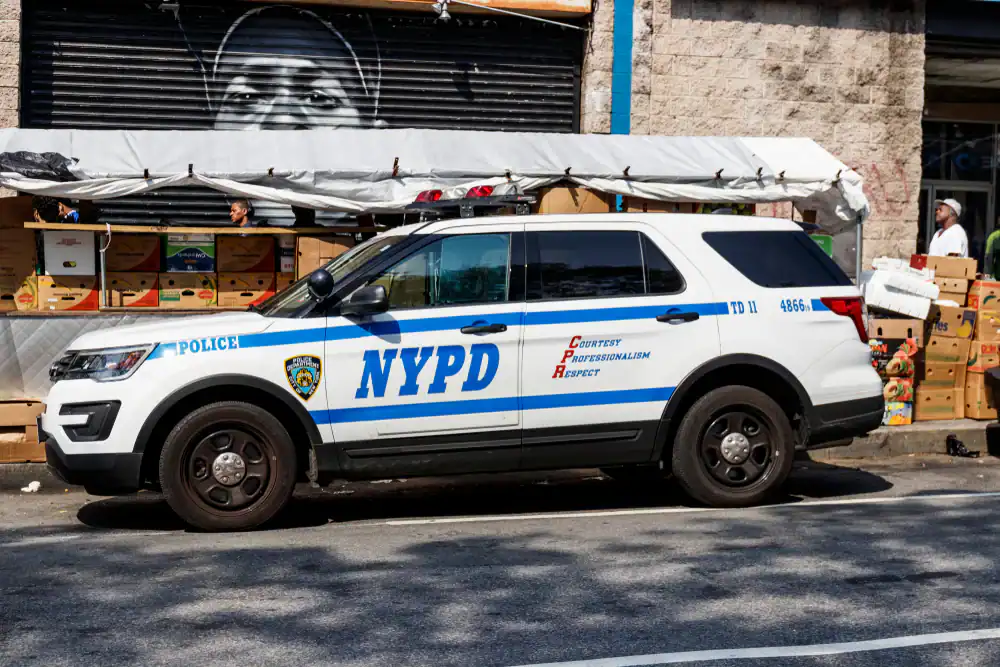
Police interceptors aren’t your average used cars. They’re built to handle high-speed pursuits, extended idling, and daily abuse that would destroy most civilian vehicles. That means reinforced suspensions, upgraded cooling systems, and engines designed for performance under pressure.
Most retired police vehicles come from local departments after accumulating between 75,000 and 100,000 miles. They’re maintained on strict schedules because downtime isn’t an option in law enforcement. Oil changes happen like clockwork. Brake pads get replaced before they fail. Fluids get checked constantly.
When these vehicles retire from active duty, they still have plenty of life left. You’re not buying someone’s neglected trade-in. You’re buying a vehicle that was kept running because lives depended on it.
Walk past a retired police car and a civilian version of the same model, and they might look identical. Pop the hood or crawl underneath, and you’ll see the difference immediately.
Police packages include heavy-duty alternators that can power all the electronics an officer needs—lights, radios, computers, cameras. The electrical systems are built to handle loads that would drain a standard battery in hours. Cooling systems are oversized to prevent overheating during pursuits or long periods of idling. Transmissions and differentials get upgraded components to handle the stress of aggressive driving.
The suspension sits about an inch higher than civilian models, with reinforced springs and heavy-duty shocks that can take curbs, potholes, and rough terrain without falling apart. Frames are strengthened to maintain structural integrity during high-speed maneuvers. Even the seats are different—reinforced to handle the weight of gear and designed to protect officers during impacts.
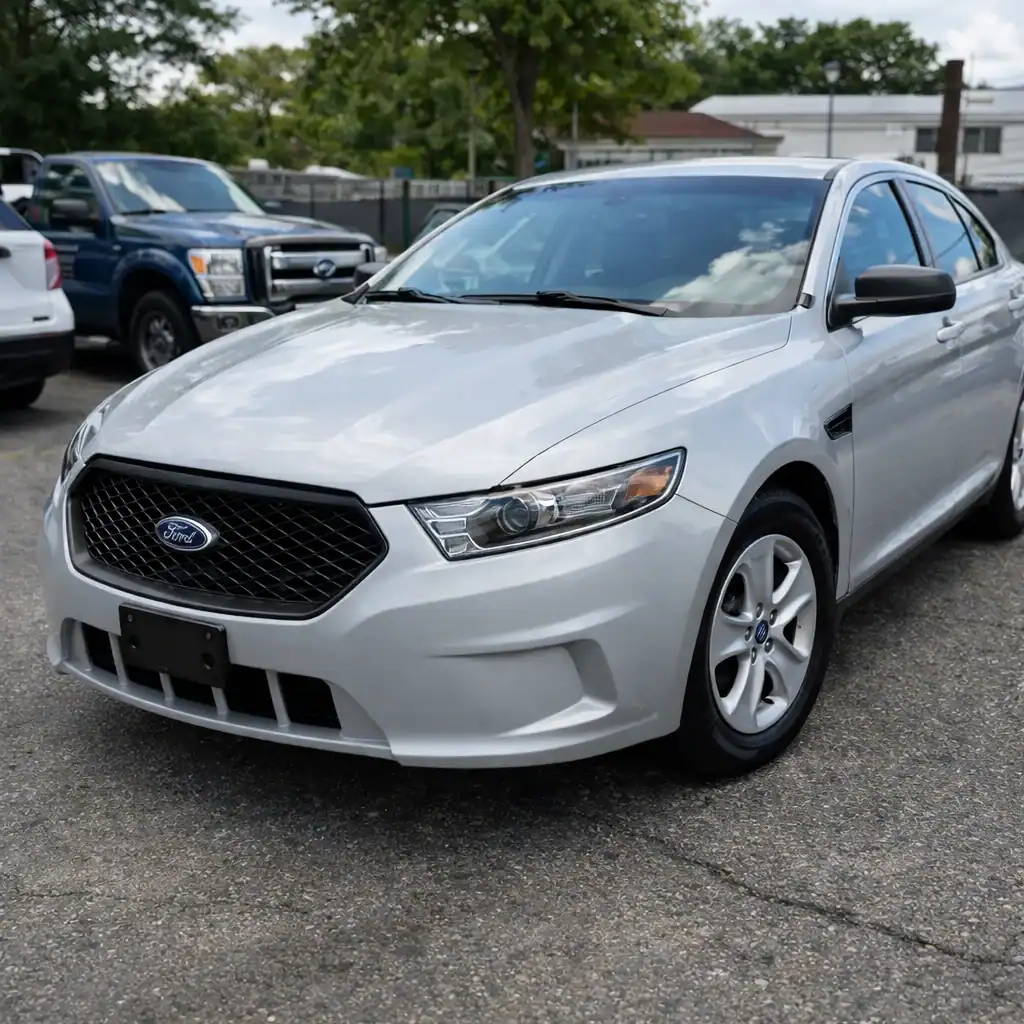
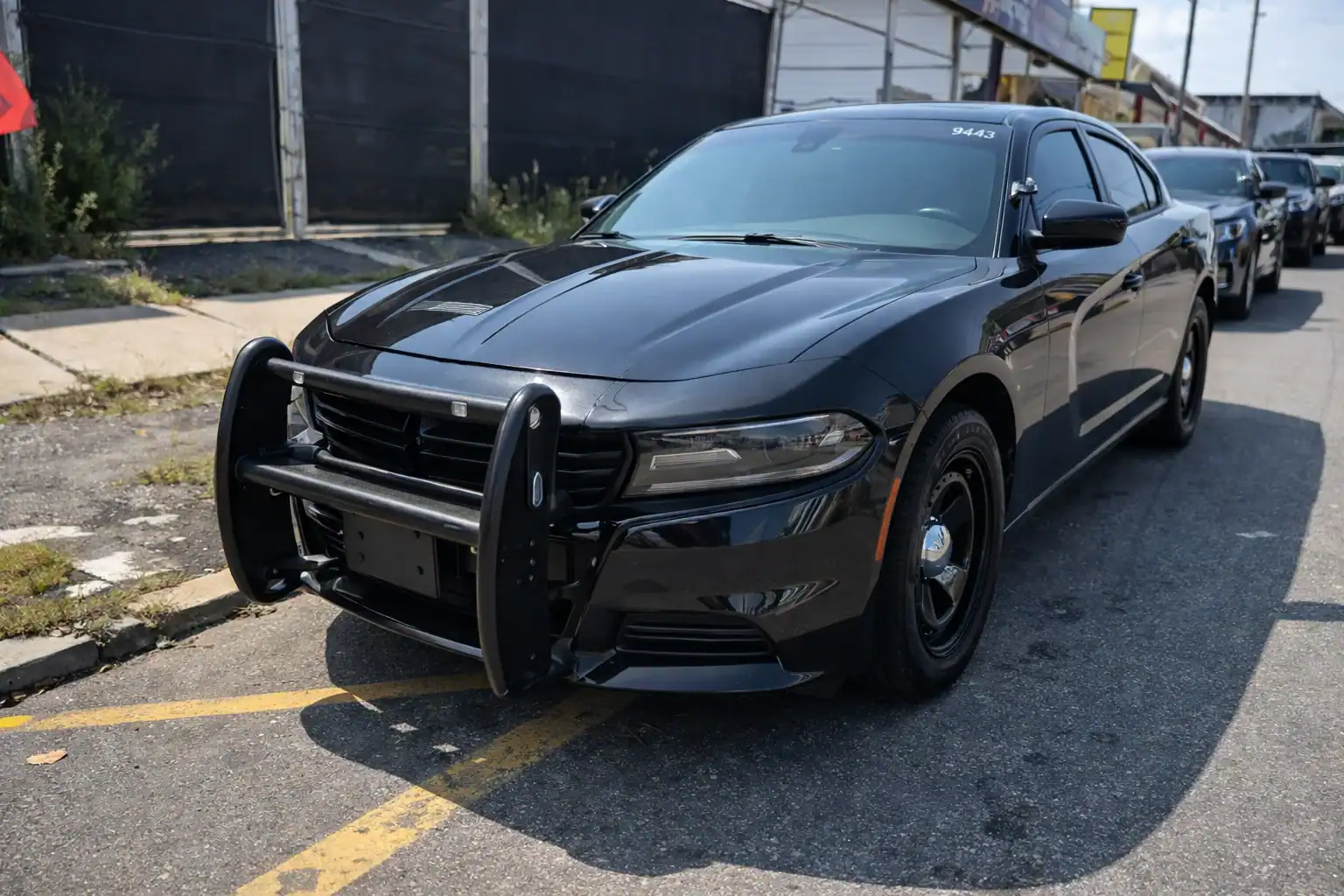
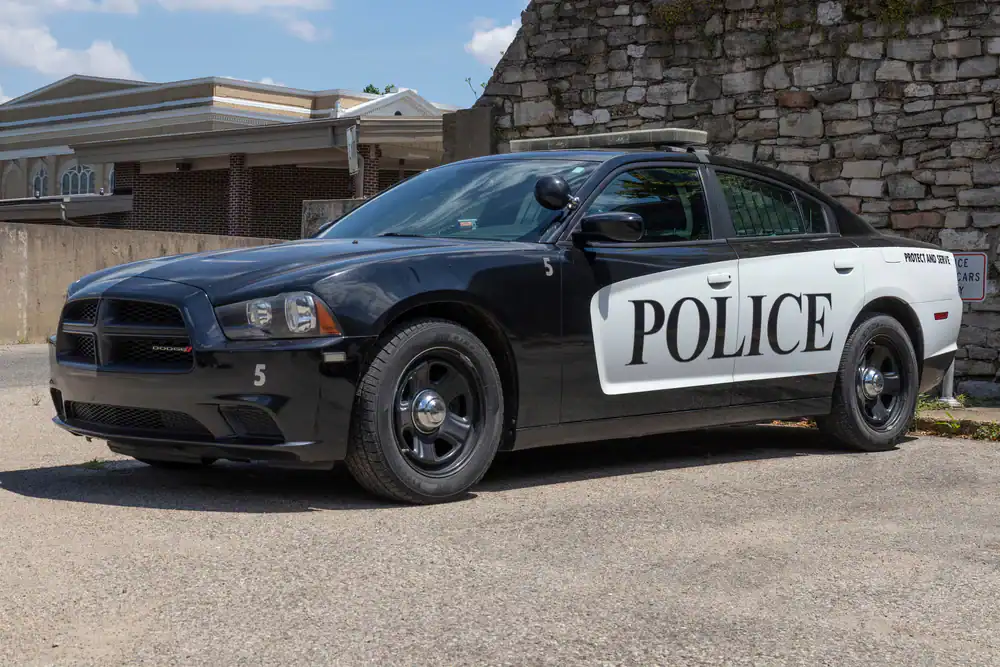
Parts are easy to find and affordable because these vehicles are based on popular models. A Ford Police Interceptor Utility is essentially a beefed-up Explorer. A Dodge Charger Pursuit shares most components with the civilian Charger. You’re not hunting down rare parts or paying luxury prices for basic maintenance.
Durability is the whole point. These vehicles are built to run hard and keep running. That’s why rideshare drivers, delivery workers, and small business owners snap them up. They need something that won’t leave them stranded, and police interceptors deliver.
The Ford Police Interceptor Utility dominates the market right now. It’s based on the Explorer and comes with either a 3.0L EcoBoost V6 that pushes 400 horsepower or a hybrid powertrain that balances efficiency with performance. All-wheel drive is standard. Space is generous. And because so many departments across New Jersey, New York, and Pennsylvania use them, you’ll find plenty of inventory.
The Dodge Charger Pursuit is the other big player. It’s rear-wheel or all-wheel drive, powered by either a 3.6L V6 or a 5.7L HEMI V8 that delivers serious acceleration. The V8 models are thirsty but fun. The V6 versions are more practical for daily driving. Either way, you’re getting a full-size sedan with room for passengers and cargo.
You’ll also see Chevrolet Tahoe PPVs, which are full-size SUVs with towing capacity and space for gear. They’re popular with departments that need to haul equipment or transport multiple officers. Older Crown Victoria Police Interceptors still pop up occasionally—they’re bulletproof reliable and dirt cheap to maintain, though Ford stopped making them over a decade ago.
Mileage varies. Some vehicles come off duty with 60,000 miles. Others have over 100,000. What matters more than the odometer is how the vehicle was maintained and what kind of duty it saw. Highway patrol cars rack up miles but experience less wear than city vehicles that idle constantly and make frequent stops.
Expect the interior to show use. Seats might have wear. There could be holes from equipment mounts. Some vehicles still have vinyl rear seats from prisoner transport duty. But mechanically, these cars are often in better shape than low-mileage civilian vehicles that were neglected by their owners. When you’re looking at used police cars for sale in Newark or the surrounding tri-state area, focus on maintenance records over cosmetic condition.
Want live answers?
Connect with a State Surplus Auto Sales expert for fast, friendly support.
Most lenders use your credit score as a gatekeeper. Below a certain number, the door slams shut. But not every dealership operates that way. Some focus on other factors—income, employment history, down payment—to determine whether you can handle a car payment.
Traditional banks and credit unions prefer borrowers with scores above 660. If you’re below that, you’ll face higher interest rates. Drop below 580, and many won’t even consider your application. That’s where alternative financing comes in. Dealerships that offer in-house financing or work with subprime lenders can approve buyers that banks won’t touch.
The catch is usually the interest rate. Subprime borrowers often pay double-digit APRs that add thousands to the total cost of the vehicle. But there are exceptions—dealerships that offer 0% interest used cars financing regardless of credit score. Those programs are rare, but they exist.
Zero-percent financing sounds like a gimmick. Most of the time, it is—reserved for buyers with pristine credit scores above 700. Manufacturers offer it to move inventory, and dealerships use it to attract customers. But the fine print usually disqualifies anyone with a troubled credit history.
Some dealerships flip that model. Instead of using credit score as the primary qualifier, we look at your ability to pay. Do you have steady income? Can you make a down payment? Have you been at your job for more than a few months? If the answers are yes, we’ll work with you. These police interceptor finance options focus on your current situation, not your past mistakes.
Zero-interest financing means every dollar of your payment goes toward the principal. No interest charges. No hidden fees compounding over time. A $10,000 loan paid over 36 months costs exactly $10,000. Compare that to a typical subprime loan at 18% APR, where you’d pay nearly $3,000 in interest on top of the principal.
The math is straightforward. Lower interest means lower monthly payments and less money wasted. For buyers with tight budgets, that difference can be the line between affording a vehicle and staying stuck without reliable transportation. When you’re comparing used police cars for sale financing options, the interest rate matters more than almost anything else.
Not every dealership offers this. In fact, most don’t. But the ones that do are worth finding. We’re independently owned and operated, and we focus on helping people who’ve been turned away elsewhere. We’re not trying to maximize profit on every loan. We’re trying to build long-term relationships with customers who’ll come back and refer others.
Your credit score matters, but it’s not the only thing lenders consider. If you can demonstrate stability and commitment, you improve your chances significantly.
Income is the biggest factor after credit. Lenders want to see that you earn enough to cover the payment comfortably. Most look for monthly income of at least $1,500, though some set the bar higher. Proof of income—pay stubs, bank statements, tax returns—shows you’re not just making promises.
Employment history matters too. If you’ve been at the same job for a year or more, that signals stability. Frequent job changes raise red flags. Lenders worry you’ll lose income and stop making payments. If you can show consistent work history, even in different positions, that helps.
A down payment makes a huge difference. It reduces the amount you need to borrow, which lowers the lender’s risk. It also shows you have skin in the game—you’re not walking away if things get tough. Even a modest down payment of $500 to $1,000 can tip the scales in your favor when you’re shopping for a police interceptor for sale.
Co-signers are another option if you have someone willing to vouch for you. A co-signer with good credit essentially guarantees the loan. If you miss payments, they’re on the hook. Not everyone has that option, but if you do, it can unlock better terms and higher approval odds.
Finally, be realistic about what you can afford. Lenders look at your debt-to-income ratio—how much you owe compared to how much you earn. If you’re already stretched thin with other debts, adding a car payment might push you over the edge. Focus on vehicles that fit your budget, not the ones you wish you could afford. A Ford Explorer Police Interceptor or Dodge Charger Pursuit might sound impressive, but only if the monthly payment doesn’t break you.
Bad credit doesn’t have to keep you off the road. Retired police vehicles offer reliability, durability, and value that’s hard to find in other used cars. And with the right financing, you can avoid the predatory interest rates that trap so many subprime borrowers.
Look for dealerships that focus on helping people in your situation. Ask about zero-interest programs and what they require for approval. Bring proof of income, be honest about your budget, and don’t let anyone pressure you into a payment you can’t handle.
If you’re in New Jersey, New York, or Pennsylvania and you’ve been turned down elsewhere, we work with buyers regardless of credit score at State Surplus Auto Sales in Newark. We specialize in well-maintained government vehicles and offer zero-interest financing to everyone. No gimmicks. No hidden fees. Just a straightforward path to getting behind the wheel.
Summary:
Article details:
Share: