
Hear from Our Customers
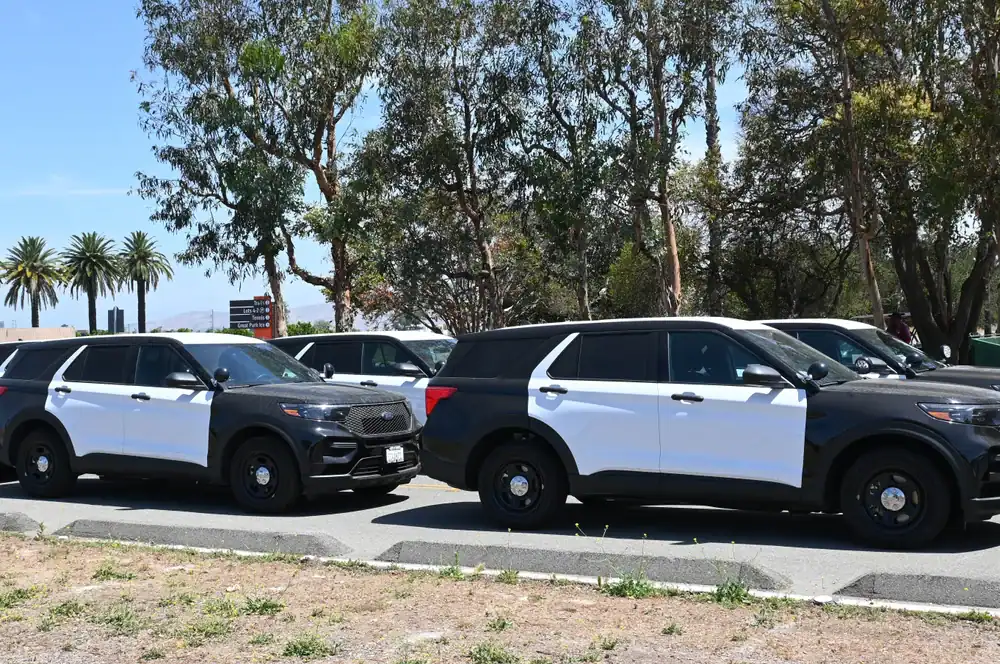
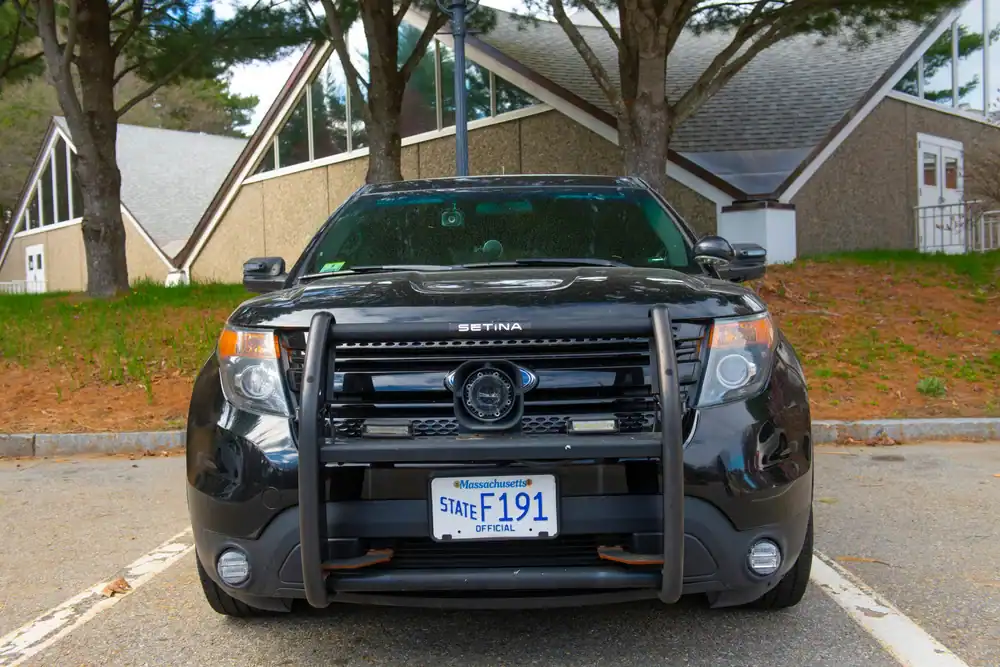
You’re looking at vehicles that were built different from the start. Ford Police Interceptors aren’t civilian models with a badge slapped on. They’re purpose-built with heavy-duty components, reinforced frames, and performance specs designed for high-stress driving conditions.
That means you’re getting a vehicle engineered to handle potholes, curbs, long idle times, and rough roads better than most standard sedans or SUVs on the lot. The 3.5L EcoBoost engine outperforms V8-powered competitors in independent testing by Michigan State Police. Standard all-wheel drive gives you control in weather that shuts down half of Johnstown.
Here’s the part that matters most to your wallet: these vehicles sell for $5,000 to $15,000 when comparable civilian models start above $20,000. You’re not sacrificing quality for price. You’re buying a vehicle that was maintained on a government schedule and built to last longer than what most dealerships are selling at twice the cost.
We specialize in one thing: getting quality used police vehicles into the hands of buyers who know value when they see it. We’ve sold over 35,000 vehicles in three decades, and the vast majority of our customers come from out of state because they can’t find this kind of inventory locally.
We source our Ford Interceptors directly from government auctions—the primary marketplace where law enforcement agencies retire their fleets. That means you’re getting vehicles with documented history, not mystery cars from unknown sources.
Johnstown drivers face real economic pressure. With a median household income around $34,000 and vehicle dependency at nearly 70%, you need a car that won’t nickel-and-dime you into a second loan. That’s exactly why police interceptors make sense here—they’re built for longevity and priced for reality.
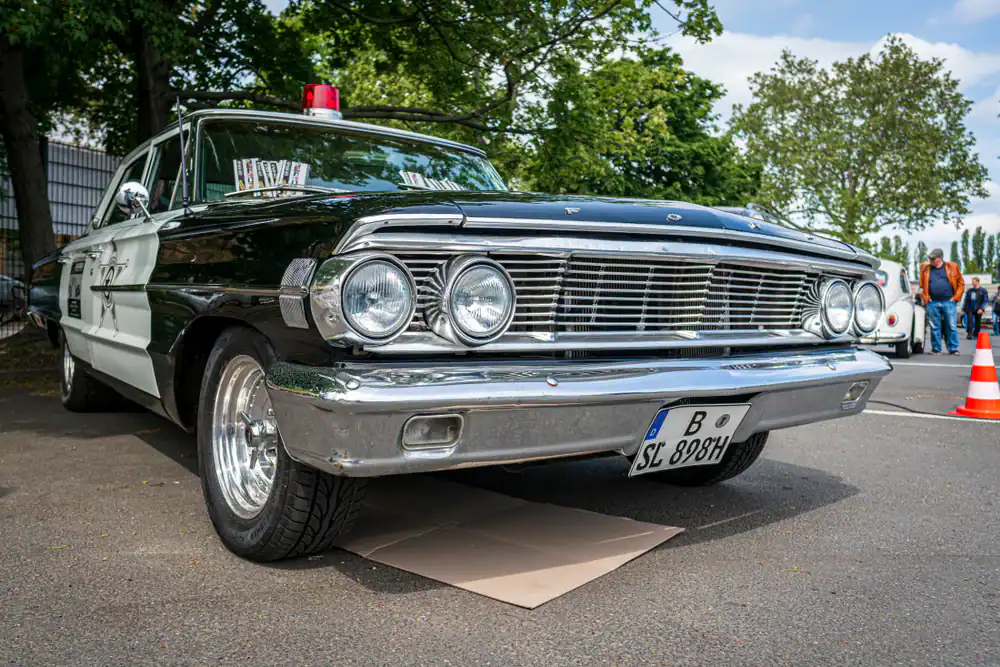
First, you browse our inventory of Ford Police Interceptor Utilities, Ford Crown Interceptors, and Ford Explorer Police Interceptors. Each listing shows the year, mileage, condition notes, and price. No games, no hidden fees waiting at the end.
When you find one that fits your budget and needs, you contact us to confirm availability and ask questions. We’ll walk you through the vehicle’s history, what equipment has been removed, and what condition the interior is in. Most of our interceptors have higher mileage—often 100,000 to 150,000 miles—but these aren’t civilian vehicles that spent their lives doing grocery runs.
Once you’re ready, we handle the paperwork and get you on the road. You’re not financing a $30,000 loan for a car that depreciates the second you drive off the lot. You’re buying a vehicle that’s already absorbed that depreciation hit and still has plenty of life left because of how it was built and maintained from day one.
Ready to get started?
Every Ford Interceptor we sell comes from law enforcement fleets that followed strict maintenance schedules. These vehicles were serviced regularly, and those records are available during your purchase process. You’re not buying blind.
The interiors are basic—these were work vehicles, not luxury rides. You’ll see holes where equipment was mounted and surfaces that show wear. Some buyers appreciate the simplicity. Fewer electronics mean fewer systems that can fail down the road. Parts are affordable and available at most auto shops because these vehicles are based on common Ford platforms.
In Johnstown, where 68.5% of residents drive alone to work and car ownership isn’t optional, you need something reliable that doesn’t cost a fortune. Police interceptors check both boxes. Ford has been building police packages since 1950, and their interceptors dominate law enforcement sales across the U.S. and Canada. That’s 70+ years of refinement and real-world testing.
You’re also getting safety features that go beyond standard civilian models: advanced braking systems, reinforced frames, and additional airbags. The Crown Victoria Police Interceptor was the first vehicle worldwide tested to meet a 75-MPH rear-impact crash test. That level of engineering doesn’t disappear just because the car’s been retired from active duty.
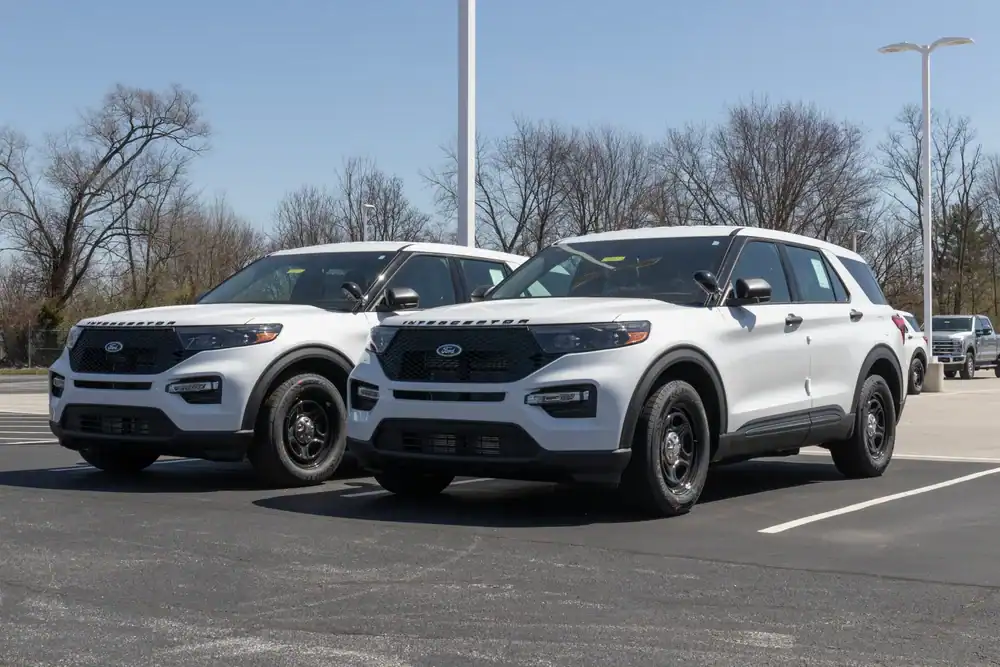
Price is the number one reason people buy police interceptors, and it’s not because these vehicles are junk. It’s because they’re sold through government auctions at well below market value. Law enforcement agencies retire vehicles based on mileage and age, not because they’re falling apart.
You’re getting a car that was built with heavy-duty components from the factory—not a civilian model that’s been beaten up and traded in. The savings come from the fact that these vehicles have already taken the depreciation hit, and government sales aren’t designed to maximize profit like dealership lots.
A comparable civilian Ford Explorer or sedan will cost you $20,000 or more used. A police interceptor with similar age and higher mileage will run you $5,000 to $15,000. You’re not buying a worse vehicle. You’re buying one that’s already absorbed the steepest part of the depreciation curve while being built tougher than what most people are driving.
High mileage is a valid concern, but context matters. Police interceptors often have 100,000 to 150,000+ miles, but they weren’t racked up the same way a delivery driver’s car was. These vehicles were maintained on strict government schedules with documented service records.
Yes, they idled a lot between shifts. Yes, they saw some aggressive driving. But they were also built specifically to handle that kind of use. Heavy-duty cooling systems, reinforced suspension, upgraded brakes—these aren’t aftermarket additions. They’re factory specs designed for high-stress conditions.
Compare that to a civilian vehicle with 80,000 miles that’s been through three owners, no service records, and who knows what kind of driving. You’re taking a bigger gamble there than you are with a police interceptor that has a paper trail and was built for durability from day one. Certain components may need replacement as mileage climbs, but the core build quality is designed to go the distance.
The Crown Victoria Police Interceptor is the sedan that dominated law enforcement for decades. It’s rear-wheel drive, body-on-frame construction, and powered by a V8 engine. It’s roomy, tough, and parts are everywhere because so many were made. If you want a traditional police car feel with proven reliability, that’s your pick.
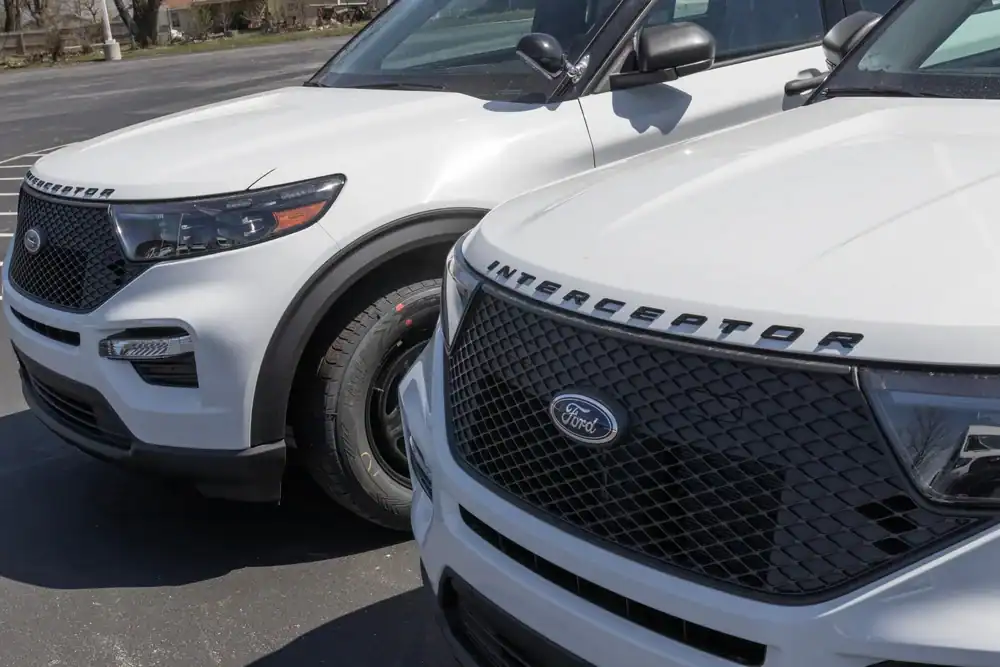
The Ford Explorer Police Interceptor Utility is the SUV version. It’s built on the Explorer platform with standard all-wheel drive and available with a 3.5L EcoBoost engine that outperforms V8 competitors in independent testing. You get more cargo space, higher seating position, and better handling in bad weather. It’s the modern choice that most agencies have switched to.
Both are built police-tough. Both offer serious value compared to civilian models. Your choice comes down to whether you want a sedan or SUV, and whether rear-wheel drive or all-wheel drive fits your needs better. Either way, you’re getting a vehicle that was engineered for durability and sold at a price that makes sense for buyers who don’t want to overpay.
Most insurance companies will cover former police vehicles without a problem, but some hesitate or ask more questions. The key is being upfront about what you’re insuring. These vehicles have VINs that identify them as former law enforcement, so trying to hide that fact won’t work.
Call your insurance company before you buy and ask directly if they cover retired police interceptors. Most major carriers do, especially if all the police equipment has been removed and the vehicle is being used for personal transportation. You’re not insuring an active patrol car—you’re insuring a used Ford with a history.
If your current insurer gives you pushback, shop around. Plenty of companies understand that these vehicles are just used cars with better bones than most of what’s on the road. You might pay slightly more in some cases, but the savings you’re getting on the purchase price more than make up for any minor insurance difference. Just don’t skip this step—confirm coverage before you commit to buying.
Parts are affordable and easy to find because Ford Police Interceptors are based on common civilian platforms. A Crown Victoria shares parts with the civilian Crown Vic. An Explorer Police Interceptor shares parts with the regular Explorer. Walk into most auto parts stores and they’ll have what you need in stock or can get it quickly.
The police-specific components—upgraded brakes, heavy-duty suspension, reinforced frames—are built to last longer than civilian equivalents. When they do need replacement, you’re often looking at the same or similar parts that fit civilian models. That keeps costs down and availability high.
This isn’t some exotic vehicle where you’re hunting down rare parts or paying dealer-only prices. Ford made hundreds of thousands of these interceptors, and the aftermarket supports them well. You’re driving a vehicle that mechanics know how to work on and parts suppliers know how to stock. That’s a huge advantage when you’re trying to keep ownership costs low over the long haul.
First, ask for the vehicle’s service records. Law enforcement agencies keep detailed maintenance logs, and any legitimate dealer should be able to provide them. You want to see that the vehicle was maintained on schedule and what work was done before it was retired.
Second, inspect the interior condition. Police equipment leaves holes and wear marks when it’s removed. Some vehicles are cleaned up better than others. Decide if you’re okay with a basic, worn interior or if you want something that’s been refurbished. This affects price and your satisfaction down the road.
Third, confirm what’s included in the sale. Are you getting a vehicle that’s been fully de-commissioned with all police equipment removed? Are there any mechanical issues disclosed upfront? We’re transparent about condition and history instead of trying to gloss over the realities of buying a used police vehicle. If a dealer is dodging questions or can’t provide documentation, that’s your signal to walk away and find someone who operates with more transparency.
Other Services we provide in Johnstown