
Hear from Our Customers
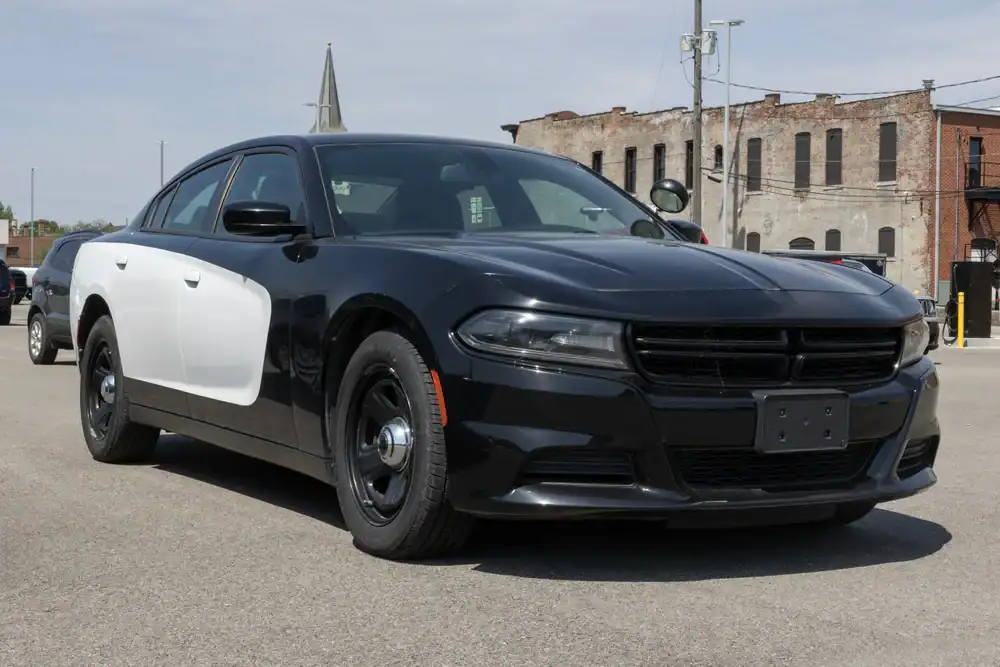
New car prices keep climbing, especially with tariffs pushing costs higher across the board. You’re looking at $40k, $50k, even $60k for something off the lot that wasn’t built half as tough as what law enforcement runs.
Used cop cars for sale give you a different option. These are Ford Police Interceptor Utility and sedan models that were spec’d for pursuit, not commuting. Heavy-duty cooling systems, reinforced suspension, upgraded brakes, powerful engines—all standard. You’re getting engineering that was designed to handle high-speed chases and constant use, now available at a fraction of what you’d pay retail.
Most of these vehicles come with detailed maintenance records. Agencies follow strict service schedules. Oil changes, brake replacements, fluid checks—it’s all documented. You’re not guessing about the history. You’re buying a vehicle that was maintained like a fleet asset, because it was.
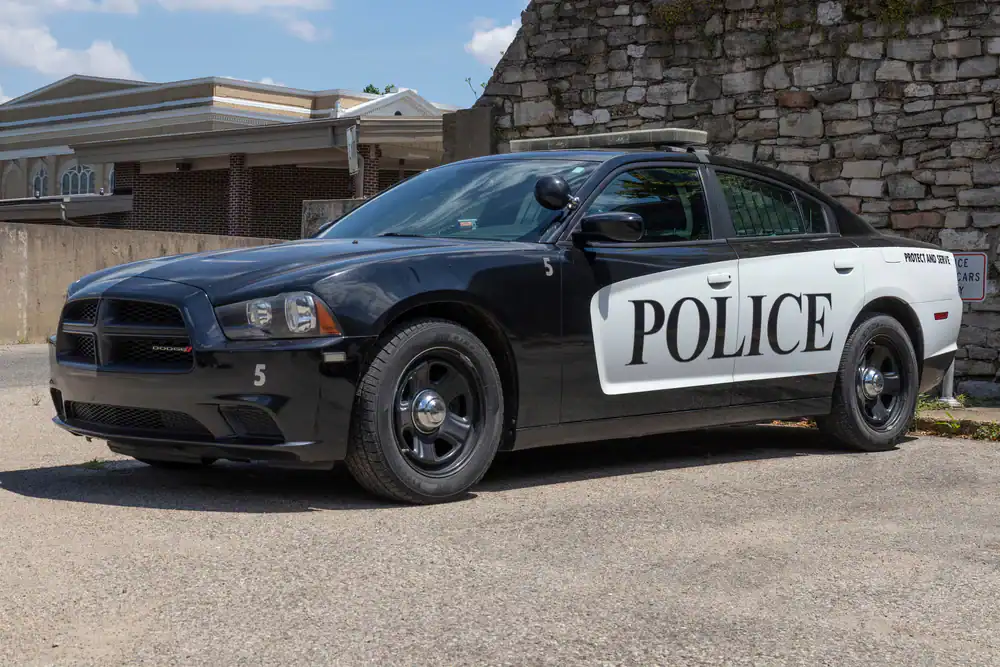
We don’t sell regular used cars at State Surplus Auto Sales. We specialize in retired law enforcement vehicles—Ford Crown Interceptors, Ford Police Interceptor Utilities, and other pursuit-rated models. That’s our lane, and we stay in it.
Smithtown drivers know the value of a vehicle that lasts. Long Island traffic, highway commutes, winter weather—you need something that holds up. Police interceptors were built for exactly that kind of punishment, and then some.
We’re here because there’s real demand for these vehicles. Rideshare drivers, mechanics, budget-conscious families, even taxi companies—they all come to us because they know what a cop car for sale represents: proven performance at a price that doesn’t require a loan you’ll regret.
Start by checking what’s in stock. Our inventory rotates as vehicles come in from municipal auctions and agency retirements. You’ll see Ford Police Interceptor Utility models, sedans, and other pursuit-rated vehicles—all listed with mileage, year, and available details.
Most of what we sell has 100,000 to 150,000 miles. That’s normal for police use. These engines are built to last well beyond that, especially with the maintenance history they come with. If you want lower mileage, detective or admin cars sometimes show up with 60k or 70k—but those move fast.
Once you find something that fits, come see it. Ask about the service records. Check the interior, the exterior, the engine. We’re not hiding anything. These vehicles have cosmetic wear—scratched paint, worn seats, holes from removed equipment. That’s part of the deal, and it’s why the price is what it is.
If it works for you, we handle the paperwork and you drive it off the lot. No financing games, no upsells. You’re buying a used patrol car, and we treat it like that.
Ready to get started?
Every vehicle we sell is a retired law enforcement interceptor. That means it came with factory upgrades you won’t find on civilian models. Stronger alternators to handle extra electrical load. Reinforced steel wheels. Heavy-duty transmission cooling. Upgraded brake systems designed for repeated high-speed stops.
Ford Police Interceptors dominate the market for a reason—they hold over 60% of the law enforcement vehicle segment. Agencies trust them because they’re reliable under extreme conditions. That same reliability transfers to you, whether you’re using it for rideshare work in Smithtown, daily driving on the LIE, or just want something that won’t quit.
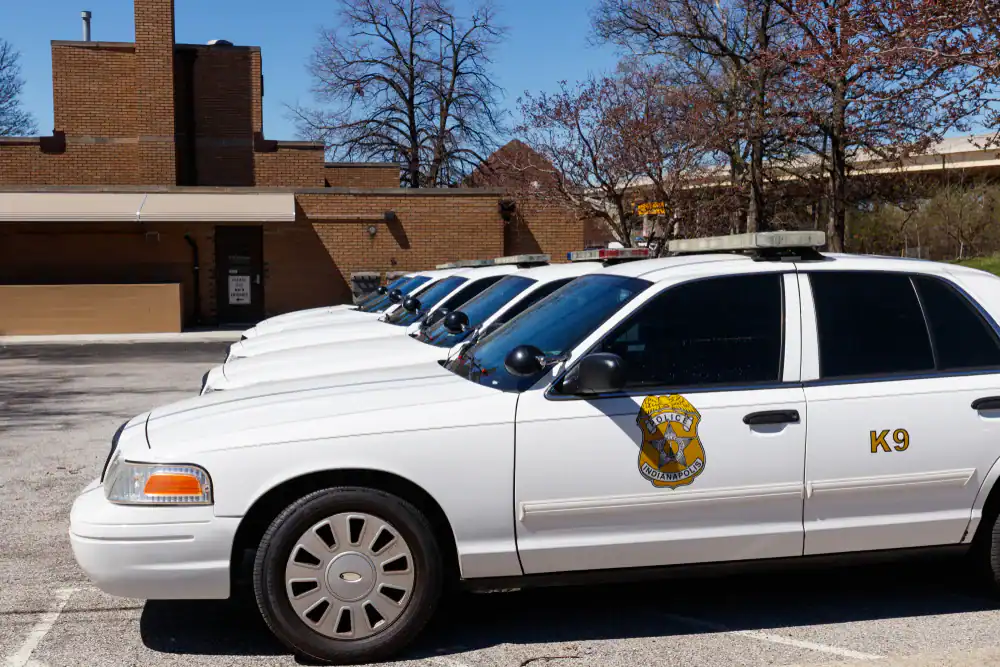
Most of our inventory arrives in white. Mounting holes from light bars and equipment are common. Some buyers patch and paint them. Others leave them as-is. It depends on what you’re using the vehicle for and how much you care about the look. Mechanically, these cars are solid. Cosmetically, they show their history.
Smithtown’s mix of suburban roads and highway access makes these vehicles a smart fit. You’re not babying a car through stop-and-go traffic or worrying about whether it can handle a long drive. It was built for worse, and it’ll handle your routine without breaking a sweat.
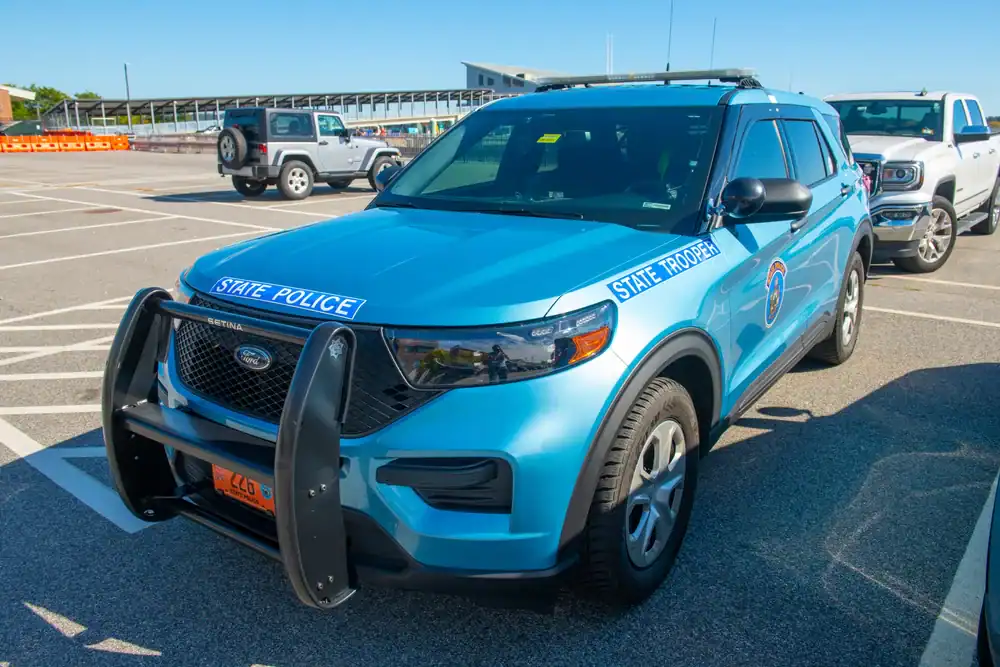
High mileage and cosmetic wear. That’s the short answer.
Most police vehicles rack up 100,000+ miles during their service life, sometimes significantly more. Agencies retire them based on mileage or age, then send them to auction. Because of that heavy use and the visible wear—scratched paint, worn interiors, equipment holes—they sell well below comparable civilian vehicles from the same model year.
But here’s what matters: the mechanical condition is often better than a similar-mileage civilian car. Police fleets follow strict maintenance schedules. Oil changes happen on time. Brakes get replaced before they fail. Fluids are monitored. You’re buying a vehicle that was maintained like a business asset, not someone’s personal car they may or may not have taken care of.
The price reflects the cosmetic issues and the odometer. The value comes from the durability, the maintenance history, and the performance upgrades that were standard from the factory.
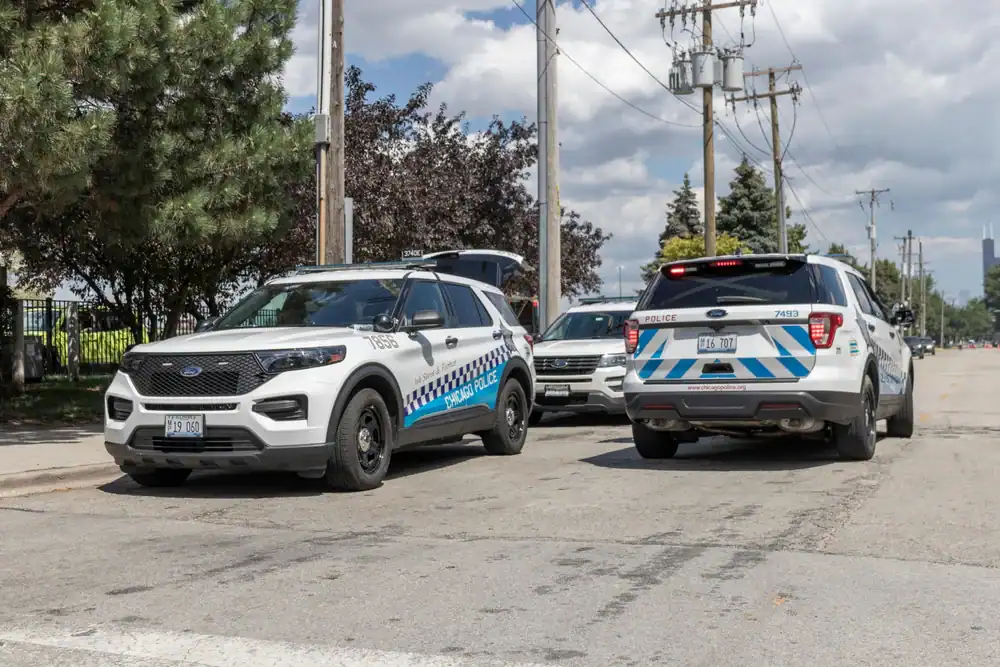
The Police Interceptor Utility is a pursuit-rated version of the Ford Explorer, but it’s not just a rebadge. It comes with mechanical and structural upgrades designed for law enforcement use.
You get a more powerful engine calibrated for faster response. The cooling system is upgraded to handle extended idling and high-speed driving. The suspension is reinforced to manage rough roads and high-speed maneuvers. The brakes are heavy-duty, built for repeated hard stops. The electrical system includes a stronger alternator to support additional equipment.
Ford’s Police Interceptor Utility also comes standard with all-wheel drive, and it’s the only pursuit-rated vehicle in its class to do so. That’s a big deal for year-round driving in New York, especially when winter weather hits Long Island.
Civilian Explorers are solid vehicles, but they’re not built to the same spec. If you’re comparing a used Police Interceptor Utility to a used civilian Explorer at similar mileage, the Interceptor gives you more vehicle for less money—assuming you’re okay with the cosmetic trade-offs.
It depends on how you drive it and how you maintain it, but these vehicles are built to go well beyond what most civilian cars handle.
Police interceptors are engineered for abuse. High-speed pursuits, constant idling, stop-and-go traffic, heavy loads—they’re designed to take it and keep running. A well-maintained Police Interceptor with 120,000 miles still has a lot of life left, especially if you’re using it for normal driving and not replicating police use.
The key is continuing the maintenance. These cars were serviced regularly during their agency life, and that needs to continue. Keep up with oil changes, monitor the brakes, check the fluids, and address issues when they come up. Do that, and you’re looking at another 100,000+ miles without major problems.
Plenty of buyers use these as daily drivers, rideshare vehicles, or work trucks. They hold up because they were built to. You’re not buying a fragile car that needs babying. You’re buying something that was designed to perform under stress.
Yes, if they’ve been properly decommissioned and inspected. Agencies don’t sell vehicles that are structurally unsafe or mechanically unsound.
Most departments that self-insure won’t allow damaged vehicles to go to public auction. If a car was in a serious collision or has frame damage, it gets assessed and either repaired to standard or scrapped. What makes it to auction is generally in drivable condition, even if it shows cosmetic wear.
That said, you should still inspect any used vehicle before you buy it—police car or not. Check the service records. Look for signs of frame damage or serious repairs. Test drive it. Ask questions about its history.
Ford Police Interceptors also come with advanced safety features. Some models include factory-installed ballistic door panels. All of them meet rigorous crash test standards, including the 75-mph rear-impact test that only Ford police vehicles are tested to. These are some of the safest vehicles on the road, even after retirement.
Yes. Once a police vehicle is decommissioned and sold, it’s titled as a regular used car. You register it with the DMV just like any other vehicle.
You’ll need the title, proof of insurance, and payment for registration fees and taxes. New York doesn’t treat former police vehicles any differently than civilian cars once they’re in private hands. The VIN is clean, the title transfers normally, and you’re good to go.
Insurance works the same way. You’ll get quotes based on the make, model, year, and your driving history—just like any other Ford. Some insurance companies might ask if it’s a former police vehicle, but that’s usually just for their records. Rates are typically in line with civilian versions of the same model, sometimes lower because of the heavy-duty components and safety features.
If you’re financing, some lenders have mileage restrictions or won’t finance vehicles over a certain age. That’s worth checking ahead of time. But for registration and insurance in New York, there’s no special process. It’s a used Ford, and it gets treated like one.
Start with the service records. You want to see documented maintenance—oil changes, brake work, fluid replacements, anything that shows the vehicle was cared for during its agency life. Most departments keep detailed logs, and that paperwork should come with the car.
Check the mileage, but don’t let high numbers scare you off automatically. A Police Interceptor with 130,000 miles and a full service history is often a better buy than a civilian car with 80,000 miles and no records. What matters is how it was maintained, not just how far it’s been driven.
Look at the cosmetic condition and decide what you’re willing to live with. Worn seats, scratched paint, and equipment holes are normal. Some buyers don’t care. Others want to invest in repairs. Know what you’re getting into before you commit.
Test drive it. Listen for unusual noises. Check how the brakes feel. Make sure the transmission shifts smoothly. These are tough vehicles, but they’ve been used hard. A test drive will tell you if there are any issues that need attention.
Finally, ask about what’s been removed. Light bars, radios, computers—most of that gets stripped before sale. Sometimes the wiring is left behind, sometimes it’s pulled. If you’re planning to use the car as-is, make sure you’re okay with what’s missing and what’s staying.
Other Services we provide in Smithtown